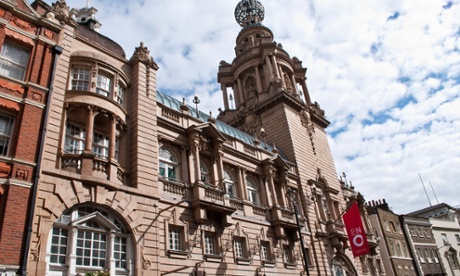
What a shame that English National Opera has pulled out of its spring co-production of Orfeo with Bristol’s Old Vic. It would have been the company’s first UK project outside of London in 15 years. While it’s unsurprising that ENO is in panic stations – Arts Council England dealt a 29% blow to its annual funding in the summer – the decision to cut this of all possible corners smacks of a London bias that will come as grimly familiar for the 87% of UK residents who live outside of the M25.
ENO needs to seriously draw in its purse-strings: that much is clear after June’s stark announcement that made it one of ACE’s biggest losers. This is a company that knows about financial problems (two years ago it was charting losses of £2.2m) but also how to rebalance the books. It wouldn’t be surprising if more elements of the current season get curtailed in some shape or form, and London opera-goers will already be braced for a less than lavish 2015/16 lineup at the Coliseum. The company is doing many things right, including cashing in on its prime-location building. But to straight-forwardly axe the one production that takes it out of London is the wrong way to go about saving. The move is out of synch with a growing recognition among audiences and funders alike that regional imbalances across the UK need to be redressed.
Public spending on the arts has been skewed towards the capital for generations. Last week John Whittingdale, chair of a Commons culture, media and sport select committee, said: “There is a clear imbalance in arts funding in favour of London – which the Arts Council itself admits. This is unfair on taxpayers and lottery players in other parts of the country, as well as limiting access to cultural opportunities and enjoyment across the country.” State spending figures on the arts are tricky to cleanly extract but amount, roughly, to a 14:1 bias in favour of London.
There is no question that supporting artistic excellence will always require a degree of prioritisation, and that London’s globally-recognised cultural vibrancy is invaluable to the whole of the UK. But there’s a wide country out here, full of keen and inquisitive audiences for whom opera isn’t available several nights of the week. Bristolians will today be keenly aware that the £17.2m spent on ENO in the 2014/15 season has had little impact on them.
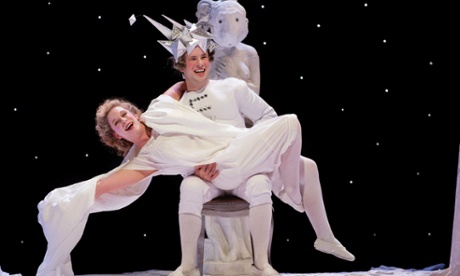
Many London-based arts organisations spend plenty of time on the road, of course, including the excellent English Touring Opera (currently roaming England on a grant of £1.7m). But two of the most expensive companies, the Royal Opera and ENO, are conspicuous exceptions. They are historically, and it would seem doggedly, rooted in place, just 10 minutes’ walk from one another. Here’s a radical solution: uproot one all together and relocate it elsewhere. Bristol, maybe. The rents would be cheaper, for a start.
One of the many lessons we should learn from the Scottish referendum is that when it comes to the UK’s geographical hierarchies, historic paradigms no longer work. 45% of the voting population north of the border voiced a desire to shake things up, to shift the attitude that if it’s good, it’s in London. Those watching from “the regions” around England, Wales and Northern Ireland have been quick to recognise that changes also need to happen where they are.
The fact that the art-form in question here is opera is not unimportant. Co-productions with innovative theatre companies such as the Old Vic are a way of bringing what’s broadly seen as a rarefied genre to new audiences, as is removing opera from the trappings of place – be that traditional opera houses or the posh bits of London. ENO, which prides itself on keeping things young and fresh, should know this. Never has the company’s name appeared a more glaring misnomer.
Follow Kate Molleson on twitter at @KateMolleson