Large facilities face significant challenges in maintaining comprehensive security. Efficiently covering extensive areas requires innovative solutions. Explore how cutting-edge technology can streamline monitoring tasks and enhance security management.
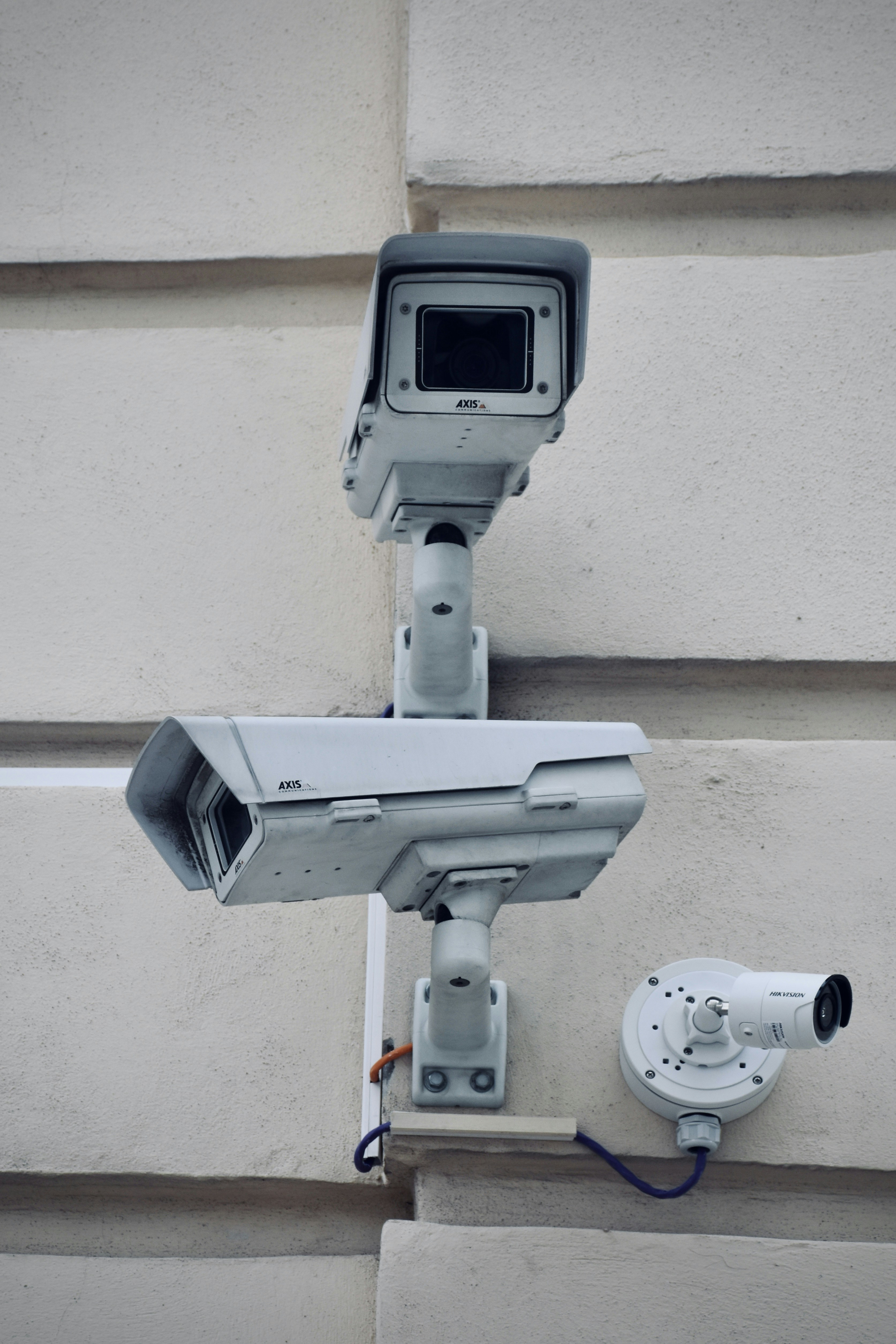
In sprawling environments such as warehouses and campuses, ensuring complete surveillance coverage is critical. The implementation of advanced technologies like PTZ (pan tilt zoom) security cameras provides a means to effectively monitor these vast spaces. These systems are designed to adapt to various settings, minimizing blind spots and enabling more efficient management of security operations.
Covering extensive spaces effectively
Monitoring large facilities can be daunting due to their sheer size and complexity. Advanced surveillance systems offer a practical solution, allowing you to oversee expansive areas without the need for excessive equipment. These technologies can swiftly scan large zones, providing real-time updates that help maintain high-security standards. This capability is crucial for reducing the number of physical resources needed, thereby lowering operational costs while maximizing efficiency.
The dynamic nature of modern surveillance technology ensures that all corners of a facility are covered. Unlike static cameras, advanced systems can pivot and zoom as needed, granting you flexibility in monitoring various sections of a property. This adaptability not only enhances overall coverage but also allows for quick adjustments in response to specific security needs or potential threats.
Furthermore, the integration of automated features aids in effective resource allocation. By intelligently managing the focus of surveillance efforts, these systems ensure that high-risk areas receive appropriate attention without constant human intervention. This capability reduces the burden on security personnel, allowing them to concentrate on strategic planning and response.
Eliminating blind spots
One of the primary benefits of utilizing advanced surveillance technology is its ability to virtually eliminate blind spots. Blind spots can pose significant risks, as they create opportunities for unauthorized access or undetected incidents. By employing sophisticated tracking algorithms and panoramic views, modern systems provide a comprehensive perspective that leaves no area unchecked.
This enhanced visibility is achieved through intelligent camera placement and motion-detection capabilities. The ability to automatically adjust angles and focus ensures continuous coverage even as conditions change throughout the day or night. With this level of precision, you gain confidence in your facility's security posture, knowing that potential threats are swiftly identified and addressed.
The constant evolution of surveillance technology also means continuous improvements in resolution and clarity. High-definition imaging allows for detailed analysis and evidence collection, crucial for both real-time decision-making and post-event reviews. Thus, investing in these technologies not only strengthens immediate security measures but also supports long-term investigative processes.
Simplifying security management tasks
The complexity of managing security across large facilities is significantly reduced through the adoption of advanced surveillance systems. These technologies offer centralized control options that facilitate seamless integration with existing infrastructure. By streamlining monitoring tasks into a single platform, you can efficiently manage multiple locations from one command center.
This centralization enhances communication between various teams and departments involved in maintaining security protocols. Real-time data sharing ensures that everyone remains informed about the current status of different areas within a facility. Consequently, this collaborative approach leads to quicker response times and more coordinated efforts in addressing potential incidents.
Moreover, modern systems often come equipped with user-friendly interfaces designed to simplify operation even for those with limited technical expertise. Intuitive dashboards allow personnel to quickly assess situations and deploy necessary actions without delay. This ease of use empowers staff at all levels to contribute effectively to the overall safety strategy.
Consider a case study of a large university campus that implemented PTZ cameras to enhance its security measures. By strategically placing these cameras at key points, the university was able to monitor student activities, manage crowd control during events, and ensure safety in isolated areas. The flexibility of PTZ cameras allowed security teams to focus on high-traffic zones during peak hours and shift attention to less populated areas at night, demonstrating the practical application of these technologies in real-world settings.