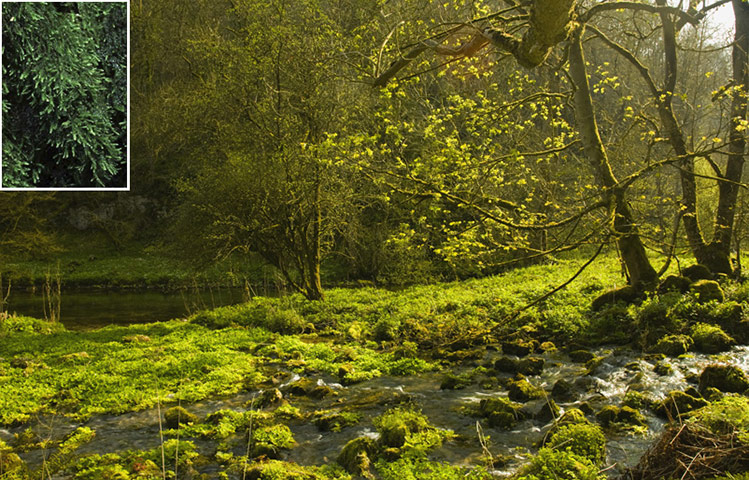
The world’s entire stock of this luxuriant moss amounts to one square metre in an aquatic location within this SSSI at a secret location in Cressbrook Dale in the peak district national park Photograph: John Doornkamp/Corbis

This frog died out in Britain in the 1990s and was reintroduced in 2005 with targeted habitat restoration to create the ideal conditions for the pool frog. It is England’s rarest amphibian Photograph: William Osborn/NPL/Rex Features
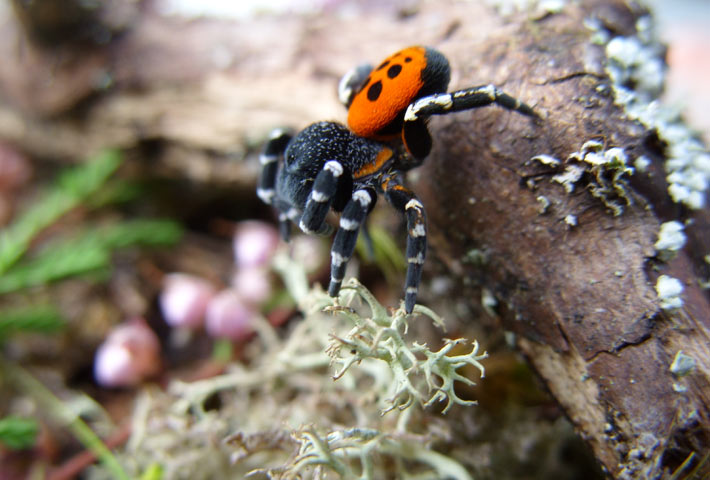
Undisclosed SSSI, Dorset
Britain’s most elusive spider. Numbers slumped to 56 spiders in 1994. Following habitat management and captive breeding the most recent web count found 1,000 spiders Photograph: Guardian
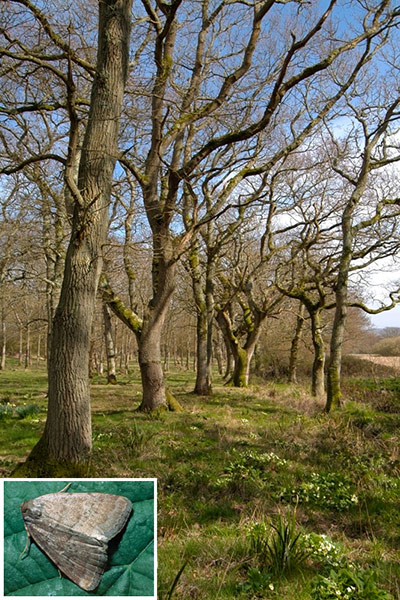
Once found in Hampshire and Dorset, it is now confined to a single locality on the island where the SSSI’s heathland harbours an abundance of saw-wort, its main food plant Photograph: Alamy
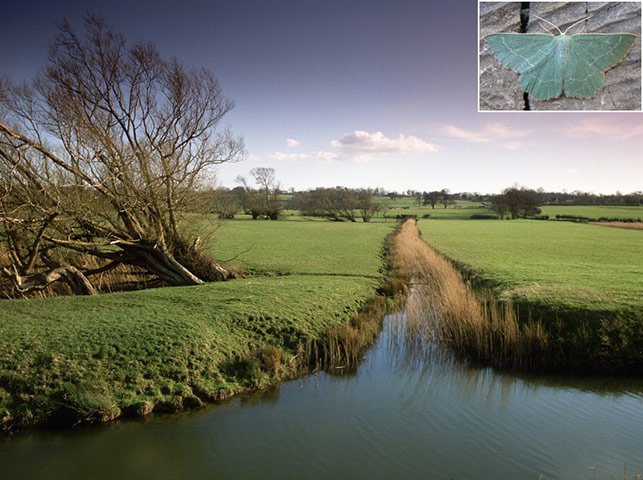
First recorded in Britain in 1902, the caterpillar only became established in this country in the 1950s. The habitats found in the SSSI are ideal for wild carrot – its favoured food Photograph: Michael Busselle/Corbis
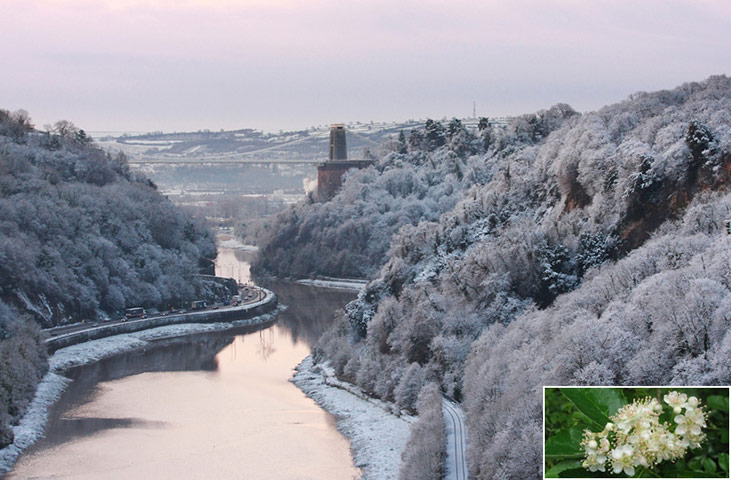
This tree is found nowhere in the world except the Avon gorge, where around 300 grow. They have small orange fruit, toothed leaves and are noted for their forked trunks. Limestone soil and rocks, open, scrubby habitats and steep cliff faces provide ideal conditions Photograph: Paul Gibson/Alamy

Once found in Norfolk, Suffolk, Lincolnshire and Cambridgeshire, the ragwort was declared extinct in 1857 as a result of drainage activities. It made its comeback when the present drain was dug in 1968, exposing dormant seeds in the upper peat layer which then germinated Photograph: Natural England
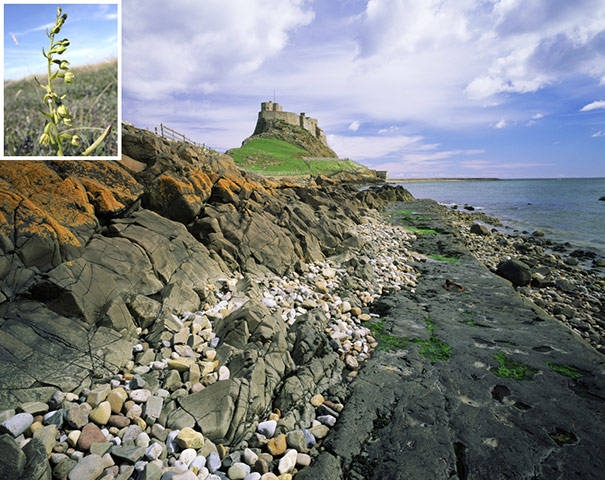
Originally thought to be a dune helleborine until genetic testing revealed it was sufficiently different to be ranked separately. Found only on Holy Island, where its 300 plants make this orchid a rarer species than the panda Photograph: Lee Frost/Corbis
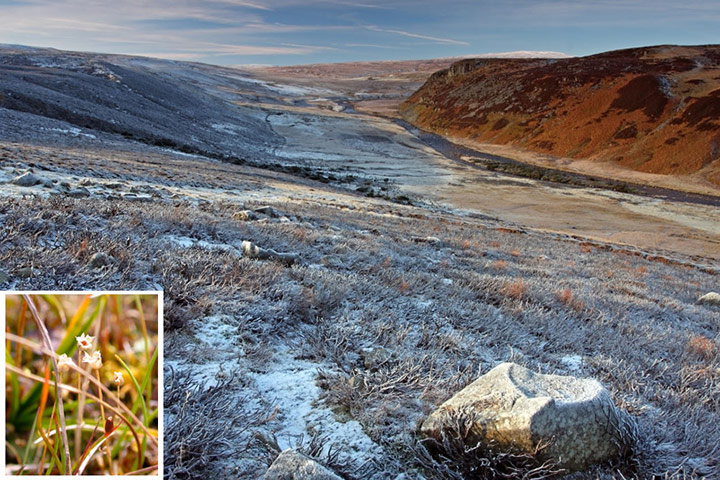
These alpine flowers have grown in the dale since the last glacial period and are not found anywhere else in Britain. Threatened by rising temperatures and competition from lower-level species, these upland specialists will rely more and more on the protection of SSSI status Photograph: David Forster/Alamy
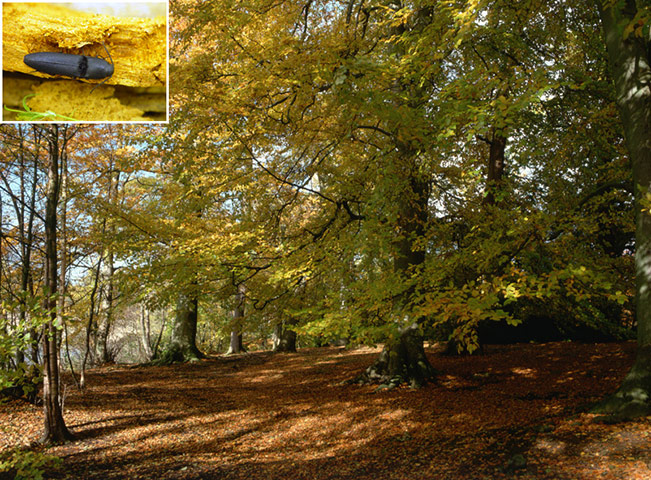
A large, nocturnal beetle that is thought to feed on the larvae of other beetles as well as flowers, it makes a distinctive clicking sound as it escapes from predators. Grows to about 3cm long and lives on the decaying trunks of beech and elm trees. It pupates in the autumn before overwintering as an adult inside its pupal case. Now so rare that it can only be found at this site in the UK Photograph: Frank Blackburn/Corbis