Get all your news in one place.
100’s of premium titles.
One app.
Start reading
The Guardian - UK
The Guardian - UK
Environment

England's lost wildlife

Natural England Report: Lost Life: England’s lost and threatened wildlife
Extinct: the spotted sulphur moth flitted its wings for the last time on these shores in 1960
Photograph: David Hosking/FLPA
Natural England Report: Lost Life: England’s lost and threatened wildlife
Extinct: The red-backed shrike (Lanius collurio). Last spotted in England in 1988
Photograph: Robin Chittenden/FLPA
Natural England Report: Lost Life: England’s lost and threatened wildlife
Extinct: The greater mouse-eared bat (Myotis myotis) was once the largest bat you could find on these shores; now it has since disappeared completely
Photograph: Roger Tidman/FLPA
Natural England Report: Lost Life: England’s lost and threatened wildlife
Extinct: The tawny earwig (Labidura riparia). Extinct since about 1930
Photograph: Fabio Pupin/FLPA
Natural England Report: Lost Life: England’s lost and threatened wildlife
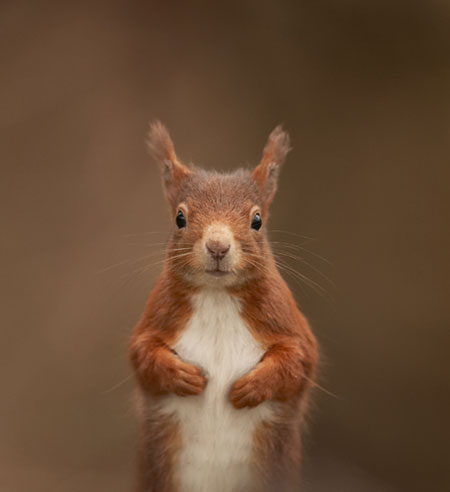
Threatened: The red squirrel will be lost within the next 20-30 years unless effective action is taken. This poor fella's just heard the news
Photograph: Steward Ellett/BWPA
Natural England Report: Lost Life: England’s lost and threatened wildlife
Threatened: Just a very small number of heathland sites in Dorset host the rather striking ladybird spider
Photograph: Natural England
Natural England Report: Lost Life: England’s lost and threatened wildlife
Threatened: The Norfolk hawker dragonfly (Aeshna isosceles). Many wetland sites such as those in East Anglia have been eroded or inundated by rising sea levels, which is very bad news for many species such as this hawker, the bittern and the black-tailed godwit
Photograph: Gary K Smith/FLPA
Natural England Report: Lost Life: England’s lost and threatened wildlife
Threatened: Oh would you look at that? The pine marten. One of England’s rarest, and cutest, mammals
Photograph: Andy Rouse/NHPA
Natural England Report: Lost Life: England’s lost and threatened wildlife
Threatened: It's not just the doe-eyed ones that suffer, though. The humble but pretty chalkhill blue (Lysandra coridon) is struggling for survival
Photograph: Derek Middelton/FLPA
Natural England Report: Lost Life: England’s lost and threatened wildlife
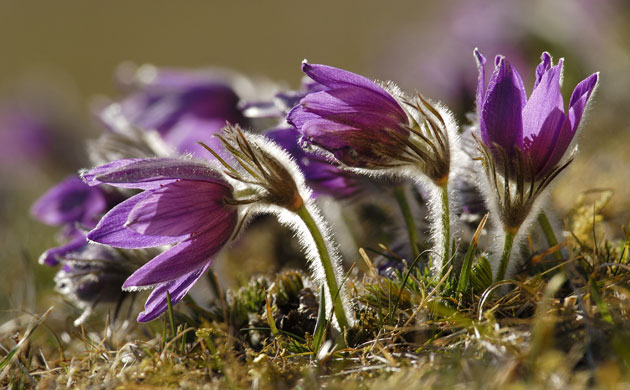
Threatened: The pasque flower (Pulsatilla vulgaris) can only be found in a handful of English sites
Photograph: ImageBroker/FLPA
Natural England Report: Lost Life: England’s lost and threatened wildlife
Threatened: The fruitily named shrill carder bumblebee, whose numbers declined by 75% between 1970-90 and 1990-2000 due to loss of unimproved flower-rich grassland
Photograph: MJ Hammett/Natural England
Natural England Report: Lost Life: England’s lost and threatened wildlife
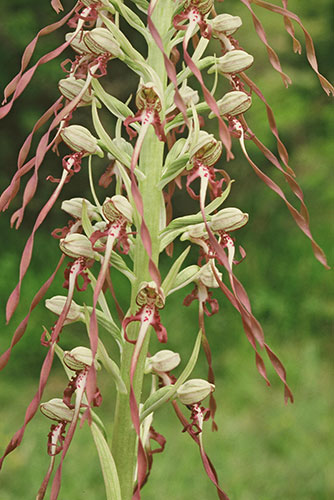
Threatened: The rather baroque lizard orchid is also dwindling in numbers
Photograph: Peter Wakely/Natural England
Natural England Report: Lost Life: England’s lost and threatened wildlife
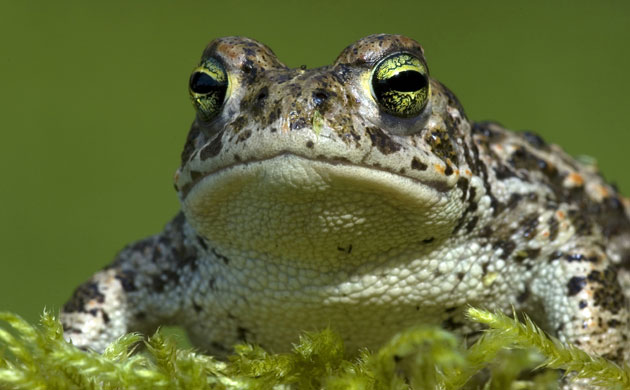
Threatened: The natterjack toad (Bufo calamita). No wonder it looks miffed – this once abundant species suffered spectacular decline due to agricultural intensification, pond acidification, the encroachment of scrub and development for housing, holiday parks and golf courses. Reintroduction has been partially successful
Photograph: Do Van Dijck/Minden Pictures/FLPA
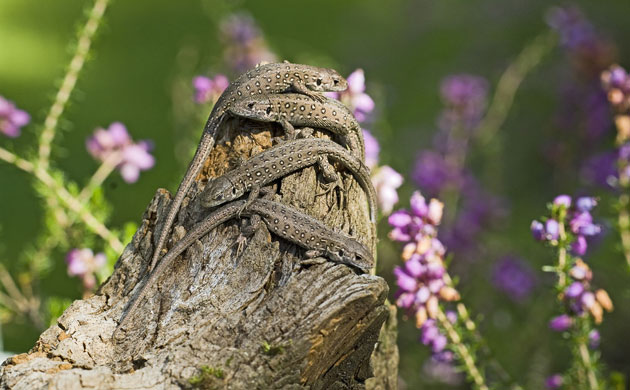
Natural England Report: Lost Life: England’s lost and threatened wildlife
Recovered: The sand lizard (Lacerta agilis) is basking in the glory of narrowly avoiding extinction in England. It has recovered thanks to natural reintroduction from elsewhere in the UK and deliberate schemes. Hopefully these lively young ones will continue their forefathers' good work
Photograph: Derek Middleton/FLPA
Natural England Report: Lost Life: England’s lost and threatened wildlife
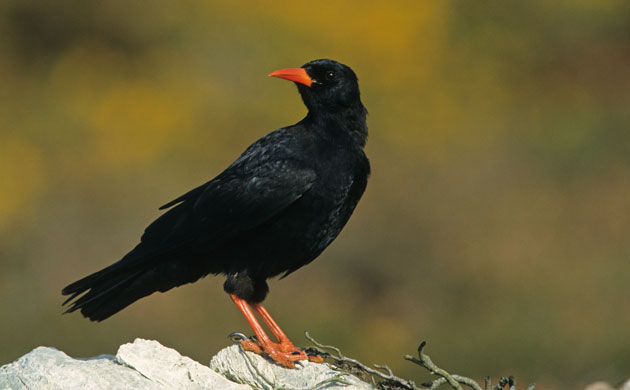
Recovered: The chough (Pyrrhocorax pyrrhocorax), known for its ostentatious flying style, has been successfully reintroduced to the English countryside
Photograph: Paul Hobson/FLPA
Natural England Report: Lost Life: England’s lost and threatened wildlife
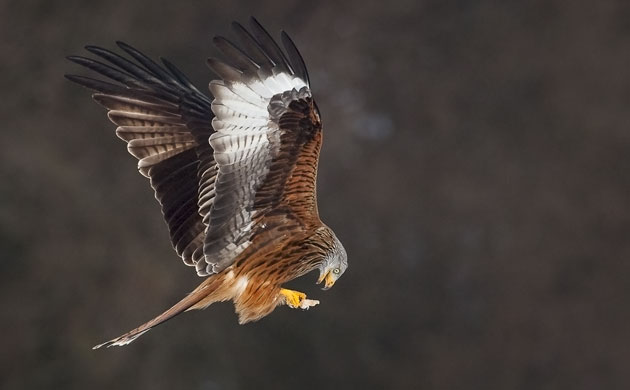
Recovered: The classic reintroduction success story. The red kite has been continually persecuted by humans, to the point of extinction at the end of the 19th century. But by 2009, the English population was up to about 800 pairs. Rivalled only by the large blue butterfly for the title of comeback king
Photograph: AnnMarie Jone/BWPA
Natural England Report: Lost Life: England’s lost and threatened wildlife
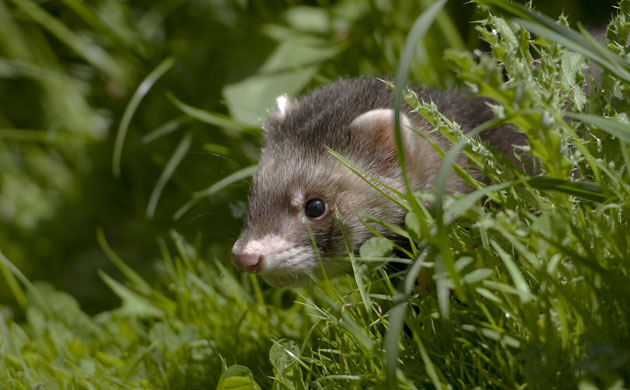
Recovered: The plucky polecat (Mustela putorius). Once extinct from England, this rather attractive weasel managed to recolonise naturally from just a few sites in Wales
Photograph: Robin Chittenden/FLPA
Natural England Report: Lost Life: England’s lost and threatened wildlife
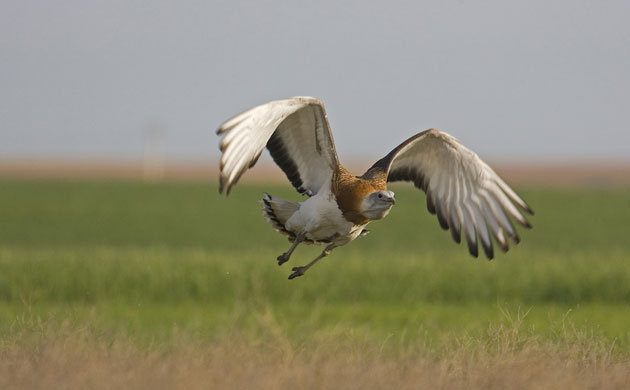
Recovered: Another bird back from extinction in England, the great bustard (Otis tarda). It is the world's heaviest flying animal – just look at those wings
Photograph: Roger Tidman/FLPA
Sign up to read this article
Read news from 100’s of titles, curated specifically for you.
Already a member? Sign in here
Related Stories
Top stories on inkl right now
One subscription that gives you access to news from hundreds of sites
Already a member? Sign in here
Our Picks
Fourteen days free
Download the app
One app. One membership.
100+ trusted global sources.