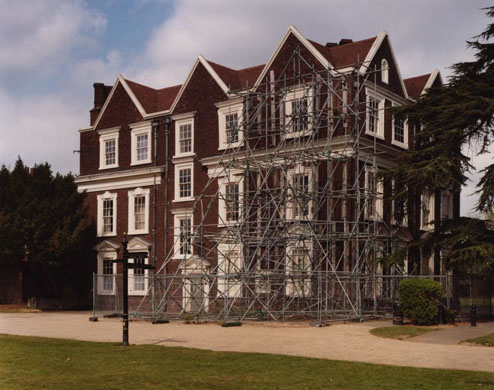
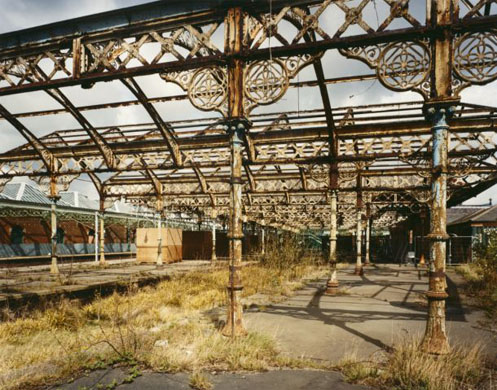
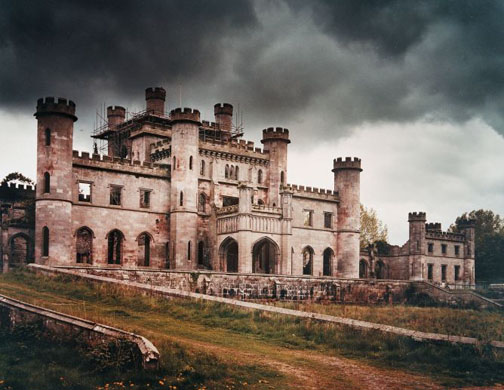
Boston Manor House, Hounslow. Grade I listed Boston Manor, built in 1623 and described as one of London's lesser-known gems, owned by Hounslow Council. It is partly used by the council for events but no use has been found for the building as a whole. It suffers from structural problems and works have been undertaken to stabilise the south and west elevationsPhotograph: English HeritageTynemouth Station, North Tyneside. A grand Victorian station, renowned for its extensive and highly decorative iron canopies, by William Bell, opened in 1882. A grade II listed building at risk requiring at least £3.5m to rescue itPhotograph: Barry Cawston/English HeritageLowther Caste, Nr Penrith, Cumbria. A Grade II building at risk. Unoccupied for over 50 years, the castle, built in gothic revival style by Robert Smirke, has fallen into dereliction. Work to prevent further decay is ongoing, as are plans to transform the ruins and gardensPhotograph: English Heritage
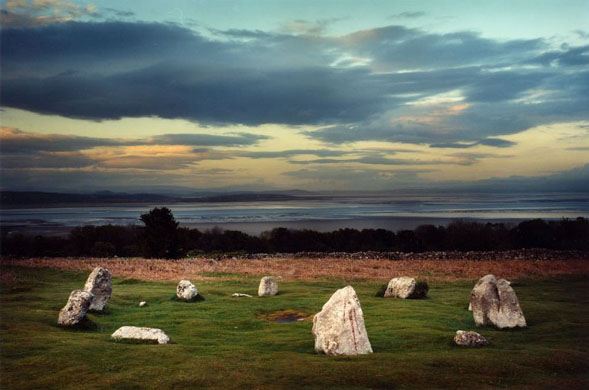
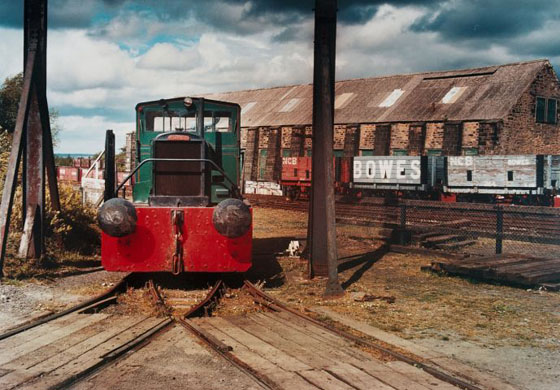
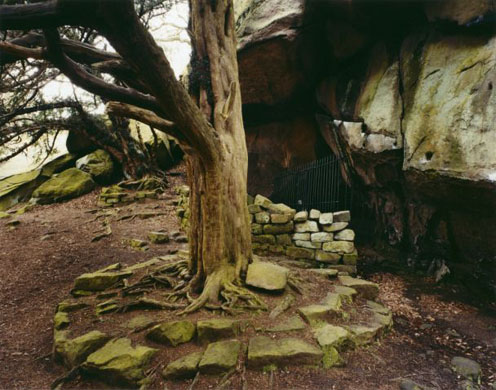
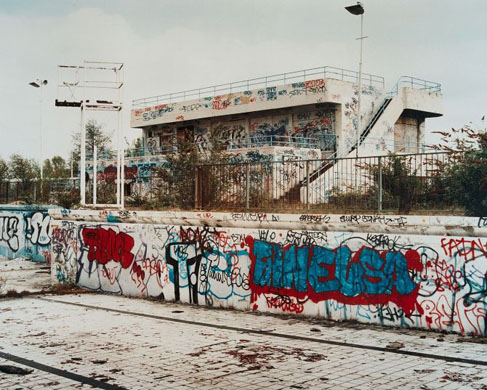
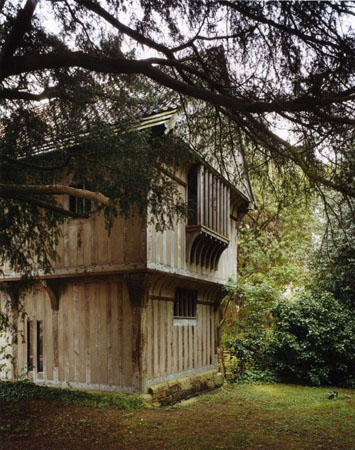
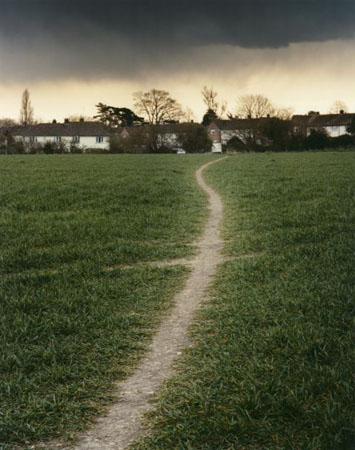
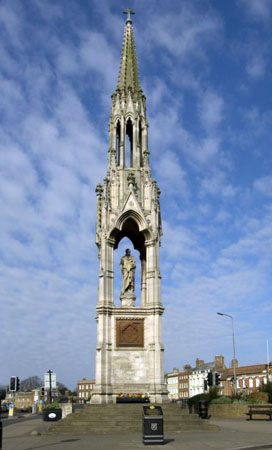
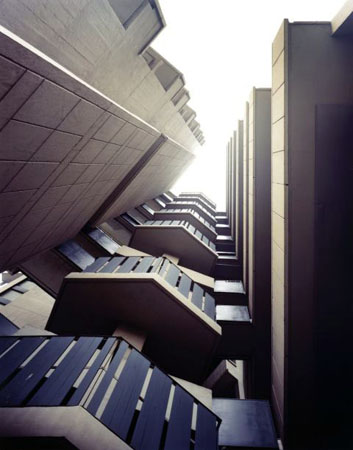
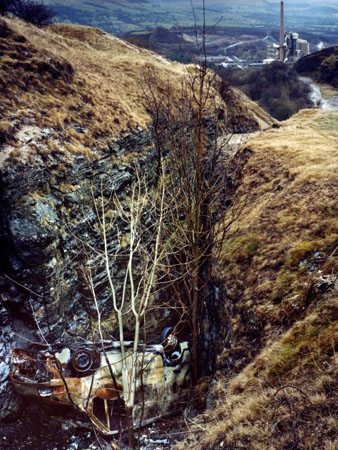
Birkrigg Stone Circle, Birkrigg Common, Cumbria. A prehistoric scheduled monument at risk from vandalism and bracken encroachment. Dating from BC 1700-1400, this important site is thought to have been used for burial. English Heritage has advised on methods of removing spray paintPhotograph: English HeritageBowes Railway Incline and Springwell Colliery, Gateshead. This world-class surviving example of a colliery railway is now a scheduled monument at risk because of severe erosion and vandalism. English Heritage and the owner are working on a solutionPhotograph: English HeritageCratcliff Rocks Hermitage, Harthill. This medieval cave which was once home to a group of pious hermits has a beautiful bas-relief crucifix which dates back to the 13th or possibly 14th century. This was vandalised a few years ago and has since been carefully cleaned and the interior of the cave digitally recorded, while railings have been erected to protect the crucifixPhotograph: English HeritageGrandstand, Uxbridge Lido, Park Road, Uxbridge. Grandstand with attached cafeteria, built in 1935. Designed by G Percy Trent in a nautical Moderne style. One of only two in the country. Vacant since the closure of the lido in 1998, English Heritage and the London Borough of Hillingdon are working in partnership to secure a scheme to reopen the pool and listed buildings as part of a new sports complexPhotograph: English HeritageThe Gatehouse, Bolton Percy, North Yorkshire: A 15th-century, grade II listed timber-framed gatehouse to the medieval rectory at Bolton Percy. Partly in ruin, it is to be repaired by the Vivat Trust, which intends to convert the gatehouse to a holiday cottagePhotograph: English HeritageNewbury Battlefield, West Berkshire. Registered battlefield and site of the 1643 first battle of Newbury (part of the English civil war) between Parliamentary and Royalist forces. The first battle of Newbury represented probably the best chance King Charles ever had of winning the war. Charles's defeat marked the turning point of the war. This is accordingly an important place in English history and is at risk from development pressuresPhotograph: English HeritageClarkson Memorial, Wisbech, Cambridge. Standing at 68 feet tall, the memorial celebrates the life of Thomas Clarkson, a native of Wisbech and anti-slavery campaigner. Completed in 1882, it is one of the last designs by Sir George Gilbert Scott. It is listed at Grade II and included on English Heritage's 'at risk' registerPhotograph: English HeritageKeeling House, Claredale Street, Tower Hamlets, London E2. A Grade II 16-storey block of flats, built 1957-59, designed by celebrated modernist architect Denys Lasdun. Keeling House was in decay and threatened by demolition in the early 1990s. Sold by Tower Hamlets Council to a private developer, the building is enjoying a new lease of life after being successfully refurbished as private flatsPhotograph: English HeritageAn abandoned van dumped in Pindale side vein. The remains of a 17th-century lead mine near Castleton, Derbyshire. This scheduled monument is an example of how lead was extracted before the 17th century and the introduction of gun powderPhotograph: English Heritage
Sign up to read this article
Read news from 100’s of titles, curated specifically for you.