It had just gone 1am in Paris and England were still caught up in the chaos of the Stade de France. The Saint-Denis side streets ringing the arena were a mess, a colourful cacophony of wailing sirens, honking horns and swirling impatience, with a team bus adorned with the cross of St George at the heart of the maelstrom.
The temptation would be to joke that England ended the Six Nations going nowhere, but a side in apparent retreat was given fresh impetus and direction on Saturday night. Trapped in traffic, Steve Borthwick and his squad will have had plenty of time to contemplate the campaign – they had spoken in optimistic overtones in its immediate aftermath, delighted to show what they claimed was a truer reflection of themselves at last. But based purely on the simplest of facts, this is the worst English team in recent history; never before had they ended a Six Nations with four defeats.
Solace was found in the fact that the wheels had not totally come off. It felt just to question England’s togetherness after their failure to respond to set-backs in this campaign; the performance in Paris was a necessary riposte. “It would have been so easy for us to splinter off,” vice-captain Jamie George admitted. “I've been part of any teams that have, and there's been whispers in corridors and there's been doubts about game plan and personnel. Honestly, there has been none of it. We've been clear. We've been confident in the people that we have, staff and players, and we have stayed so tight.”
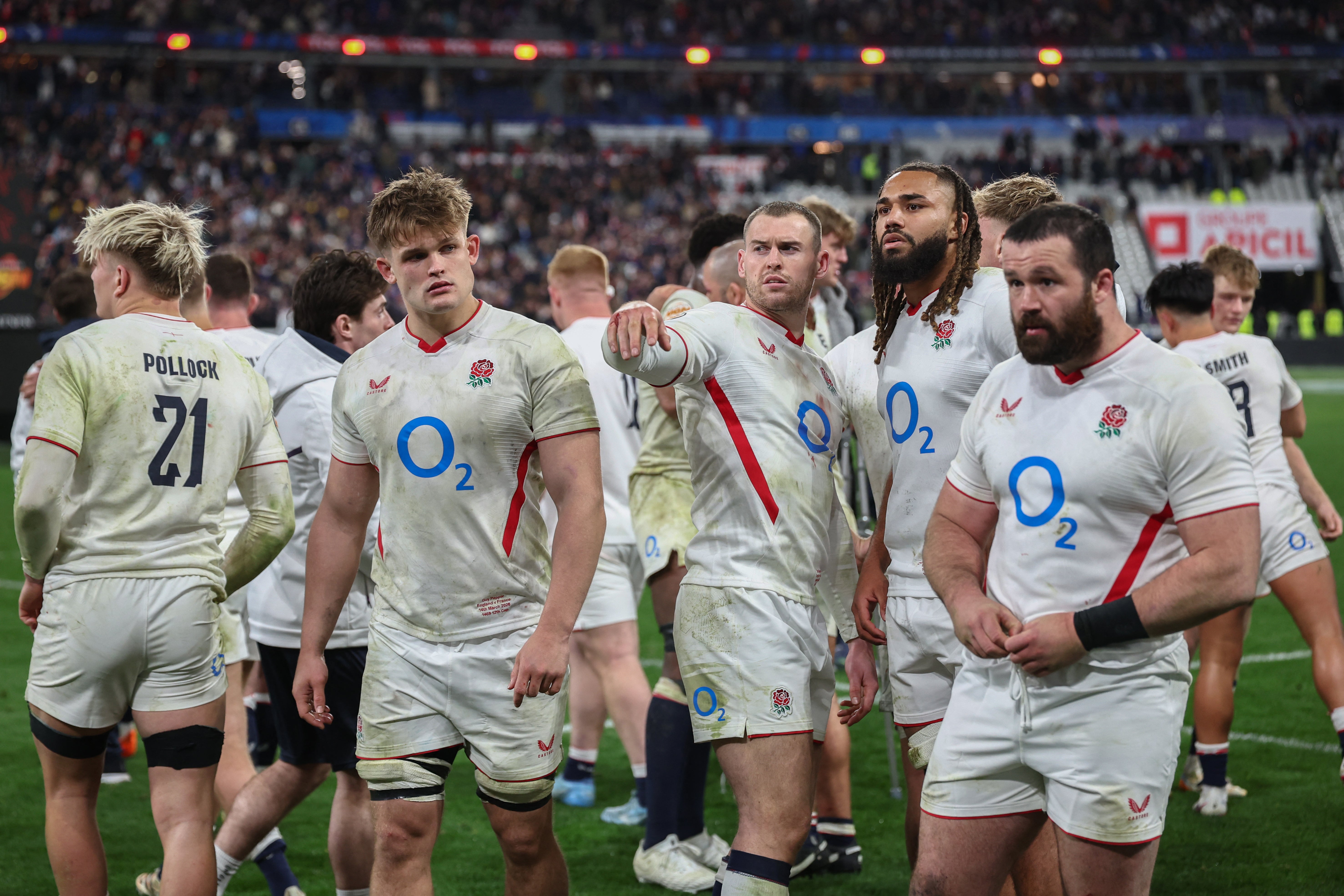
But within that came a frustration, too. England still lost in Paris. Why did this sort of showing only come after the inquest had already begun? For three weeks, Borthwick and his senior players had promised a reaction; only in a sort of shot-to-nothing did they deliver one. The same questions are being asked internally. “We know in this tournament that if you don’t perform, you get punished,” Jack van Poortvliet outlined. “The frustration is that we have performances like we had today in us. For whatever reason, particularly against Scotland and Ireland, we couldn’t deliver that. We’ll go through the reasons why, but today will give us confidence. But it will also give us frustration that we know we’ve got that in us. Why can’t we do that more often?”
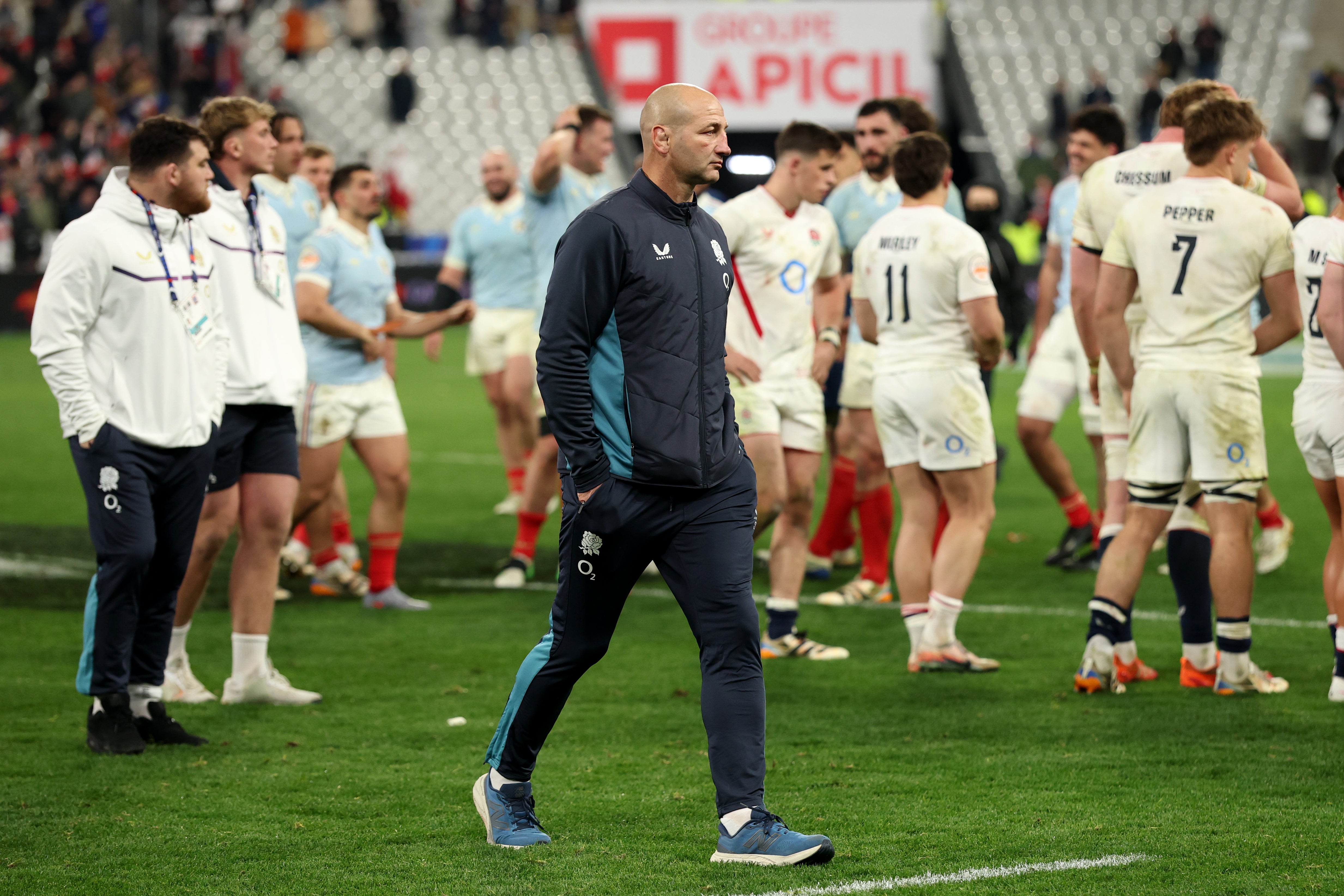
The Rugby Football Union (RFU) review process is well established, with input both from those at the union and independent experts. There will be no knee-jerk reactions even to a campaign of unwelcome firsts. The methodical Borthwick will be given a chance to explain what went wrong, and propose remedies to fix the problems. He would appear to have the strong backing of his squad – George spoke of him being the “perfect person” to turn them into World Cup contenders – and of most of those above him. But the hierarchy must hold the head coach and his players accountable, too. Their basics looked broken for much of this campaign, while questions have been raised about their conditioning and Test readiness, too.
It will surely be argued that Paris was not a one-off and instead a return to form: that the game plan used, that the intensity found, can be a blueprint for the future. Convincing his bosses of that will be one thing; Borthwick has a tougher job with a public who have not at all warmed to him. Within that may be a need to be more open an orator and environment – it is not the head coach’s style, but there are members of staff who are better communicators, which may address some of the issues around the perception of this England team.
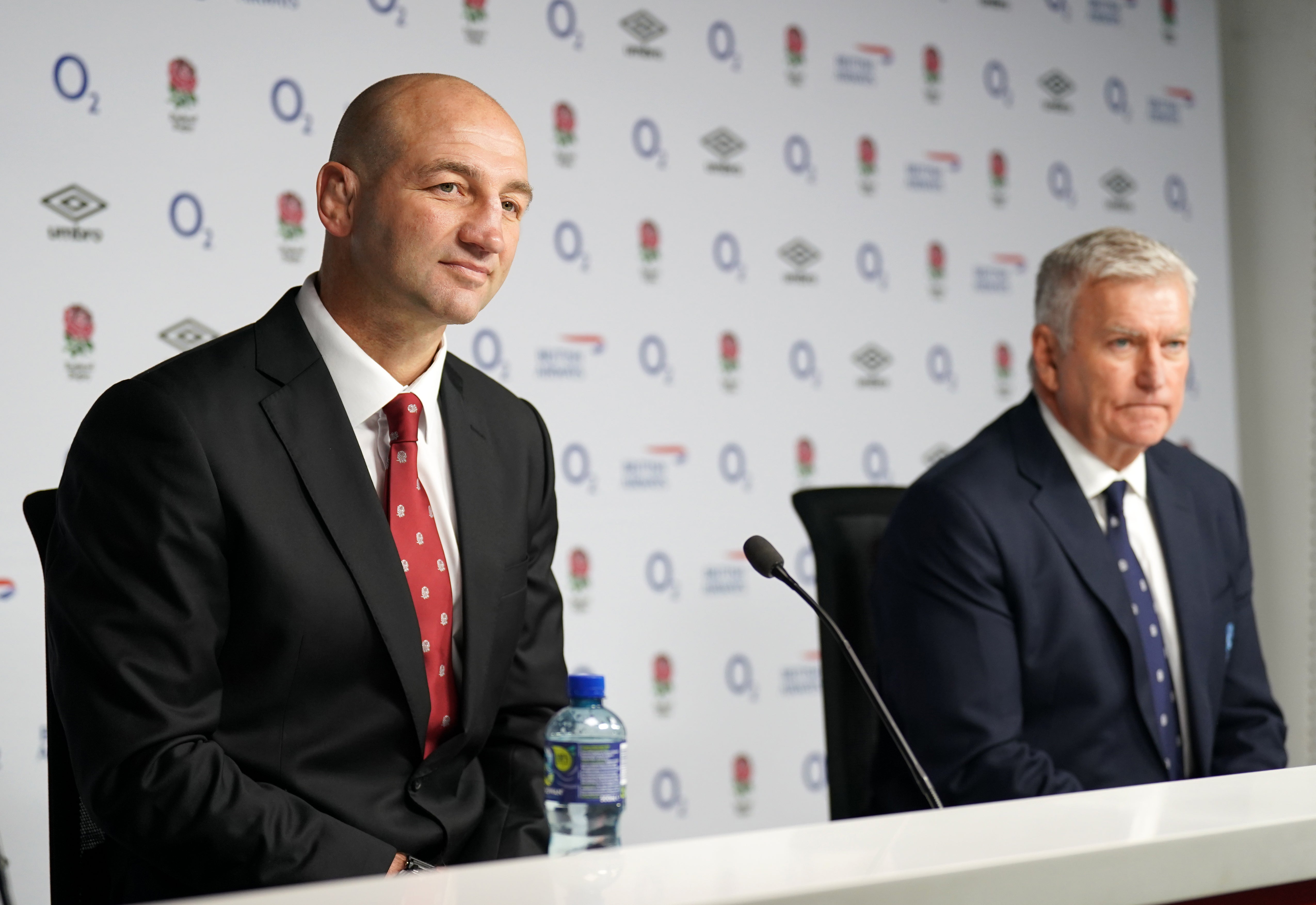
The RFU have thousands upon thousands of tickets to sale this autumn with England in action in Twickenham four times and the Nations Championship finals at the Allianz Stadium, too. Repairing the relationship with fans who feel let down after this campaign will be key – six editions without a Six Nations title is not good enough for a team of such resource.
It was notable that when a new strategic plan was set out in January by the RFU, it spoke not just of results of substance but of style: “The aim is not only to consistently win senior international competitions, but to do so in a way that inspires future generations and supports a thriving domestic game.” In this Six Nations, England achieved neither aim, and a bolder, braver team is clearly both desired and required.
England returned an average of 4.3 points from their 10 entries into the France 22 and Lee Blackett, the attack coach, deserves more time to work on making more consistent improvements in that regard as part of a settled staff. Tweaks will be required against less free-wheeling oppositions, and the defensive structure on the edges particularly is an ongoing concern, but the installation of Ollie Chessum on the blindside added maul muscularity, lineout variety and breakdown graft – for where the game is at, the back row combination feels a configuration to stick with.
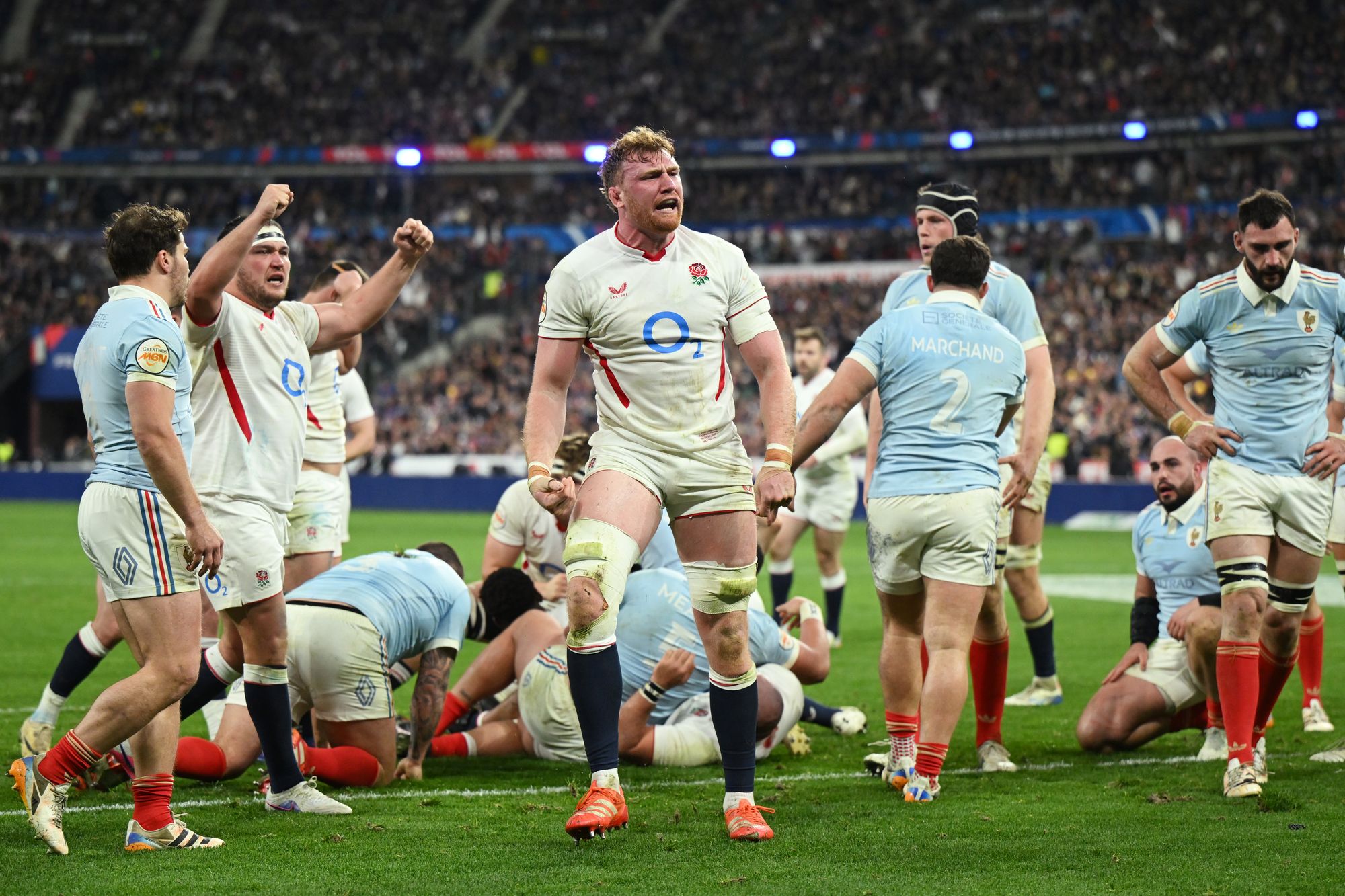
Indeed, one would not expect the pieces to change overly, which may feel a strange statement after a fifth-placed finish. Immanuel Feyi-Waboso, Fin Baxter and George Martin would all improve the 23, and probably George Furbank, too, if he can get back to full sharpness. Intriguingly, faces new and old will come available later in the year: Joe Marchant returns to the Prem from Top 14 and could well press for a place at outside centre; former All Blacks Hoskins Sotutu could add a new dimension at No 8 once he arrives at Newcastle; Benhard Janse van Rensburg will qualify on residency ahead of the autumn. There is no shortage of talent, clearly, and there may even be merit in giving Maro Itoje a summer off to rest and recharge.
The fight showed in France has probably bought Borthwick time to set a new strategy, who has three more matches in which to prove himself again. There is internal optimism about the summer ahead, even with the world champions South Africa first up in Johannesburg before meetings with Fiji and Argentina in the inaugural Nations Championship. It would somehow feel true to this England to go down to Ellis Park and knock off the Springboks; it may be required to restore real faith in what they could be.
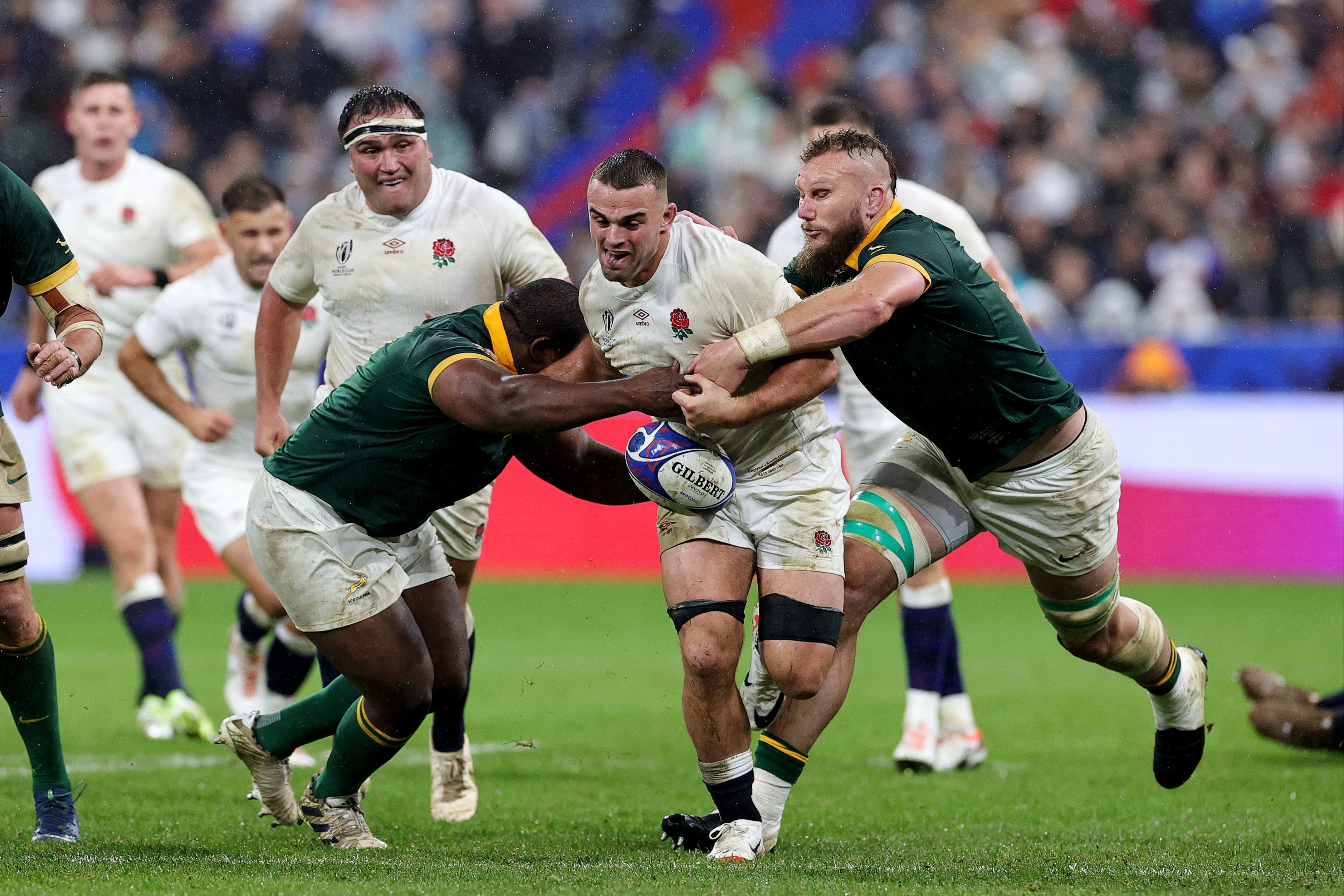
“Look, South Africa haven't played for 10 months,” George explained. “It's very difficult for us to comment on where they're at, but they are world-class. They're the best team in the world. Playing them in Johannesburg is a difficult place to play them. But what an amazing opportunity that we've got with a great group of players. I can't wait. I wish it was next week.”