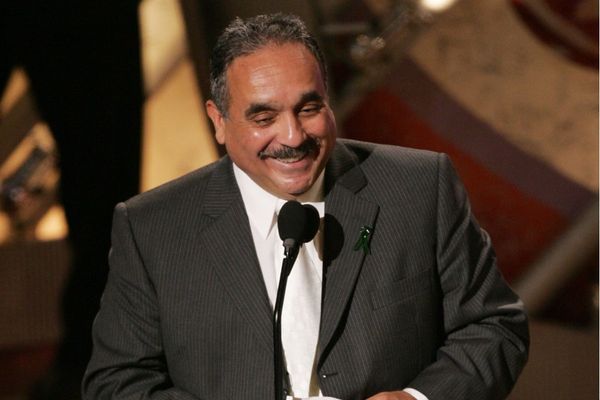
Former energy minister Piyasvasti Amranand has proposed an end to subsidised power rates for renewable power-generating firms, as power development costs continue to go down.
Thailand's renewable power firms have competed well with fossil-based power over the past five years, he said.
Mr Piyasvasti, who spearheaded a policy to promote renewable power as energy minister, said he now believes that the honeymoon period for renewable power should end.
Thailand started to promote renewable power in 2007 when the state utility paid an adder rate higher than the rate paid for fossil-based power to reflect the higher power development costs of renewable sources. The adder rate was changed to a feed-in tariff (FiT) rate in 2009.
Relatively high renewable power rates have encouraged many players to jump into the business, pushing total renewable power capacity to almost 9,880 megawatts as of June this year, a significant boost from the few megawatts the segment started with.
Renewable power in Thailand is mostly sourced through solar, wind, biomass, biogas and waste-to-power.
"Critics say renewable power prices are unrealistically high," Mr Piyasvasti. "But in fact, the price of renewable power has come to a competitive level compared with fossil-based power. The FiT rate has made the price of renewable power higher that it actually is."
He said policymakers should scrap the FiT rate and grant new licences to renewable energy developers based on real development costs.
Mr Piyasvasti said the real problem for the renewable power sector in Thailand is a lack of development in power storage, which especially affects the efficiency of solar power generation.
Many investors have jumped into the solar power business, particularly solar rooftop projects, though there is a limited time to generate energy and solar rooftop owners have not yet been allowed to sell surplus solar power to state utilities.
Mr Piyasvasti said that while the development of energy storage technology could take a long time, it will be worth the wait and the investment.