“Energy-saving” wash cycles could spread germs, new research suggests.
In a bid to be more eco-friendly, lots of people wash their clothes at lower temperatures but this means they are not hot enough to kill potentially dangerous bugs, scientists have warned.
Study lead author Dr Ricarda Schmithausen from Bonn University in Germany said: “Water temperatures used in home washers have been declining, to save energy, to well below 60C (140F), rendering them less lethal to pathogens.
“Resistance genes, as well as different microorganisms, can persist in domestic washing machines at those reduced temperatures.”
Scientists were alerted to the problem after pathogens were repeatedly transmitted to newborns in a neonatal intensive care unit at a German hospital. The transmission only stopped when the washing machine was removed from the hospital.
Researchers said it was a “highly unusual case” because hospitals normally use special washing machines that wash at high temperatures with disinfectants. Standard screening procedures revealed the presence of pathogens on infants in the intensive care unit which they then tracked to the washing machine.
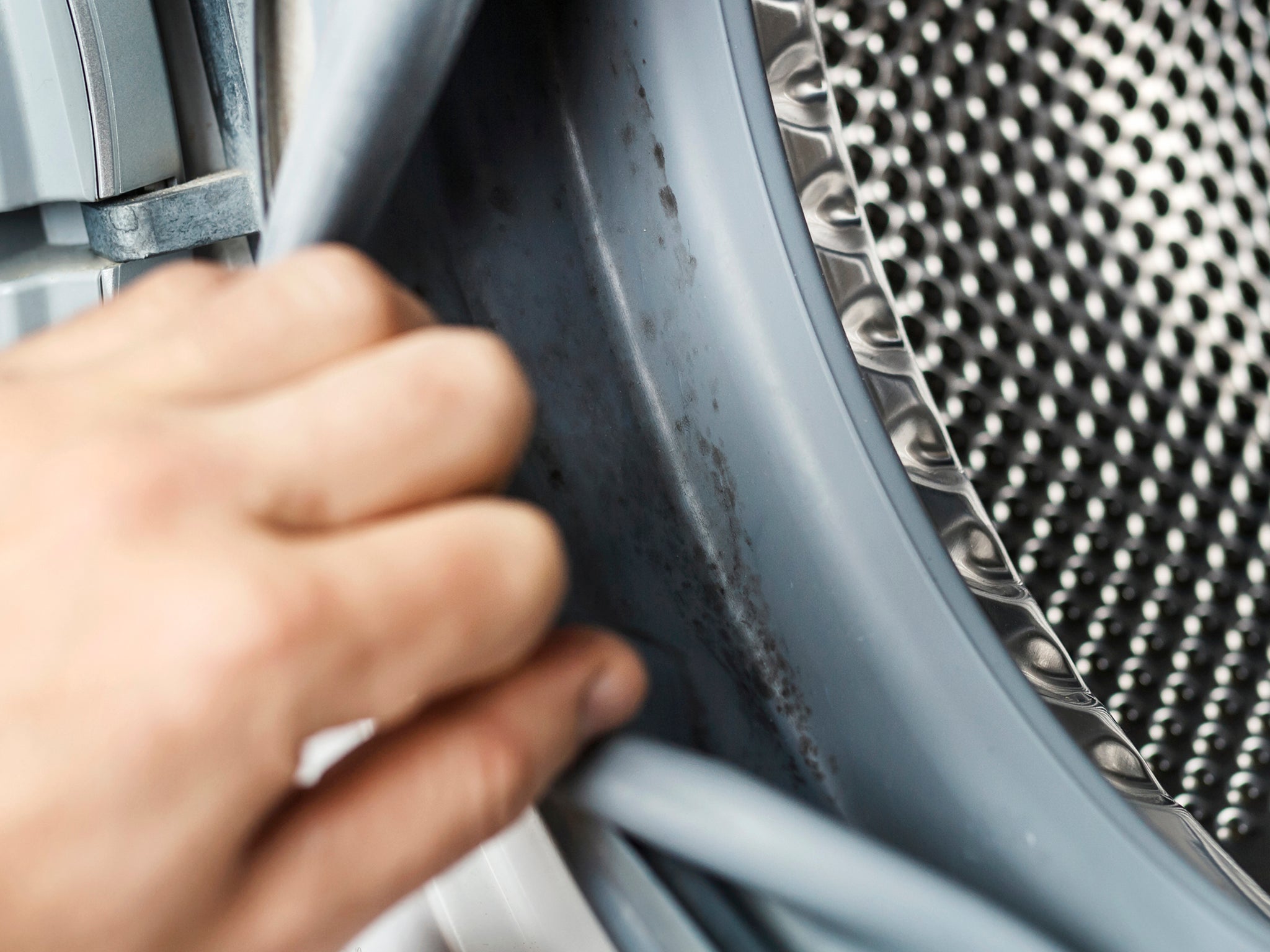
Leftover water lurking in the machine’s rubber seal was thought to be contaminating babies’ socks and knitted caps. The final rinsing process, which runs unheated, detergent-free water through the clothes, could also be spreading hostile bacteria.
The research, published in Applied and Environmental Microbiology, warns that microorganisms can also persist in domestic washing machines at reduced temperatures.
“If elderly people requiring nursing care with open wounds or bladder catheters, or younger people with suppurating injuries or infections live in the household, laundry should be washed at higher temperatures, or with efficient disinfectants, to avoid transmission of dangerous pathogens,” said Martin Exner, chair and director of the Institute for Hygiene and Public Health.
“This is a growing challenge for hygienists, as the number of people receiving nursing care from family members is constantly increasing,” he said.