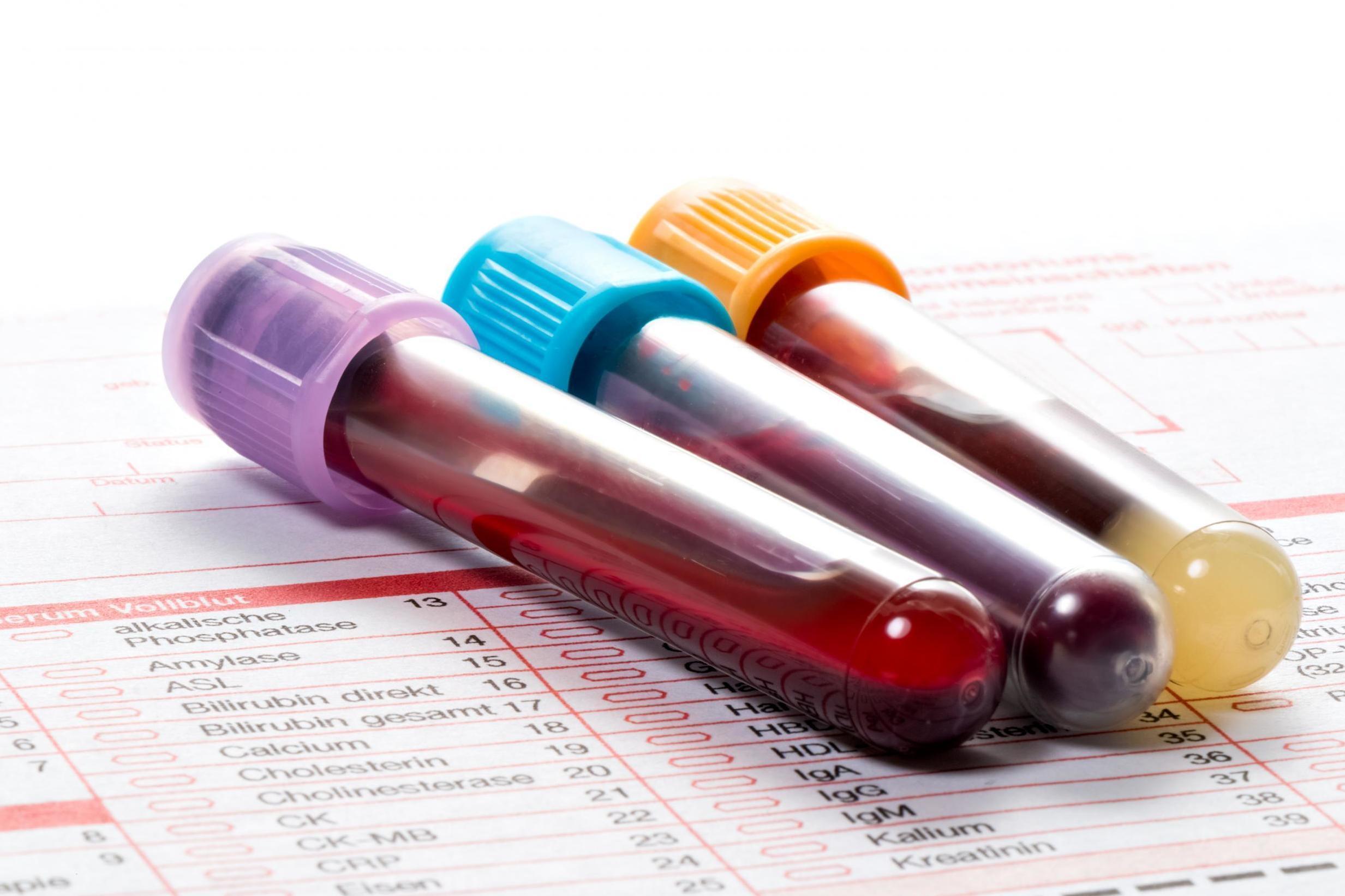
A new blood test that could diagnose endometriosis is being developed by scientists who claim it will be able to detect up to 90 per cent of cases.
Despite affecting 10 per cent of women of reproductive age worldwide, according to Endometriosis UK, endometriosis currently takes an average of 7.5 years to diagnose.
However, this may change as scientists at MDNA Life Sciences along with researchers at Oxford University recently announced success in using biomarkers as a diagnostic tool in detecting endometriosis.
The study, published in the journal Biomarkers in Medicine, analysed blood samples from 182 women preparing to undergo a laparoscopy for endometriosis, currently the only definitive way to diagnose the gynaecological condition.
According to the findings, the clinical trials proved successful in identifying biomarkers of endometriosis.
The next step, according to the researchers, is launching a blood testing kit for women who think they may suffer from the debilitating disease.
The test will be available to buy within nine to 10 months and will cost an estimated £250.
While the announcement of a blood test that could detect endometriosis is ground-breaking, experts have expressed concerns over the study’s sample size and claims, as well as the possibility it is offering “false hopes to women”.
Symptoms of the common gynaecological condition, for which there is currently no cure, include pelvic pain, pain during sex and/or menstruation.
In a statement, Emma Cox, CEO of Endometriosis UK, acknowledged that endometriosis is a “much under researched area” and that “new research is critical to driving diagnosis time down” - but that the blood test from MDNA may not be the answer.
“Whilst the research released today is an interesting study, it is a trial with a small sample size, and a much bigger study covering a diverse range of demographics would be needed to validate the findings,” she said. “Although a non-surgical test for endometriosis is urgently needed, we should not offer false hopes to women who may have already suffered for many years.”
Andrew Horne, a professor of gynaecology and reproductive sciences at the University of Edinburgh also raised questions regarding the study’s sample size.
In response to a tweet sharing the study’s findings, Horne wrote that the test study must be “viewed with caution”.
“A bigger study with a wide range of demographics is needed to validate the findings,” he wrote.
The Independent has contacted MDNA for comment.
You can learn more about endometriosis here.