Get all your news in one place.
100’s of premium titles.
One app.
Start reading
The Guardian - UK
The Guardian - UK
Environment

Endangered UK species wallchart

Endangered Species: Northern bluefin tuna
The northern or Atlantic bluefin tuna (Thunnus thynnus) is the largest of the tunas. In England, observations of bluefin tuna in the North Sea date back to 1912, when government fisheries staff recorded bluefin schools feeding on the herring falling from fishing nets. They had little value then and were often used for pet food or discarded. The abundance of bluefin tuna in the waters around England is now considered too low to support commercial or recreational fishing. While factors such as ocean temperature changes may have affected the population, the main reason for the collapse is thought to be overfishing
Photograph: Brin Edwards/Guardian
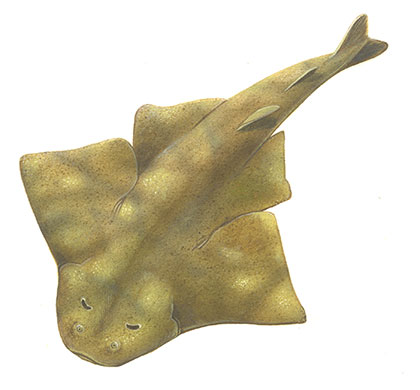
Endangered Species: Angel shark Brin Edwards
The angel shark (Squatina squatina) is critically endangered. Because they lie on the sea floor, angel sharks are particularly vulnerable to by-catch by trawl fisheries, an activity that has increased in the last 50 years. As a result, numbers of angel sharks have declined dramatically, and have even been declared extinct in the North Sea
Photograph: Brin Edwards/Guardian
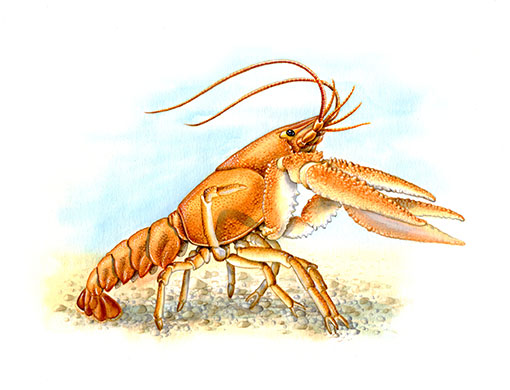
Endangered Species: Crayfish
Britain's native species, the white-clawed crayfish (Austropotamobius pallipes), has been all but wiped out by the introduction of the larger, more aggressive American signal crayfish
Photograph: Sandra Pond/Guardian
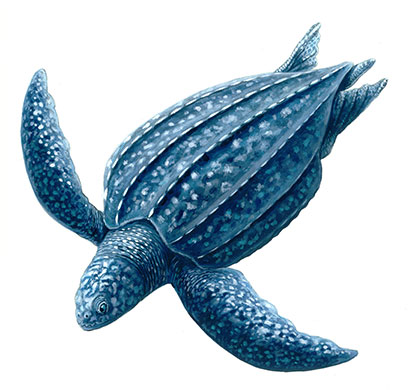
Endangered Species: Leatherback turtle
Leatherback turtles (Dermochelys coriacea) feed almost exclusively on jellyfish and are listed as critically endangered. Leatherbacks face huge threats to their survival, including habitat destruction and disturbance at their tropical nesting beaches. They can get entangled and drown in fishing gear and die from starvation when they eat plastic litter. There have been sightings of leatherbacks off the coast of Devon and Cornwall and researchers say warmer waters could make the species an even more frequent visitor to the UK
Photograph: Brin Edwards/Guardian
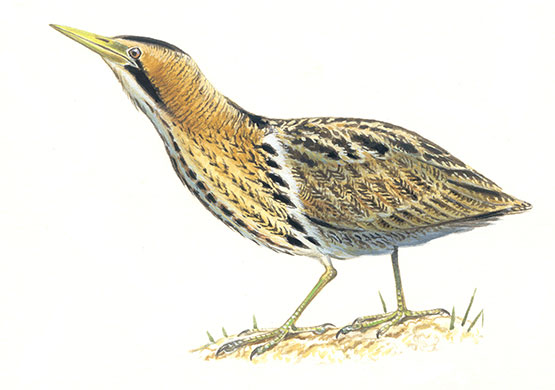
Endangered Species: Bittern
The bittern (Botaurus stellaris), one of Britain's rarest birds, is booming again after research revealed record numbers across the country. The bittern – which is closely related to the heron – was declared extinct in the UK in the 1880s
Photograph: Sandra Pond/Guardian

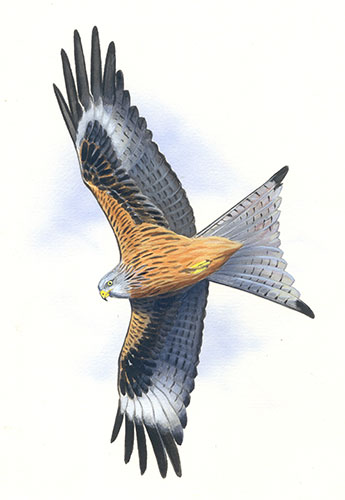
Endangered Species: Red kite
Once a common scavenger, even abundant in our largest cities, the red kite was lost from England by the close of the 19th century. The birds were relentlessly persecuted for supposedly preying on livestock. Persecution intensified with the advent of game-shooting in the late 18th century and, as they became rare, kite skins, nests and eggs became highly prized, accelerating their decline. The birds had all disappeared from England by about 1870. Breeding populations have now been established in several areas of England through a major re-introduction programme
Photograph: Brin Edwards/Guardian
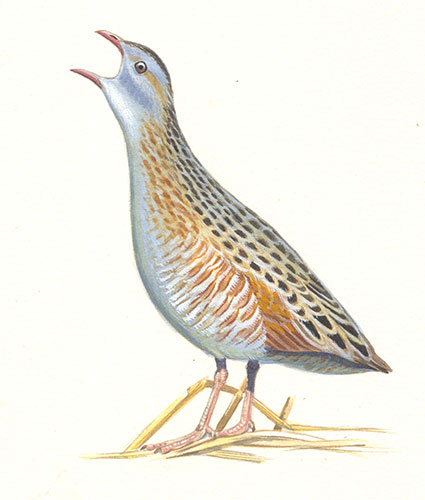
Endangered Species: Corncrake amended
The corncrake (Crex crex) once bred in meadows and grasslands in almost all English counties. But a decline in numbers was readily apparent by the start of the 20th century, caused by the mechanisation and intensification of grassland management. Corncrakes are extremely reluctant to break cover, so many adults and chicks were killed and nests destroyed by machinery. The simple measures of cutting fields from the inside outwards, late cutting and the provision of tall vegetation at field margins have seen corncrake numbers increase substantially in the Western Isles of Scotland and a number of nature reserves and adjacent farmland in England
Photograph: Sandra Pond/Guardian
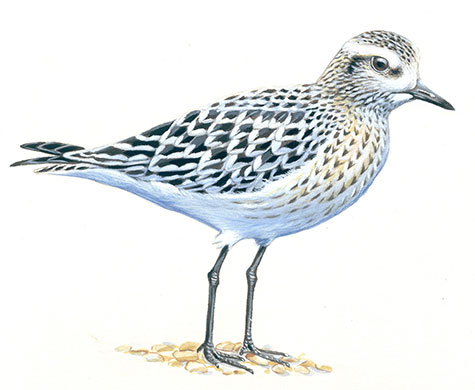
Endangered Species: Grey plover
Internationally important numbers of grey plover (Pluvialis squatarola) regularly overwinter in England. Conservationists anticipate significant change in numbers and distribution as the UK's climate changes
Photograph: Brin Edwards/Guardian
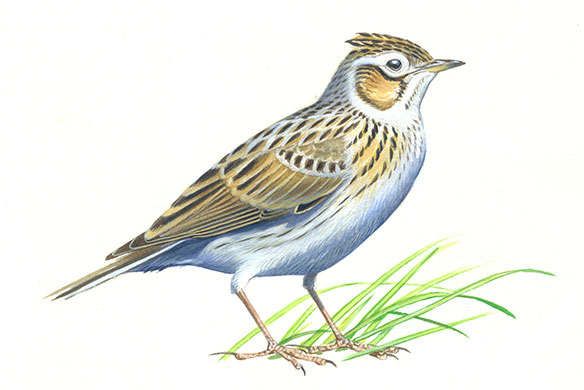
Endangered Species: Skylark
Skylark (Alauda arvensis) populations are declining in almost all countries of northern and western Europe. The main cause of this decline is considered to be the widespread switch from spring to autumn-sown cereals, which has resulted in a dramatic reduction in the number of chicks raised each year
Photograph: Brin Edwards/Guardian
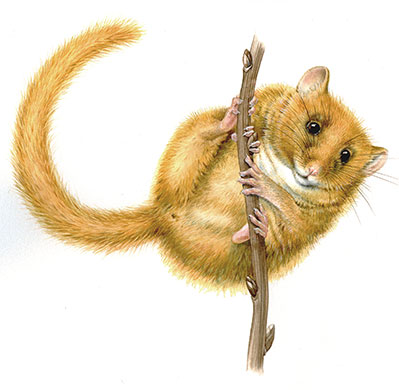
Endangered Species: Dormouse
The hazel, or common, dormouse (Muscardinus avellanarius) has disappeared from most of northern England, but is recovering nationally through a species recovery programme. The species has declined due to loss and fragmentation of their woodland habitat and changes in woodland and hedgerow management practices
Photograph: Sandra Pond/Guardian

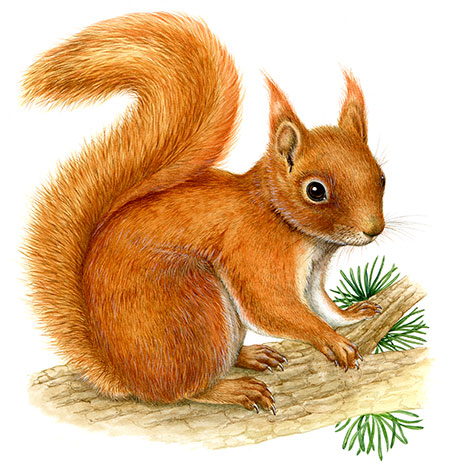
Endangered Species: Red Squirrel
The red squirrel (Sciurus vulgaris) is native to England and was widespread here until about 70 years ago. In the last quarter of the 19th century, the grey squirrel was introduced to various parts of the UK from North America. It has had a devastating impact, replacing the native species whenever the two come into contact and causing significant damage to forestry through its bark-stripping activities. The red squirrel is now confined to the Isle of Wight and the Poole Harbour islands, where there are no grey squirrels, and an area of northern England, mainly in Cumbria and Northumberland, into which grey squirrels are continuing to expand
Photograph: Sandra Pond/Guardian

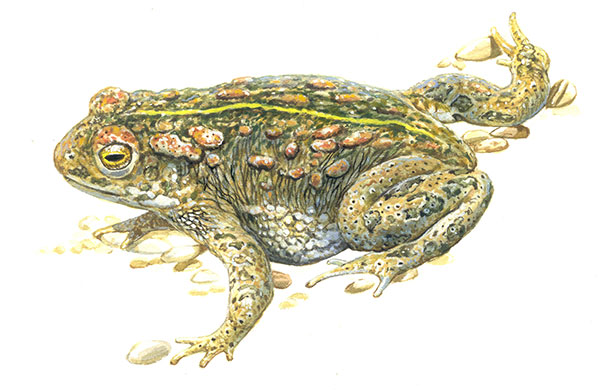
Endangered Species: Natterjack toad
The Natterjack toad (Epidalea calamita). At the start of the 20th century, the strident call of natterjack toads could be heard in many areas with shallow, temporary pools in a sandy landscape in parts of the southern and eastern counties, and along the Irish Sea coast. There has since been a substantial decline of natterjack habitat, due to agricultural intensification, pond acidification and development for housing, holiday parks and golf courses. In the space of a century, natterjacks had lost around 80% of their range. By 1970, only 43 natterjack populations remained in England. Many colonies that survived were reduced in size, connectivity and security
Photograph: Brin Edwards/Guardian
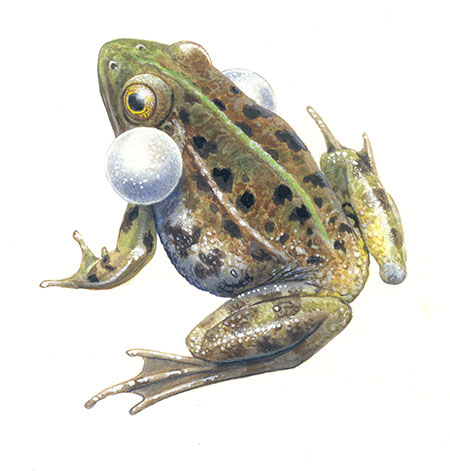
Endangered Species: Pool frog
Pool frog (Pelophylax lessonae) populations in England declined dramatically following fenland drainage, loss of grazing, habitat destruction and, latterly, collection. The last native population – at Thompson Common, in Norfolk – was lost in the mid-1990s. Re-introduction to a carefully prepared Norfolk site took place during 2005-08, using pool frogs collected in Sweden under special permission. The early signs of success are encouraging and the frogs have bred successfully
Photograph: Brin Edwards/Guardian
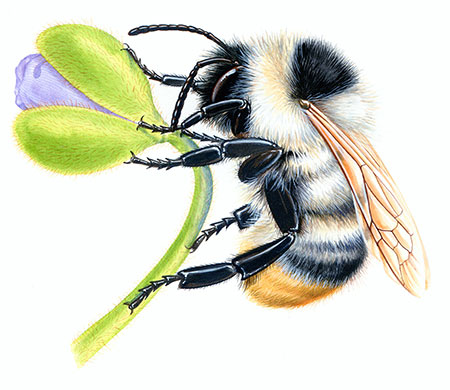
Endangered Species: Shrill Carder Bumblebee
The shrill carder bumblebee (Bombus sylvarum) was formerly widespread across southern England, but declined by 75% between 1970-90 and 1990-2000 due to loss of unimproved flower-rich grassland
Photograph: Sandra Pond/Guardian
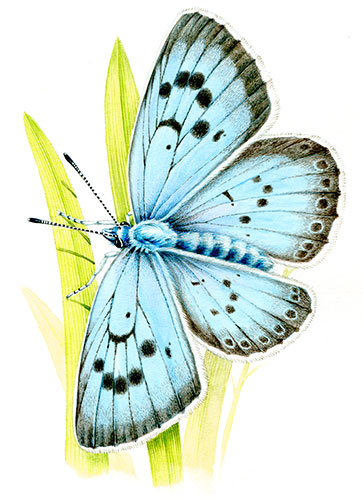
Endangered Species: Large Blue Butterfly
The large blue butterfly (Phengaris arion) used to inhabit most counties across southern England in scattered colonies. Changes in agricultural practices, urbanisation, quarrying and collecting saw colonies in Kent, Hampshire, Buckinghamshire and Bedfordshire lost by 1830. The very last surviving colony on south Dartmoor finally died out in 1979. A re-establishment project has seen the large blue returned to 35 sites in south-west England by 2009
Photograph: Sandra Pond/Guardian
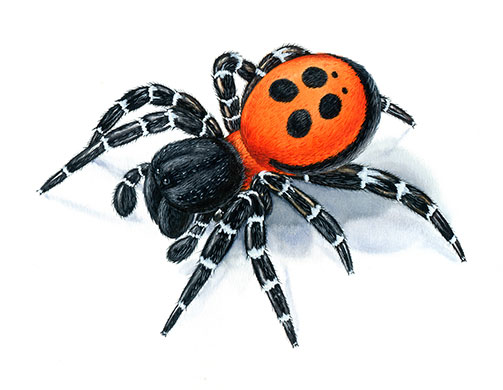
Endangered Species: Ladybird Spider
Male ladybird spiders (Eresus cinnaberinus) - have similar markings to a ladybird. This rare and protected species is found on a very small number of heathland sites in Dorset
Photograph: Sandra Pond/Guardian
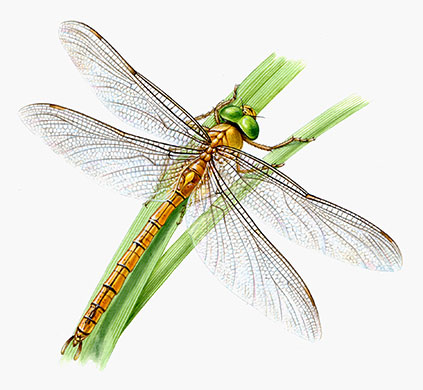
Endangered Species: Norfolk Hawker
The Norfolk Hawker (Aeshna isosceles) is one of two brown hawker dragonflies found in Britain. The rare species breeds in fen and grazing marsh dyke systems in east Norfolk and east Suffolk
Photograph: Sandra Pond/Guardian
Endangered Species: Ramshorn snail
The less whirlpool ram’s-horn snail (Anisus vorticulus) has always been a very local species in Britain. It formerly occurred at around 15 sites in south-east England, but has declined for reasons that are not fully understood, and is now restricted to a few locations in Norfolk, Suffolk and Sussex
Photograph: Sandra Pond/Guardian
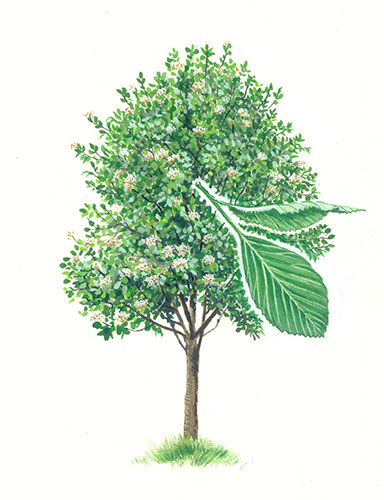
Endangered Species: Whitebeam
Whitebeam (Sorbus aria). Found mostly on steep slopes and in thin soils overlying limestone, whitebeams - characterised by their white-backed leaves - burst into bunches of snowy blossom in spring. Of the 60-odd species of tree native to Britain, 12 are recorded as endangered - and all are species of whitebeam
Photograph: Sandra Pond/Guardian

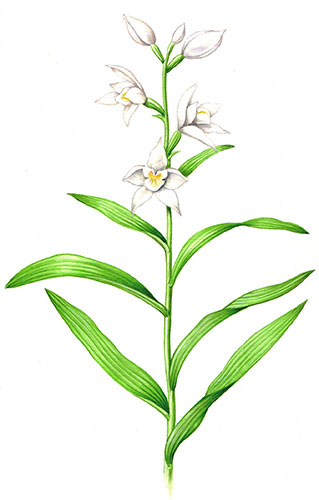
Endangered Species: Narrow- leaved helleborine
The narrow-leaved helleborine (Cephalanthera longifolia) is an orchid with long narrow leaves and oval white flowers that has declined greatly in the last 30 years. Populations can now be found at about 80 sites, but almost half of these have only two or three plants and are not likely to survive much longer. It is under threat from the neglect of woods, which has lead to the disappearance of glades and the thickening of tree cover
Photograph: Sandra Pond/Guardian

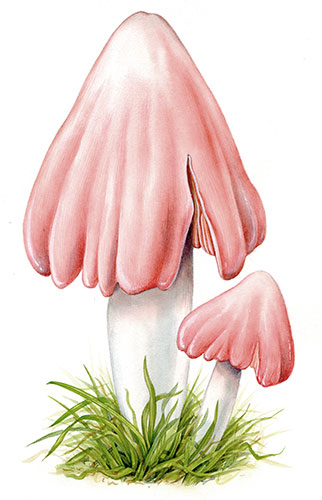
Endangered Species: Pink Waxcap
The pink waxcap's (Hygrocybe calyptriformis) main habitats include lawns, grassy meadows, pastures and woodland margins. Pink waxcaps are the rarest species, but thought to be better represented in the UK than anywhere in the world. They can be seen in good numbers in country house and stately home gardens, including Petworth House, Sussex, and Charles Darwin's former home, Down House, in Kent. Over the past few years, the National Trust has asked the British public to go waxcap-spotting to discover whether the colourful fungus is making a comeback
Photograph: Sandra Pond/Guardian
Sign up to read this article
Read news from 100’s of titles, curated specifically for you.
Already a member? Sign in here
Related Stories
Top stories on inkl right now
One subscription that gives you access to news from hundreds of sites
Already a member? Sign in here
Our Picks
Fourteen days free
Download the app
One app. One membership.
100+ trusted global sources.