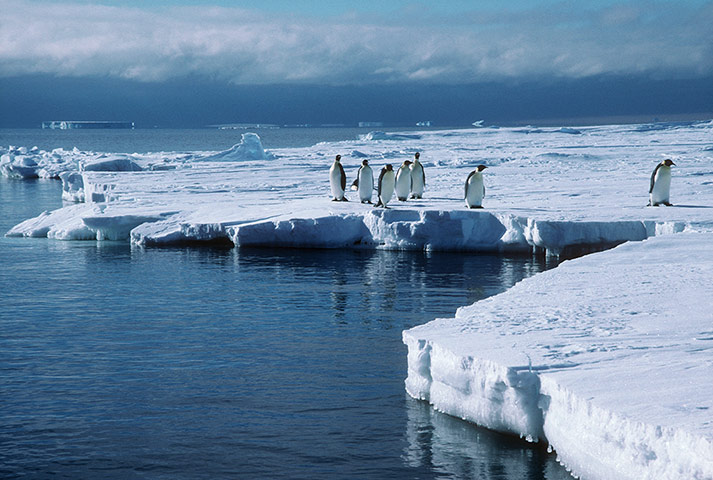
Emperor penguins become first creatures to be counted from space
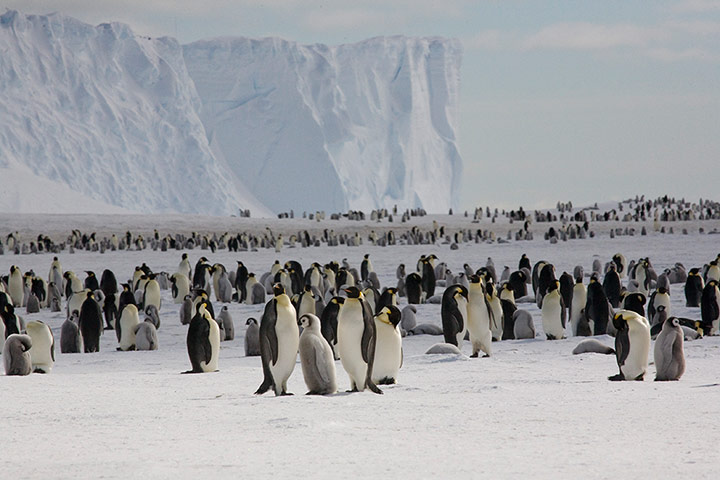
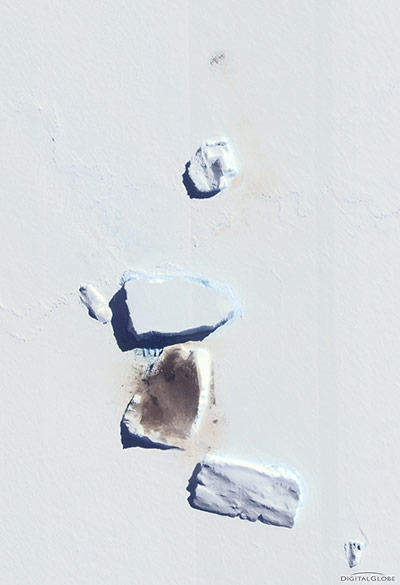
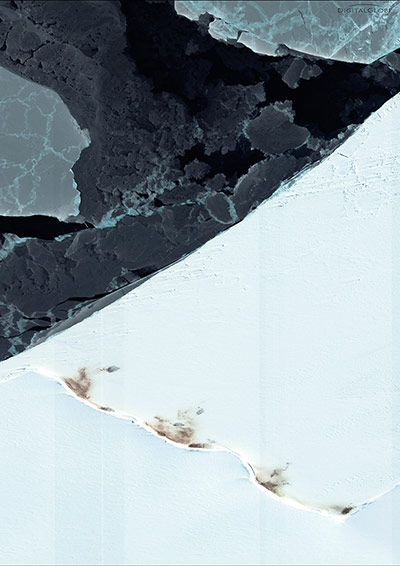
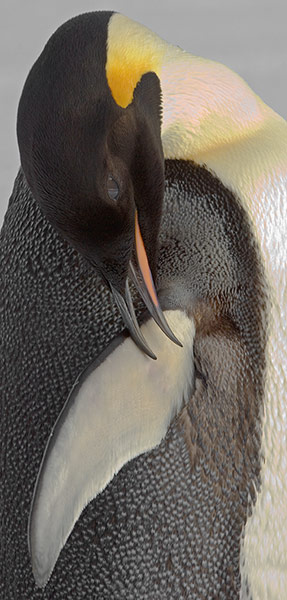
New research using very high resolution satellite images has revealed almost double the number of Emperor penguins living in Antarctica - 595,000 birds - compared to the last survey in 1992Photograph: British Antarctic SurveyThe work revealed seven previously unknown colonies and analysed 44 colonies in total. The study, conducted by scientists at the British Antarctic Survey and international colleagues, is published in the journal PloS ONEPhotograph: British Antarctic SurveyEmperor penguins with their black and white plumage stand out against the ice and colonies, such as this one at Halley Bay, are clearly visible on satellite imageryPhotograph: DigitalGlobe/British Antarctic Survey
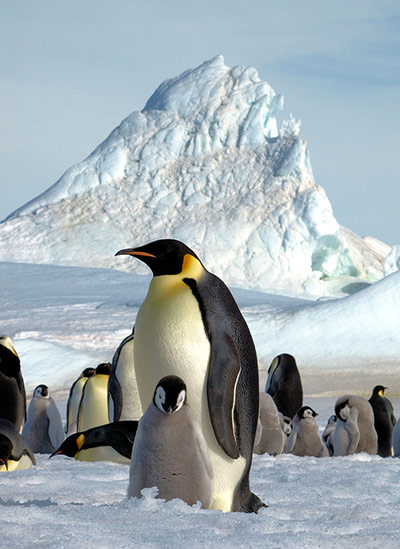
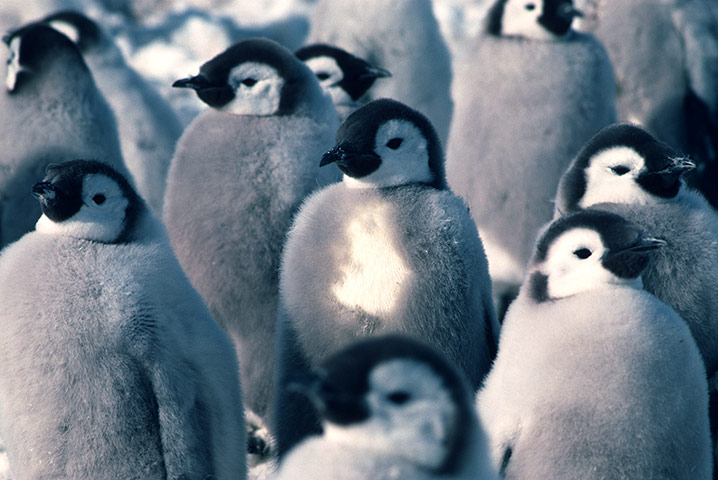
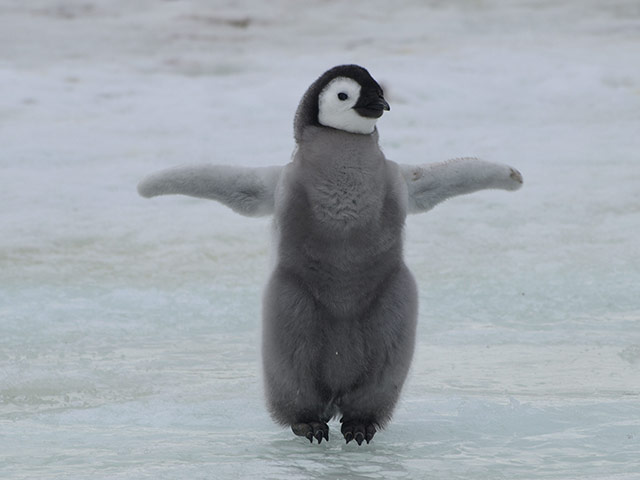
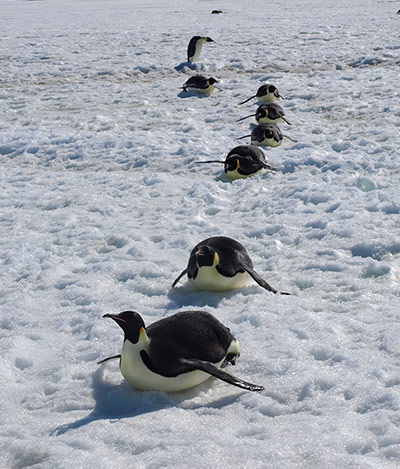
The science teams were able to differentiate between birds, ice, shadow and penguin guano (droppings) by using a digital technique called pan-sharpeningPhotograph: DigitalGlobe/British Antarctic SurveyScientists then used population counts on the ground and detailed aerial photography to calibrate the analysis of the satellite imagesPhotograph: British Antarctic SurveyBeing able to assess the total number of birds from space is valuable because the penguins breed in remote and often inaccessible areas, with temperatures as low as -50°C, and so are very hard to study on the groundPhotograph: DigitalGlobe/British Antarctic Survey"The method we used is an enormous step forward in Antarctic ecology because we can conduct research safely and with little environmental impact, and determine estimates of an entire penguin population,” said Michelle LaRue from the University of MinnesotaPhotograph: British Antarctic SurveyBritish Antarctic Survey biologist Phil Trathan said: “Current research suggests that emperor penguin colonies will be seriously affected by climate change. An accurate continent-wide census that can be easily repeated on a regular basis will help us monitor more accurately the impacts on this iconic species”Photograph: British Antarctic SurveyEmperors are the only penguin species to breed through the Antarctic winter. They form large colonies on the sea-ice, with the female laying a single egg and passing it to the male for incubation. The females then go to the sea to feed, and return around the time when the chicks are due to hatch, nine weeks laterPhotograph: British Antarctic SurveyScientists are concerned that in some regions of Antarctica, earlier spring warming is leading to loss of sea ice habitat for emperor penguins, making their northerly colonies more vulnerablePhotograph: British Antarctic Survey
Sign up to read this article
Read news from 100’s of titles, curated specifically for you.