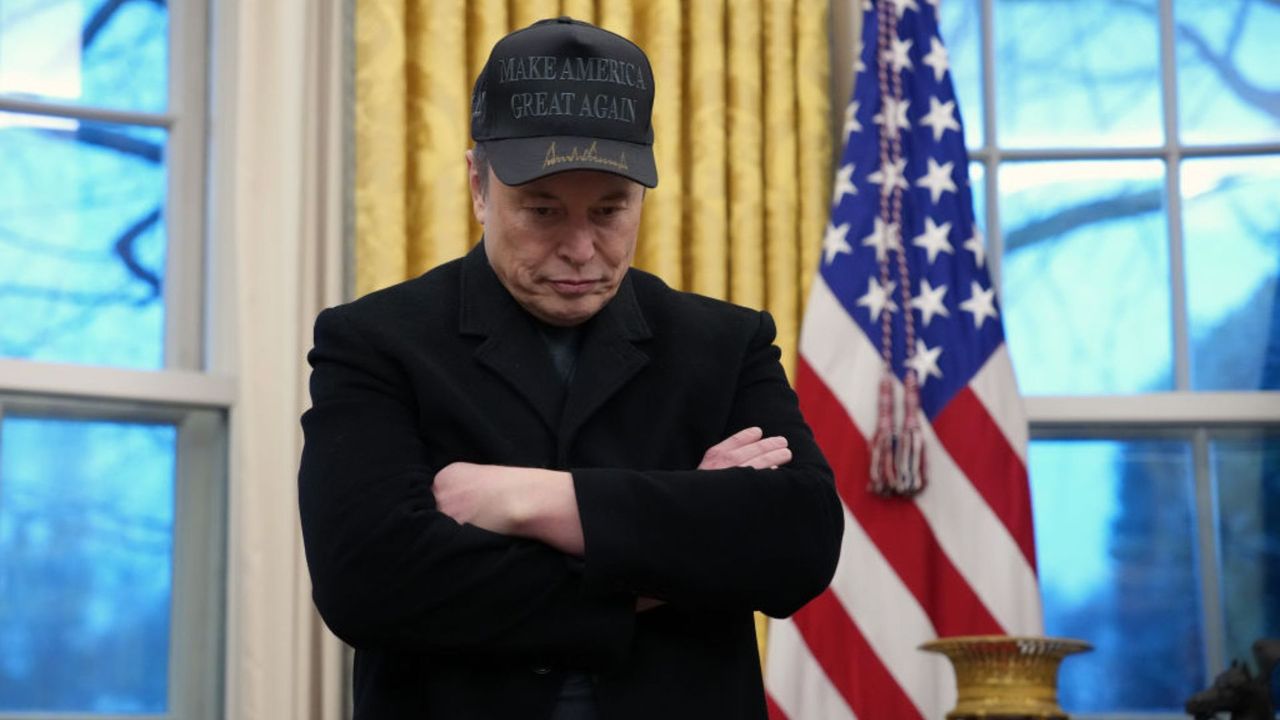
Elon Musk has officially lost his high-profile lawsuit against OpenAI and CEO Sam Altman — marking one of the biggest legal moments in the modern AI race so far.
According to Reuters, a California jury unanimously ruled in favor of OpenAI after Musk accused the company of abandoning its original nonprofit mission and prioritizing profit over humanity. The verdict reportedly came after less than two hours of deliberation.
The case centered around Musk’s claim that OpenAI’s transformation from a nonprofit research lab into a commercial AI powerhouse violated the company’s founding principles. Musk had also challenged OpenAI’s deep partnership with Microsoft and sought enormous financial damages.
Instead, the jury concluded Musk waited too long to file the lawsuit, effectively ending one of the most closely watched legal battles in tech.
But the real story here may be much bigger than the courtroom itself.
Beyond the lawsuit — a battle over who controls AI
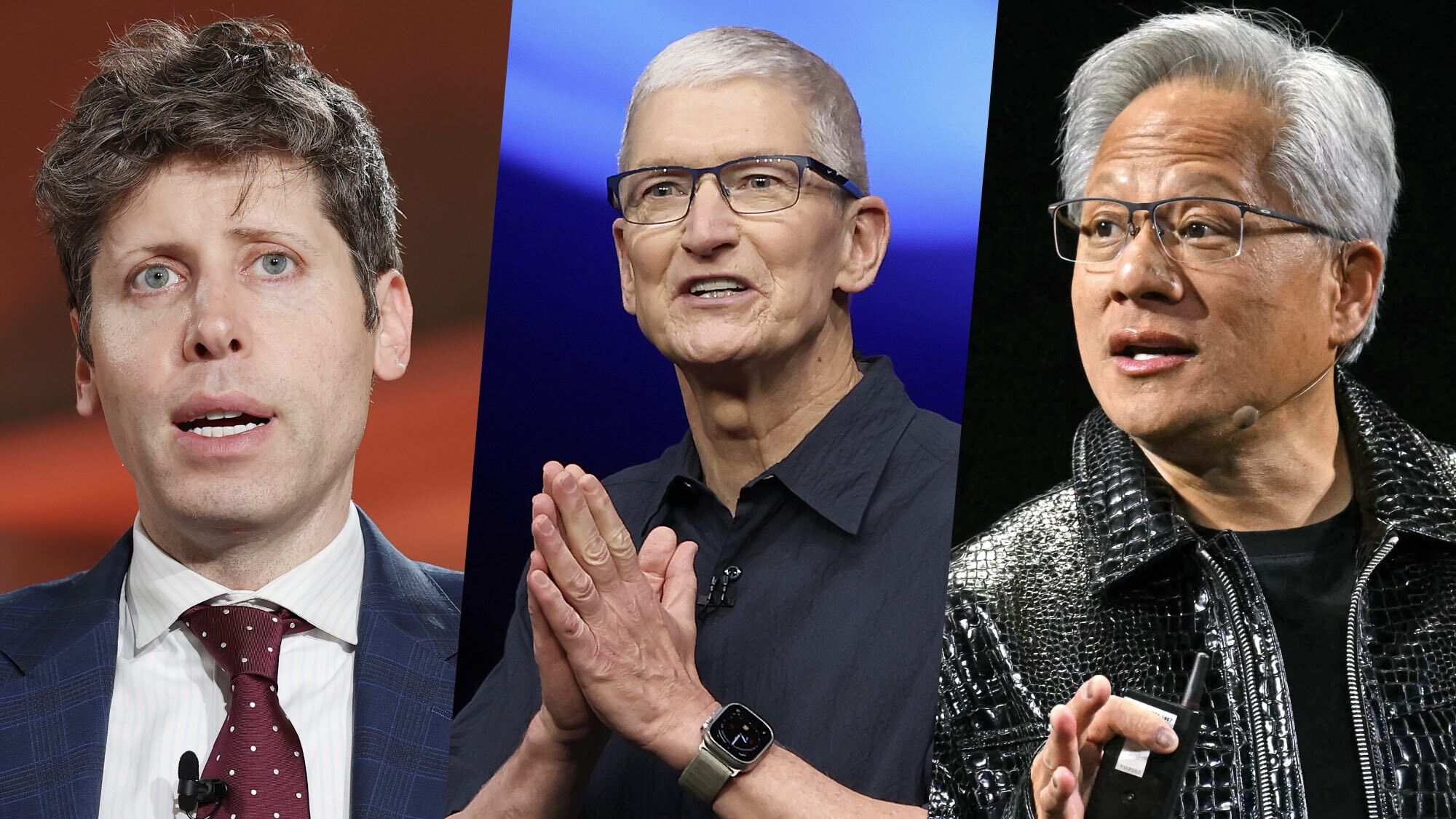
At its core, this case represented two completely different visions of artificial intelligence.
Musk has repeatedly warned that advanced AI could become dangerous if controlled by profit-driven companies. OpenAI, meanwhile, argues that building cutting-edge models requires enormous amounts of capital, infrastructure and commercial partnerships.
The trial reportedly included testimony from major Silicon Valley figures, including Altman, OpenAI President Greg Brockman and Microsoft CEO Satya Nadella. It also exposed years of internal disagreements, failed takeover attempts and power struggles dating back to OpenAI’s earliest days.
Ironically, Musk is no longer just an outsider criticizing OpenAI. Through his own company, xAI, he’s now competing directly in the same AI arms race he once warned about.
Why this matters more than ever right now
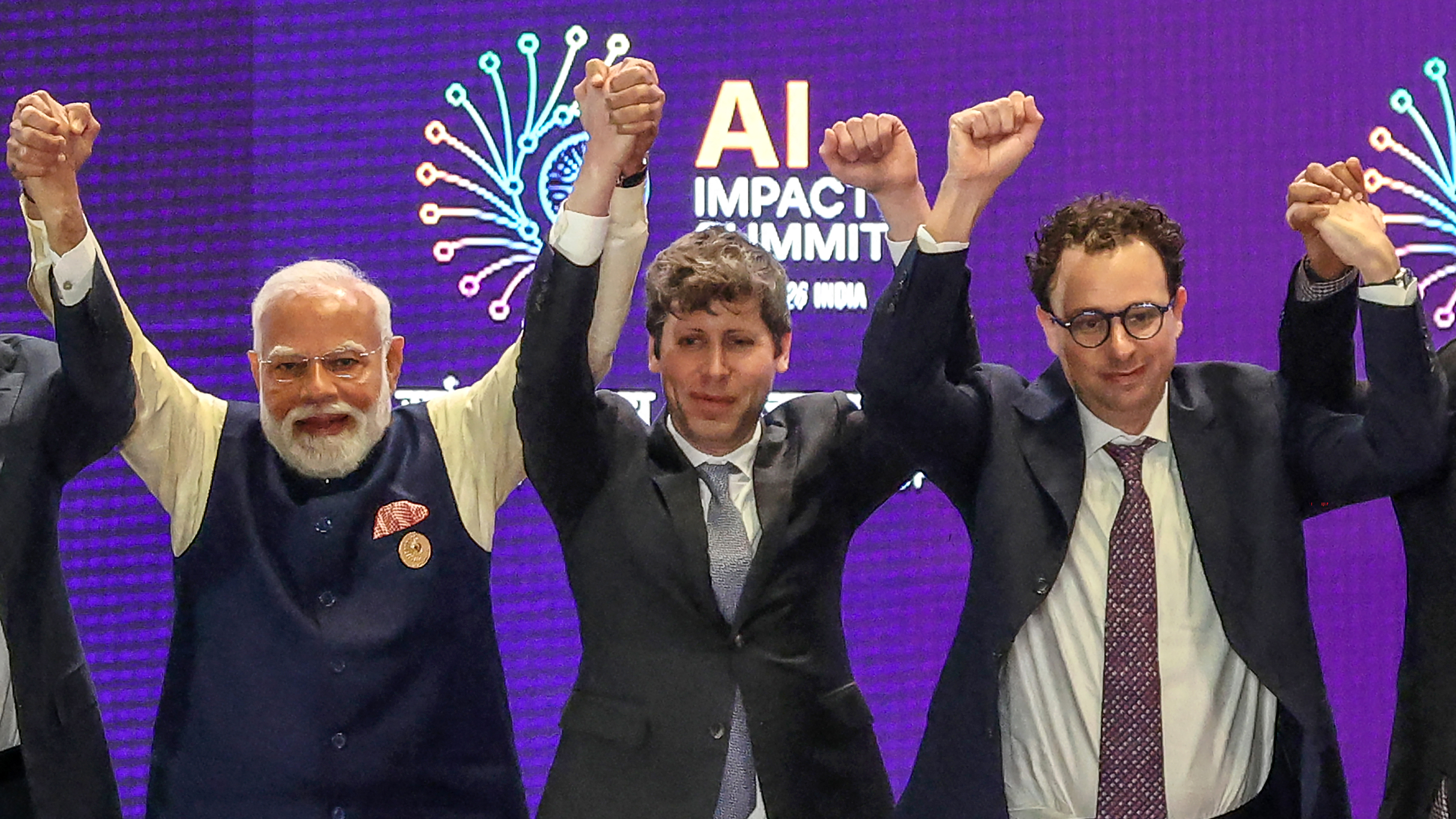
This ruling arrives during one of the most aggressive periods of AI expansion the tech industry has ever seen. Companies are pouring billions into data centers, AI assistants, reasoning models and agentic software. OpenAI itself is reportedly exploring a future valuation approaching $1 trillion.
A Musk victory could have dramatically disrupted that momentum. Instead, this outcome removes a major cloud hanging over OpenAI. It gives Altman a significant public win at a time when the company is rapidly expanding ChatGPT into everything from search to personal finance tools.
It also sends a message to the rest of Silicon Valley: the courts may not slow the AI race down anytime soon.
The bottom line and bigger issue nobody solved
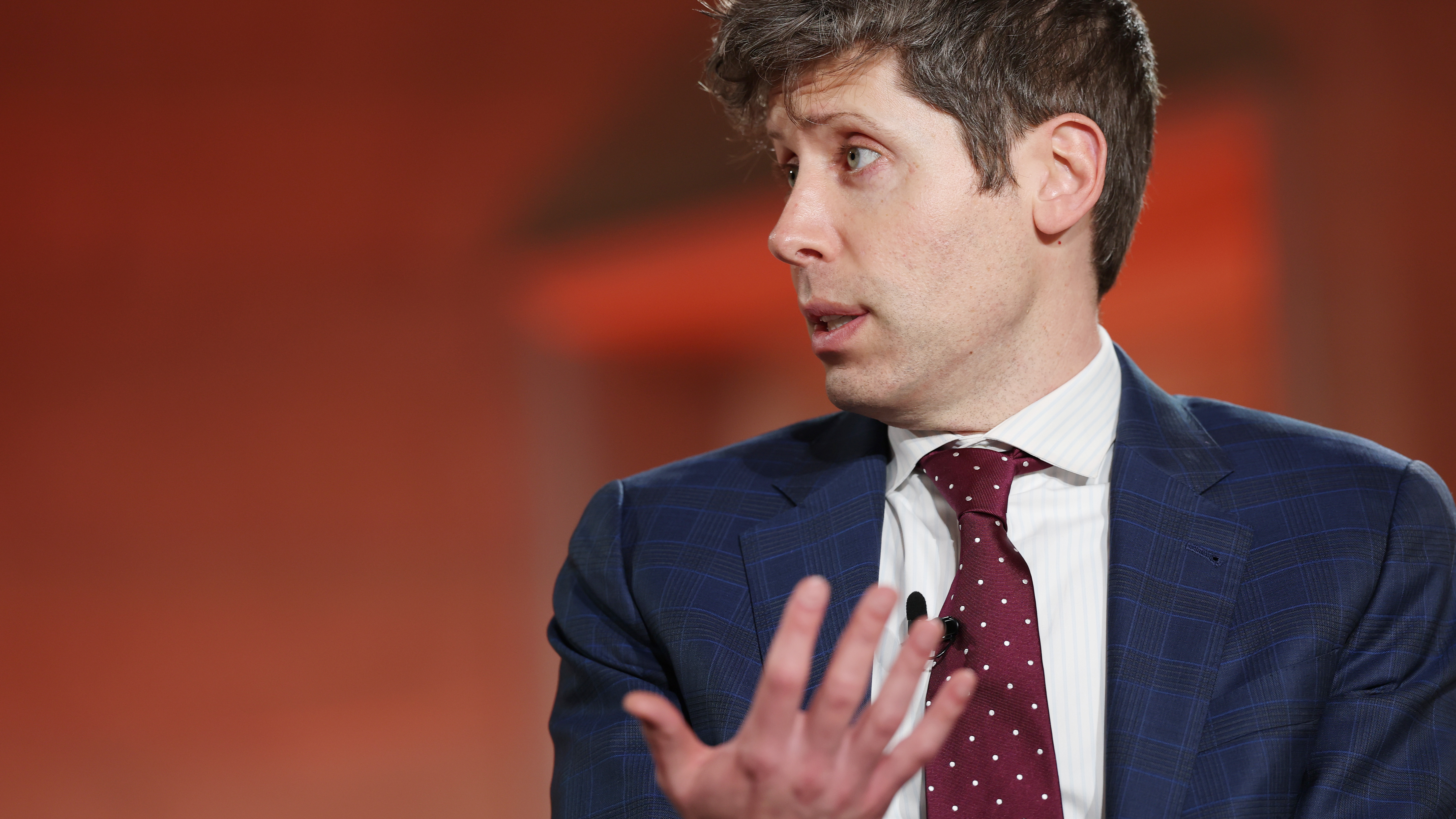
Even though Musk lost, the trial surfaced questions that the AI industry still hasn’t answered. Who should control superintelligent AI systems? Can nonprofit ideals survive once billions of dollars are involved? And perhaps the even bigger question is, is it even possible to build frontier AI safely without becoming one of the most powerful corporations on Earth?
The jury may have decided the legal fight for now, but the philosophical one is just beginning.
More from Tom’s Guide
- I almost gave up on Apple TV’s No. 1 show — then ChatGPT convinced me to keep watching
- I asked ChatGPT to apply Lewis Howes’ ‘Greatness’ mindset to my life — and it completely changed how I approach work
- I gave ChatGPT permission to disagree with me with this prompt — and its responses became dramatically better