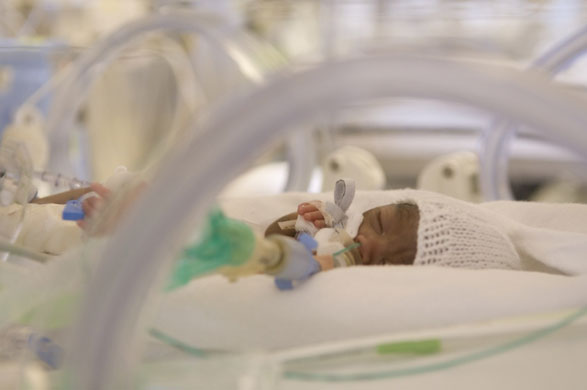
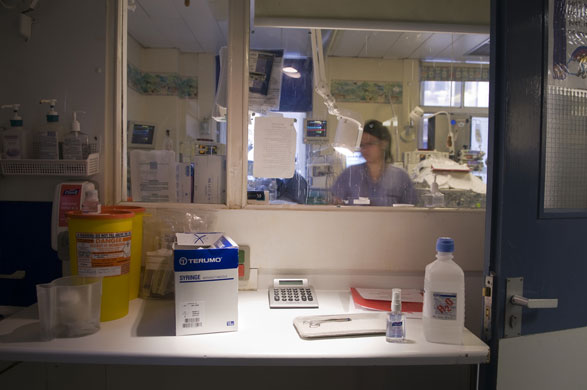
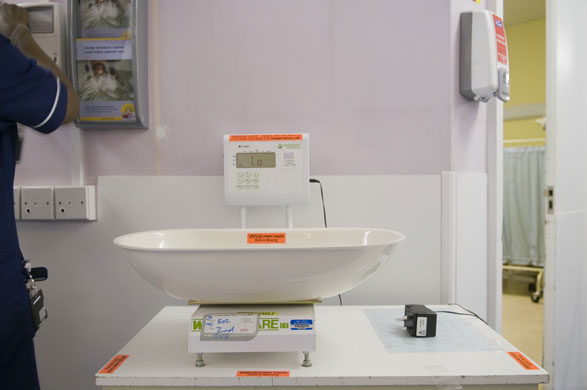
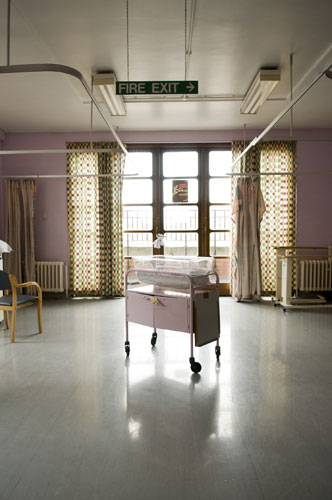
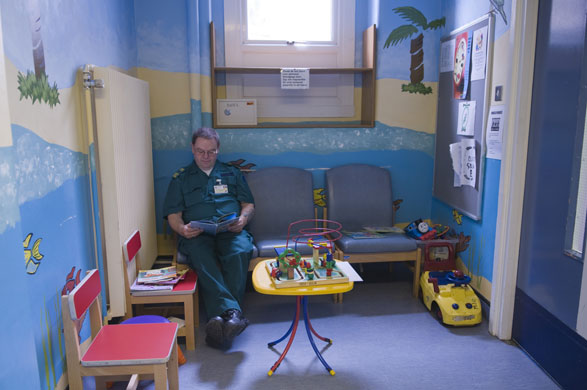
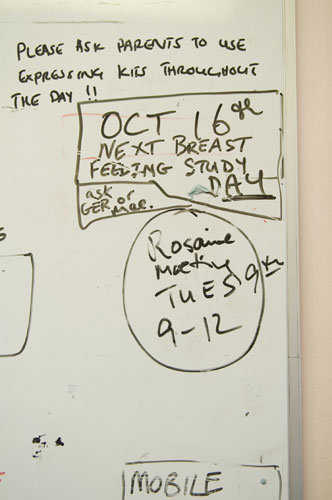
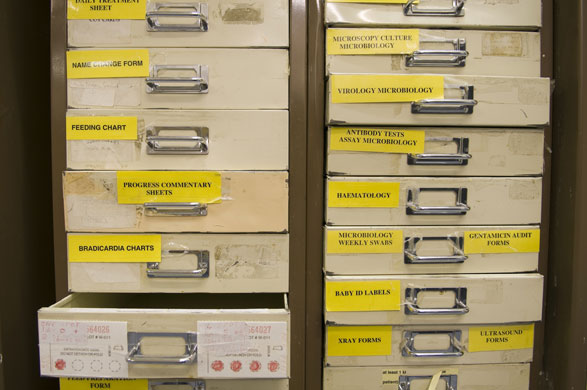
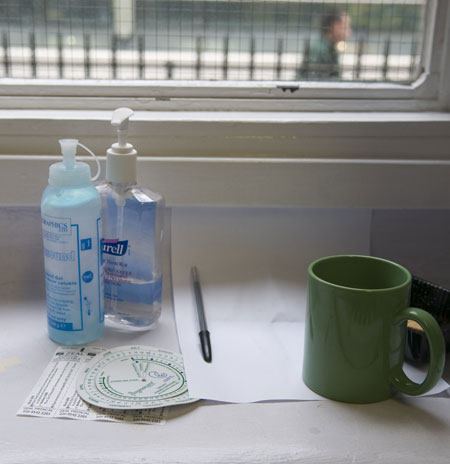
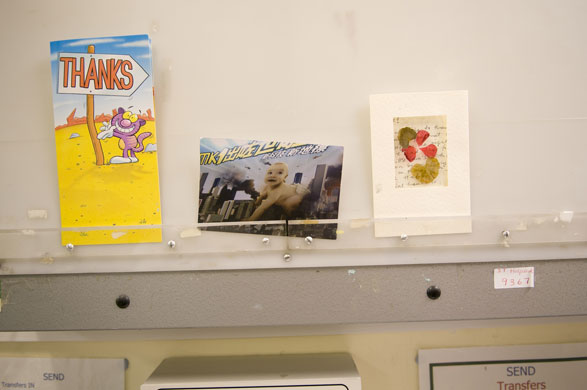
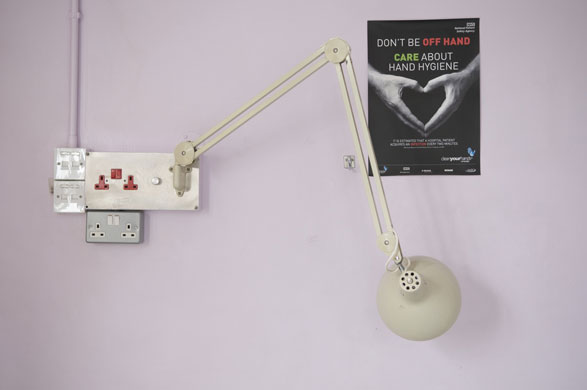
For the past century, services for women and their babies have been provided at the Elizabeth Garrett Anderson and obstetric hospital, in central London, which was founded by its namesake, the first female doctor to be trained in Britain.Photograph: Kelly Hill/freelancerEarlier this month, maternity and neonatal services moved into £70m purpose-built accommodation offering the latest technology in a unit at University College hospital, north London.Photograph: Kelly Hill/freelancer Photographer Kelly Hill, whose two children were treated at the hospital's neonatal unit, captured the final days of the unit before its closure.Photograph: Kelly Hill/freelancer
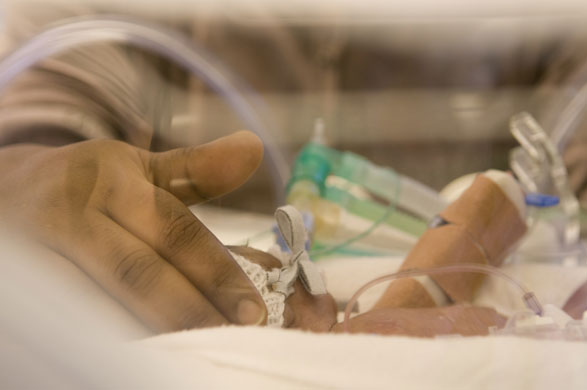
Hill found the return to the unit an emotional experience.Photograph: Kelly Hill/freelancer She wrote on her blog: "Returning to the hospital brought back so many memories. I recognised - and was remembered by - some of the amazing staff that work tirelessly to save the lives of babies 24/7."Photograph: Kelly Hill/freelancerThe blog continues: "I met mothers who had been by their babies' sides for seven months, cradling tiny doll-like limbs, hands, feet and delicately fragile heads, until little by little the babies pull through ... Photograph: Kelly Hill/freelancer ... And new mothers with their precious scraps of life encased in plastic bubbles that they gently reach to hold and caress like no other treasure. My heart goes out to them ...Photograph: Kelly Hill/freelancer .. The neonatal unit is a world apart - a place between spaces - where miracles really happen right alongside the most unbelievable heartbreak."Photograph: Kelly Hill/freelancer The move to the new Elizabeth Garrett Anderson wing at UCH has been a year in the planning, and was rehearsed a number of times before the hospital's neonatal and maternity services were eventually transferred.Photograph: Kelly Hill/freelancerMothers and their babies were all transferred by ambulance or hospital car, accompanied by midwives or other clinical staff.Photograph: Kelly Hill/freelancer The new wing includes 40 antenatal and post-natal beds, four high-dependency maternity unit beds, 12 birthing rooms, a birth centre with eight rooms and two birthing pools, 15 special care beds and 17 neonatal intensive care cots.Photograph: Kelly Hill/freelancer It will care for women during pregnancy and labour and will treat some of the sickest and most vulnerable babies in the UK.Photograph: Kelly Hill/freelancer
Sign up to read this article
Read news from 100’s of titles, curated specifically for you.