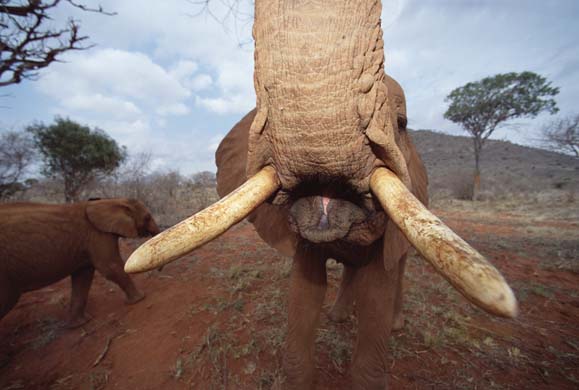
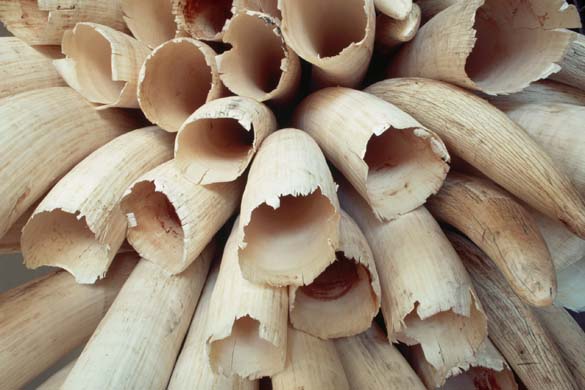
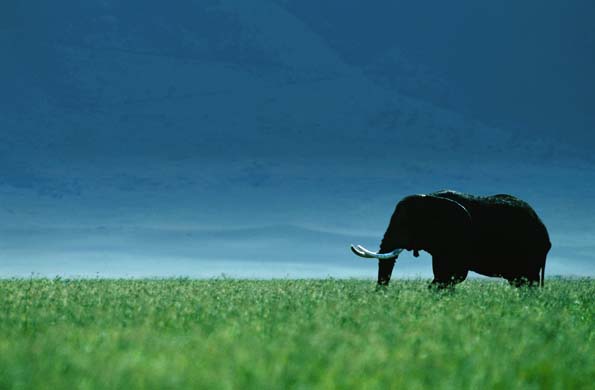
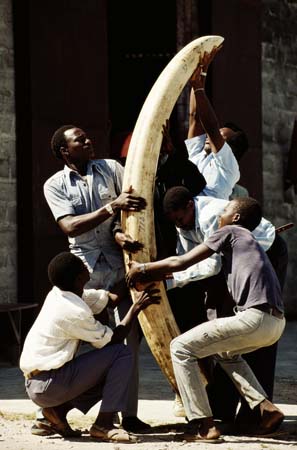
International trade in ivory has been illegal since 1989, when uncontrolled trade was driving the poaching of an estimated 100,000 African elephants a year for their tusksPhotograph: Gerry Ellis/GettyIllegal ivory trade and elephant poaching is reported to be at the highest levels since the trade ban was introduced in 1989 by the Convention on International Trade in Endangered Species of Wild Fauna and Flora (Cites). Last year alone, the WWF says, over 20 tonnes of elephant ivory was seized on ships en route to AsiaPhotograph: Anthony Bannister/CorbisIn 1997, recognising that some southern African elephant populations were sufficiently recovered, Cites permitted Botswana, Namibia and Zimbabwe to make a one-time sale of ivory to Japan. Now China has been approved as a buyer for stockpiles of African elephant ivory from Botswana, Namibia, South Africa and Zimbabwe Photograph: Eric Meola/Getty
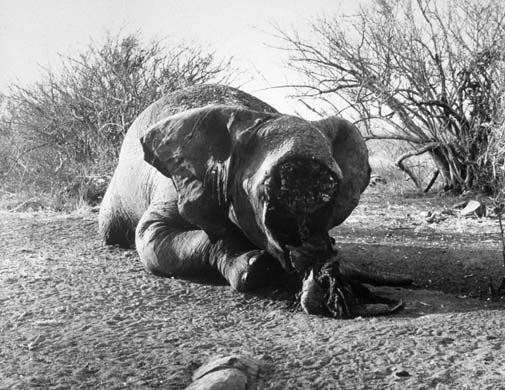
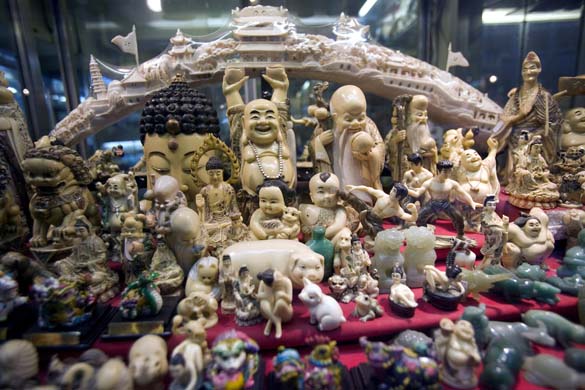
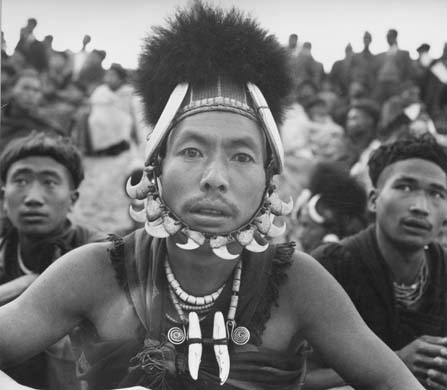
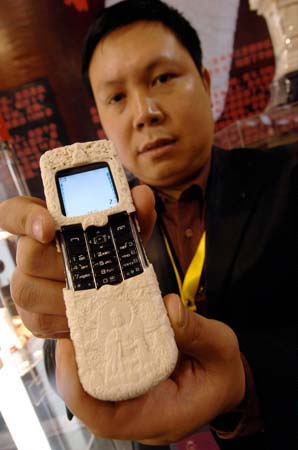
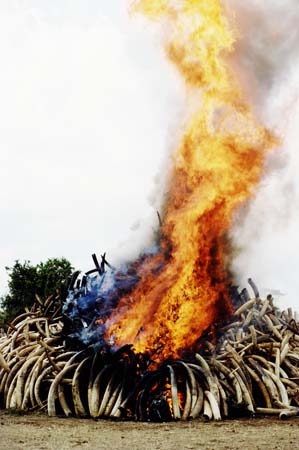
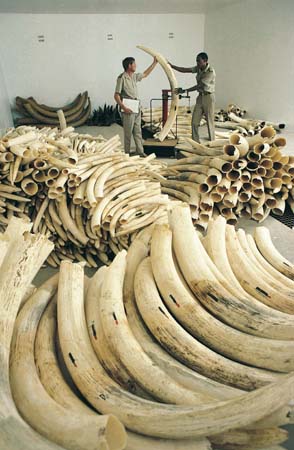
The corpse of a mutilated elephant, its ivory tusks removed by poachers, who sometimes use chain sawsPhotograph: Woodfin Camp/GettyTooth and tusk ivory can be carved into a vast variety of shapes and objects such as statues, jewellery, furniture and piano keys Photograph: Paul Hilton/EPAA Chinese man wearing traditional tribal ivory ornaments. The Chinese say they need ivory to maintain ancient carving traditions and should be allowed to buy African ivory because they have cracked down on their illegal domestic ivory tradePhotograph: GettyAn ivory-coated mobile phone on display at a luxury goods exhibition in Guangzhou, south ChinaPhotograph: Richard Jones /Rex FeaturesA pile of ivory confiscated from poachers by Kenyan game wardens. Conservationists say that seizures may represent only a small percentage of ivory trafficked to feed the growing underground tradePhotograph: Tom Stoddart/GettyWorkers at the world's largest ivory warehouse in Dar es Salaam where ivory confiscated from poachers caught in Tanzanian wildlife parks has been stored Photograph: Tom Stoddart/GettyIvory confiscated from poachers is burned by Kenyan authorities after the trade ban is introduced in 1989Photograph: Tom Stoddart/GettyA stockpile of ivory from elephants culled in Kruger national park, South Africa. In May 2008 the country lifted a 13-year ban on killing elephants after several years of population growth. Authorities said they wanted to control burgeoning numbers which were denuding vegetation and threatening the ecological balance of the national parksPhotograph: Anthony Bannister/Corbis
Sign up to read this article
Read news from 100’s of titles, curated specifically for you.