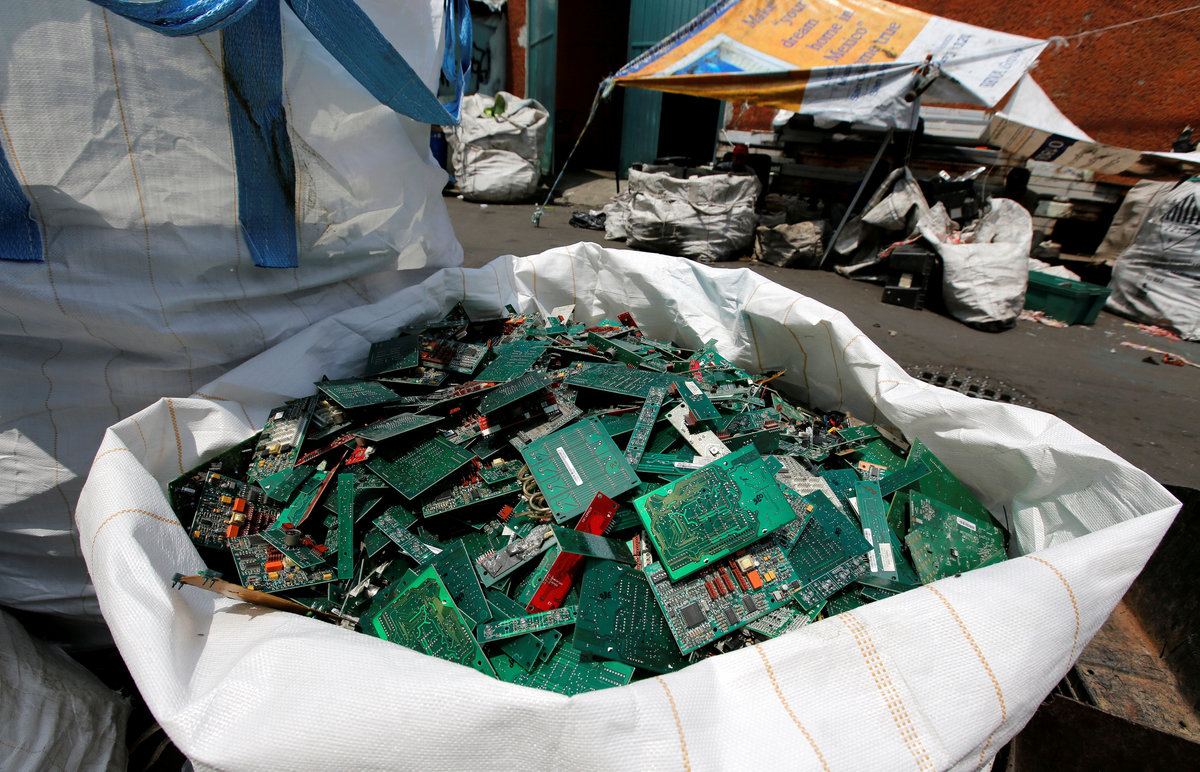
OSLO (Reuters) - Electronic waste rose to a record 45 million tonnes worldwide in 2016, squandering valuable metals such as gold and copper since few trashed televisions, cellphones or other products get recycled, a U.N.-backed study showed on Wednesday.
Rising incomes and falling prices for everything from solar panels to fridges drove up the amount of e-waste -- defined as anything with a plug or a battery -- by 8 percent from 41 million tonnes in the last assessment for 2014, it said.
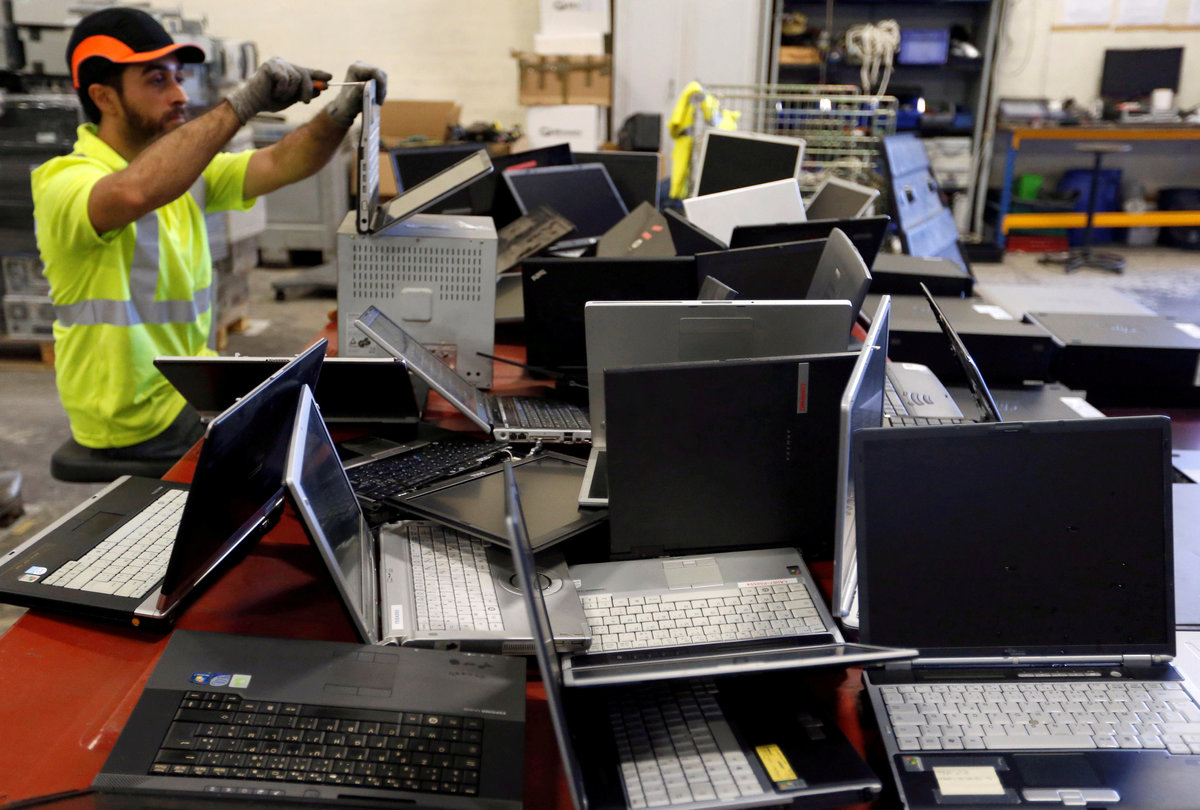
The weight of e-waste in 2016 was equivalent to about 4,500 Eiffel Towers, according the joint study by the U.N. University, the International Telecommunication Union, and the International Solid Waste Association.
Raw materials in the 2016 scrap were worth an estimated 55 billion euros ($64.61 billion), including metals such as gold, silver, copper, platinum and palladium, it said.
Yet only 8.9 million tonnes were documented to have been collected and recycled in 2016. Most e-waste ended as rubbish in landfills even though recycling would make economic sense in most cases.
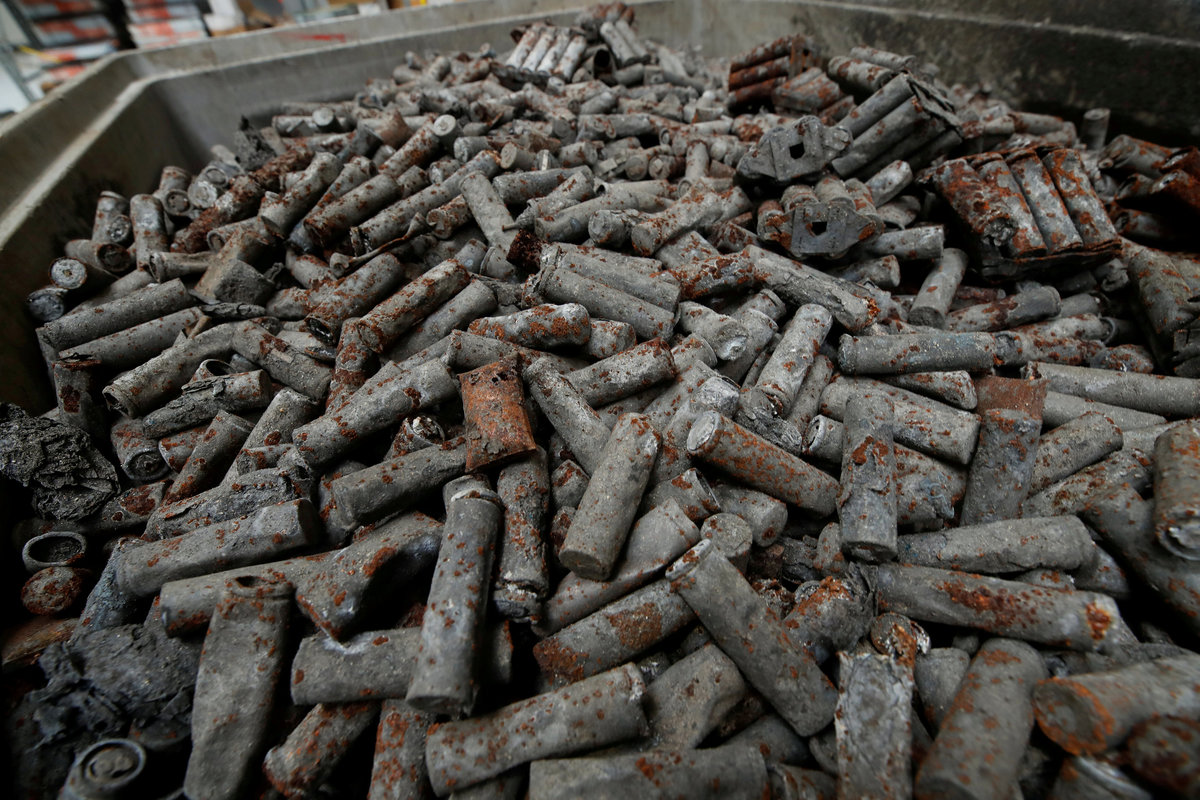
"What is still shocking ... is that only 20 percent is going in the official collection and recycling schemes," Ruediger Kuehr, head of the U.N. University's Sustainable Cycles Programme, told Reuters.
Overall, e-waste was projected to climb to 52.2 million tonnes in 2021, the study said. China was the biggest source of the scrap with 7.2 million tonnes in 2016, ahead of the United States.
The report said many people junked gadgets, often to buy an upgraded model or because repairs of anything from a toaster to a smartphone were more expensive than buying a replacement.
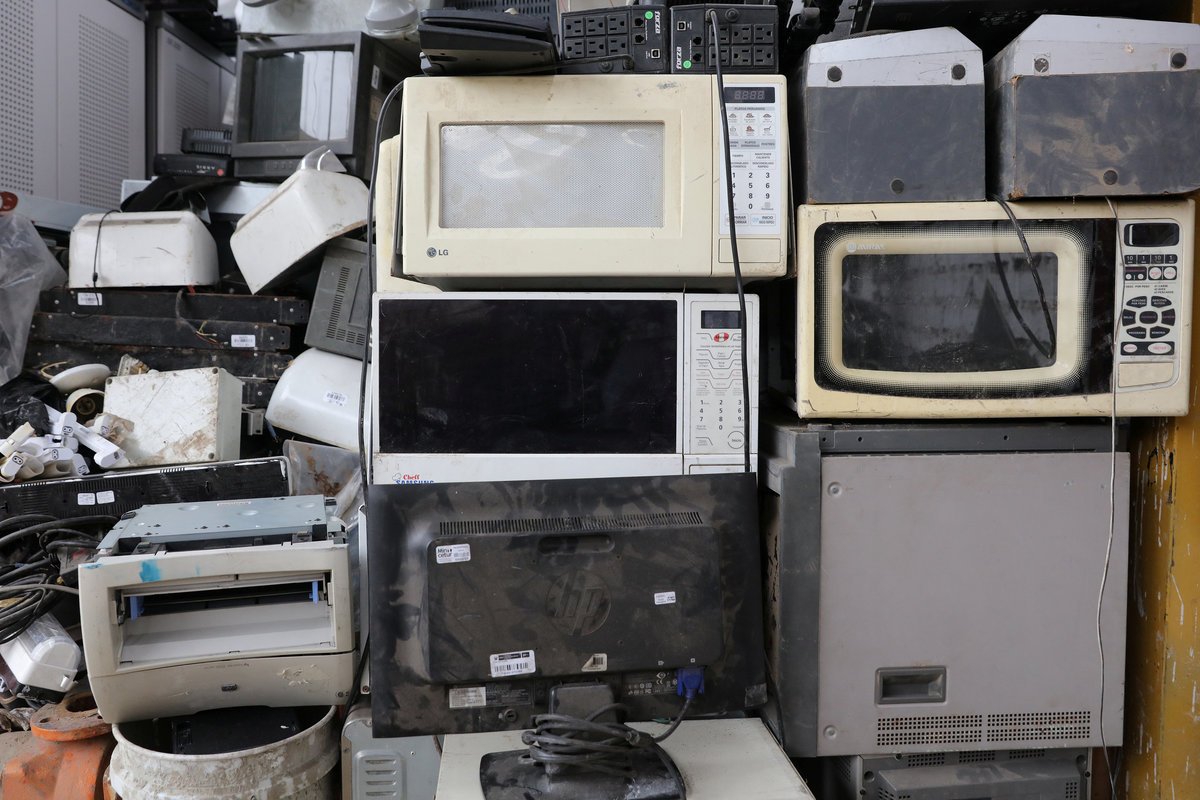
"There has been much debate and criticism of the growing 'throwaway society', characterized by consumerism and the trend to throw away and buy something new rather than keep and repair," the report said.
Kuehr said the low rates of e-waste collection and recycling were a surprise when 67 nations covering two-thirds of the world population had legislation about processing e-waste.
Australia, New Zealand generated the highest amounts of e-waste per inhabitant at 17.3 kilos (38 lbs) each, for instance, but only 6 percent were formally collected and recycled.
Europe had the highest collection rates, at 35 percent.
Kuehr urged Christmas shoppers to take account of recycling when choosing gifts. "In Christmas shopping more and more equipment comes with a plug or battery ... facilitating the increase of the e-waste mountain," he said.
(Reporting By Alister Doyle; Editing by Catherine Evans)