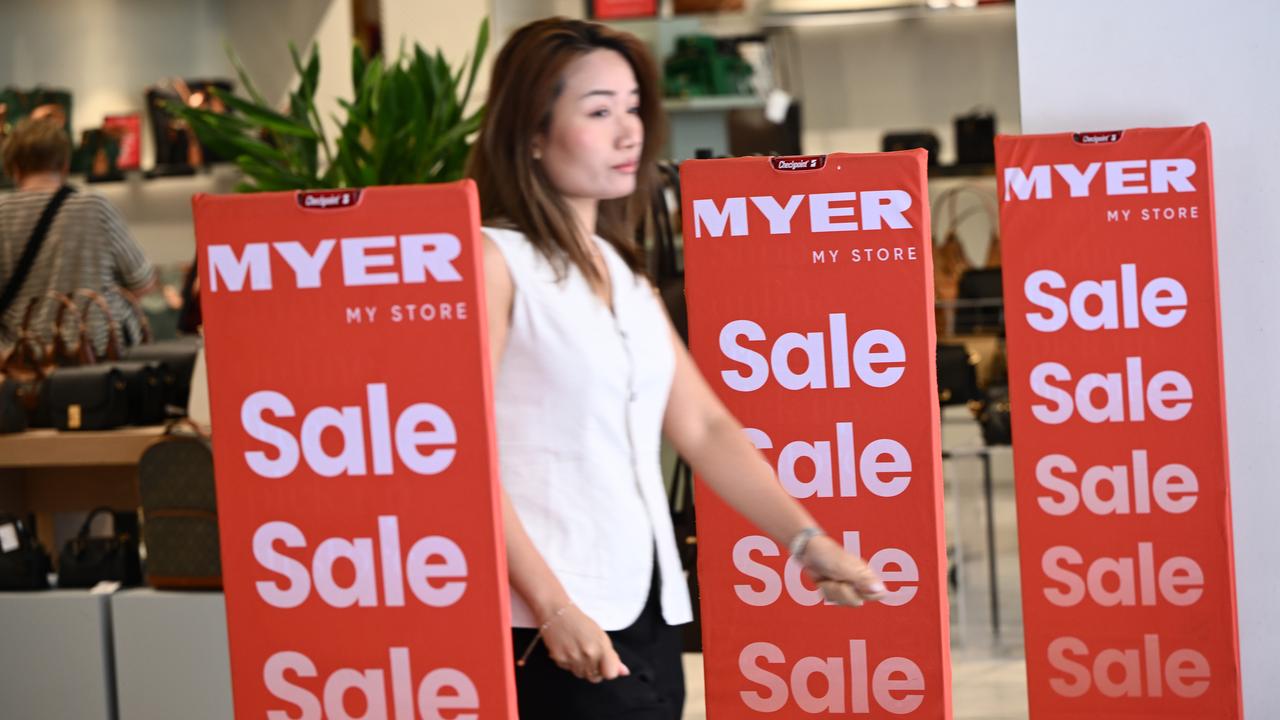
A sharp rise in consumption that caught the Reserve Bank off guard and prompted it to hike interest rates might have been more temporary than permanent, fresh data shows.
Household spending fell 0.4 per cent in December - the biggest drop since March 2024 - according to figures from the Australian Bureau of Statistics on Monday.
The decline came after shoppers pulled forward Christmas purchases to take advantage of sales events such as Black Friday in October and November.
Forecasters had tipped a slowdown in December, but the extent of the fall wrong-footed the consensus of economists, who predicted a modest rise of 0.1 per cent.
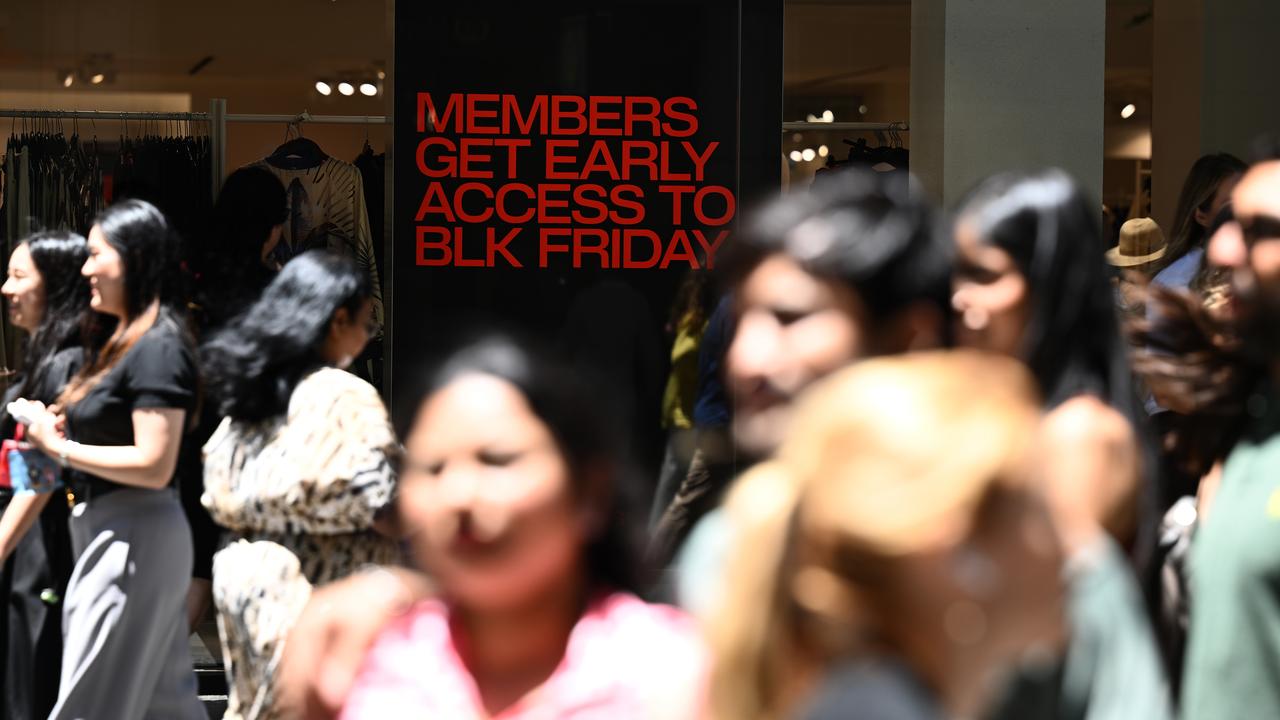
On a quarter-on-quarter basis, spending growth was still strong at 0.9 per cent, reflecting solid momentum.
But it pointed to some risk to the RBA's consumption forecast for the December quarter, NAB senior associate economist Jessie Cameron said.
While the RBA had an inkling stronger spending outcomes were down to households bringing forward purchases, the softer-than-expected December figures could be a sign of things to come in 2026.
Consumer confidence surveys have shown subdued appetite since the start of the year and the RBA's decision to lift interest rates on Tuesday would likely weigh further on sentiment, ANZ economists Adam Boyton and Aaron Luk said.
"We also expect growth in real household disposable income to slow, which should translate into a softer consumer spending trend over 2026," they said in a research note.
"Such a softening in spending and a slowing in inflation will likely be needed to see the RBA keep the cash rate at 3.85 per cent."
Strength in spending was expected to unwind in the March quarter, EY chief economist Cherelle Murphy said.
"But the Reserve Bank noted that if the recovery in household spending is persistent, it will add further to capacity pressures," she said.
Ongoing strength in the labour market, higher average earnings growth, higher house prices and lower import prices thanks to the high Aussie dollar, would support household consumption in the near future, Ms Murphy said.
"We expect the Reserve Bank to increase rates further this year to combat rising inflation."
ABS head of business statistics Tom Lay said the falls in spending were felt across discretionary items such as electronics, clothing and furniture, as well as essential items like healthcare.
Health spending declined 1.3 per cent, partly due to higher bulk-billing rates reducing out-of-pocket costs for households, he added.
While strong household spending underpinned the surprisingly rapid recovery in private demand, a spike in business investment also contributed.
The main driver was a sharp rise in data centre capital expenditure, with a number of large scale projects coming through the pipeline in the December quarter.
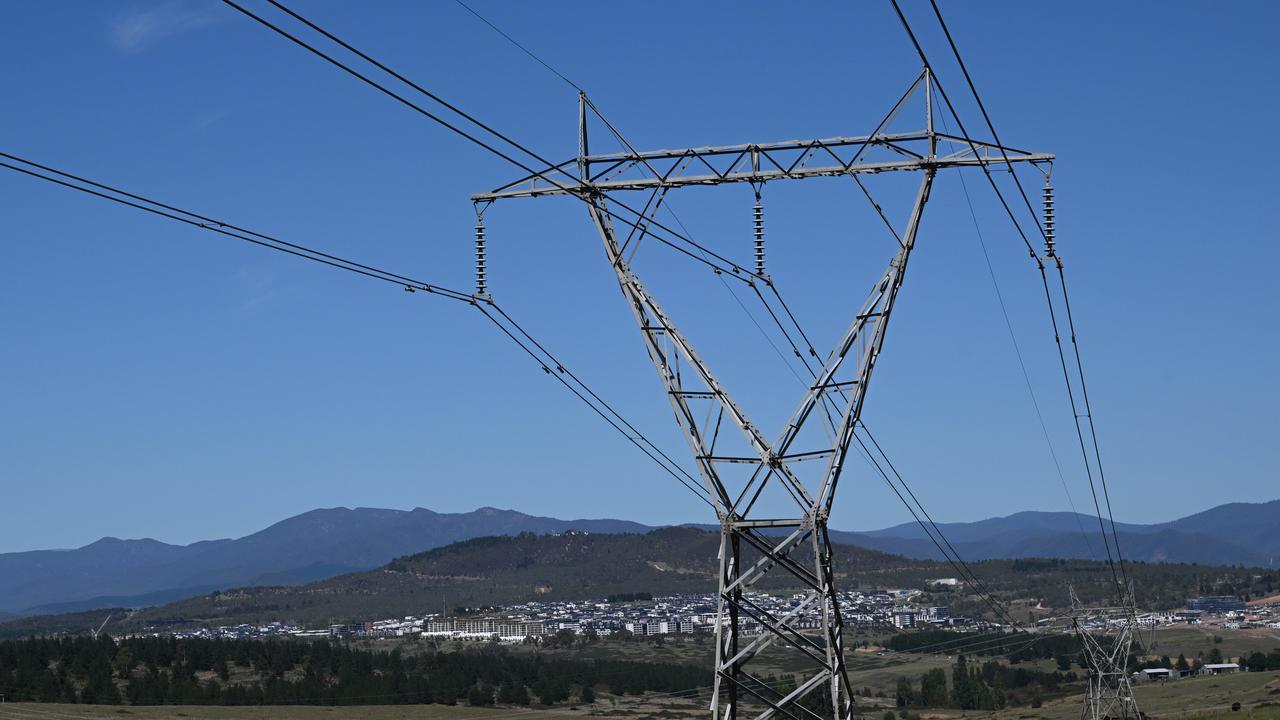
However, developers were increasingly running into constraints, most notably around access to reliable electricity, Deloitte Access Economics director Sheraan Underwood said.

An extra $28 billion worth of data centre projects were added to Deloitte Access Economics' investment monitor database in the past year, driving a 57 per cent rise in the value of projects in the finance, property and business services industries.
"Progress will depend on continued growth in the use of AI, as well as access to a stable and cost-effective supply of electricity," Mr Underwood said.
CBA chief economist Luke Yeaman expected the AI boom would boost global productivity growth by 0.8 to 1 percentage points a year, but because of long-standing structural features, Australia's economy was more likely to receive an uplift closer to 0.5 per cent.