
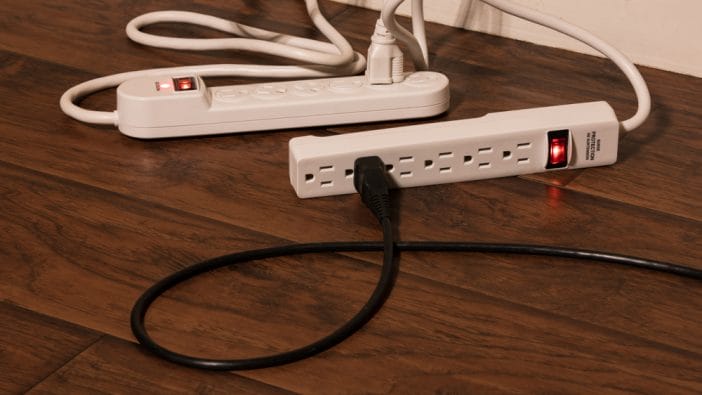
If you’ve ever plugged one extension cord into another to stretch across a room, you’re far from alone, but electricians say this common shortcut is causing a surge in preventable house fires across the South. While it’s not “newly illegal” under state law, daisy-chaining extension cords does violate OSHA and National Electrical Code (NEC) safety standards, and fire marshals in multiple Southern states are stepping up warnings. With older homes, high humidity, and heavy appliance use, the South sees a disproportionate number of electrical fires each year. Homeowners who rely on temporary wiring as a permanent solution are especially at risk. Here’s what experts want you to know before a simple shortcut sparks a disaster.
What is Daisy Chaining?
Daisy chaining happens when you plug one extension cord or power strip into another to extend reach or add outlets. OSHA and the NEC both classify this setup as unsafe because it can overload circuits and cause cords to overheat. The risk increases when cords are run under rugs, behind furniture, or used with high-wattage appliances like heaters or air conditioners. Fire departments across the South report that daisy-chaining is a recurring factor in avoidable electrical fires. What feels like a harmless workaround can quickly become a serious hazard.
Why Southern Fire Marshals Are Sounding the Alarm
While no statewide “new law” bans daisy-chaining in Southern states, fire marshals in these states are issuing stronger warnings due to rising fire incidents. Older housing stock, DIY repairs, and increased use of portable heaters during winter months all contribute to the risk. Inspectors are reminding homeowners that temporary wiring is never meant to replace permanent outlets. During home sales, rental inspections, or post-fire investigations, unsafe wiring setups, including daisy chains, can be flagged as code violations. The message is simple: if it looks like permanent wiring, it needs to be installed by a professional.
What This Means for Homeowners and Renters
Even though daisy-chaining isn’t a criminal offense, it can still create real-world consequences. If an electrical fire occurs and investigators determine that unsafe wiring contributed to the damage, insurance companies may question coverage. Rental property owners are especially vulnerable, since they’re responsible for providing safe electrical setups for tenants. Home inspectors are also more likely to call out daisy-chained cords during pre-sale evaluations. Fixing the issue now can prevent expensive headaches later.
What Electricians Recommend Instead of Daisy Chaining
Licensed electricians across the South agree: extension cords should never be used as a permanent solution. Instead, they recommend:
- Installing additional outlets
- Using UL-listed surge protectors with built-in circuit breakers
- Upgrading outdated wiring.
For garages, workshops, or outdoor spaces, heavy-duty cords rated for the environment should be used temporarily, and never chained together. If you consistently need more reach or more outlets, that’s a sign your home needs an electrical upgrade. A small investment today can prevent a major disaster tomorrow.
How to Spot Unsafe Wiring in Your Own Home
Take a walk through your home and look for extension cords plugged into other cords or power strips. Check behind entertainment centers, under desks, and in garages. These are common trouble spots. Look for signs of overheating, such as warm cords, discoloration, or frayed insulation. If you find multiple cords strung together, it’s time to rethink your setup. Eliminating daisy chains is one of the easiest ways to reduce your fire risk.
Why This Issue Hits Southern States Harder
Southern states face unique electrical challenges: older homes, high humidity, frequent storms, and widespread use of portable cooling and heating devices. These conditions put extra strain on electrical systems, making unsafe wiring even riskier. Fire departments across the region are increasing public education campaigns to address the problem. Daisy-chaining may seem like a small issue, but in the South, it’s a major contributor to preventable fires. Taking the warning seriously can protect your home and family.
What to Read Next
10 Garage Purchases That Waste Electricity Constantly
Electrician Warns: Never Plug These 7 Devices Into Extension Cords or Surge Protectors
Fire Marshals Say This Common Extension Cord Setup in North Carolina Homes Is Now a Code Violation
Can Using the Wrong Extension Cord Violate Fire Code?
Why DIY Electrical Work Is the Fastest Way to Lose Your House
The post Electricians Warn: This Extension Cord Mistake Is Fueling House Fires Across the South in 2026 appeared first on Clever Dude Personal Finance & Money.