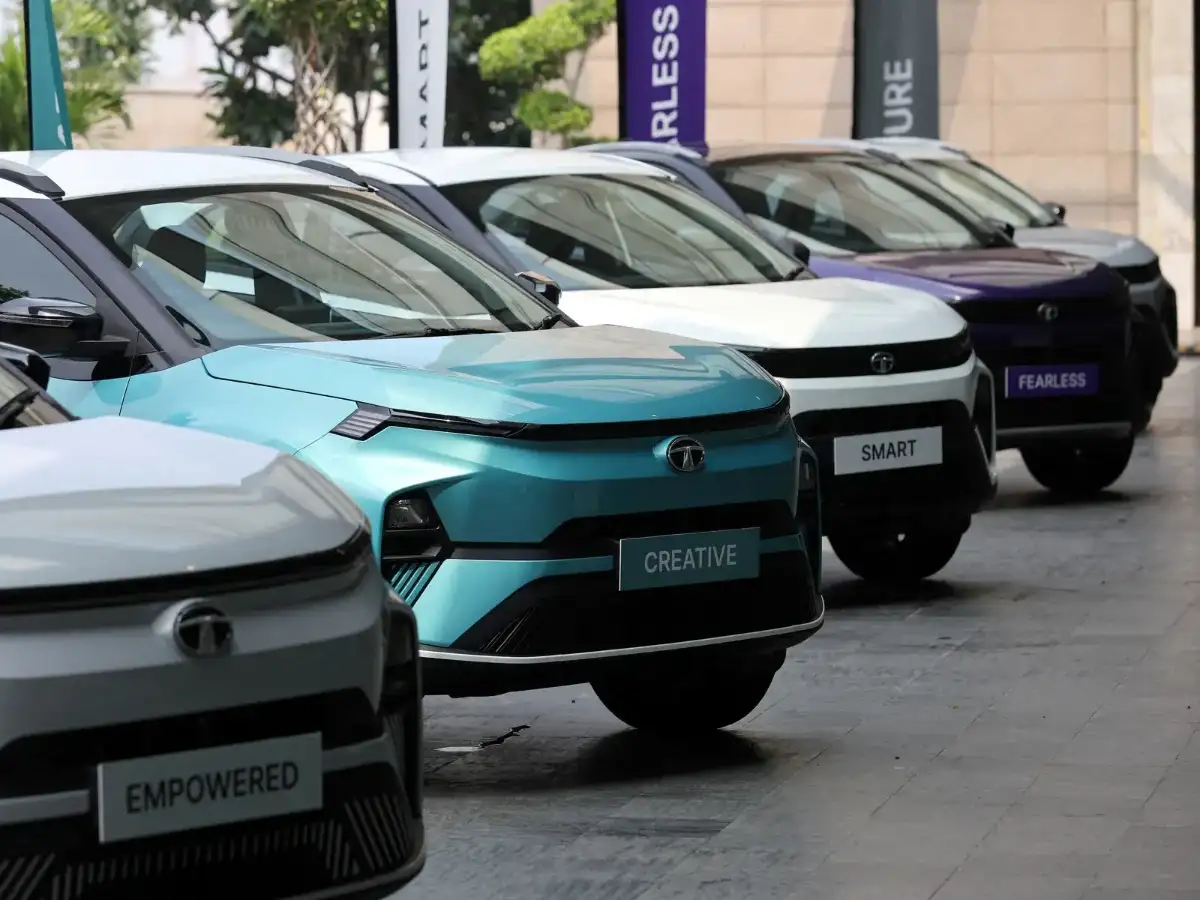
New Delhi: A real long-term solution to tackle air pollution lies in measures such as shifting to electric mobility and cleaning up the existing vehicle fleet through mandatory emissions testing, a top United Nations official has said.
Speaking exclusively to PTI Videos on World Environment Day, United Nations Environment Programme (UNEP) Executive Director Inger Andersen said that addressing cleaner air requires a combination of short-term emergency measures and long-term structural change.
Also Read: India's electric scooter market regains charge after April slowdown
She cited approaches experimented with by different countries, such as limiting traffic, restricting certain factories, and managing agricultural burning during peak seasons.
"Real long-term solution lies in shifting to electric mobility, cleaning up the existing vehicle fleet through mandatory emissions testing, and ensuring that every vehicle, even older ones, carries a valid decal certifying that it meets emission standards," Andersen said.
"Enforcement by authorities to ensure that vehicles without valid certification are fined and taken off the road, that is basic, but it is what needs to happen," she added.
Recently, the Union Cabinet approved a Rs 9,585-crore initiative designed to tackle air pollution in the Delhi-NCR region. The plan focuses on phasing out older commercial vehicles by encouraging their replacement with cleaner BS-VI compliant or electric alternatives.
Over two years, the scheme will direct incentives to owners of trucks and buses that meet BS-IV or older emission standards across Delhi, Haryana, Rajasthan, and Uttar Pradesh.
On these measures, Andersen stated that the government has delivered successful campaigns in the past, that such measures are important, and that shining a light on concrete actions before winter arrives is crucial
Also Read: India eyes fiscal support for domestic EV battery supply chain
Noting that the heaviest polluting vehicles like buses, trucks, and lorries running on diesel need to be addressed, the UN official highlighted that investment in clean and green public transport is essential.
"For those still cooking over charcoal, access to cleaner cooking solutions is critical, as is attention to indoor air pollution, which disproportionately affects women and girls. We must also be mindful of more localised sources of pollution like demolition dust from construction, sand and dust storms, and critically, open waste burning," Andersen said.
Explaining that burning plastic and mixed waste releases a toxic cocktail of harmful chemicals, linked to rising incidents of cancer and other serious illnesses, she said that proper solid waste management, reducing plastic footprint, and developing alternatives to burning are non-negotiable parts of the solution.
"The more we invest in cleaner air, the less pressure on health systems, the more productive our citizens, and the more vibrant our economic growth and development," the UNEP chief said.
Asked about the global community's role in supporting India's clean energy transition through technology transfer and finance, Andersen said that while technology transfer remains a critical dimension of the Paris Agreement, the renewables sector is booming, with India itself already a significant producer of renewables, making the sector increasingly market-worthy.
She noted that renewables have now surpassed all other sources to become the world's largest electricity source in 2025.
Andersen cited Kenya, where 92 per cent of electricity comes from renewables, as an example of what is possible even for oil-importing nations.
However, she stressed that technology transfer and concessional finance remain critical in areas like night storage for solar-dependent grids and high-demand energy infrastructure, where barriers are yet to be fully broken.
"We are still heavily reliant on older energy sources for high-demand applications, but I believe that barrier will break within the next ten years. When it does, it will be essential to ensure that access to these technologies is just and equitable across the board," the UNEP chief told PTI.
She also flagged that the USD 100 billion climate finance goal due by 2020 was only met in 2022, with a new goal now being worked towards, and called for close monitoring of both public financing commitments and private sector investments.
On India's need for greater battery storage capacity and access to technologies it does not yet have, Andersen pointed to technologies like molten salt storage and large-scale lithium storage that are on the cusp of becoming viable at scale.
"This is where we really must focus climate investment discussions," she said.
Anderson stressed that for night storage and high-energy demand applications such as mining and heavy industry, cost and technology barriers still need to be broken through, but expressed confidence this would happen within the next decade.