Londoners who drive electric vehicles are going to have to find £13.50 a day to drive their cars in the capital under plans by London mayor Sir Sadiq Kahn to revise the city’s congestion charge and scrap the cleaner vehicle discount, replacing it with a new tiered system.
The announcement comes just a week after news broke of government proposals to introduce a pay-per-mile levy on electric car use from 2028.
The daily congestion charge will increase to £18 from 2 January next year, with discounts of 25 per cent for electric cars and 50 per cent for electric vans, HGVs and quadricycles, but only if they’re registered on TFL’s Auto Pay system.
From March 2030 those discounts will reduce to 12.5 per cent for electric cars and 25 per cent for electric vans, HGVs and quadricycles.
Residents who live within the charging zone and are in receipt of the residents’ discount prior to 1 March 2027 will still get their 90 per cent discount, regardless of vehicle fuel type. However, any residents applying for the residents’ discount after 1 March 2027 will only get the 90 per cent discount if they own an EV. Residents with low incomes and disabled residents will still be able to apply for the residents’ discount irrespective of the type of vehicle they own, but only until March 2030.
Commenting on the changes to the congestion charge, Sir Sadiq said: “Keeping London moving by reducing congestion is vital for our city and for our economy. While the congestion charge has been a huge success since its introduction, we must ensure it stays fit for purpose, and sticking to the status quo would see around 2,200 more vehicles using the congestion charging zone on an average weekday next year.
“We must support Londoners and businesses to use more sustainable travel, so I’m pleased that substantial incentives will remain in place for Londoners who switch to cleaner vehicles, as we work to build a greener and better London for everyone.”
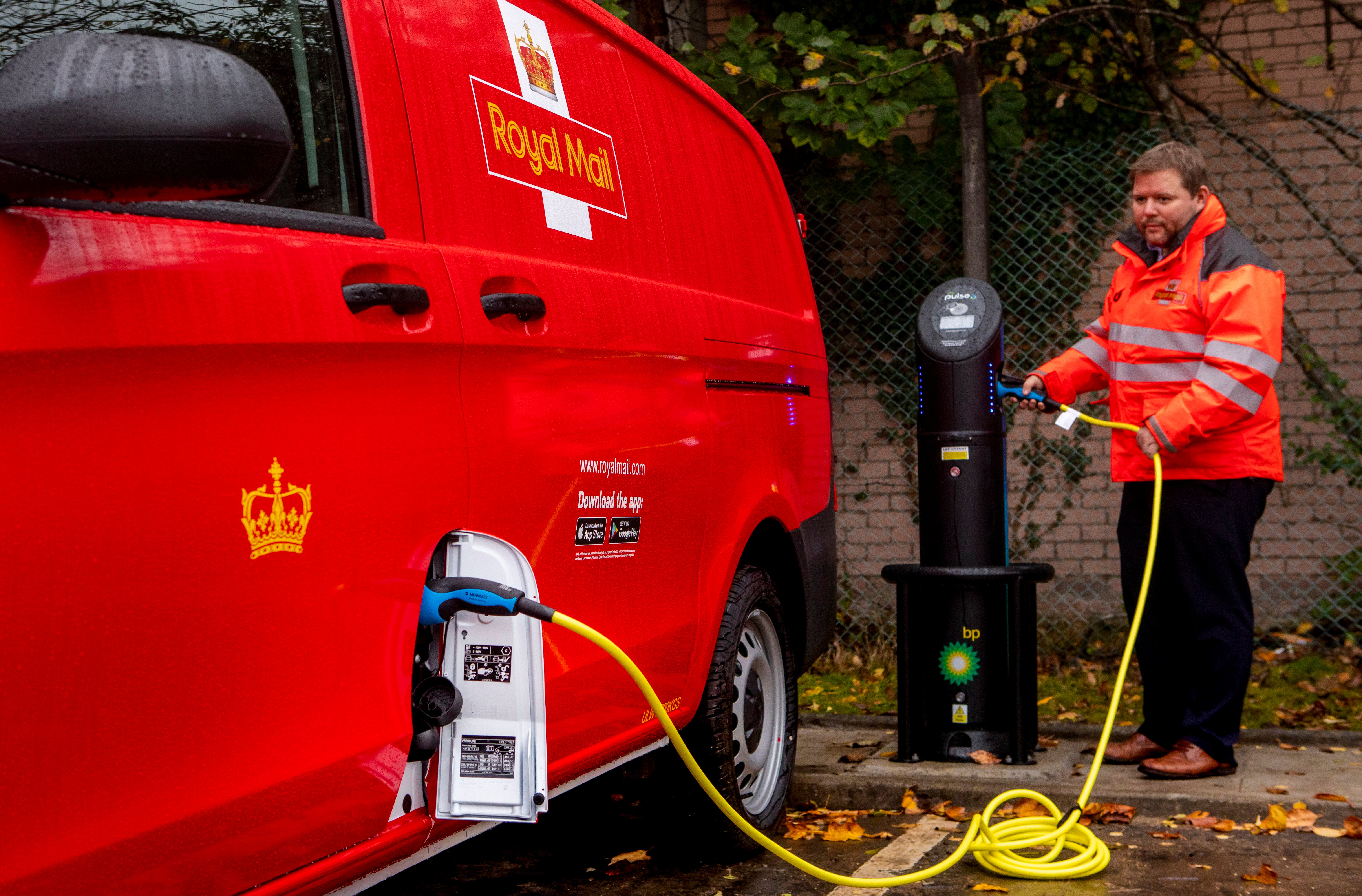
Transport for London (TfL) says that the new measures have been drawn up “after feedback from Londoners”. However, businesses have expressed concern about the added costs for electric vehicles. The Electric London Coalition, which represents businesses such as the AA, Openreach and Royal Mail, has said that it could cost a professional driver entering London five days a week up to £3,000 a year.
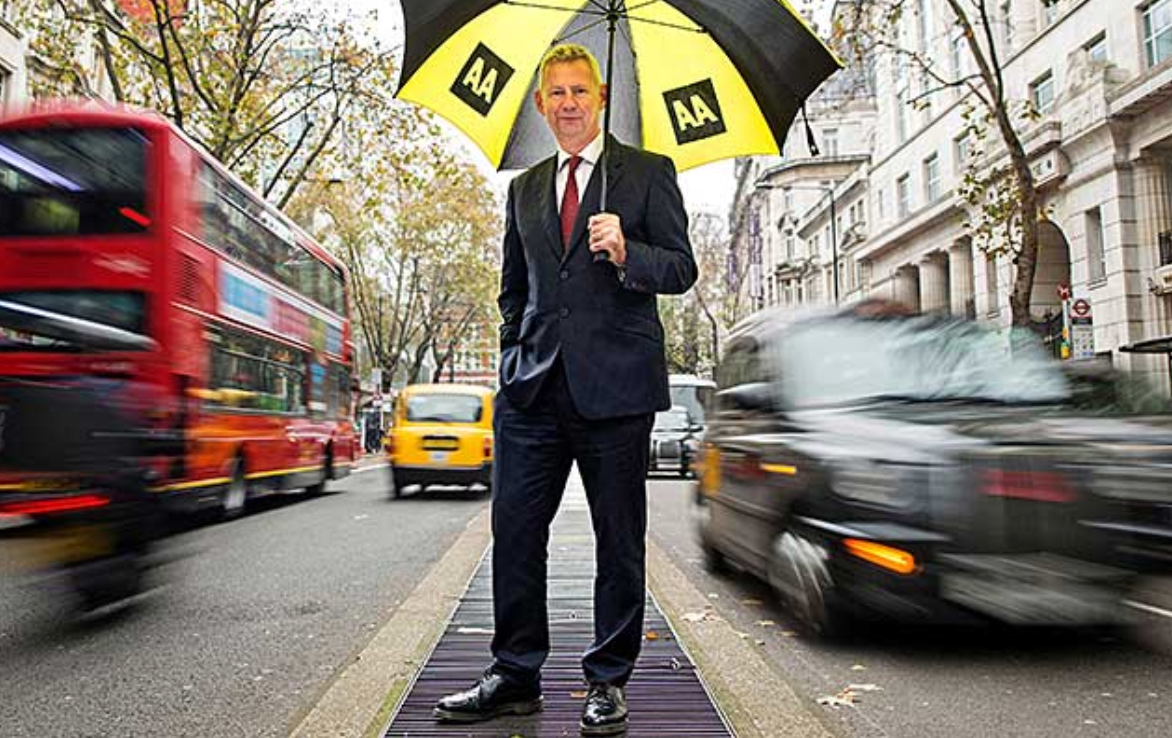
Edmund King, the president of the AA, said: “This is a backward step which sadly will backfire on air quality in London. Our AA UK EV Readiness Index shows that many drivers are not quite ready to make the switch to electric vehicles, so incentives are still needed to help them over the line.
“The mayor needs to reconsider, to continue to help more essential van and car journeys in the capital go electric.”
Steve Garelick, representing the GMB union London Region, said: “Rolling back the cleaner vehicle discount is an affront to working Londoners who answered City Hall’s call to go electric. This decision risks undoing years of progress, which neither our city nor its workers can afford.
“Couriers, private hire drivers, key workers – the people that keep London moving – are being punished for doing the right thing. Private hire drivers already pay substantial costs to TfL and operators to work in London. It is deeply unfair to charge them even more for simply doing their job.”
TfL claims that without the changes to the congestion charge there could be an additional 2,000 cars on London’s streets on an average weekday. It says that in 2024, congestion cost the capital £3.85bn, while EVs are expected to account for 20 per cent of all vehicles in the congestion charging zone by the end of this year.
Volvo V60 review: Classy and understated plug-in hybrid estate
Volkswagen Tiguan review: Easy to see why it’s so popular
Volkswagen Golf review: Plug-in hybrid adds to the family hatch appeal
Geely EX5 review: Sensational value SUV with a little help from Lotus
‘It was inevitable’: Drivers react to reports of pay-per-mile tax on electric vehicles
A second car has qualified for the government’s full £3,750 EV grant