
A contentious proposal to rename the federal Tasmanian electorate of Franklin in favour of a 19th century Aboriginal warrior has been shelved.
Australian Electoral Commissioner Jeff Pope announced on Monday that the seat would retain its name of 123 years despite a "very strong" case for change.
The AEC had proposed Tongerlongeter as the name for the southeast Tasmanian division, honouring a man who led the fight against the state's colonial invasion.
Mr Pope said the pushback - which included former prime minister Tony Abbott, the Liberal, Labor and One Nation parties, and a majority of public submissions - was overwhelming.
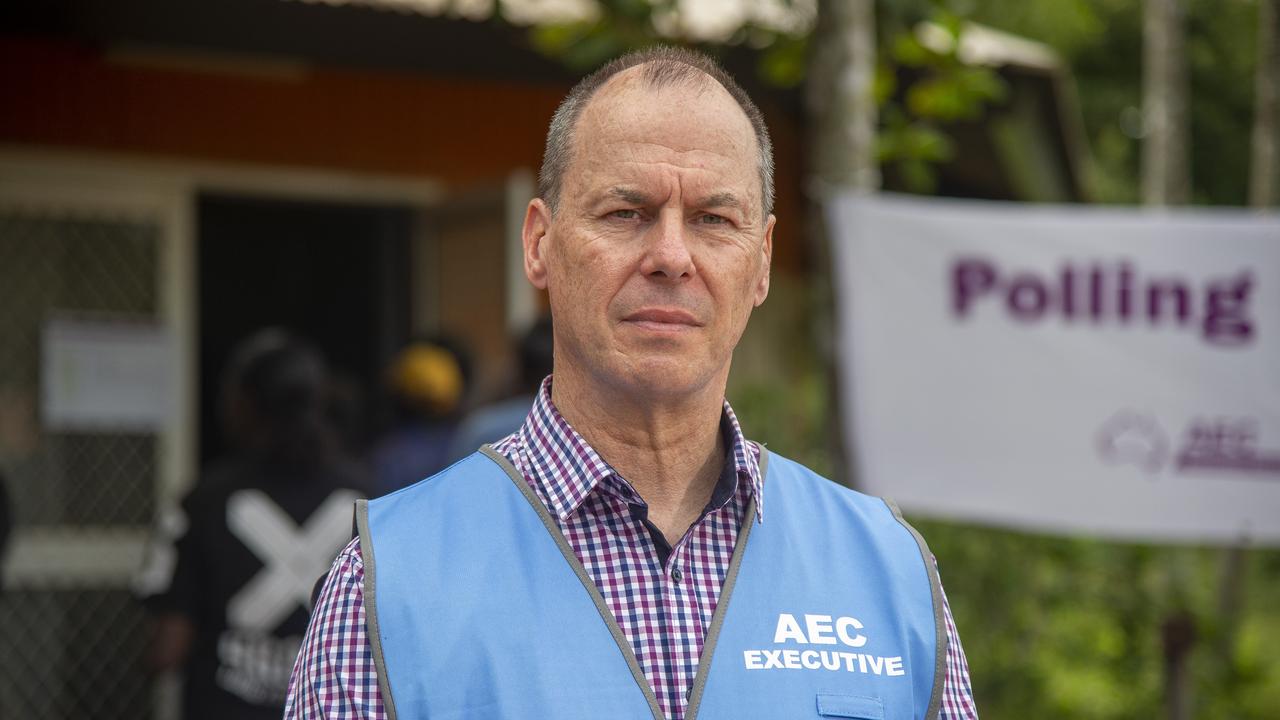
"Public submissions not only indicated a level of disagreement among Tasmanian Aboriginal organisations and individuals about the proposed name but also highlighted a broad sentiment that further consultation was required," Mr Pope said.
An analysis of 272 submissions made by political analyst Kevin Bonham showed that 20 submitters were in favour of the name change, with 234 against.
The proposed name change was prompted by a redistribution moving the seat north, dropping Hobart's southern suburbs and the state's south, and instead extending along the eastern coast.
The AEC asked for suggestions from the community to rename the electorate after a person or place that took in the new boundaries, and settled on Tongerlongeter, given his Oyster Bay nation neatly overlapped with the new electorate.
Cassandra Pybus, who was one of several historians and authors to submit or support the name change, said Tongerlongeter was regarded as akin to an Aboriginal king by the colonial office of the day.
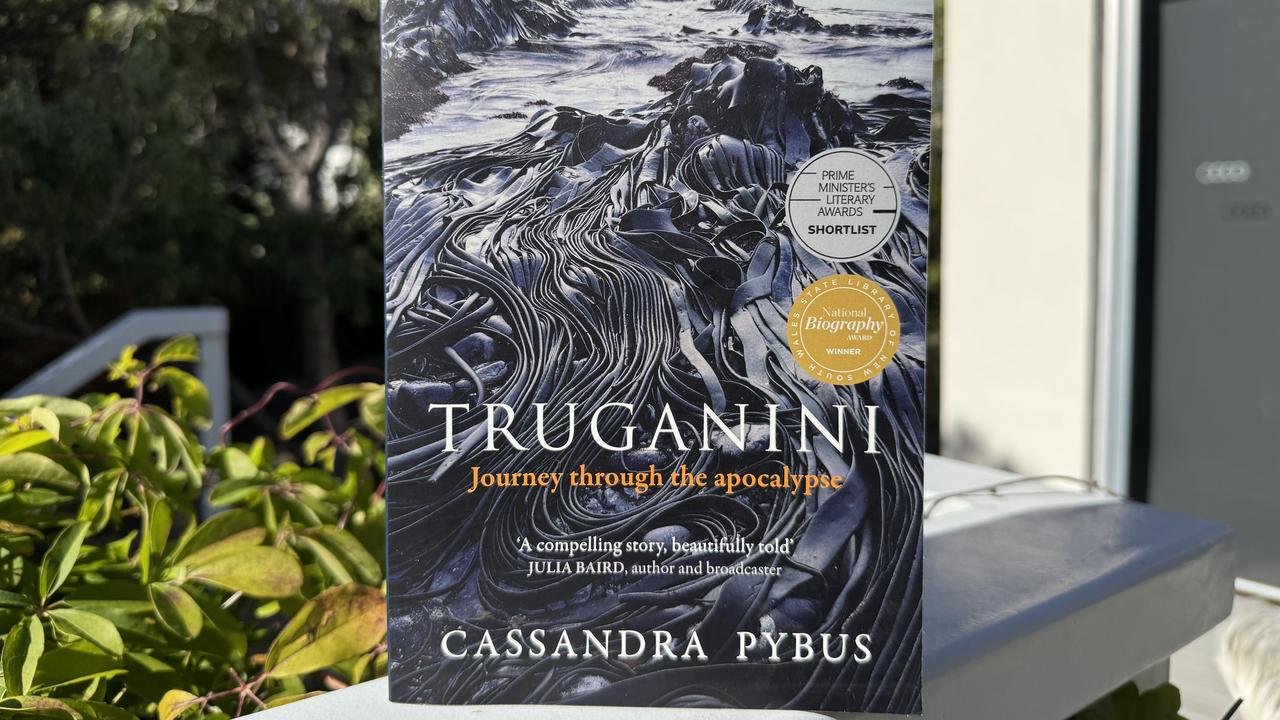
She told AAP she was both heartbroken and outraged to learn the change would not go ahead.
"It's like the Voice referendum. You think that people are ready to take a few baby steps, but no," she said.
"There was a discernible strain in the opposition to the name change that I could only identify as being white nationalism.
"It makes no other sense. Who are the Franklins and what is their connection to this place? Next to nothing."
The seat of Franklin has existed since 1903 in various guises, named after Sir John Franklin, a polar explorer who spent six years as Tasmania's administrator.
Mr Abbott and others argued that the AEC rushed its consultation process to replace the seat, calling it "the latest example of officialdom's tendency to push change-by-stealth".
He cited work by celebrated historian Henry Reynolds that Tongerlongeter and his band of resistance fighters was responsible for the deaths of around 180 settlers.
The AEC's abandonment of its seat renaming means Tasmania remains the only state or territory without an electorate named after an indigenous person or place.
The redistribution, which was finalised on Monday, means that more than a quarter of Tasmania's voters will be shuffled into a new seat at the next federal election.