
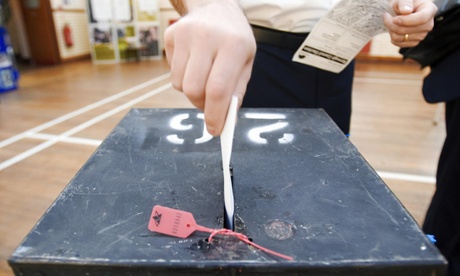
The dust has settled on the 2015 general election and investigations under way. Not only within the Labour party and the others that failed to achieve the results they hoped for, but also within the market research industry. If so many rounds of research could be so far off in their forecast, could it ever be trusted again?
The industry itself has been quick to jump into the debate, with the British Polling Council setting up an independent inquiry to look at possible causes and make recommendations. Meanwhile, the marketing industry is using this as an opportunity to proclaim that it’s time to forget research and move on. But in terms of who to blame, and the need to leave research behind, is it really as simple as that?
The issue instead could lie in what we expect certain types of research to achieve and in a greater scrutiny of its methodology. It’s possible that the election polls were accurate at the time, but only as they reflected how people believed they would vote. Alternatively, it could be that people didn’t want to admit to themselves or others they were voting Tory.
This leads us to question whether or not some of the established measures of research such as “intent to purchase” have always been suspect. If people always were unreliable witnesses to themselves, then surely the increased level of external stimulus (such as peer review media) have loosened any causal link between intended and actual behaviour. Recent research from us at HeyHuman showed that people’s intended purchase got lost along the way, replaced with brands and products they had never originally considered or intended to purchase.
Looking for solutions
It looks like it’s down to the marketing industry to find better solutions and many of the paths taken so far have been unsatisfactory. As agencies we’ve been guilty of labelling market research companies as snake oil salesmen, and clients as spineless for relying on research, as if we have been casual observers from a distance, neither involved nor implicated.
Things should change for the better if we look for solutions that work for everyone. This needs to be a three-way conversation between agencies, market research companies and clients. The general election issues suggest that now is a good time to recognise that the world has changed and that we should challenge some of the accepted wisdom in market research.
These wisdoms include finding comfort in numbers and assuming that bigger sample sizes mean more reliable results in contrast to a deeper focus with smaller numbers of people. It should also be said that focus groups often result in some mind-numbing insights.
Instead, we need to consider real world research, including social media listening and conversation, task-based research and neuroscience. No research is without bias, but this approach recognises that and relies on what people do over what they say, deploying avenues such as neuroscience to unlock the real triggers when people struggle to articulate why they do what they do.
Neil Davidson is managing partner at HeyHuman
This advertisement feature is brought to you by the Marketing Agencies Association, sponsors of the Guardian Media Network’s Agencies hub













