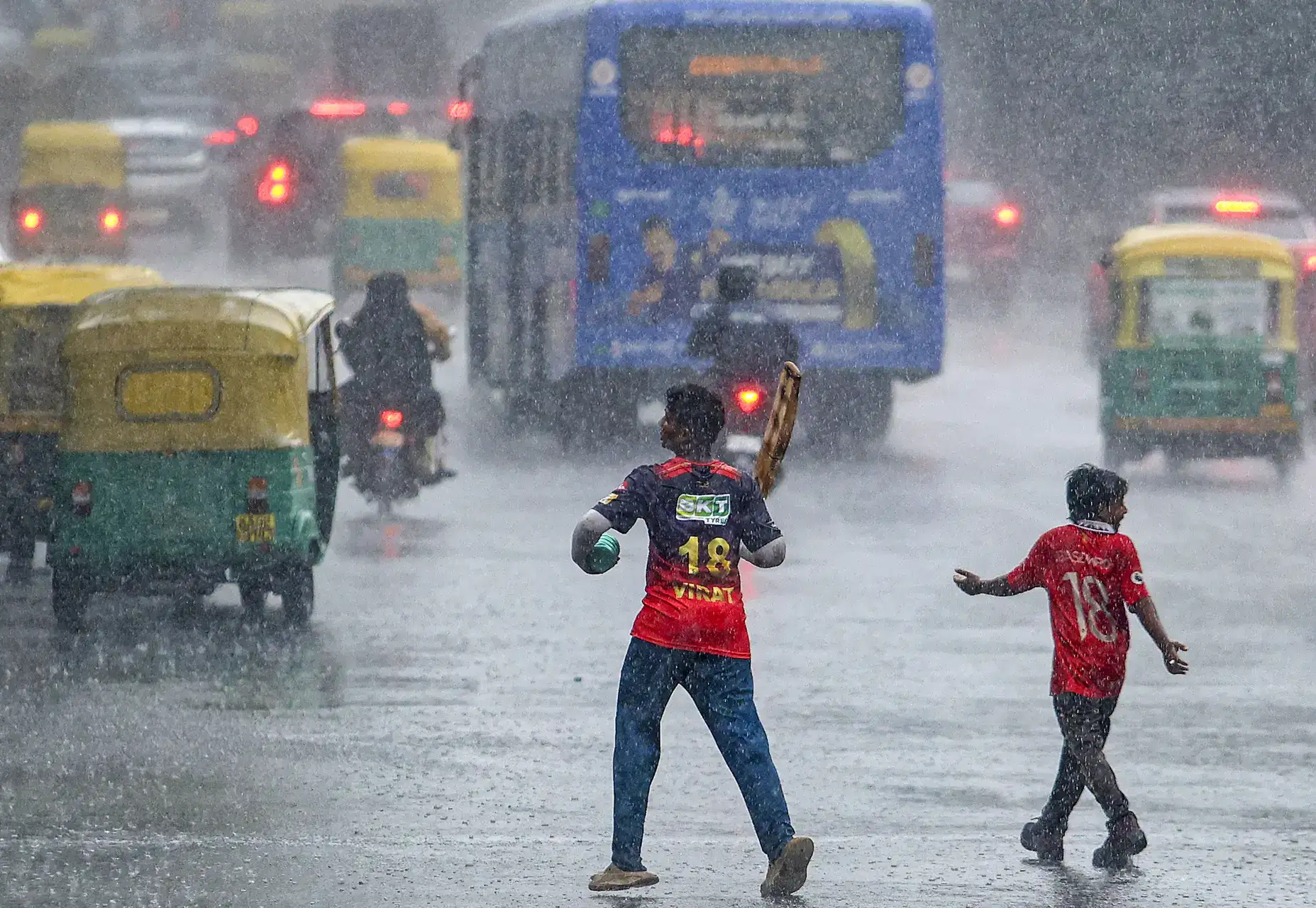
Bengaluru has banned the use of drinking water for non-essential activities such as washing vehicles, watering gardens, cleaning roads and footpaths, and construction work, as the Bangalore Water Supply and Sewerage Board (BWSSB) moved to conserve water amid El Niño-linked disruptions to the monsoon.
The Bangalore Water Supply and Sewerage Board said the restrictions have been introduced to ensure drinking water security for the city while promoting the judicious use and conservation of water.
Also read: The 'little boy' in the Pacific, India's monsoon and the big test ahead
According to the BWSSB, the decision comes in view of disruptions in monsoon rainfall linked to El Niño and the need to prioritise potable water for essential domestic use.
Under the new directives, drinking water can no longer be used for washing vehicles, watering gardens, cleaning roads and footpaths, or for construction activities. The board said the measures form part of a broader water conservation drive aimed at ensuring the sustainable use of available water resources and maintaining adequate drinking water reserves for the city.
India's driest June in over a decade
The restrictions come as India recorded its driest June in more than a decade and the fifth driest since rainfall records began in 1901, with southwest monsoon rainfall ending the month 39.8% below the long-period average, according to India Meteorological Department (IMD) data cited by Reuters.
India received 99.5 mm of rainfall in June against the normal 165.3 mm, after the southwest monsoon reached Kerala three days later than usual and its advance across western farming regions stalled for nearly two weeks, Reuters reported.
Also read: What does a 40% rainfall deficit mean?
The rainfall deficit has slowed the sowing of key kharif crops, including rice, maize, cotton and soybean, while prolonging hot weather across parts of northern India, where maximum temperatures crossed 42 degrees Celsius, according to Reuters.
The southwest monsoon, which delivers about 70% of India's annual rainfall, is critical for replenishing reservoirs and supporting agriculture in the country's nearly $4 trillion economy.
Nearly half of India's farmland lacks irrigation, while around half the population depends on farming for their livelihood.