Get all your news in one place.
100’s of premium titles.
One app.
Start reading
Reuters
Reuters
Business
Kiyoshi Takenaka

Eight years on, water woes threaten Fukushima cleanup

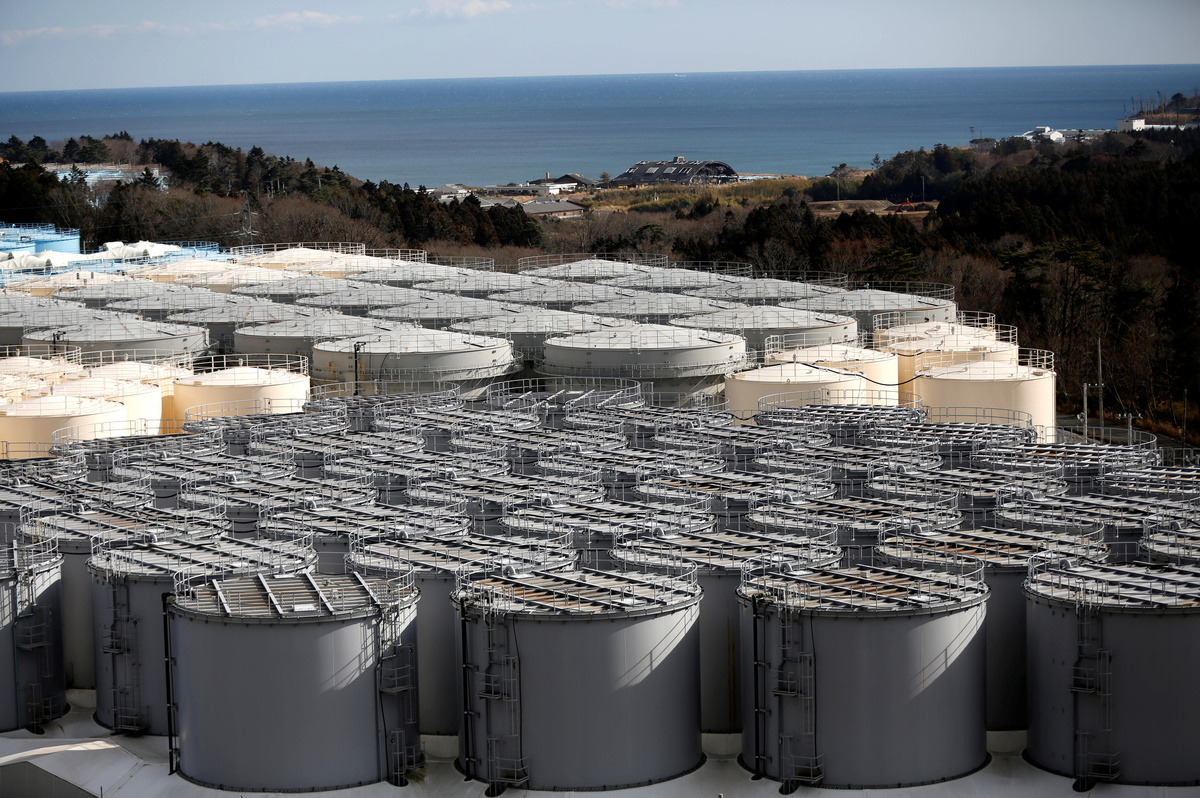
Storage tanks for radioactive water are seen at Tokyo Electric Power Co's (TEPCO) tsunami-crippled Fukushima Daiichi nuclear power plant in Okuma town, Fukushima prefecture, Japan February 18, 2019. Picture taken February 18, 2019. REUTERS/Issei Kato

OKUMA, Japan (Reuters) - Eight years after the Fukushima nuclear crisis, a fresh obstacle threatens to undermine the massive clean-up: 1 million tons of contaminated water must be stored, possibly for years, at the power plant.

Last year, Tokyo Electric Power Co said a system meant to purify contaminated water had failed to remove dangerous radioactive contaminants.
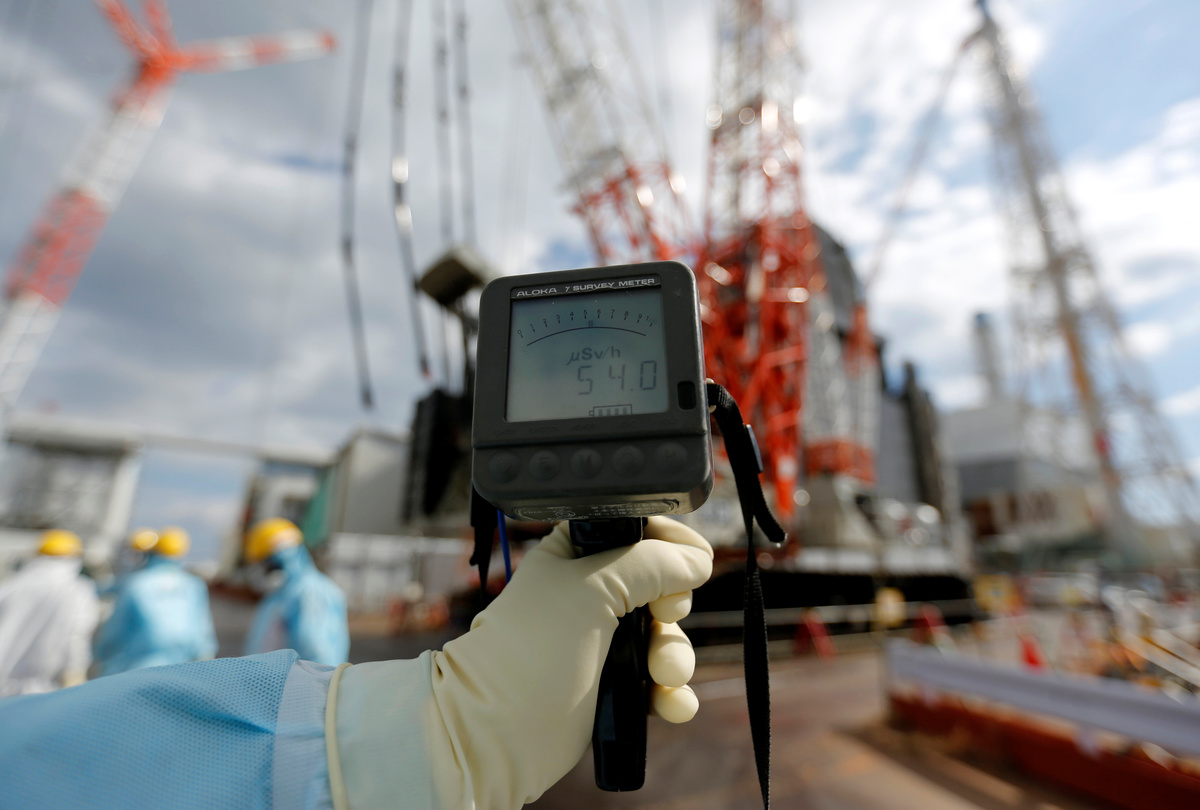
A geiger counter measures a radiation level of 54.0 microsievert per hour near the No.2 and No.3 reactor buildings at Tokyo Electric Power Co's (TEPCO) tsunami-crippled Fukushima Daiichi nuclear power plant in Okuma town, Fukushima prefecture, Japan February 18, 2019. Picture taken February 18, 2019. REUTERS/Issei Kato

That means most of that water - stored in 1,000 tanks around the plant - will need to be reprocessed before it is released into the ocean, the most likely scenario for disposal.

Reprocessing could take nearly two years and divert personnel and energy from dismantling the tsunami-wrecked reactors, a project that will take up to 40 years.

It is unclear how much that would delay decommissioning. But any delay could be pricey; the government estimated in 2016 that the total cost of plant dismantling, decontamination of affected areas, and compensation, would amount to 21.5 trillion yen ($192.5 billion), roughly 20 percent of the country's annual budget.
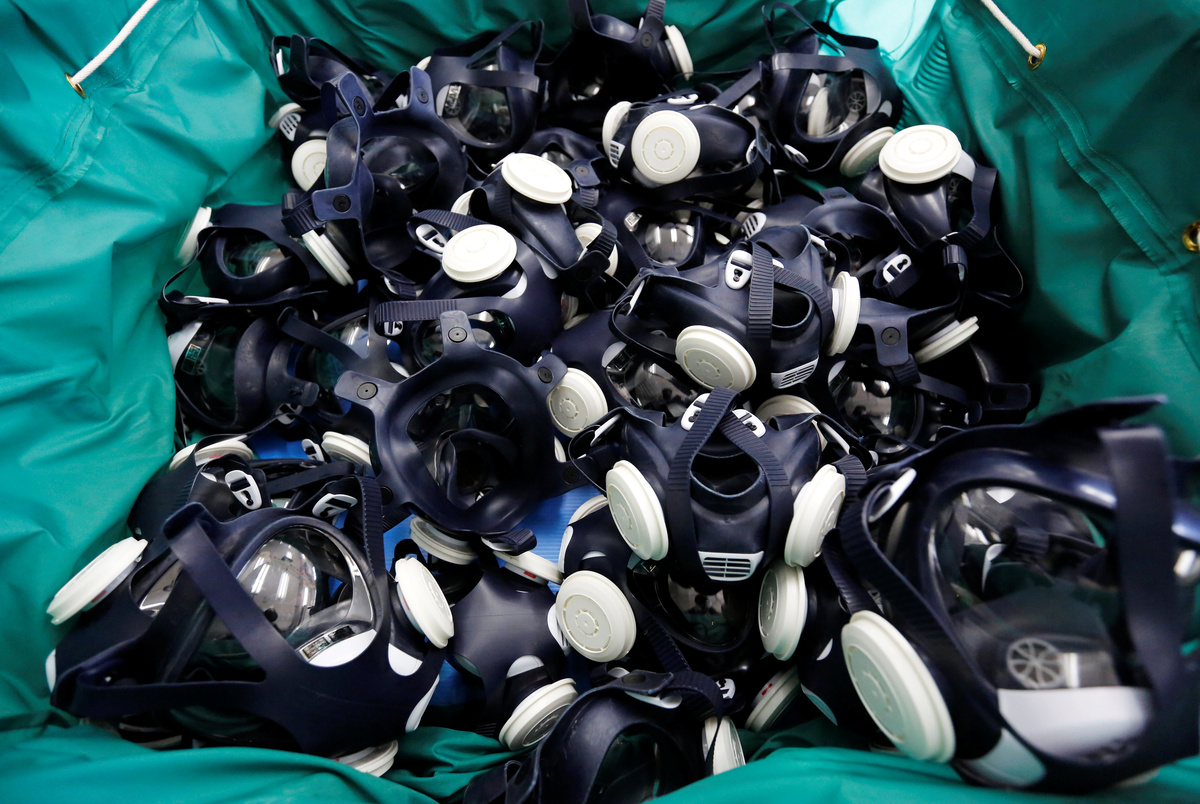
Full-face masks are seen at Tokyo Electric Power Co's (TEPCO) tsunami-crippled Fukushima Daiichi nuclear power plant in Okuma town, Fukushima prefecture, Japan February 18, 2019. Picture taken February 18, 2019. REUTERS/Issei Kato

Tepco is already running out of space to store treated water. And should another big quake strike, experts say tanks could crack, unleashing tainted liquid and washing highly radioactive debris into the ocean.

Fishermen struggling to win back the confidence of consumers are vehemently opposed to releasing reprocessed water - deemed largely harmless by Japan's nuclear watchdog, the Nuclear Regulation Authority (NRA) - into the ocean.

"That would destroy what we've been building over the past eight years," said Tetsu Nozaki, head of the Fukushima Prefectural Federation of Fisheries Co-operative Associations. Last year's catch was just 15 percent of pre-crisis levels, partly because of consumer reluctance to eat fish caught off Fukushima.
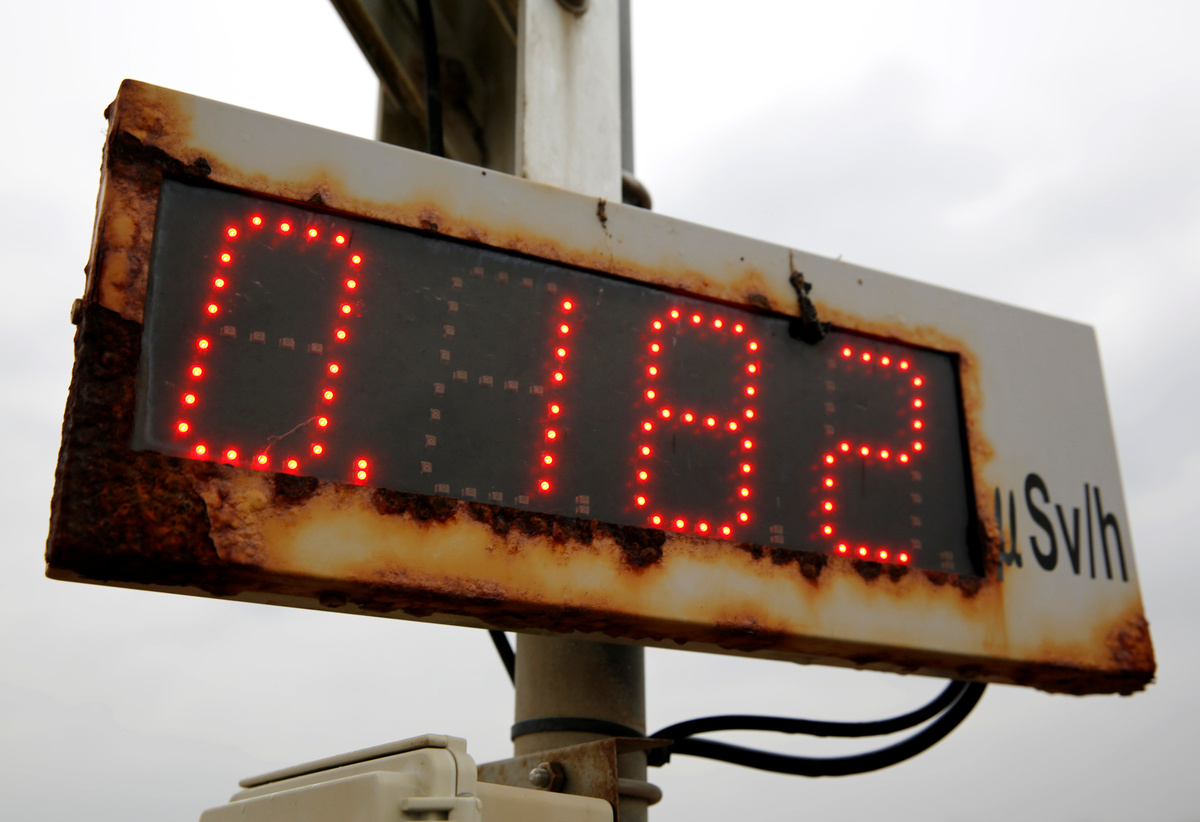
A rust-spotted Geiger counter, measuring a radiation level of 0.182 microsievert per hour, is seen between weeds at an area damaged by the March 11, 2011 tsunami, near Tokyo Electric Power Co's (TEPCO) tsunami-crippled Fukushima Daiichi nuclear power plant, in Namie town, Fukushima prefecture, Japan February 19, 2019. Picture taken February 19, 2019. REUTERS/Issei Kato

SLOW PROGRESS

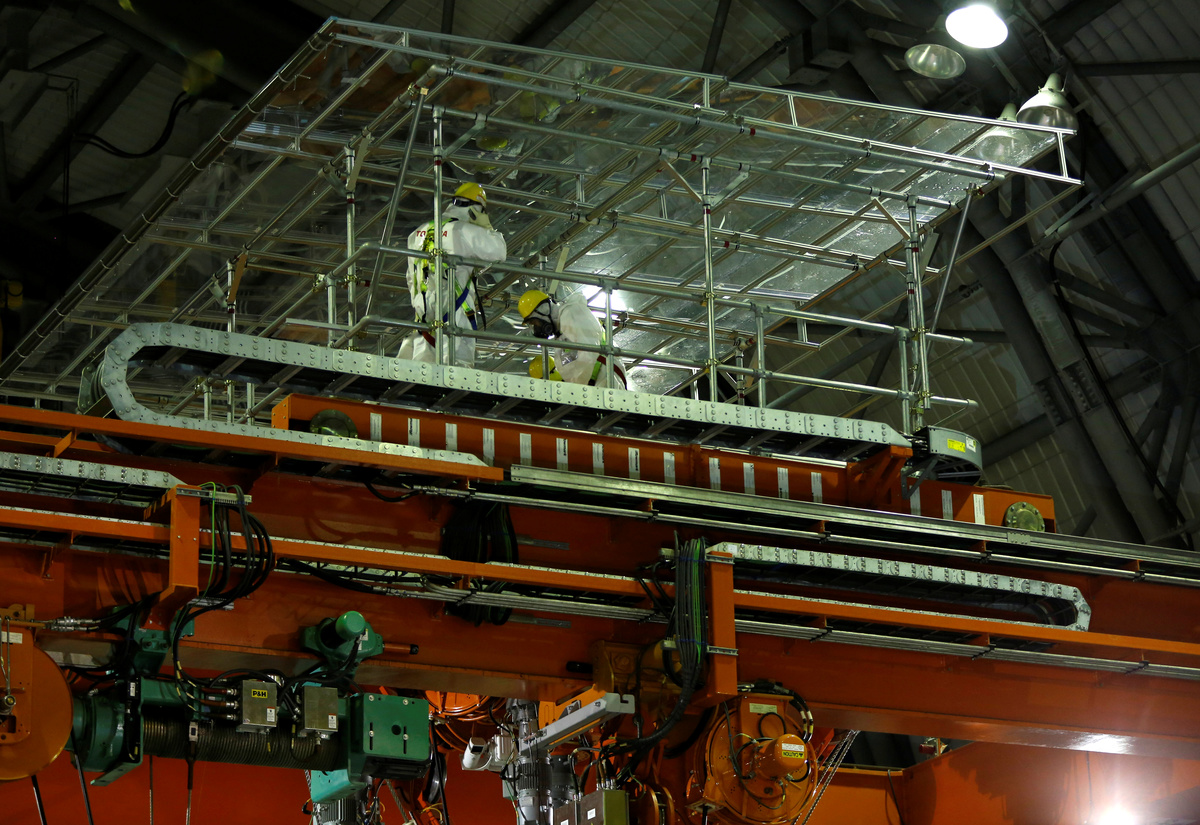
On a visit to the wrecked Fukushima Dai-ichi plant last month, huge cranes hovered over the four reactor buildings that hug the coast. Workers could be seen atop the No. 3 building getting equipment ready to lift spent fuel rods out of a storage pool, a process that could start next month.
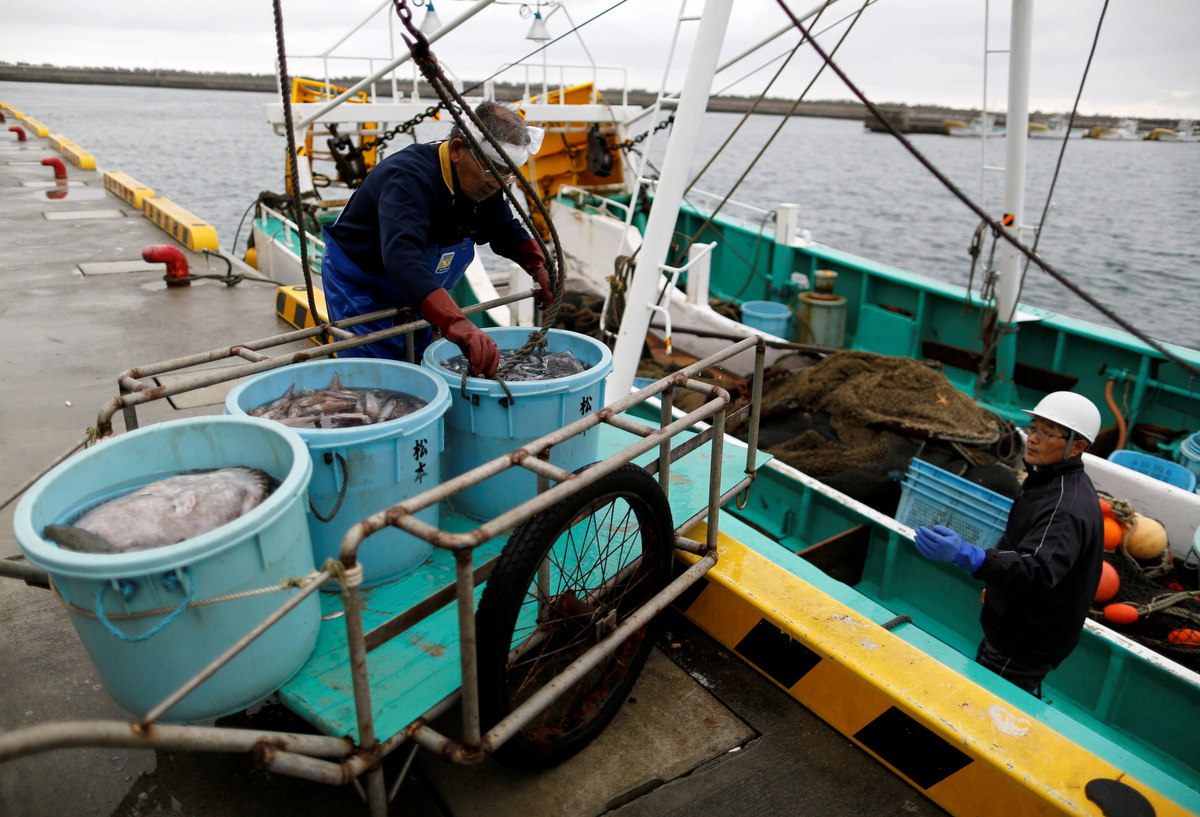
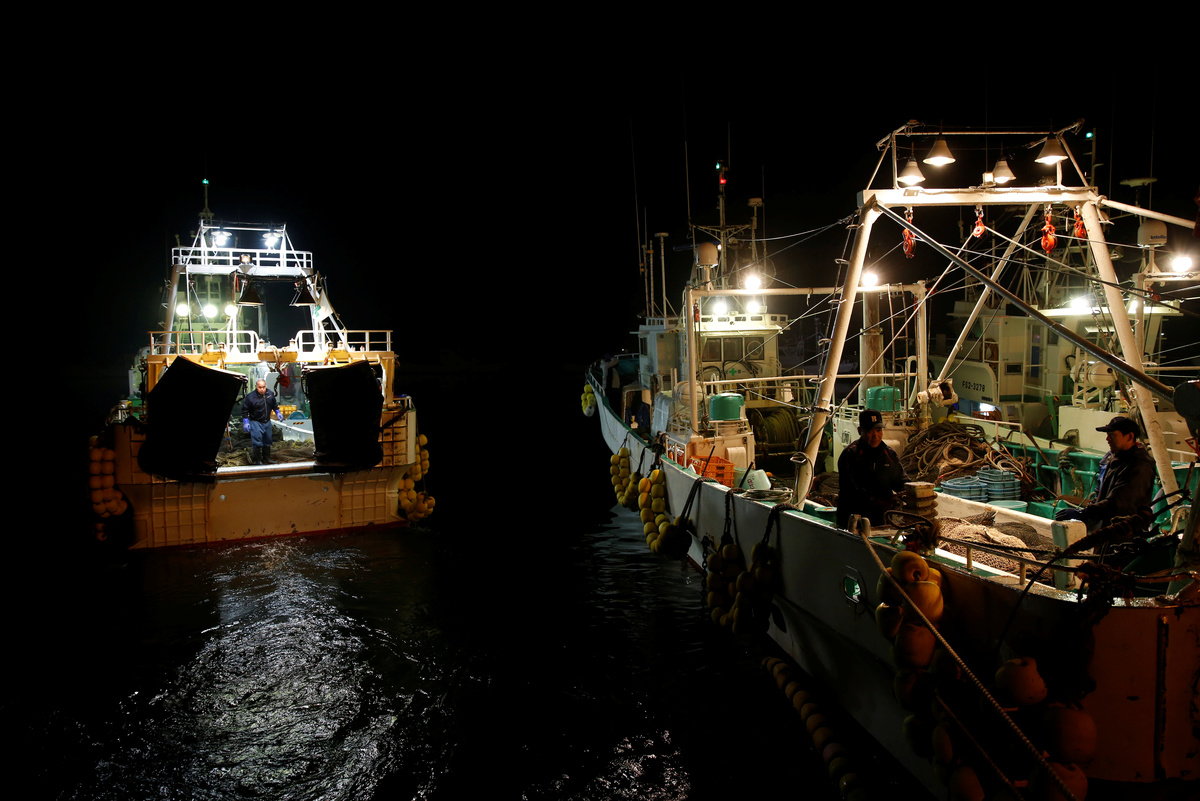
A trawler ship Seiko-maru captain Koichi Matsumoto, 64, and a crew member land a catch of fish after a trial fishing operation at Matsukawaura fishing port in Soma, Fukushima prefecture, Japan February 20, 2019. Picture taken February 20, 2019. REUTERS/Issei Kato

In most areas around the plant, workers no longer need to wear face masks and full body suits to protect against radiation. Only the reactor buildings or other restricted areas require special equipment.

Fanning out across the plant's property are enough tanks to fill 400 Olympic-sized swimming pools. Machines called Advanced Liquid Processing Systems, or ALPS, had treated the water inside them.

Tepco said the equipment could remove all radionuclides except tritium, a relatively harmless hydrogen isotope that is hard to separate from water. Tritium-laced water is released into the environment at nuclear sites around the world.
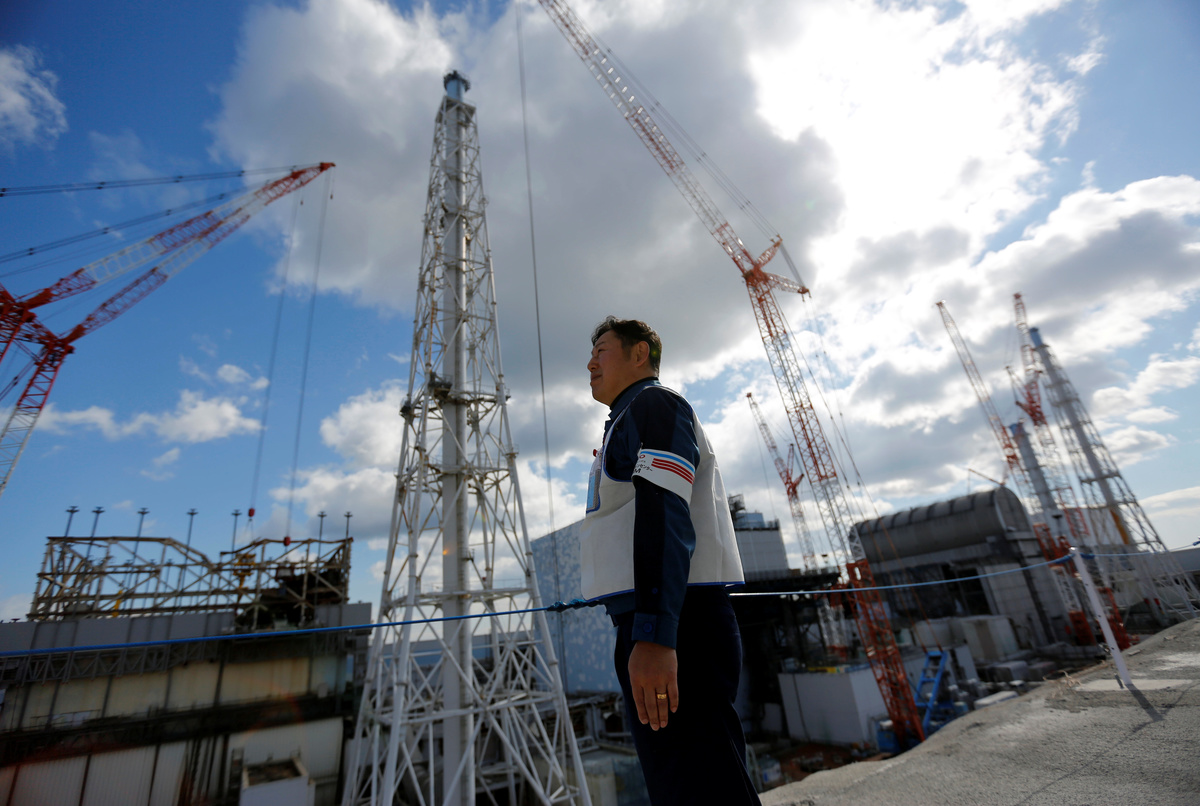
An employee of Tokyo Electric Power Co's (TEPCO) stands in front of reactor buildings (L-R) No.1, No.2, No.3 and No.4 at tsunami-crippled Fukushima Daiichi nuclear power plant in Okuma town, Fukushima prefecture, Japan February 18, 2019. Picture taken February 18, 2019. REUTERS/Issei Kato

But after newspaper reports last year questioned the effectiveness of ALPS-processed water, Tepco acknowledged that strontium-90 and other radioactive elements remained in many of the tanks.

Tepco said the problems occurred because absorbent materials in the equipment had not been changed frequently enough.

The utility has promised to re-purify the water if the government decides that releasing it into the ocean is the best solution. It is the cheapest of five options a government task force considered in 2016; others included evaporation and burial.
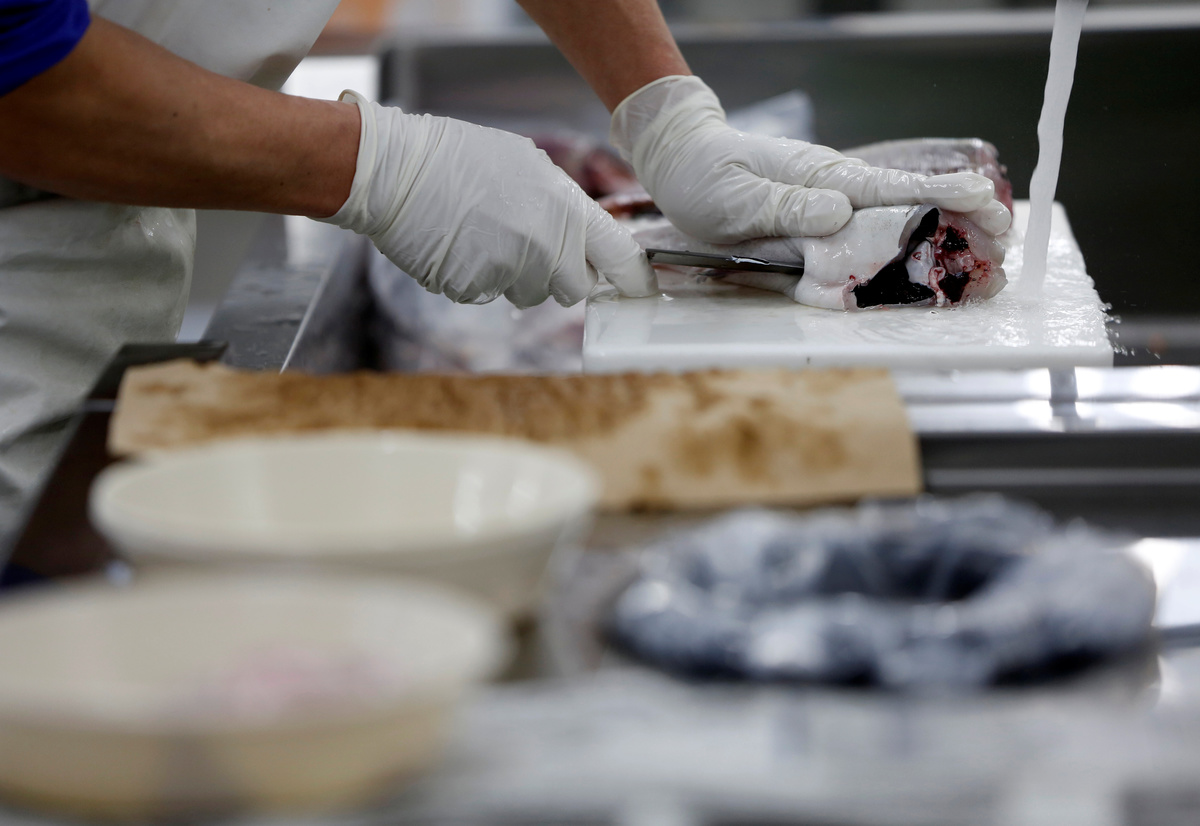
A laboratory staff member chops fish while preparing it for radiation measurement testing at Matsukawaura fishing port in Soma, Fukushima prefecture, Japan February 20, 2019. Picture taken February 20, 2019. REUTERS/Issei Kato

Tepco and the government are now waiting for another panel of experts to issue recommendations. The head of the panel declined an interview request. No deadline has been set.

NRA chief Toyoshi Fuketa believes ocean release after dilution is the only feasible way to handle the water problem. He has warned that postponing the decision indefinitely could derail the decommissioning project.
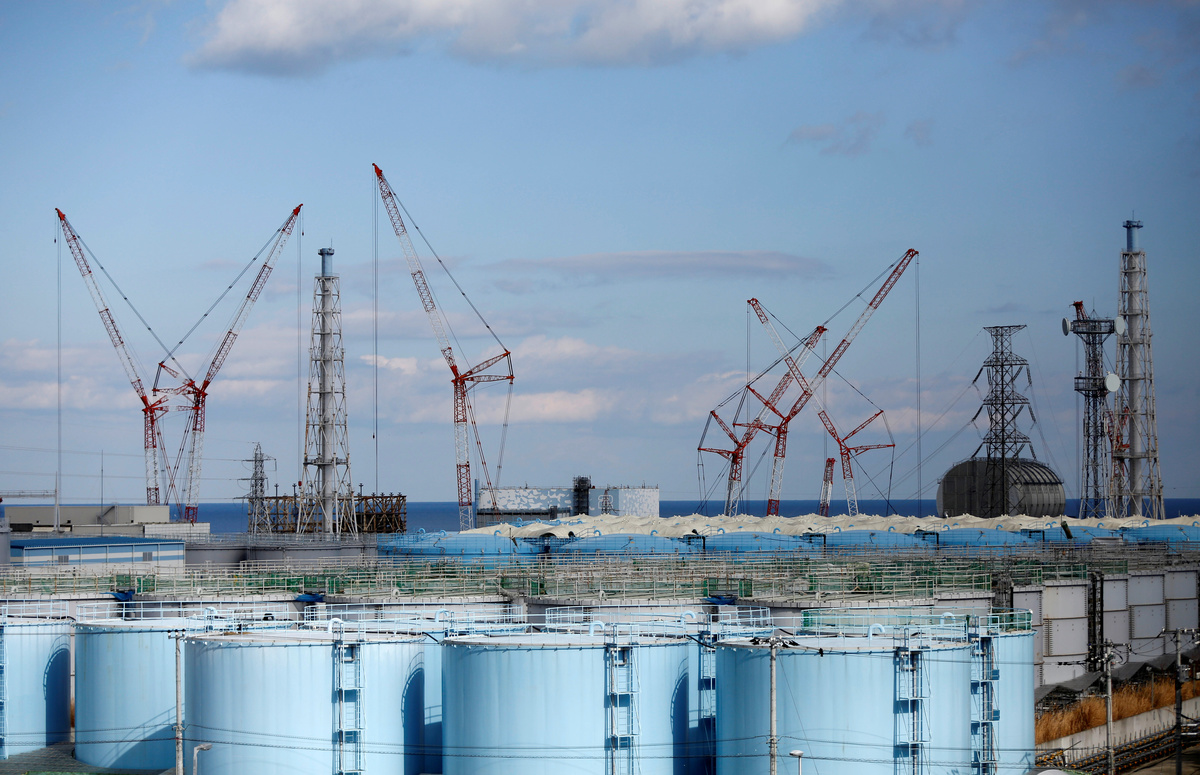
The reactor units No.1 to 4 are seen over storage tanks for radioactive water at Tokyo Electric Power Co's (TEPCO) tsunami-crippled Fukushima Daiichi nuclear power plant in Okuma town, Fukushima prefecture, Japan February 18, 2019. Picture taken February 18, 2019. REUTERS/Issei Kato

STORING INDEFINITELY

Another option is to store the water for decades in enormous tanks normally used for crude oil. The tanks have been tested for durability, said Yasuro Kawai, a plant engineer and a member of Citizens' Commission on Nuclear Energy, a group advocating abandoning nuclear energy.

Each tank holds 100,000 tons, so 10 such tanks could store the roughly 1 million tons of water processed by ALPS so far, he said.
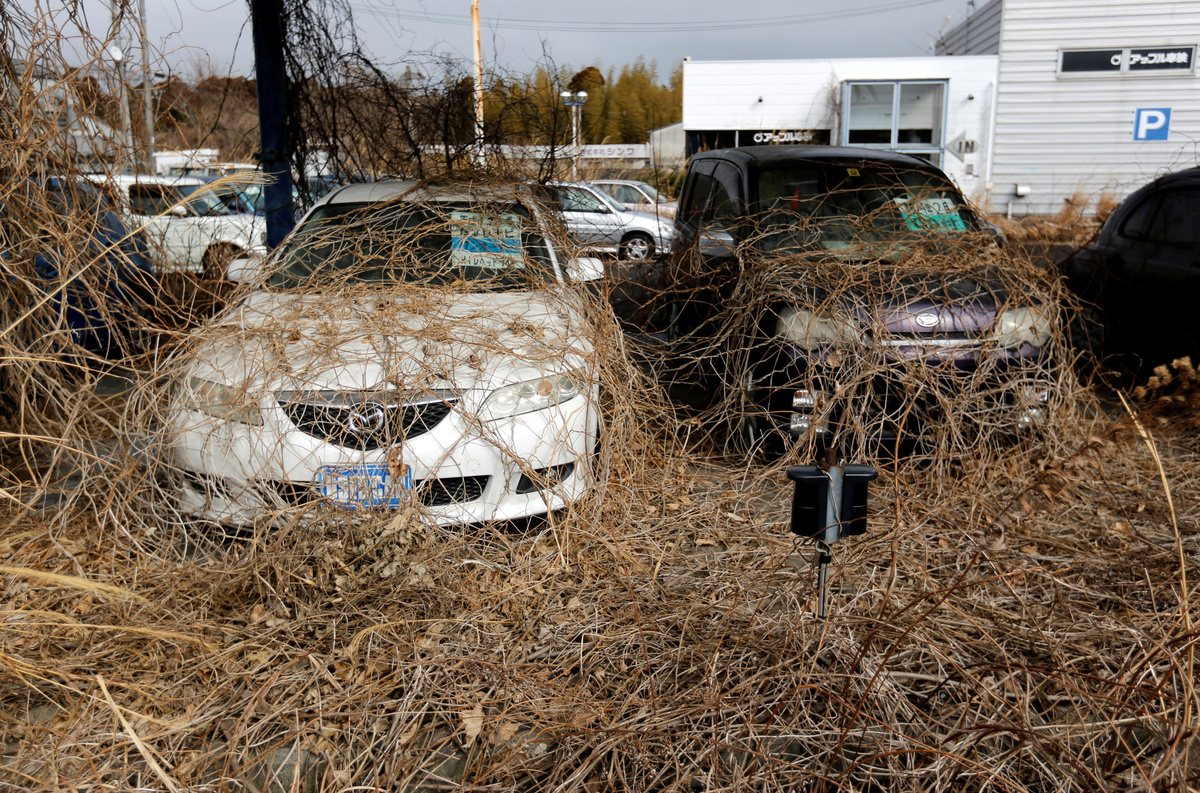
Abandoned cars are covered by weeds in Okuma town, near Tokyo Electric Power Co's (TEPCO) tsunami-crippled Fukushima Daiichi nuclear power plant, Fukushima prefecture, Japan February 20, 2019. Picture taken February 20, 2019. REUTERS/Issei Kato

The commission proposes holding the tritium-laced water, which has a half life of 12.3 years, in tanks for 123 years. After that, it will be one thousandth as radioactive as it was when it went into storage.

Although experts caution that tanks would be vulnerable to major quakes, Japan's trade and industry minister, Hiroshige Seko, said the committee would consider them anyway.

"Long-term storage ... has an upside as radiation levels come down while it is in storage. But there is a risk of leakage," Seko told Reuters. "It is difficult to hold the water indefinitely, so the panel will also look into how it should be disposed of eventually."
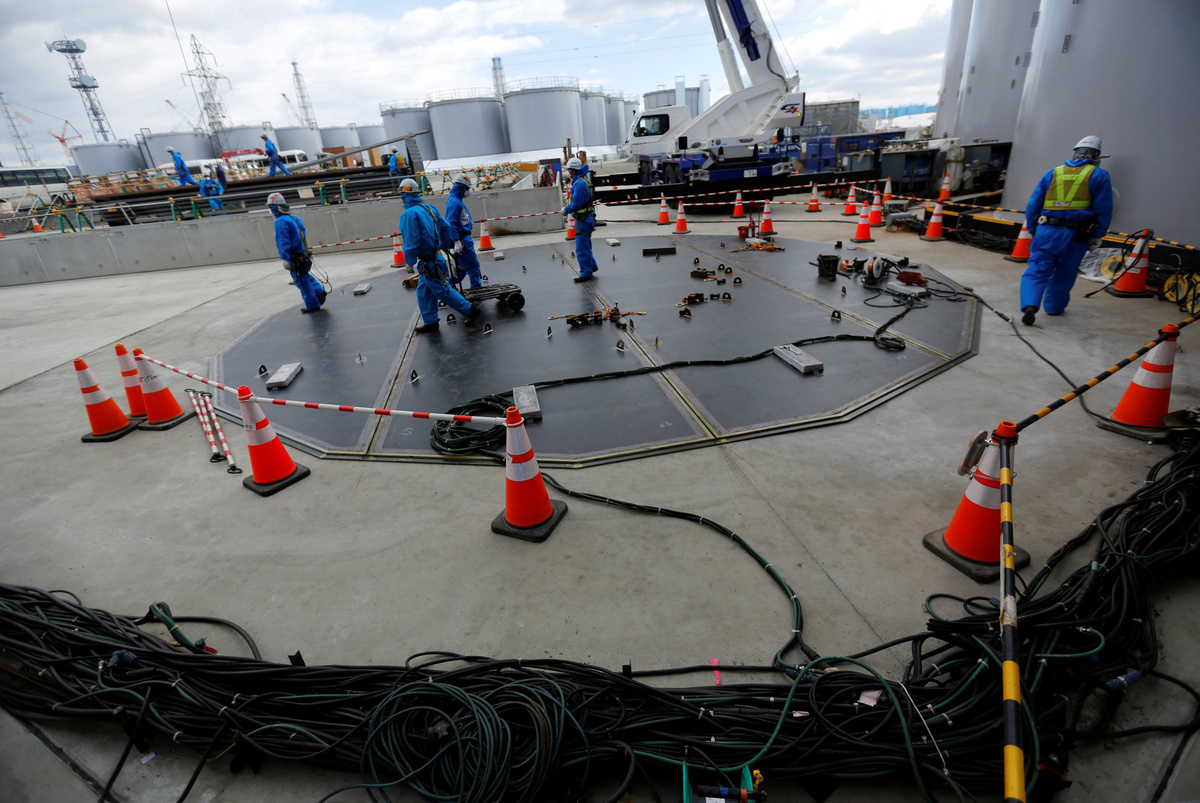
Workers conduct construction task for a storage tank for radioactive water at Tokyo Electric Power Co's (TEPCO) tsunami-crippled Fukushima Daiichi nuclear power plant in Okuma town, Fukushima prefecture, Japan February 18, 2019. Picture taken February 18, 2019. REUTERS/Issei Kato

Space is also a problem, said Akira Ono, Tepco's chief decommissioning officer. By 2020, the utility will expand tank storage capacity by 10 percent to 1.37 million tons, and about 95 percent of total capacity will probably be used by the end of that year, he said.

"Tanks are now being built on flat, elevated spots in stable locations," Ono said. But such ideal space is getting scarce, he added.

Many local residents hope Tepco will just keep storing the water. If it does get released into the ocean, "everyone would sink into depression," said fishing trawler captain Koichi Matsumoto.
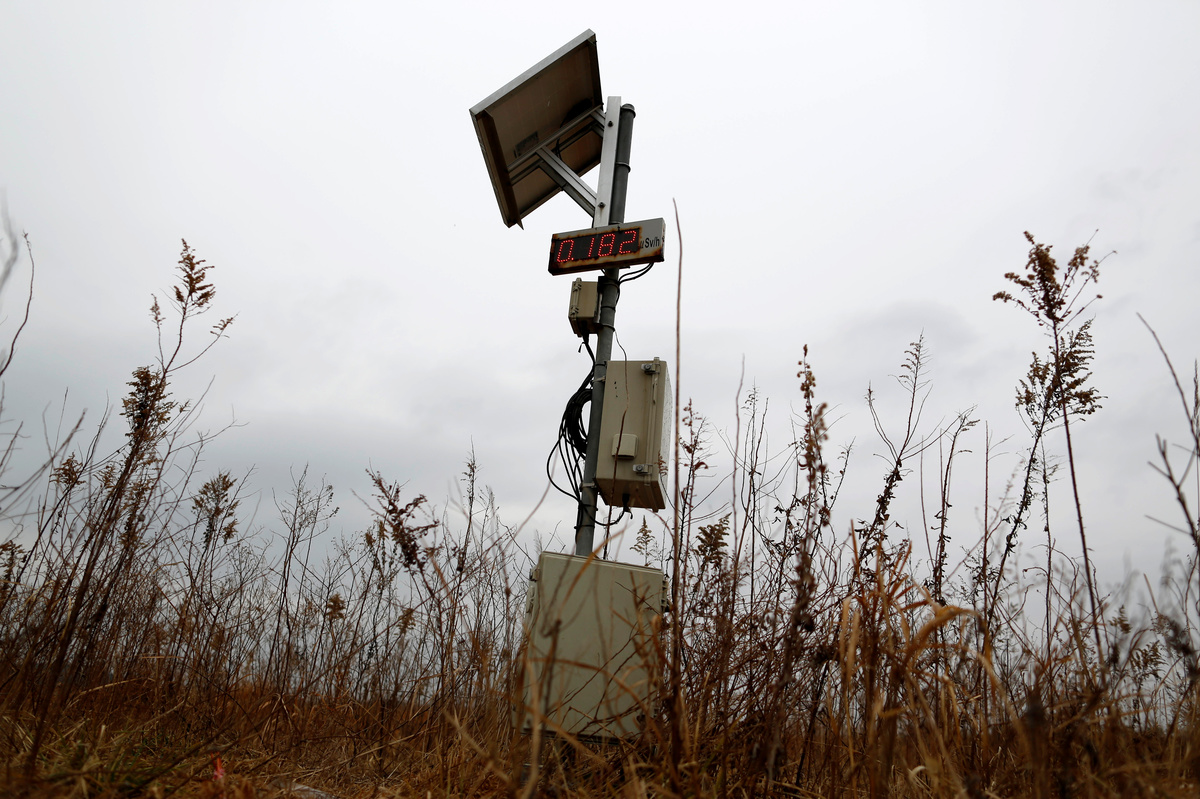
A rust-spotted Geiger counter, measuring a radiation level of 0.182 microsievert per hour, is seen between weeds at an area damaged by the March 11, 2011 tsunami, near Tokyo Electric Power Co's (TEPCO) tsunami-crippled Fukushima Daiichi nuclear power plant, in Namie town, Fukushima prefecture, Japan February 19, 2019. Picture taken February 19, 2019. REUTERS/Issei Kato

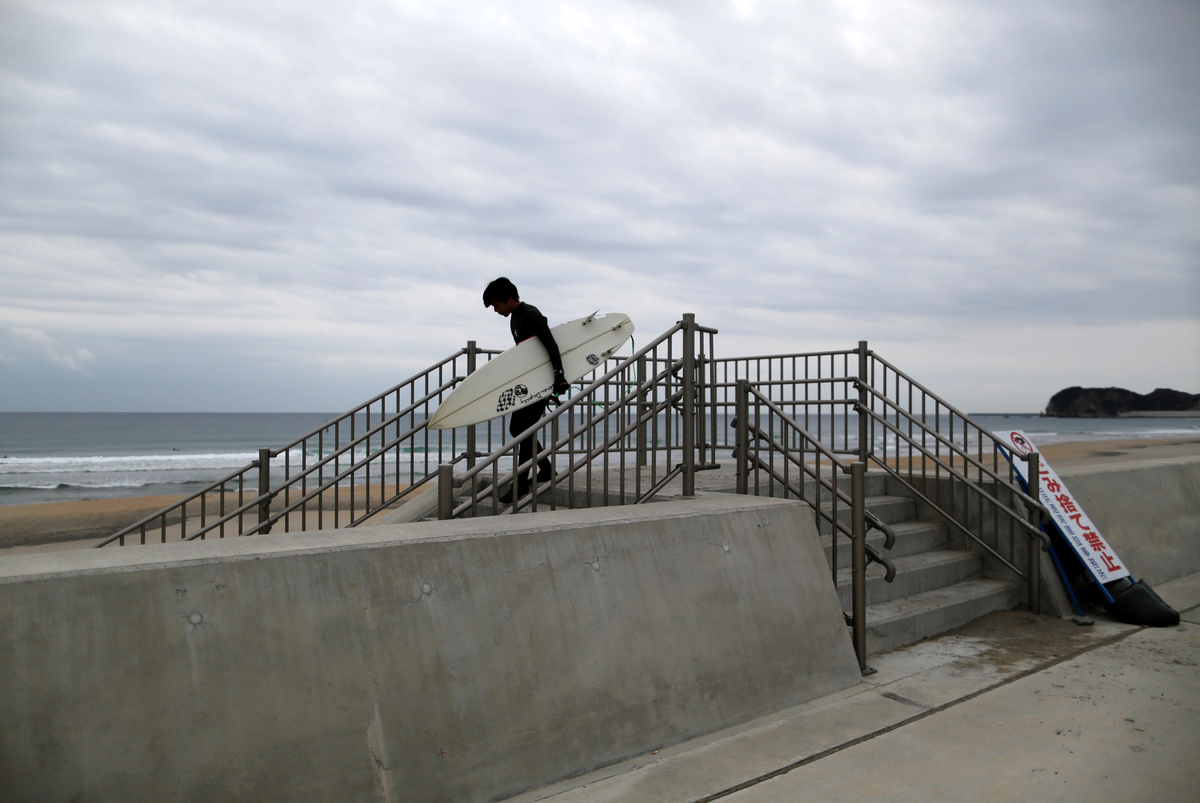
Fukushima was once popular with surfers. But young people in the area do not go surfing any more because they've been repeatedly warned about suspected radioactivity in the water, said surf shop owner Yuichiro Kobayashi.

Releasing treated water from the plant "could end up chasing the next generation of children away from the sea as well," he said.

Ono says dealing with contaminated water is one of many complex issues involved in decommissioning.
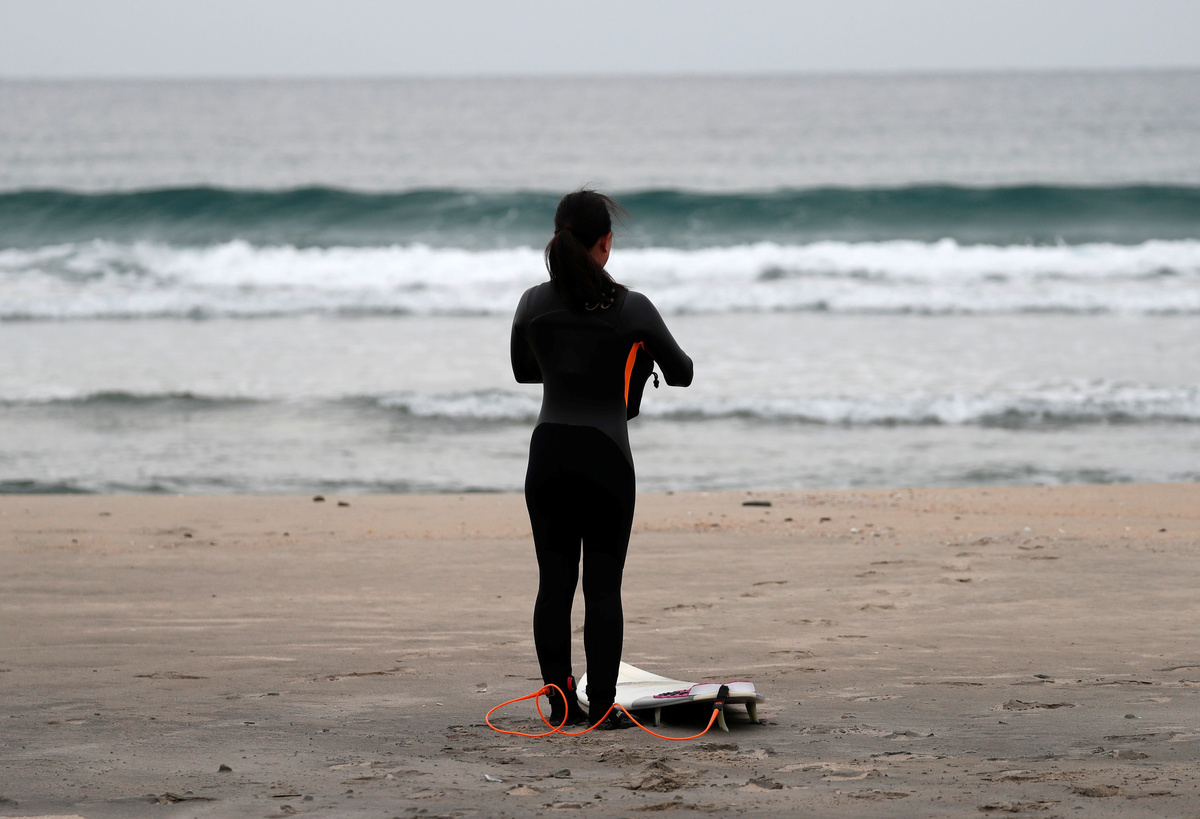
A female surfer is seen at Toyoma Beach, near Tokyo Electric Power Co's (TEPCO) tsunami-crippled Fukushima Daiichi nuclear power plant, in Iwaki, Fukushima prefecture, Japan February 19, 2019. Picture taken February 19, 2019. REUTERS/Issei Kato

A year ago, when he took over leading the effort, it felt like the project had just "entered the trailhead," he said. "Now, it feels like we're really starting to climb."
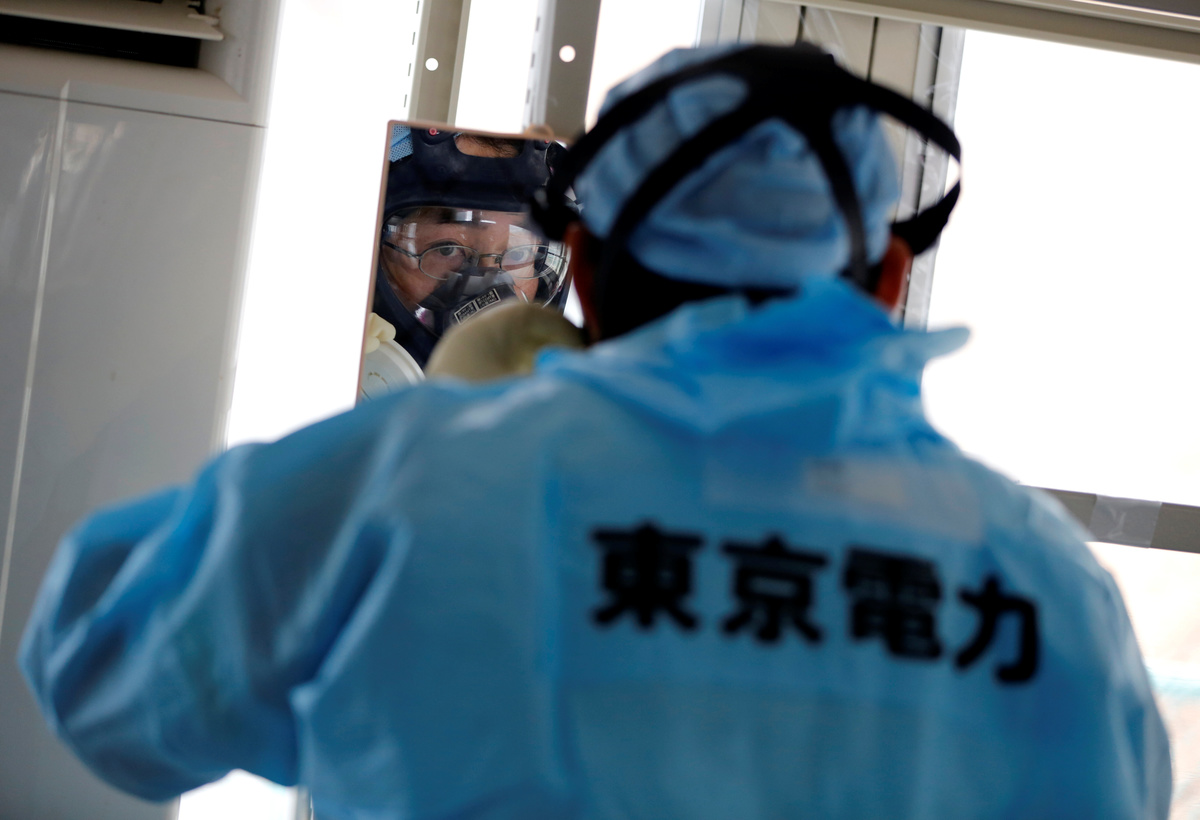
An employee of Tokyo Electric Power Co's (TEPCO) tries to wear protective suit and full-face mask at tsunami-crippled Fukushima Daiichi nuclear power plant in Okuma town, Fukushima prefecture, Japan February 18, 2019. Picture taken February 18, 2019. REUTERS/Issei Kato

(Reporting by Kiyoshi Takenaka; Editing by Malcolm Foster and Gerry Doyle)
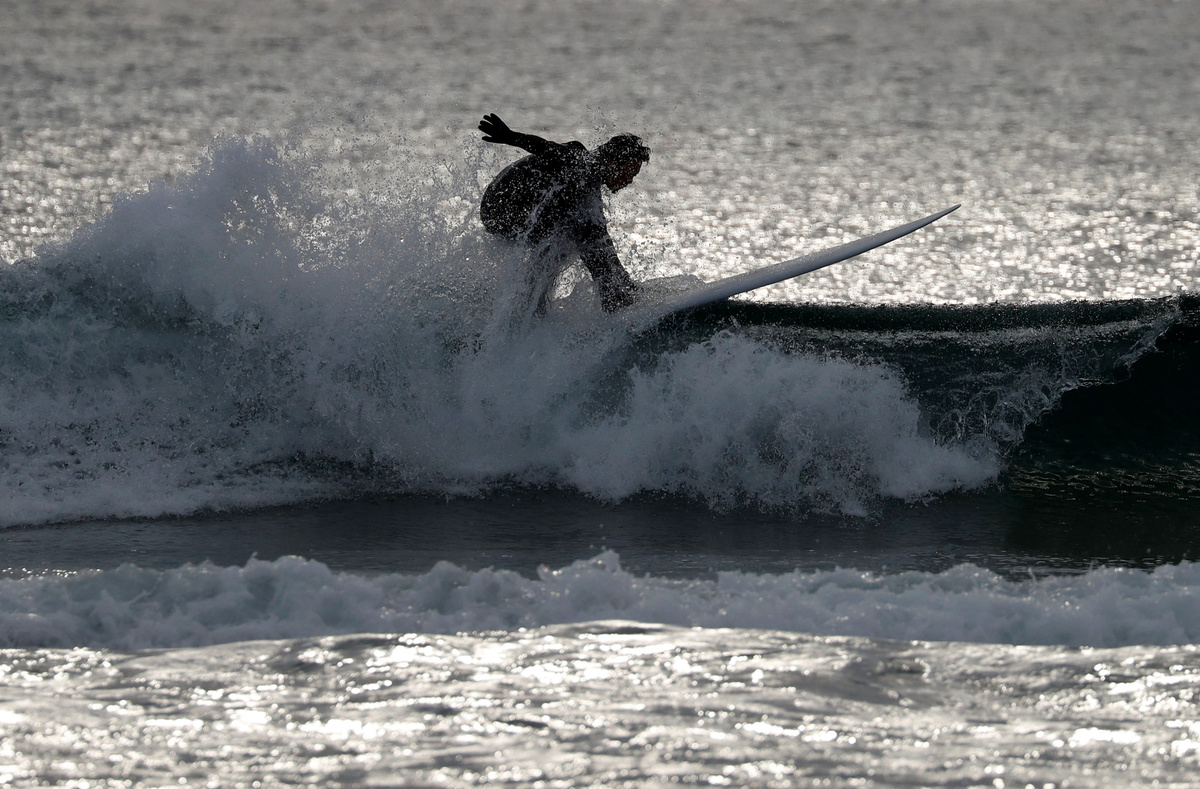
A man surfs a wave at Toyoma Beach, near Tokyo Electric Power Co's (TEPCO) tsunami-crippled Fukushima Daiichi nuclear power plant, in Iwaki, Fukushima prefecture, Japan February 19, 2019. Picture taken February 19, 2019. REUTERS/Issei Kato
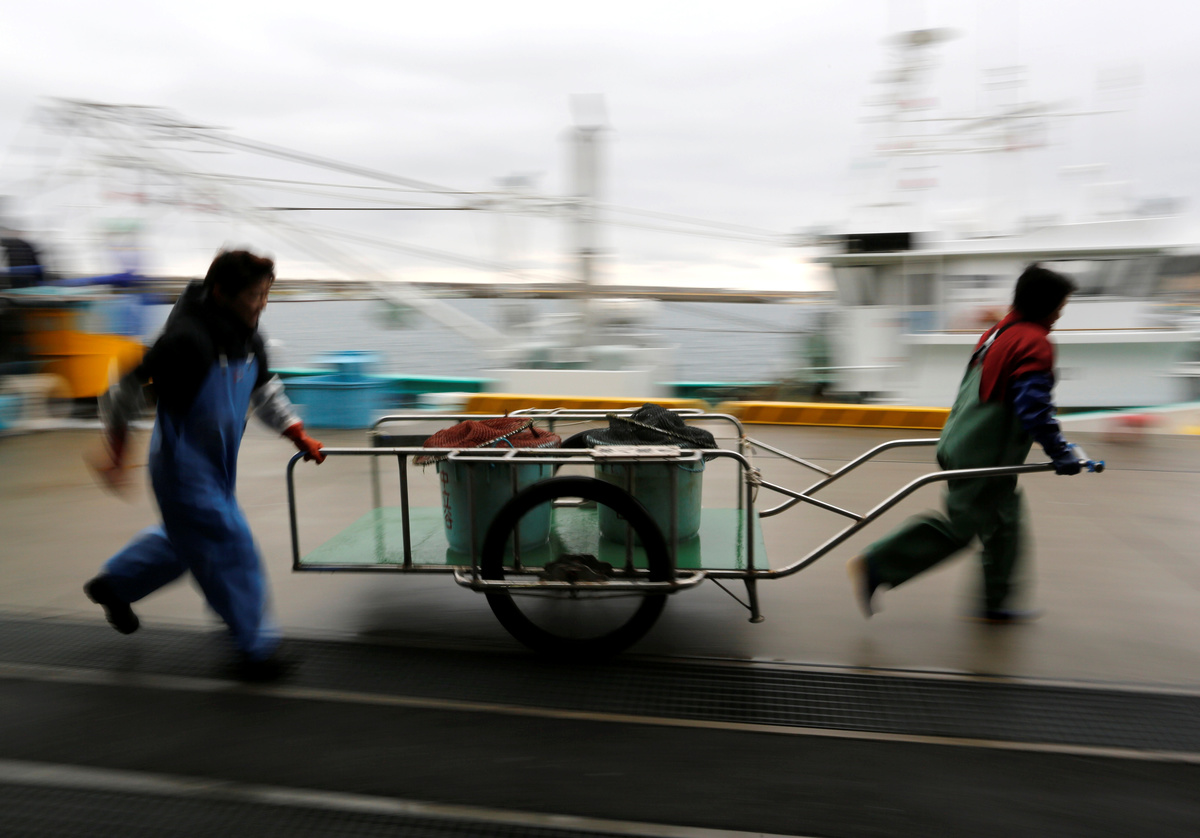
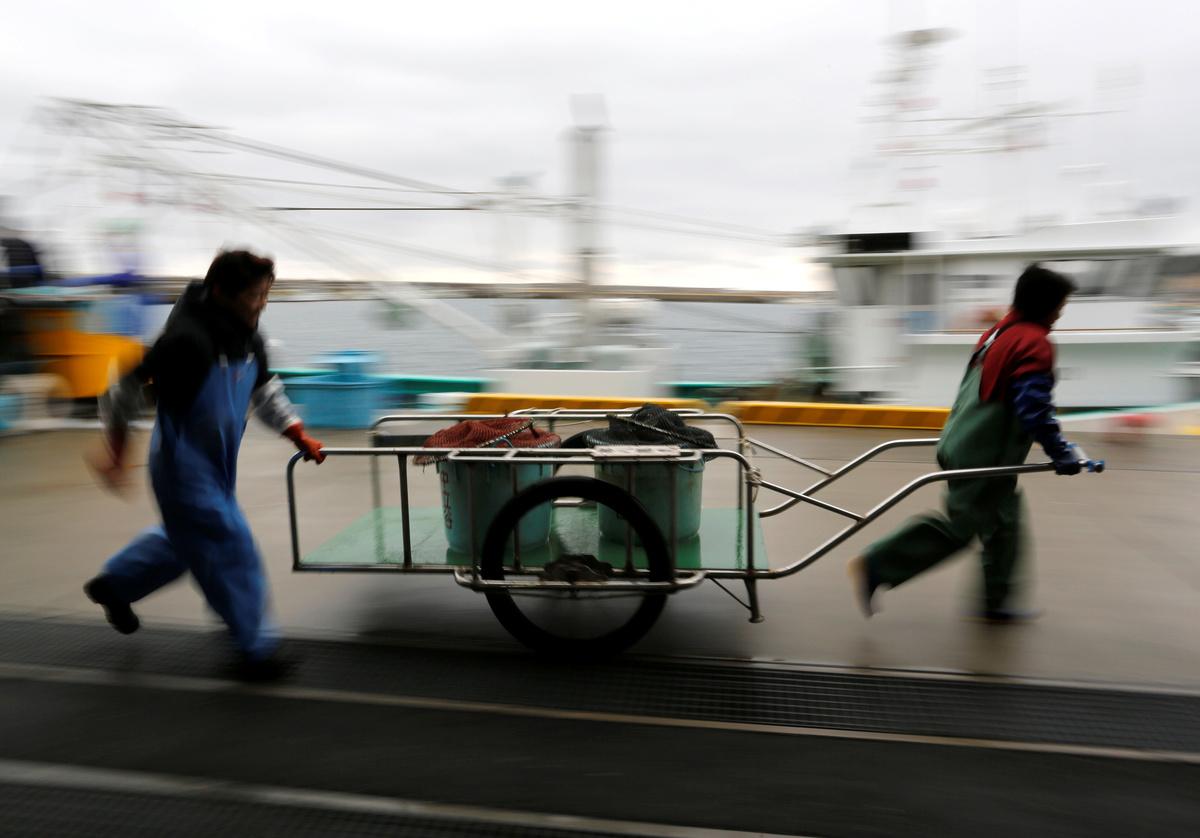
Workers rush to carry fishes after trial fishing operation at Matsukawaura fishing port in Soma, Fukushima prefecture, Japan February 20, 2019. Picture taken February 20, 2019. REUTERS/Issei Kato
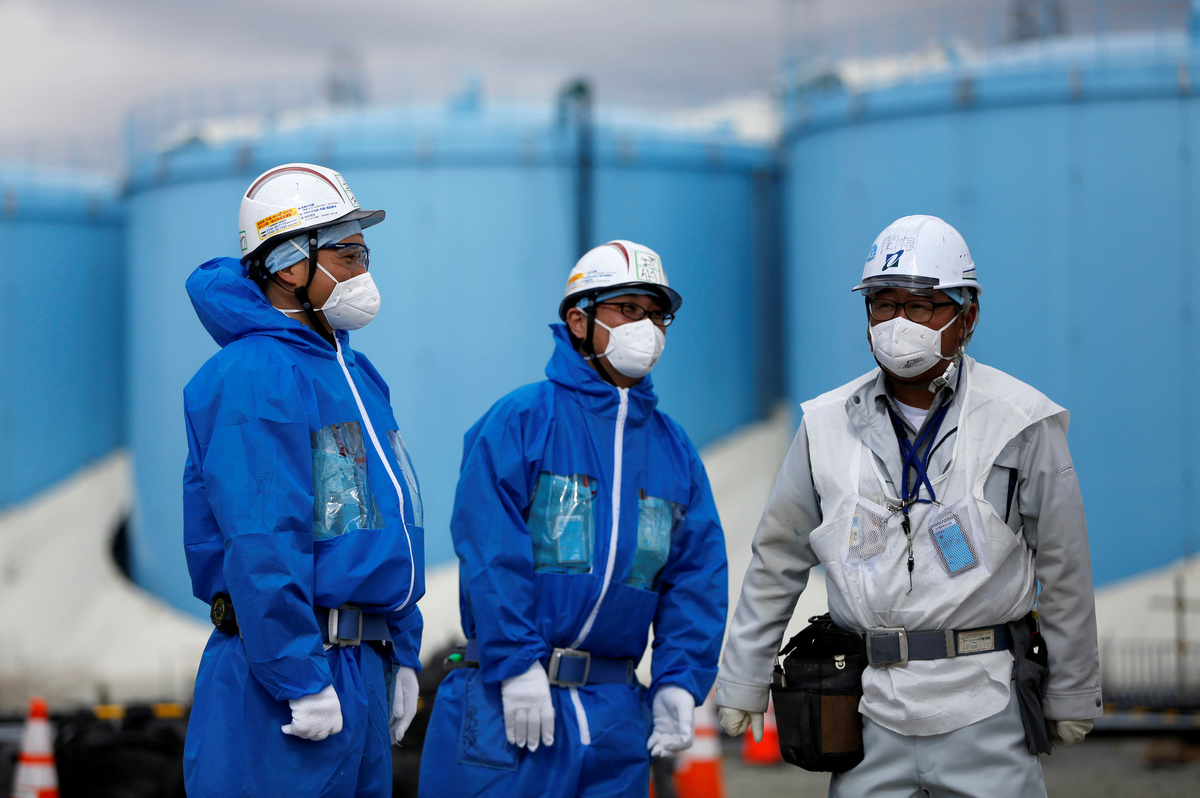
Workers are seen in front of storage tanks for radioactive water at Tokyo Electric Power Co's (TEPCO) tsunami-crippled Fukushima Daiichi nuclear power plant in Okuma town, Fukushima prefecture, Japan February 18, 2019. Picture taken February 18, 2019. REUTERS/Issei Kato
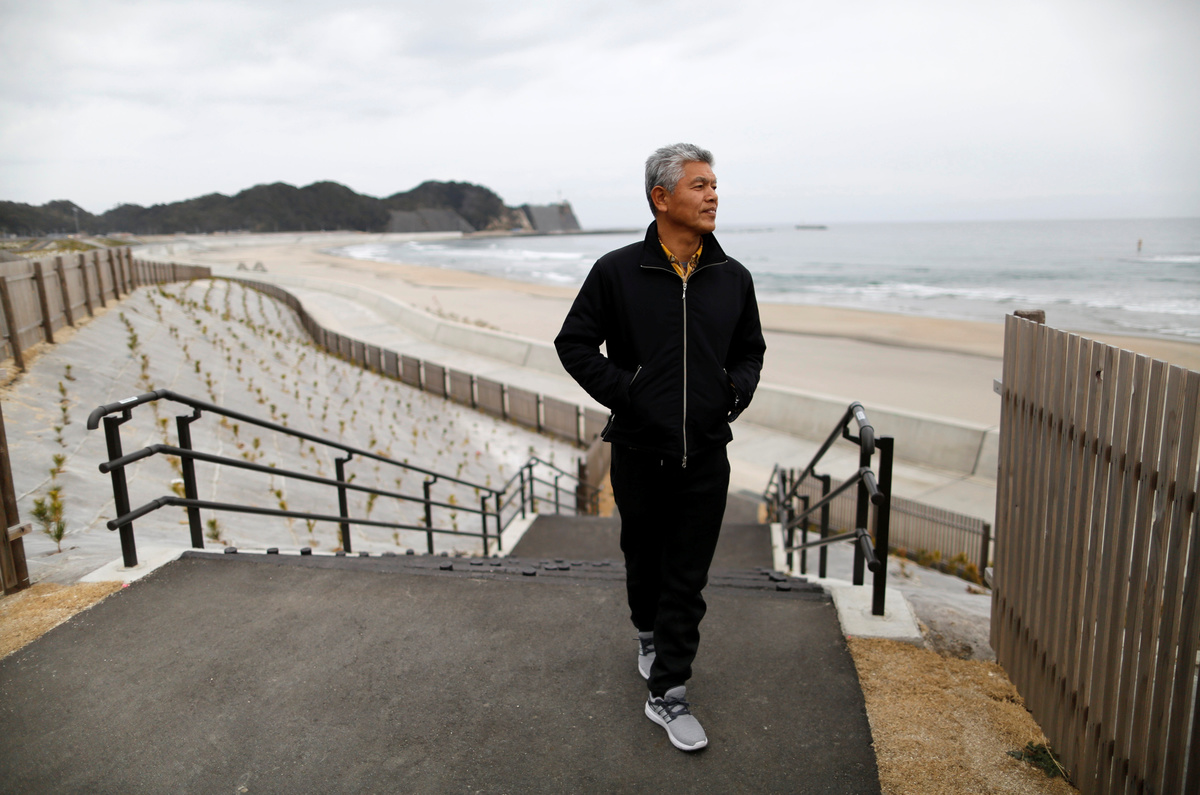
Yuichiro Kobayashi, a surfing shop owner, walks on a newly-built coastal barrier at Toyoma Beach, near Tokyo Electric Power Co's (TEPCO) tsunami-crippled Fukushima Daiichi nuclear power plant, in Iwaki, Fukushima prefecture, Japan February 19, 2019. Picture taken February 19, 2019. REUTERS/Issei Kato
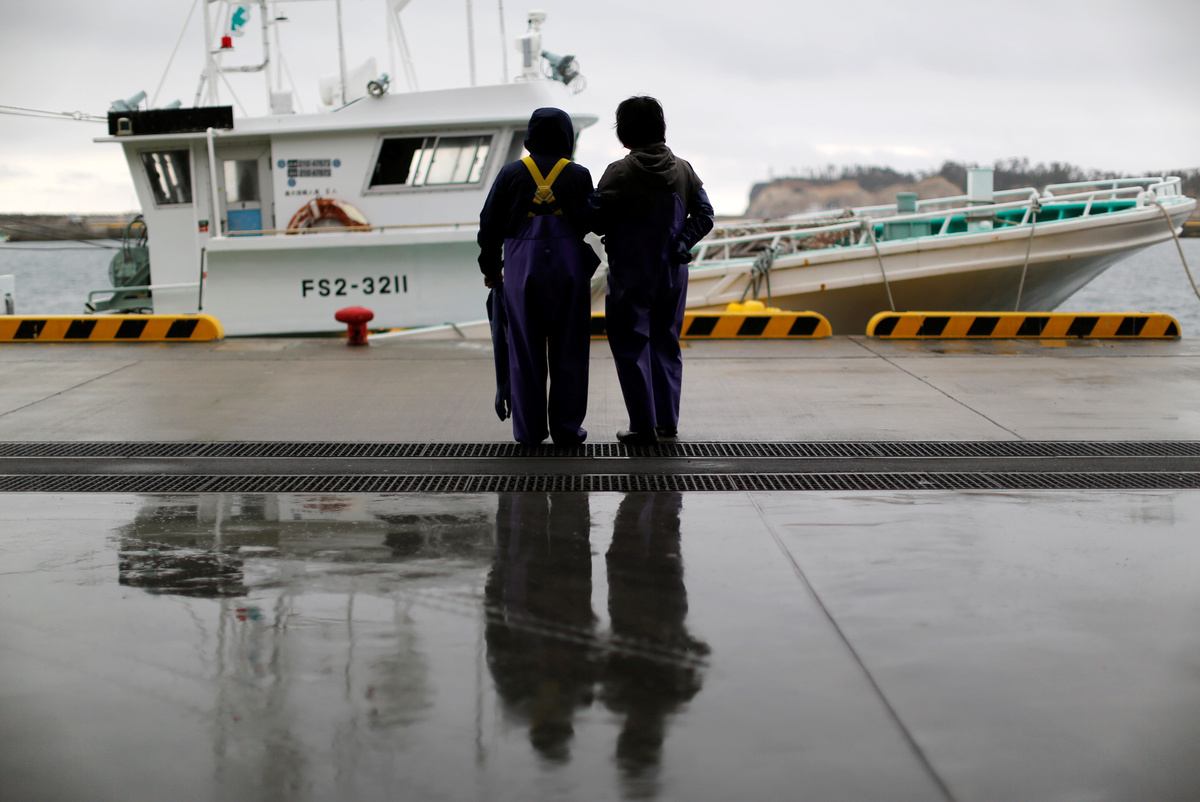
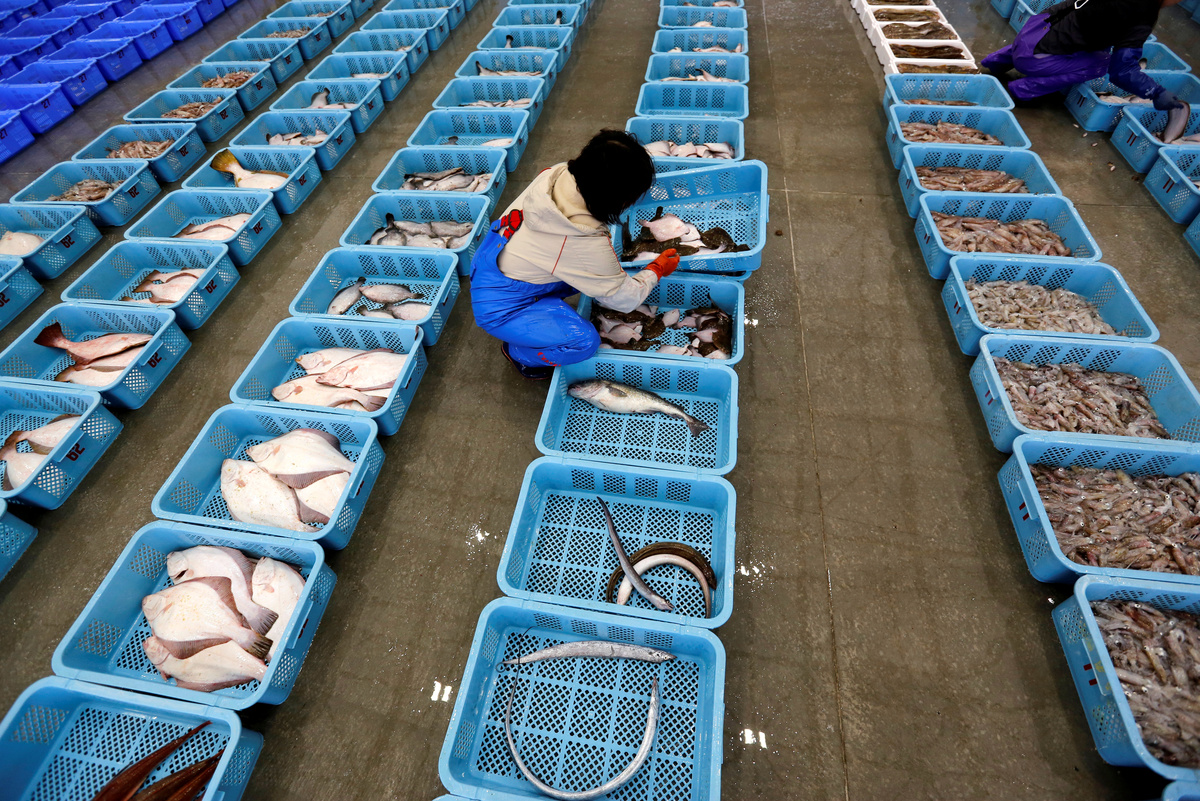
Female workers are seen as trawlers land a catch of fish after their trial fishing operation at Matsukawaura fishing port in Soma, Fukushima prefecture, Japan February 20, 2019. Picture taken February 20, 2019. REUTERS/Issei Kato
Fishermen boarding trawlers leave for a trial fishing operation at Matsukawaura fishing port in Soma, Fukushima prefecture, Japan February 20, 2019. Picture taken February 20, 2019. REUTERS/Issei Kato
A surfer walks on a newly-built coastal barrier at Toyoma Beach, near Tokyo Electric Power Co's (TEPCO) tsunami-crippled Fukushima Daiichi nuclear power plant, in Iwaki, Fukushima prefecture, Japan February 19, 2019.Picture taken February 19, 2019. REUTERS/Issei Kato
Workers conduct crane operation training to remove nuclear fuels at the operation floor inside No.3 reactor building at Tokyo Electric Power Co's (TEPCO) tsunami-crippled Fukushima Daiichi nuclear power plant in Okuma town, Fukushima prefecture, Japan February 18, 2019. Picture taken February 18, 2019. REUTERS/Issei Kato
Workers sort fishes after a trial fishing operation at Matsukawaura fishing port in Soma, Fukushima prefecture, Japan February 20, 2019. Picture taken February 20, 2019. REUTERS/Issei Kato
Workers rush to carry fishes after trial fishing operation at Matsukawaura fishing port in Soma, Fukushima prefecture, Japan February 20, 2019. Picture taken February 20, 2019. REUTERS/Issei Kato
Sign up to read this article
Read news from 100’s of titles, curated specifically for you.
Already a member? Sign in here
Related Stories
Top stories on inkl right now
One subscription that gives you access to news from hundreds of sites
Already a member? Sign in here
Our Picks
Fourteen days free
Download the app
One app. One membership.
100+ trusted global sources.