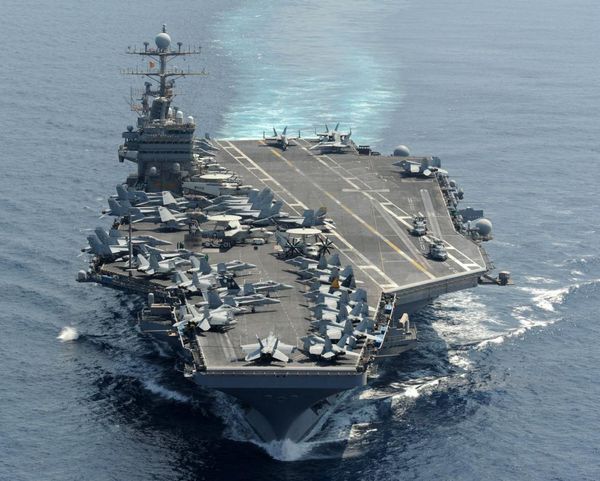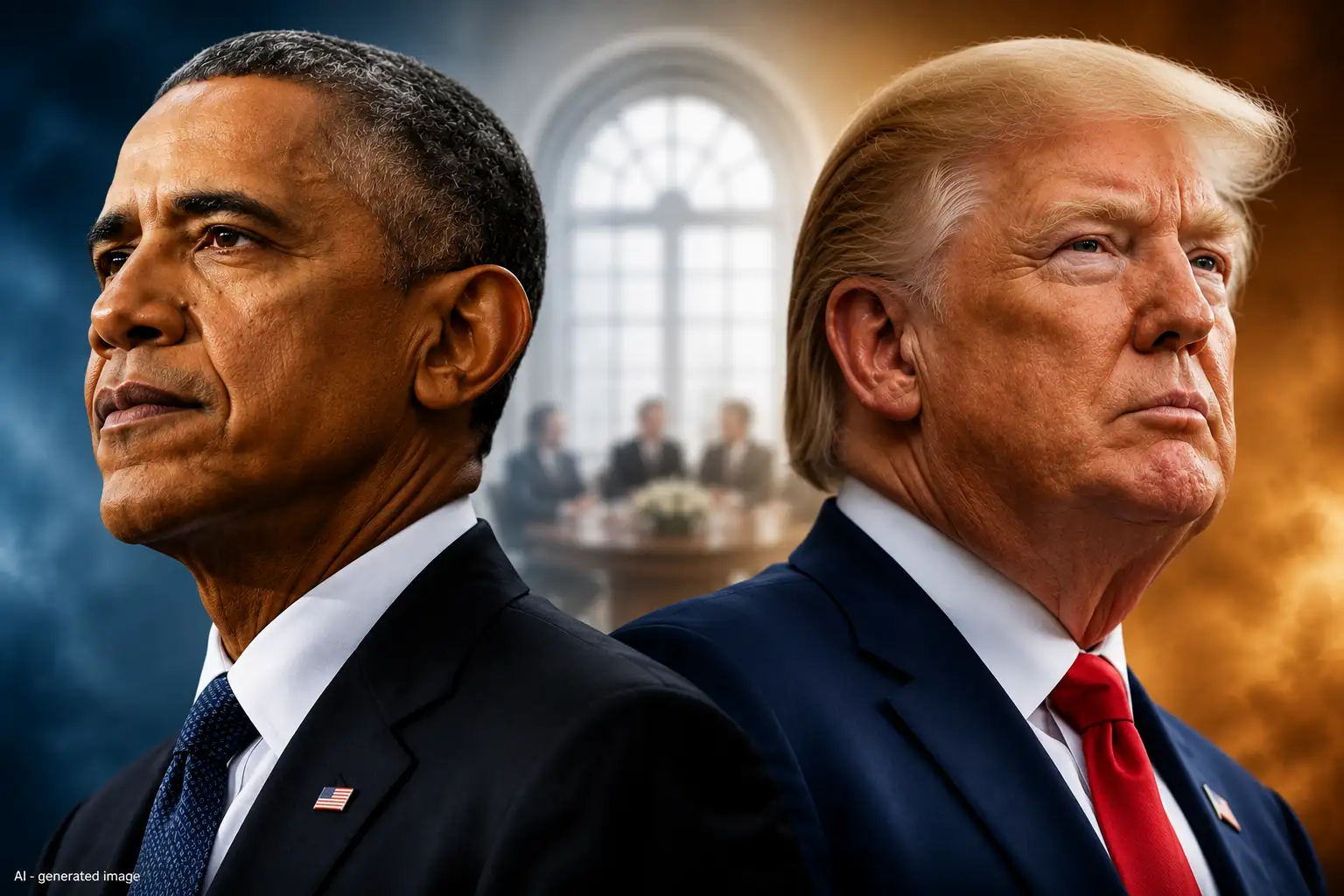
US President Donald Trump signed a 14-point Memorandum of Understanding with Iran at the Palace of Versailles in France on Wednesday, ending nearly four months of war and opening a 60-day window to negotiate a final peace deal.
Trump has called the agreement "the exact opposite of the Joint Comprehensive Plan of Action (JCPOA) disaster," referring to the 2015 Iran nuclear deal negotiated under President Barack Obama, which Trump walked out of in 2018. But arms control experts and foreign policy analysts are pointing to an uncomfortable parallel: the new agreement commits both sides to begin negotiating the very nuclear questions the JCPOA had already resolved.
Also read: From bombs to billions: The strange economics of US-Iran peace deal
What the JCPOA was and what it had achieved?
The JCPOA was signed on July 14, 2015, between Iran and the P5+1; the United States, United Kingdom, France, Russia, China and Germany, along with the European Union.
According to the Council on Foreign Relations (CFR), the deal was designed with a specific strategic goal: to extend Iran's nuclear "breakout time", the period it would need to produce enough fissile material for a weapon, to at least one year, giving world powers enough time to detect and respond to any violation.
According to the Arms Control Association, an independent Washington-based research and advocacy organisation focused on nuclear policy and arms control, under the JCPOA, Iran agreed to limit uranium enrichment to 3.67 percent, reduce its centrifuges by two-thirds, cap its uranium stockpile at 300 kilograms, and accept intensive International Atomic Energy Agency (IAEA) inspections. In exchange, nuclear-related sanctions were lifted, unfreezing billions in Iranian assets and allowing oil exports. The US and many European nations also unfroze about $100 billion worth of frozen Iranian assets, according to CFR.