Eight new natural wonders added to World Heritage list
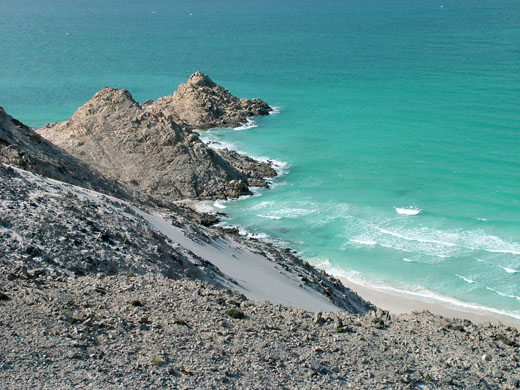
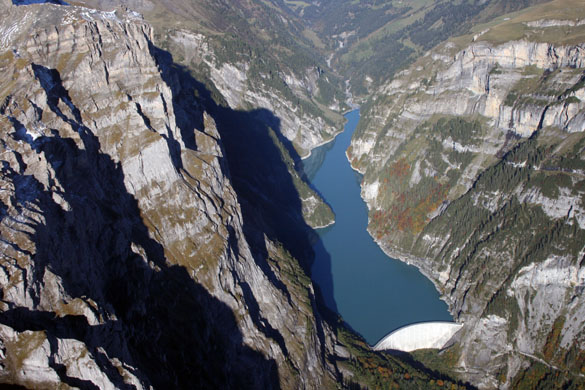
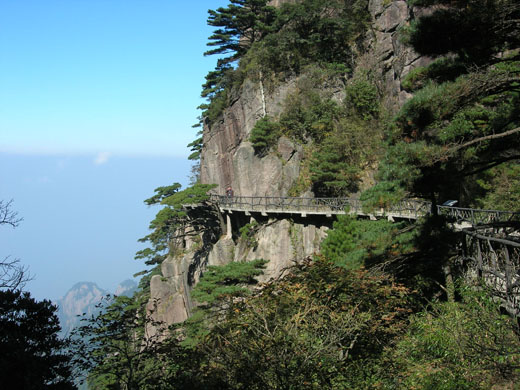
The Socotra archipelago in Yemen has been dubbed the Galápagos of the Indian Ocean. It is especially rich in flora and fauna; about 37% of Socotra’s plant species, 90% of its reptile species and 95% of its land snail species cannot be found anywhere else in the worldPhotograph: David Sheppard/IUCNThe Swiss Tectonic Arena Sardona, which includes the Glarus Overthrust, has been studied since the 18th century as an exceptional and dramatic display of mountain building through continental collisionPhotograph: Pedro Rosabal/IUCNMount Sanqingshan national park in eastern China's Jiangxi province has been added to the list due to its outstanding natural beauty. The park contains a unique array of forested, fantastically shaped granite pillars and peaks concentrated in a relatively small areaPhotograph: Peter Shadie/IUCN
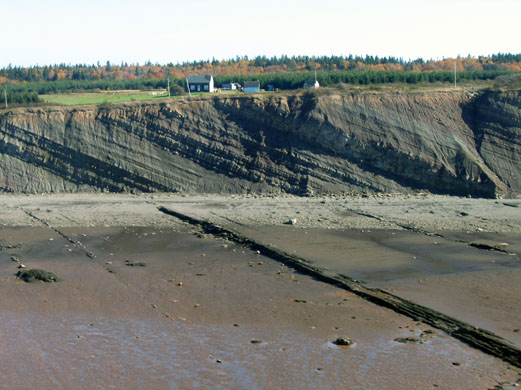
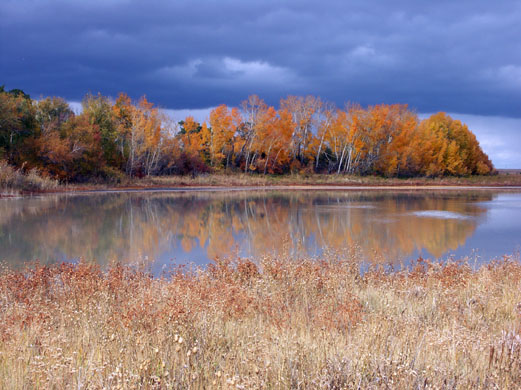
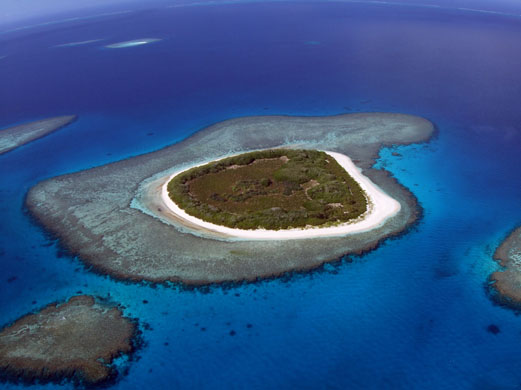
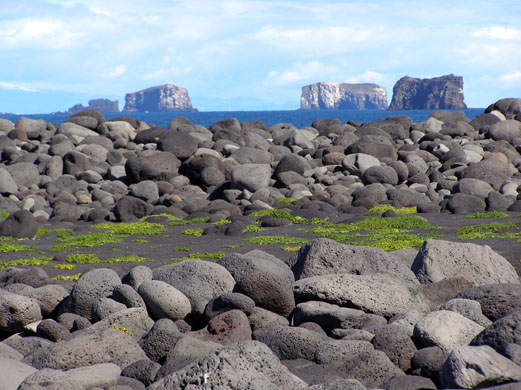
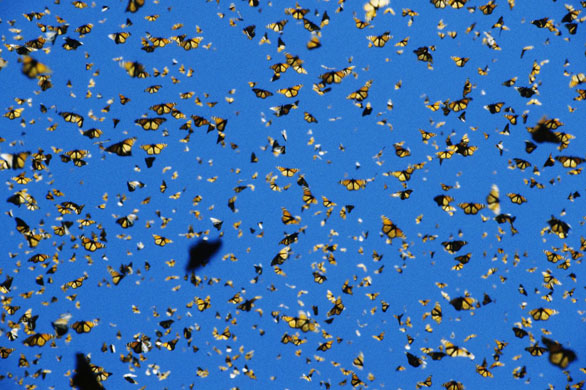
Canada’s Joggins Fossil Cliffs contain the best and most complete known fossil record of terrestrial life in the Coal Age, over 300m years ago. The remains of amniotes, the first reptiles in the Earth’s history, are visible, as well as fossil trees, animals and plantsPhotograph: Wesley Hill/IUCNSaryarka is a largely undisturbed area of Central Asian steppe and lakes in the Korgalzhyn and Naurzum state nature reserves in northern Kazakhstan. It is a crucial stopover point for for globally threatened species and provides feeding grounds for up to 15-16 million birds. Saryarka is also home to the critically endangered saiga antelope (Saiga tatarica)Photograph: Chris Magin/IUCNThe tropical lagoons and coral reefs of New Caledonia form one of the three most extensive reef systems in the world. They are home to an exceptional variety of coral and fish species and have intact ecosystems with healthy populations of big fish and top predatorsPhotograph: Dan Laffoley/IUCNSurtsey, in Iceland, is a new island formed by volcanic eruptions in 1963-67. Its legal protection since creation means that the island is a pristine natural laboratory, free from human interference, that has provided a unique scientific record of the process of colonisation of land by plants and animalsPhotograph: Chris Wood/IUCNThe three core zones of the Monarch butterfly biosphere reserve protect eight overwintering colonies of the monarch butterfly in the oyamel fir forests of central Mexico. Perhaps a billion monarch butterflies overwinter here in close-packed clusters every year after a 3,500-4,500km journey. Witnessing this unique phenomenon is considered to be an exceptional experience of naturePhotograph: Frans Lanting/Corbis
Sign up to read this article
Read news from 100’s of titles, curated specifically for you.