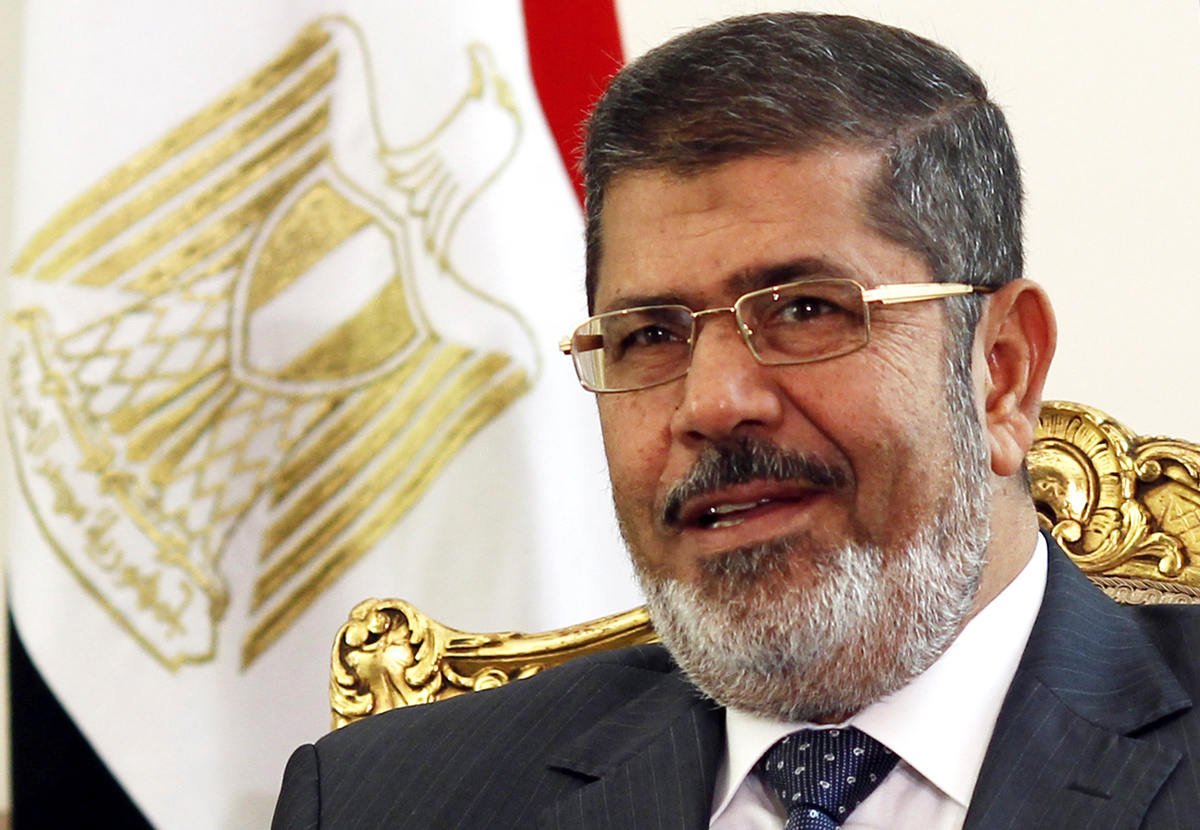
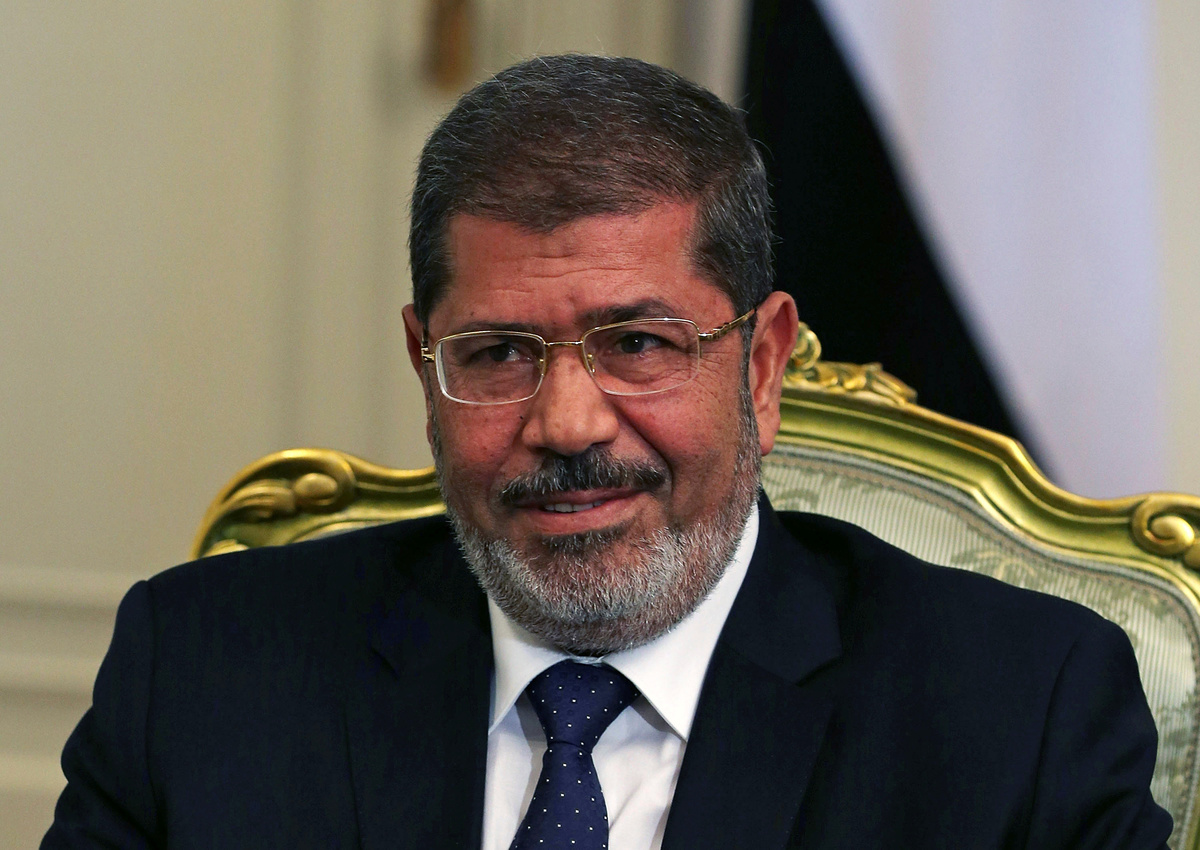
CAIRO (Reuters) - Former Egyptian President Mohamed Mursi, the first democratically elected head of state in Egypt's modern history, died on Monday from a heart attack after collapsing in a Cairo court while on trial on espionage charges, authorities and a medical source said.
The 67-year-old Mursi, a top figure in the now-banned Muslim Brotherhood, had been in jail since being toppled by the military in 2013 after barely a year in power, following mass protests against his rule.
His death is likely to pile up international pressure on the Egyptian government over its human rights record, especially conditions in prisons where thousands of Islamists and secular activists are held.
The public prosecutor said Mursi had collapsed in a defendants' cage in the courtroom shortly after addressing the court, and was pronounced dead in hospital at 4:50 p.m. (1450 GMT). It said initial checks had shown no signs of recent injury on his body.
The Muslim Brotherhood described Mursi's death as a "full-fledged murder" and called for masses to gather at his funeral in Egypt and outside Egyptian embassies around the world.
Mursi's family previously said his health had deteriorated in prison and that they were rarely allowed to visit.
A medical source said Mursi died of a heart attack.
The source said Mursi, who was diabetic and suffered from high blood pressure, had received medical treatment at a private hospital and at the police hospital in Cairo, denying that he was deprived from medical attention.
Mursi's son, Abdullah Mohamed Mursi, told Reuters that the family had not been contacted about the details of the burial and were only communicating through their lawyers. Abdullah said earlier that authorities were refusing to allow Mursi to be laid to rest in the family burial grounds in his native Nile Delta province of Sharqiya.
"We know nothing about him and no one is in touch with us, and we don't know if we are going to wash him or say a prayer to him or not," he said.
Amnesty International called for an "impartial, thorough and transparent" investigation into Mursi's death.
"Egyptian authorities had the responsibility to ensure that, as a detainee, he had access to proper medical care," the group said in a statement.
A British member of Parliament, Crispin Blunt, who had led a delegation of UK lawmakers and lawyers last year in putting out a report on Mursi's detention, slammed the conditions of Mursi's incarceration.
"We want to understand whether there was any change in his conditions since we reported in March 2018, and if he continued to be held in the conditions we found, then I'm afraid the Egyptian government are likely to be responsible for his premature death," he said in remarks to the BBC.
DECADES OF REPRESSION
After decades of repression under Egyptian autocrats, the Brotherhood won a parliamentary election after a popular uprising toppled Hosni Mubarak and his military-backed establishment in 2011.
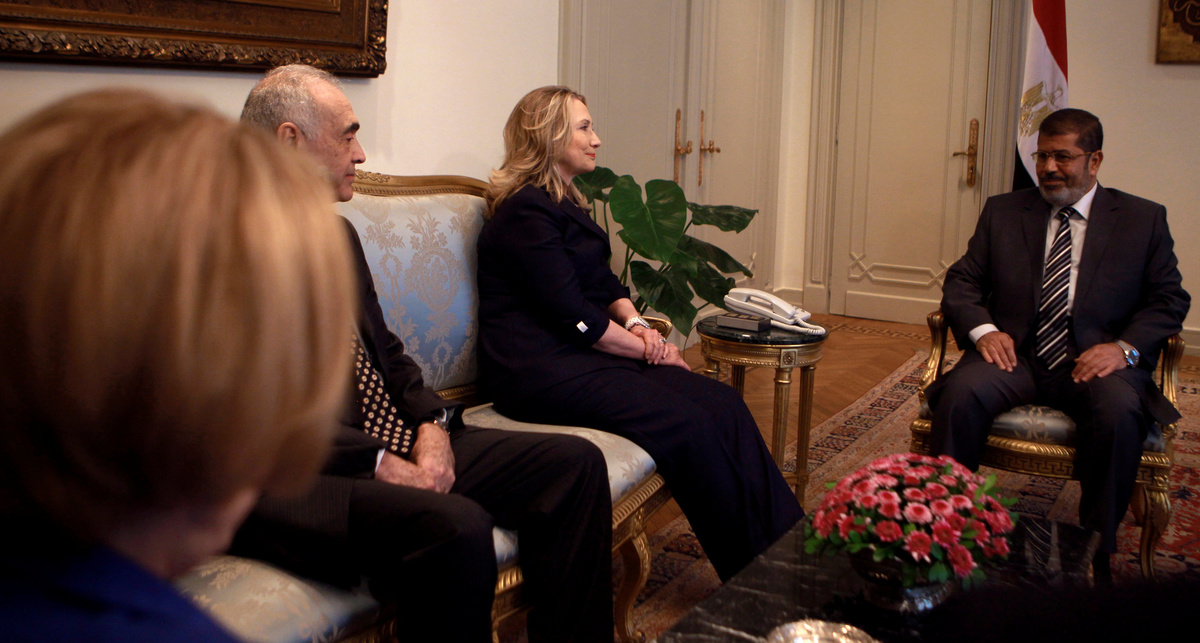
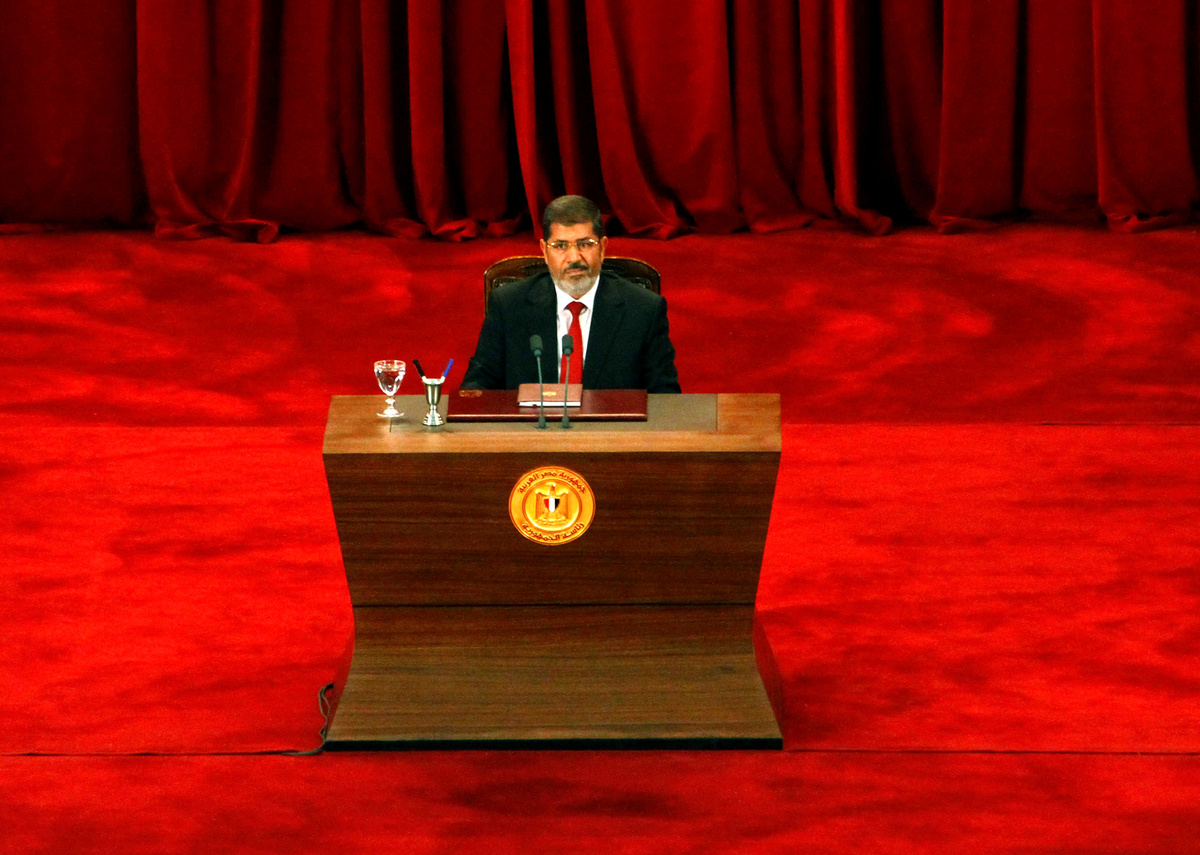
Mursi was elected to power in 2012 in Egypt's first free presidential election, having been thrown into the race at the last moment by the disqualification on a technicality of millionaire businessman Khairat al-Shater, by far the Brotherhood's preferred choice.
Mursi's victory marked a radical break with the military men who had provided every Egyptian leader since the overthrow of the monarchy in 1952.
He promised a moderate Islamist agenda to steer Egypt into a new democratic era in which autocracy would be replaced by transparent government that respected human rights and revived the fortunes of a powerful Arab state long in decline. But the euphoria that greeted the end of an era of presidents who ruled like pharaohs did not last long.
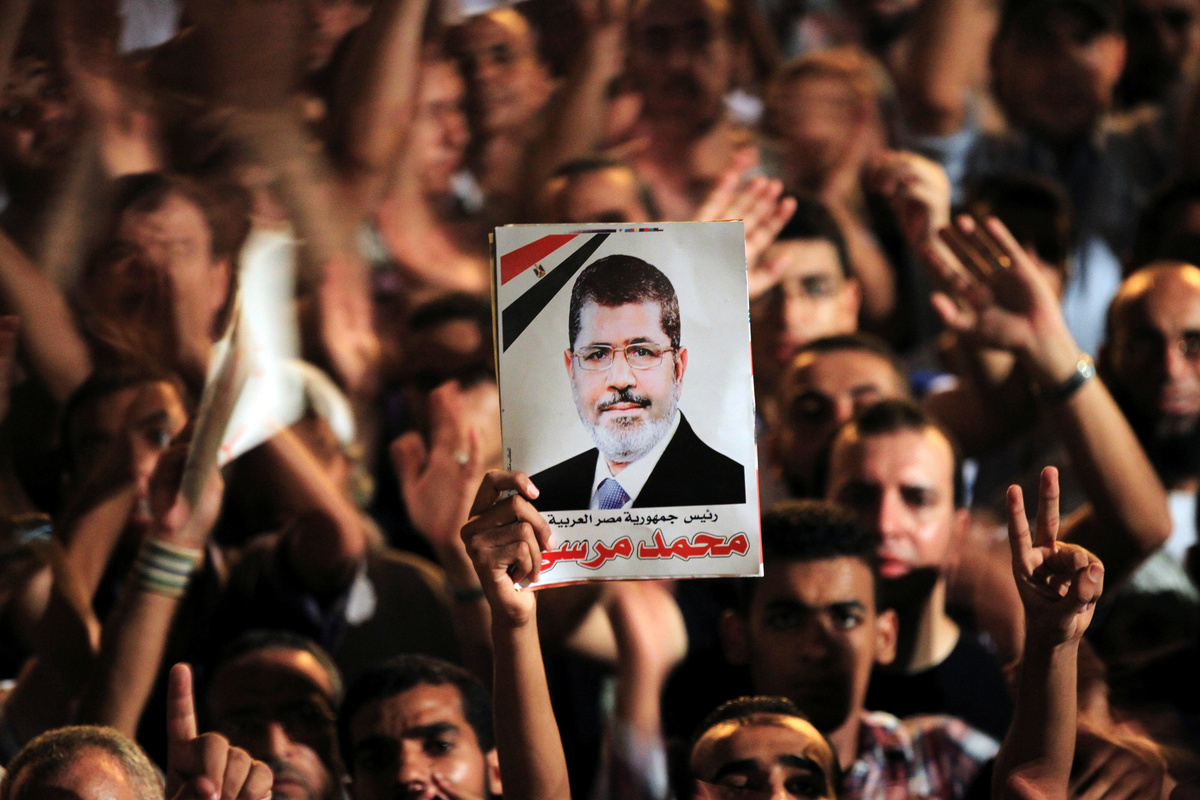
The stocky, bespectacled engineer, born in 1951 in the dying days of the monarchy, told Egyptians he would deliver an "Egyptian renaissance with an Islamic foundation."
Instead, he alienated millions who accused him of usurping unlimited powers, imposing the Brotherhood's conservative brand of Islam and mismanaging the economy, all of which he denied.
STATE OF ALERT
Security sources said the Interior Ministry had declared a state of alert on Monday, notably in Sharqiya.
Mursi had been in court for a hearing on charges of espionage emanating from suspected contacts with the Palestinian Islamist group Hamas, which had close ties to the Brotherhood.
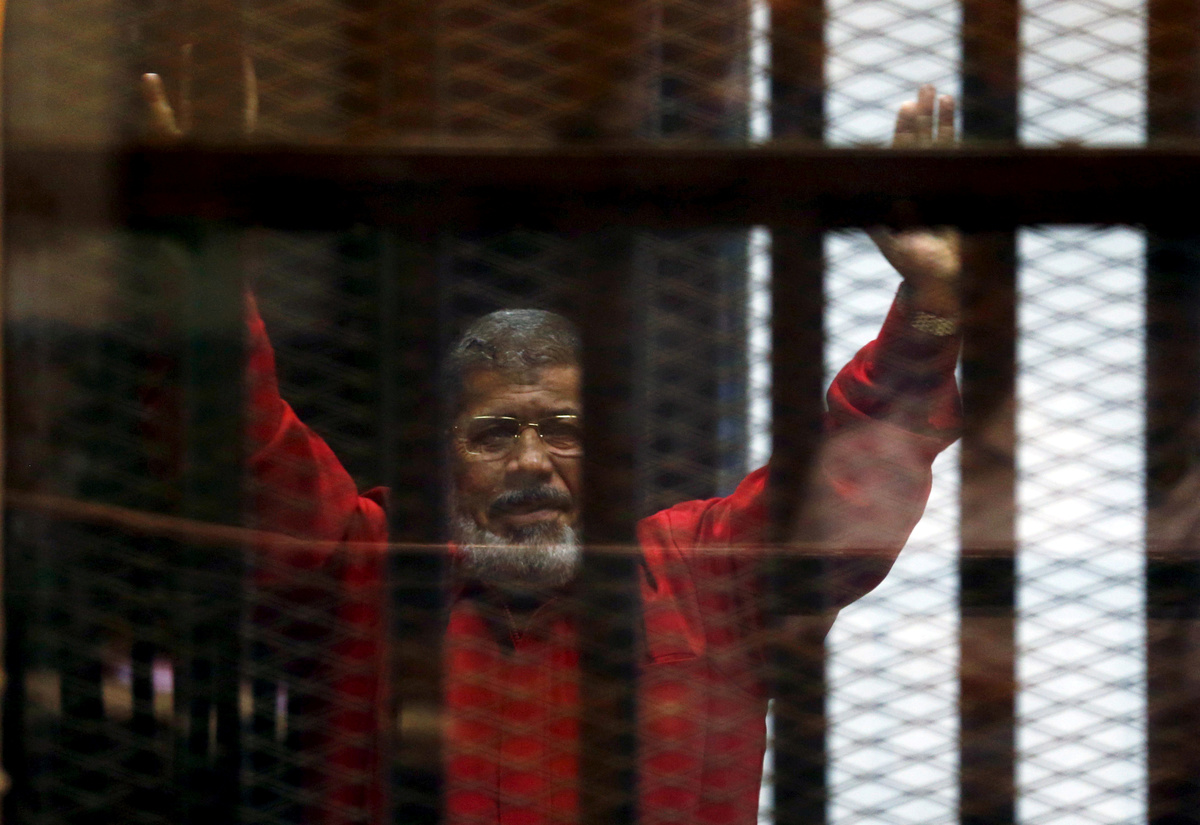
A source who was in the court at the time told Reuters that Mursi spoke for around 15 minutes and concluded with a line of poetry about his love for Egypt, before collapsing as the other defendants began banging on the soundproof cage.
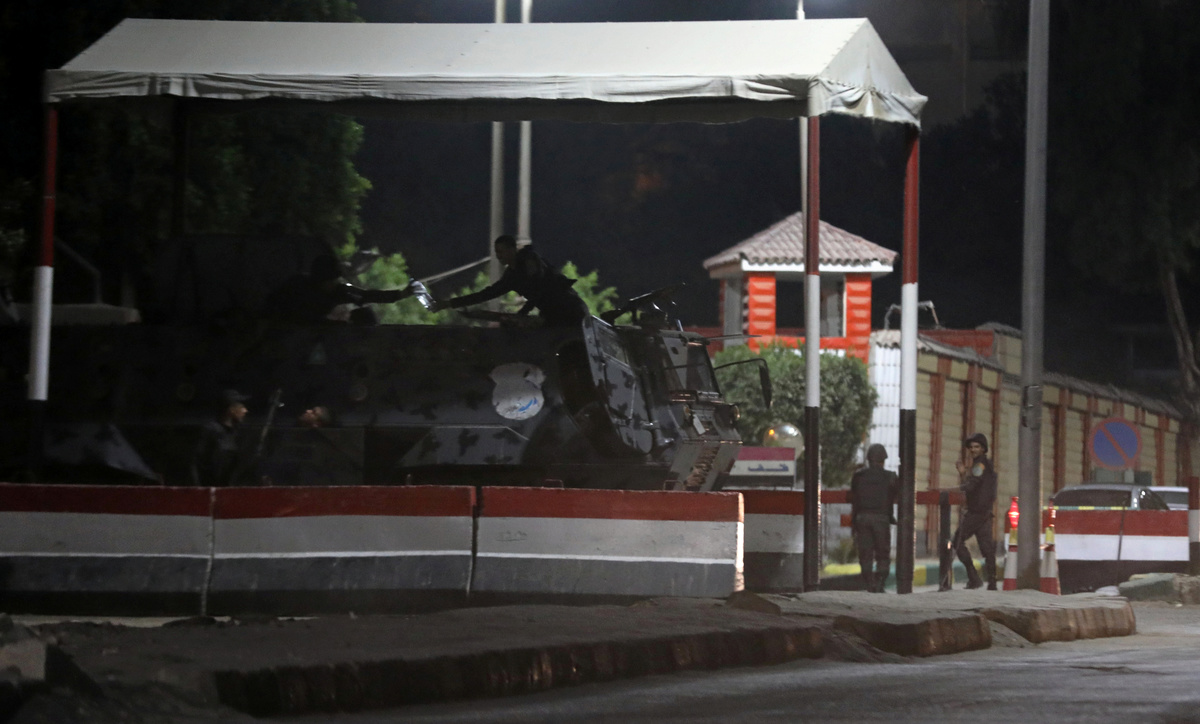
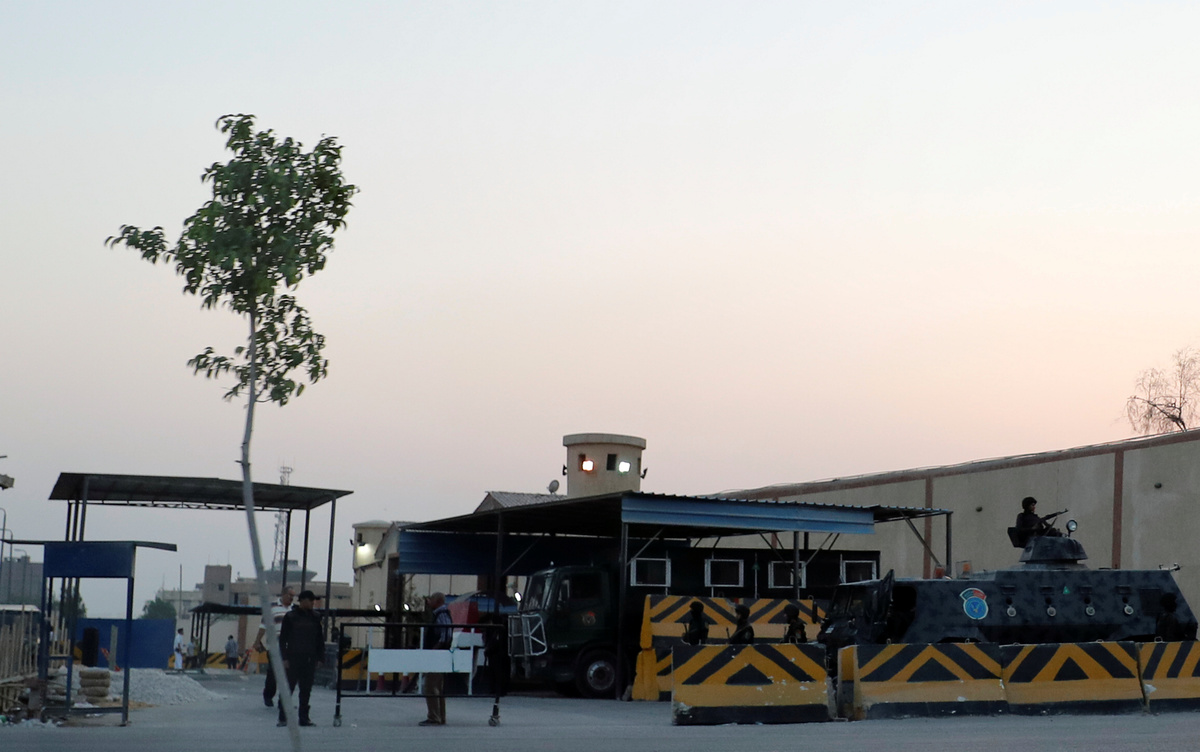
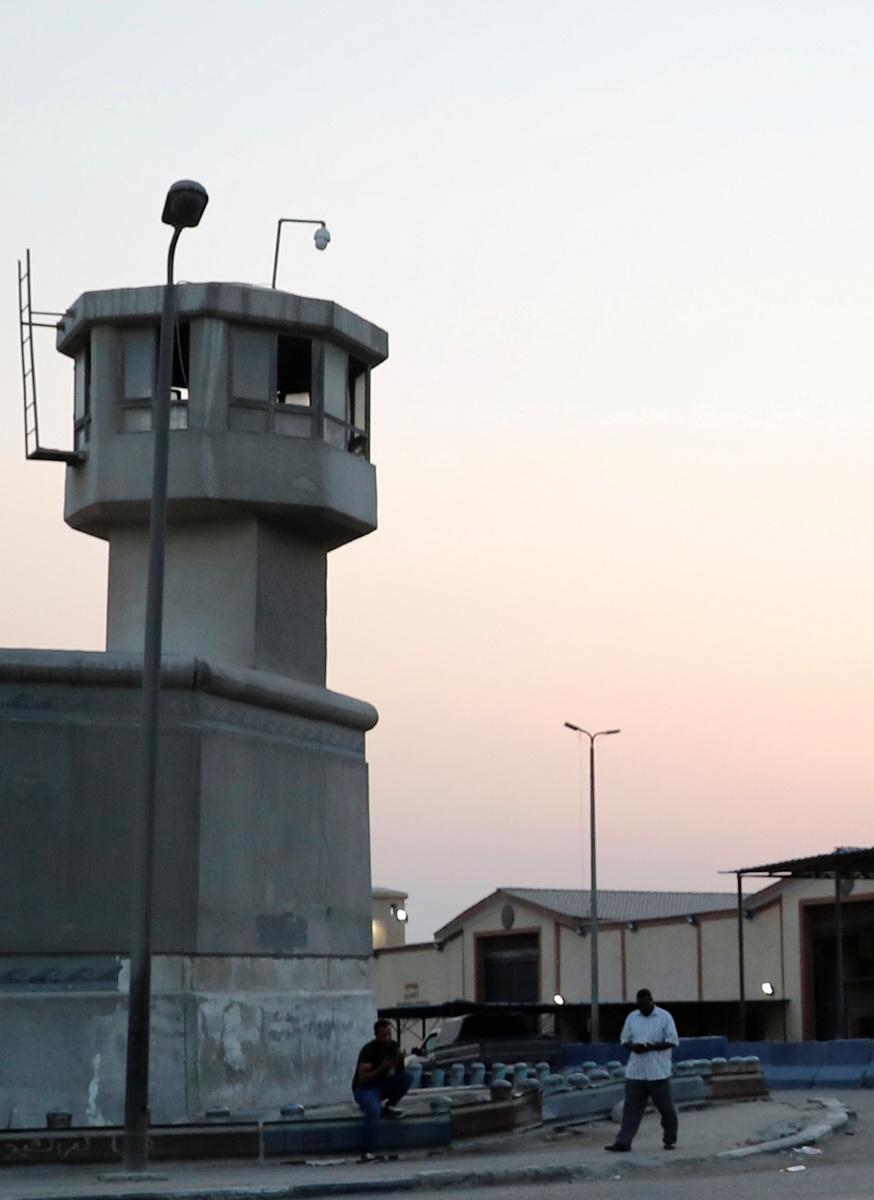
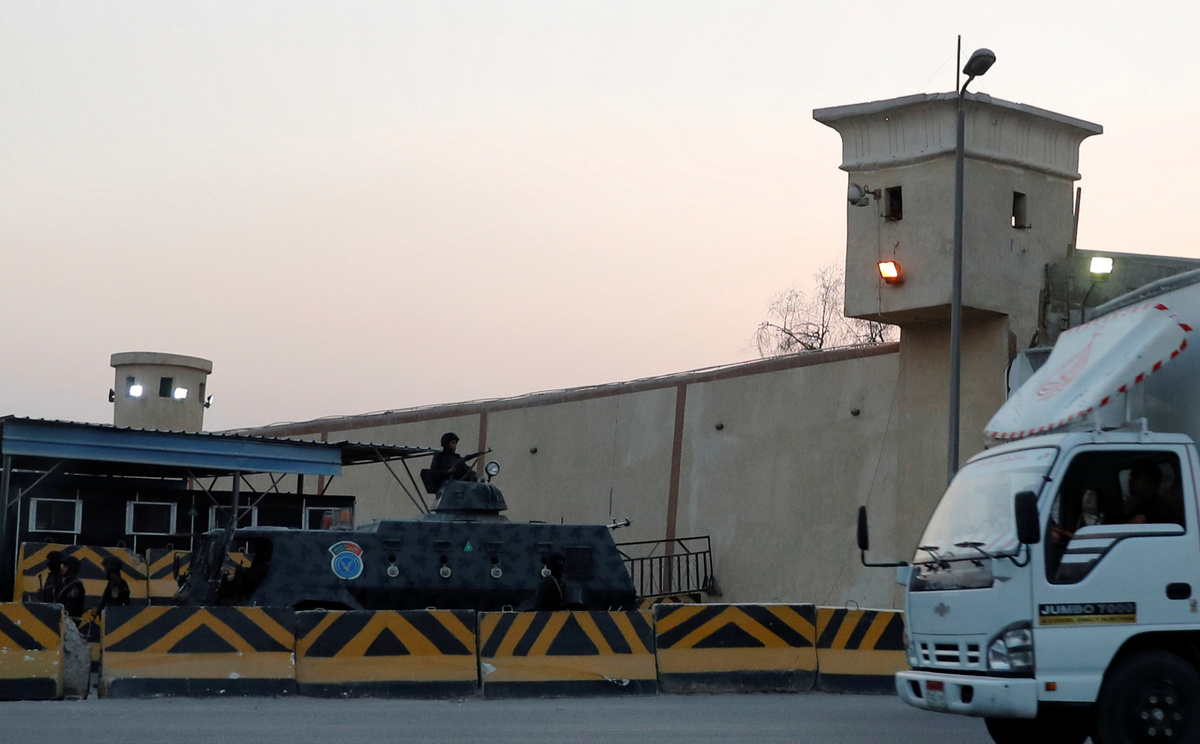
His body was taken to the Tora prison hospital, state television reported. A heavy security presence was outside the prison on Monday night.
Mursi's lawyer said his health had been poor in jail. "We had put in several requests for treatment, some were accepted and others were not," the lawyer, Abdel-Menem Abdel-Maqsood, told Reuters.
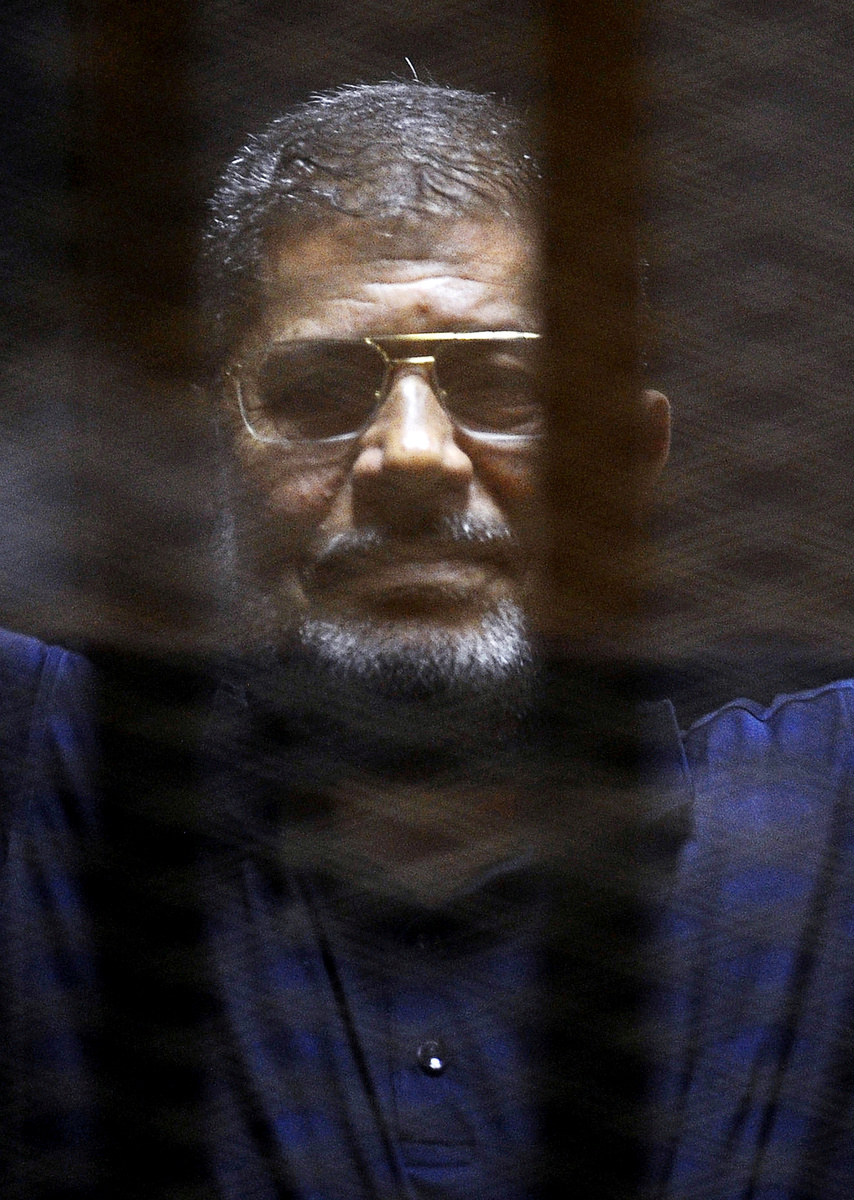
Mursi was serving a 20-year prison sentence for a conviction arising from the killing of protesters during demonstrations in 2012, and a life sentence for espionage in a case related to the Gulf state of Qatar. He had denied the charges.
Turkish President Tayyip Erdogan mourned his fellow Islamist as a martyr.
"Putting doubts aside, he has become a martyr today with the fulfilment of God's order. ... Our prayers are with him," Erdogan said. "Condolences to all my brothers who walked the same path as he did. Condolences to the people of Egypt. Condolences to his family and those close to him."
The Palestinian Islamist group Hamas said Mursi had "served Egypt and the (Muslim) nation and the Palestinian cause."
Qatar's emir, Sheikh Tamim bin Hamad Al Thani, a backer of Mursi and his Brotherhood, tweeted his condolences to Mursi's family "and to the brotherly Egyptian people."
Egyptian state media carried brief reports of Mursi's death that made no mention of his former position as president.
(Reporting by Nadine Awadalla and Enas al-Ashray; Additional reporting by Nayera Abdallah, Ahmed Mohamed Hassan and Haithem Ahmed in Cairo, Nidal al-Mughrabi in Gaza and Ali Kucukgocmen in Turkey; Writing by Nadine Awadalla and Sami Aboudi; Editing by Kevin Liffey, Toby Chopra, Richard Chang and Leslie Adler)