Egypt archeologist unearth goldsmith's tomb near Luxor
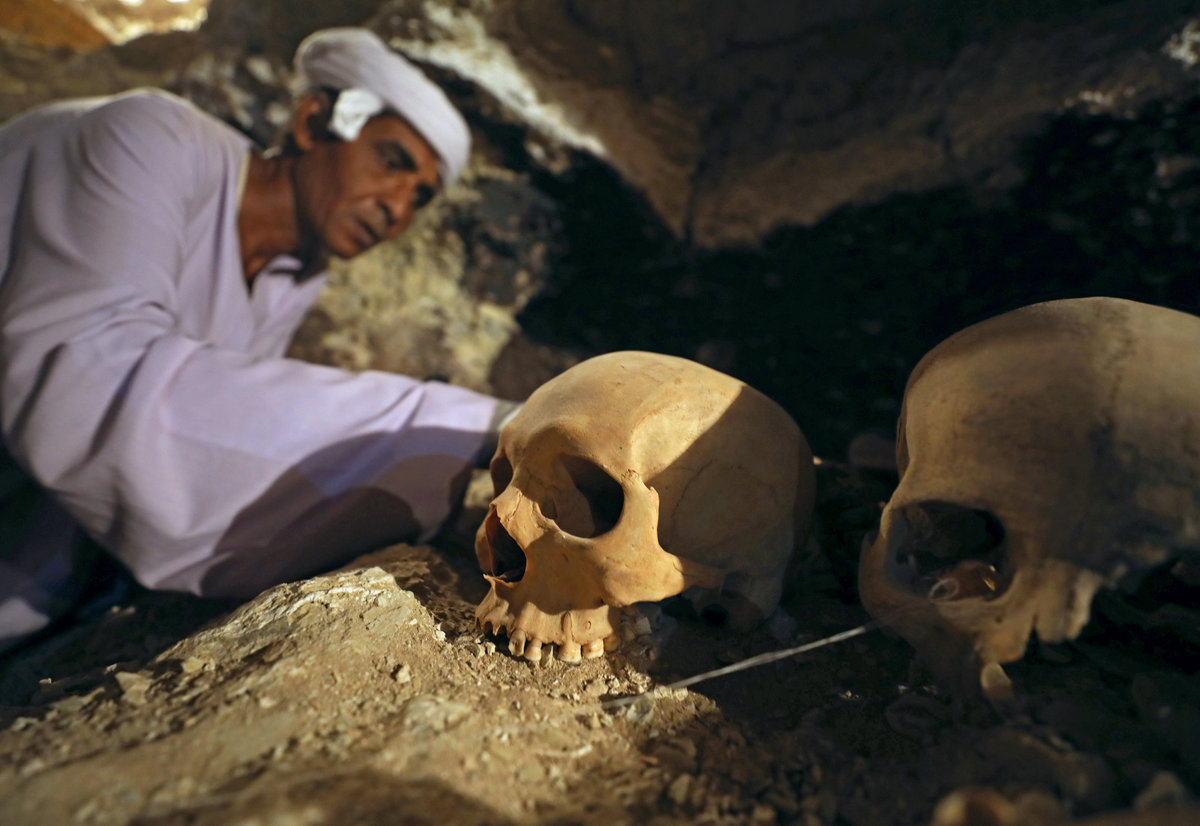
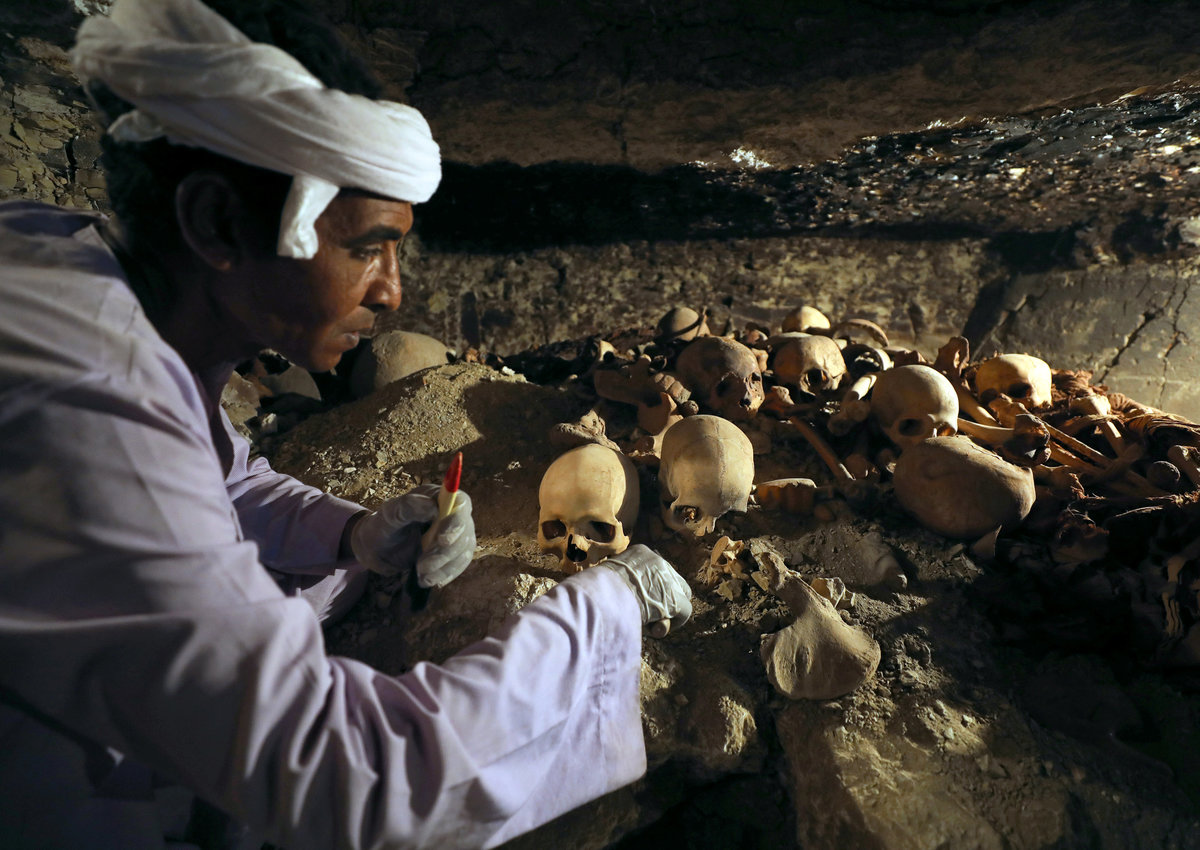
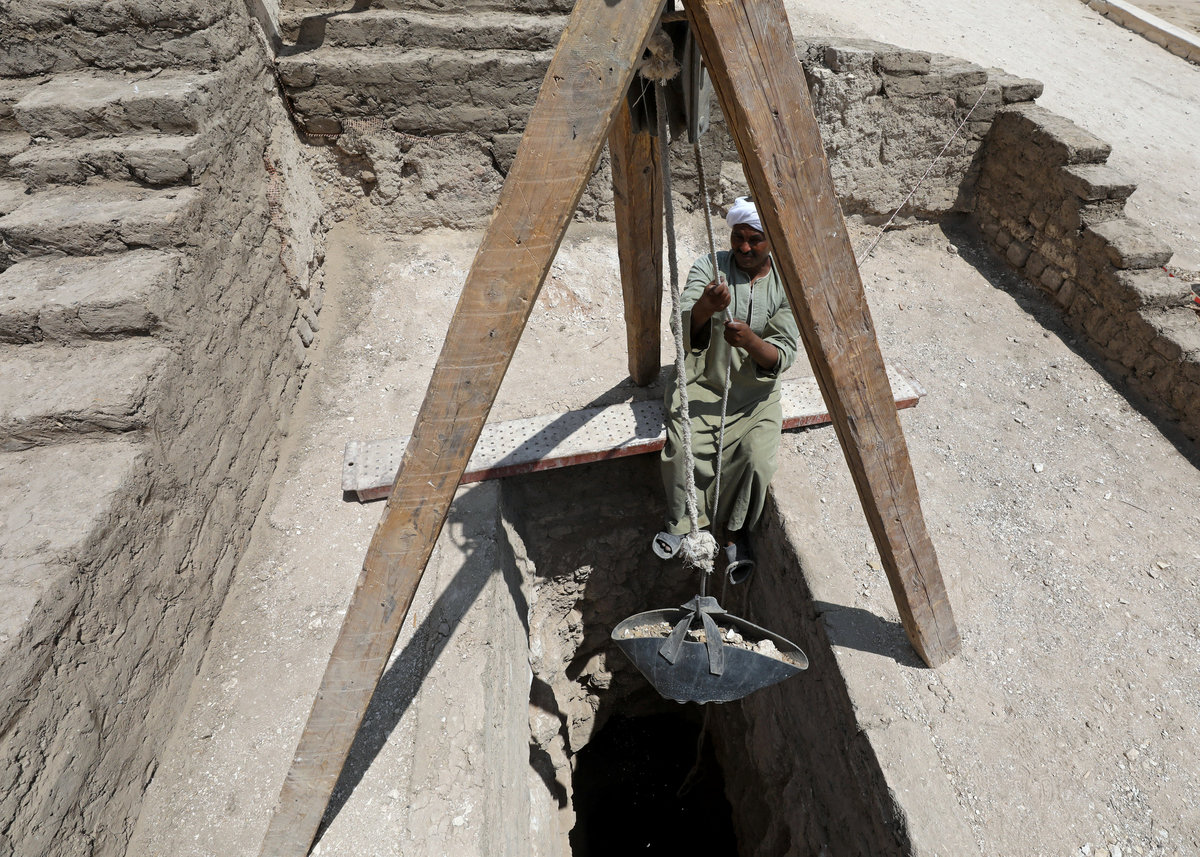
An Egyptian antiquities worker is seen in the recently discovered tomb of Amenemhat, a goldsmith from the New Kingdom, at the Draa Abu-el Naga necropolis near the Nile city of Luxor, south of Cairo, Egypt, September 9, 2017. REUTERS/Mohamed Abd El Ghany
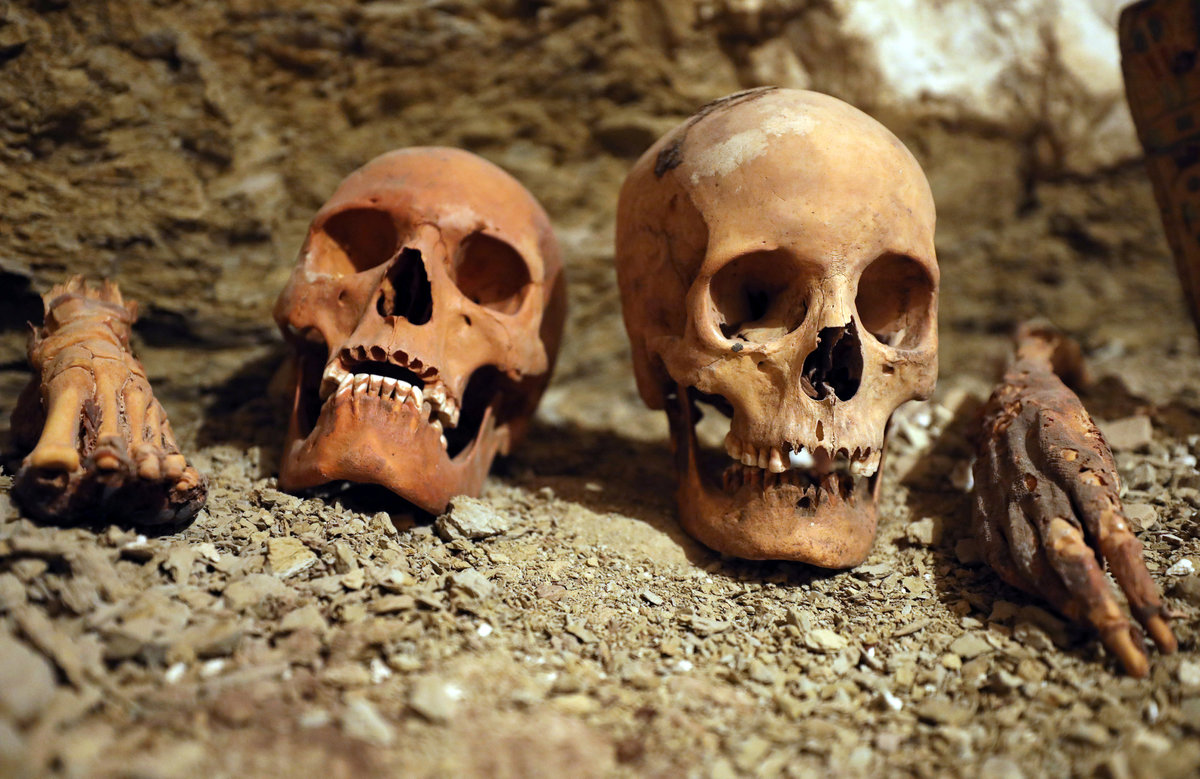
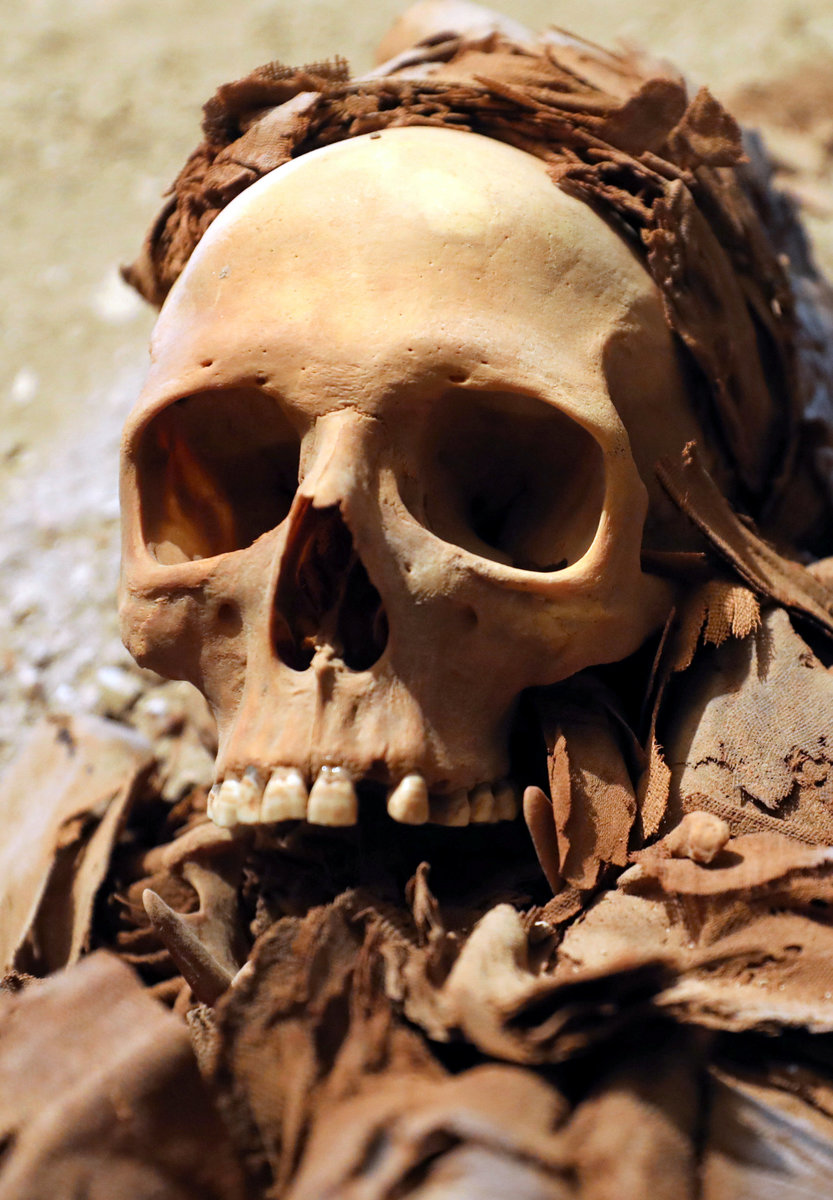
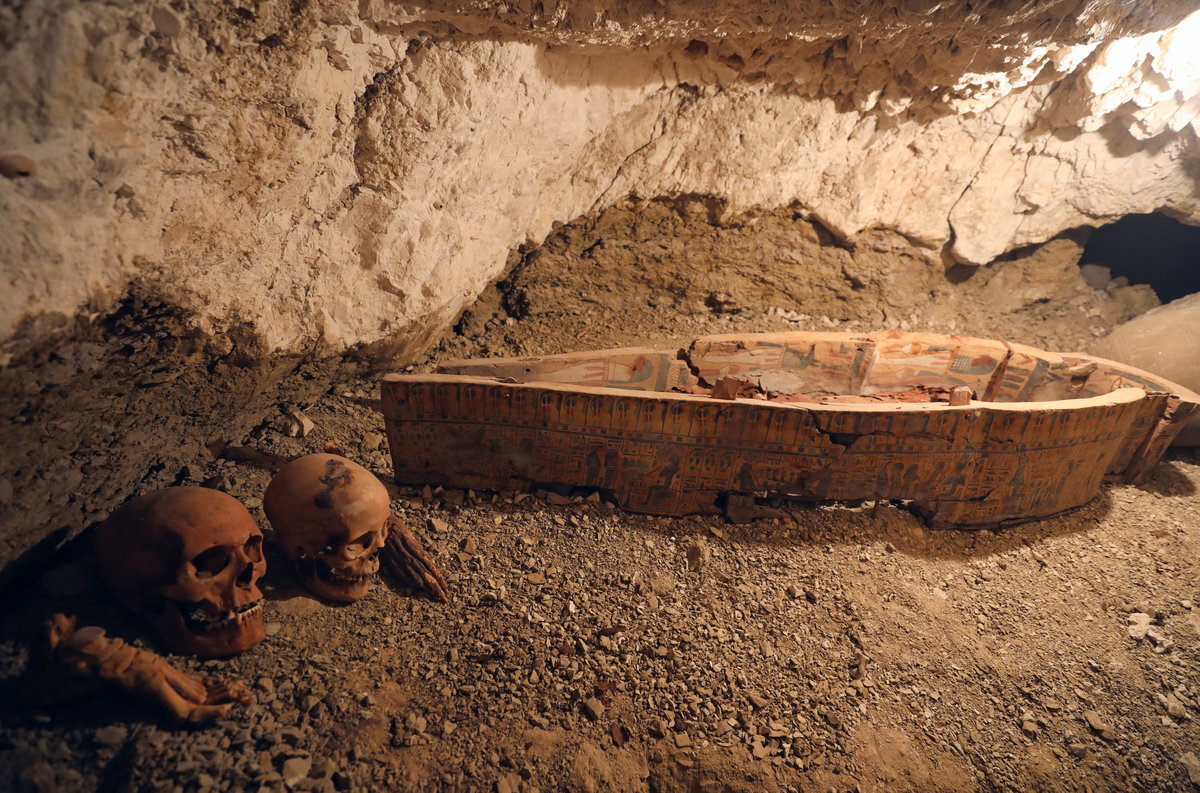
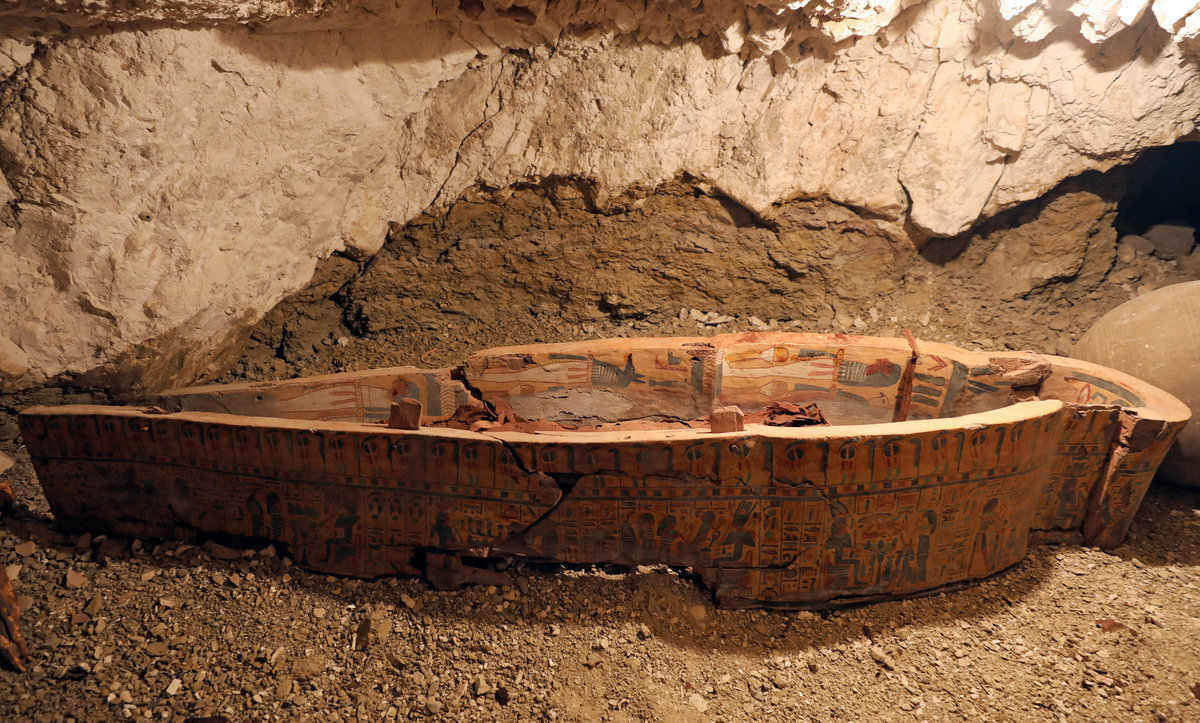
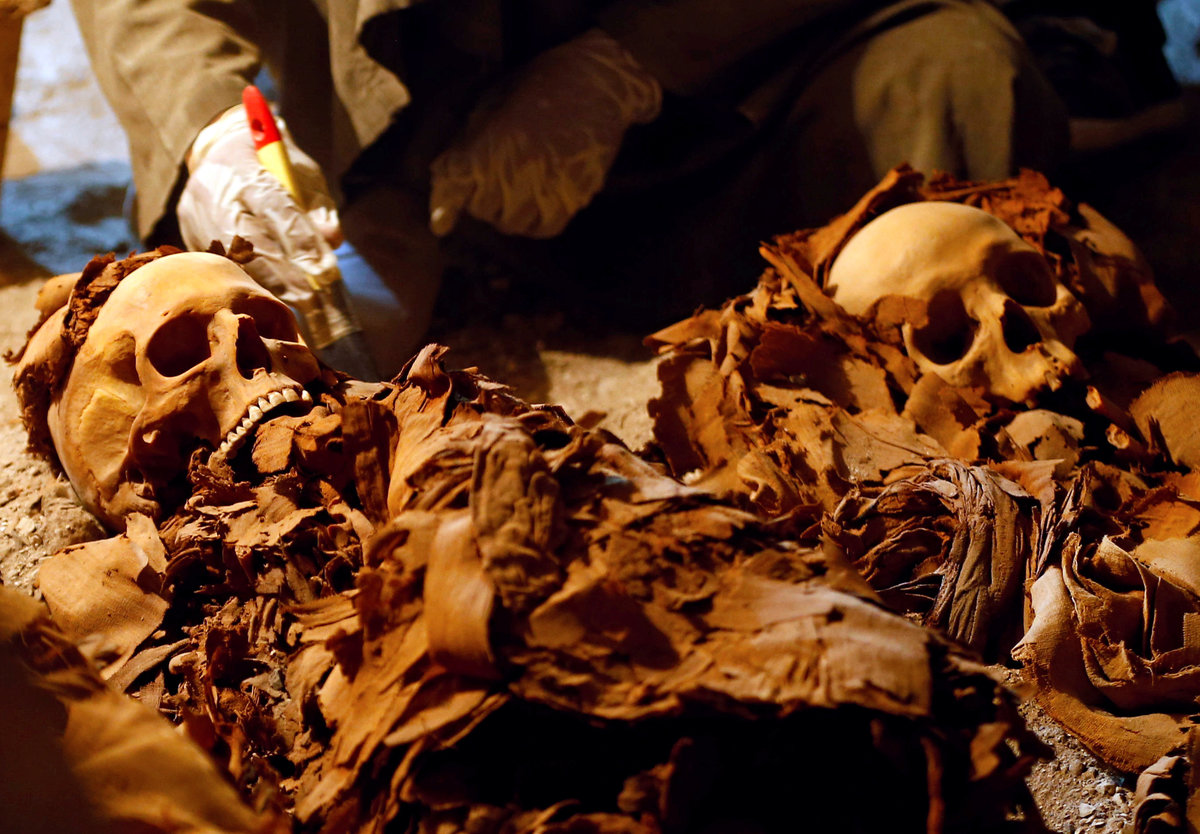
LUXOR, Egypt (Reuters) - Egyptian archaeologists have discovered a tomb of a prominent goldsmith who lived more than 3,000 years ago, unearthing statues, mummies and jewelry in the latest major find near the Nile city of Luxor.
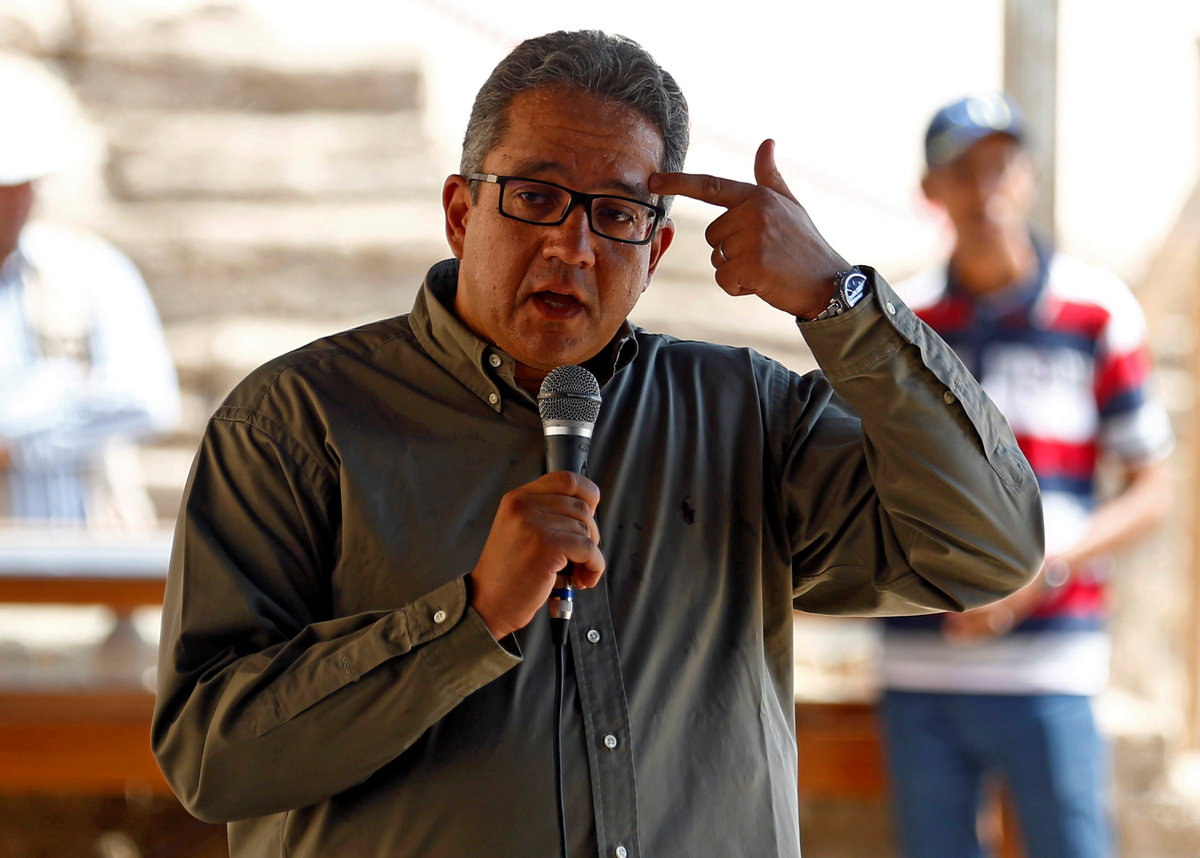
Egypt's Minister of Antiquities Khaled Al-Anani said on Saturday the tomb dated back to Egypt's 18th dynasty New Kingdom era -- around 15th century B.C.
"The work did not finish yet and we're continuing and working to find more objects and more tombs," he told Reuters at the site.
An Egyptian antiquities worker is seen in the recently discovered tomb of Amenemhat, a goldsmith from the New Kingdom, at the Draa Abu-el Naga necropolis near the Nile city of Luxor, south of Cairo, Egypt, September 9, 2017. REUTERS/Mohamed Abd El Ghany
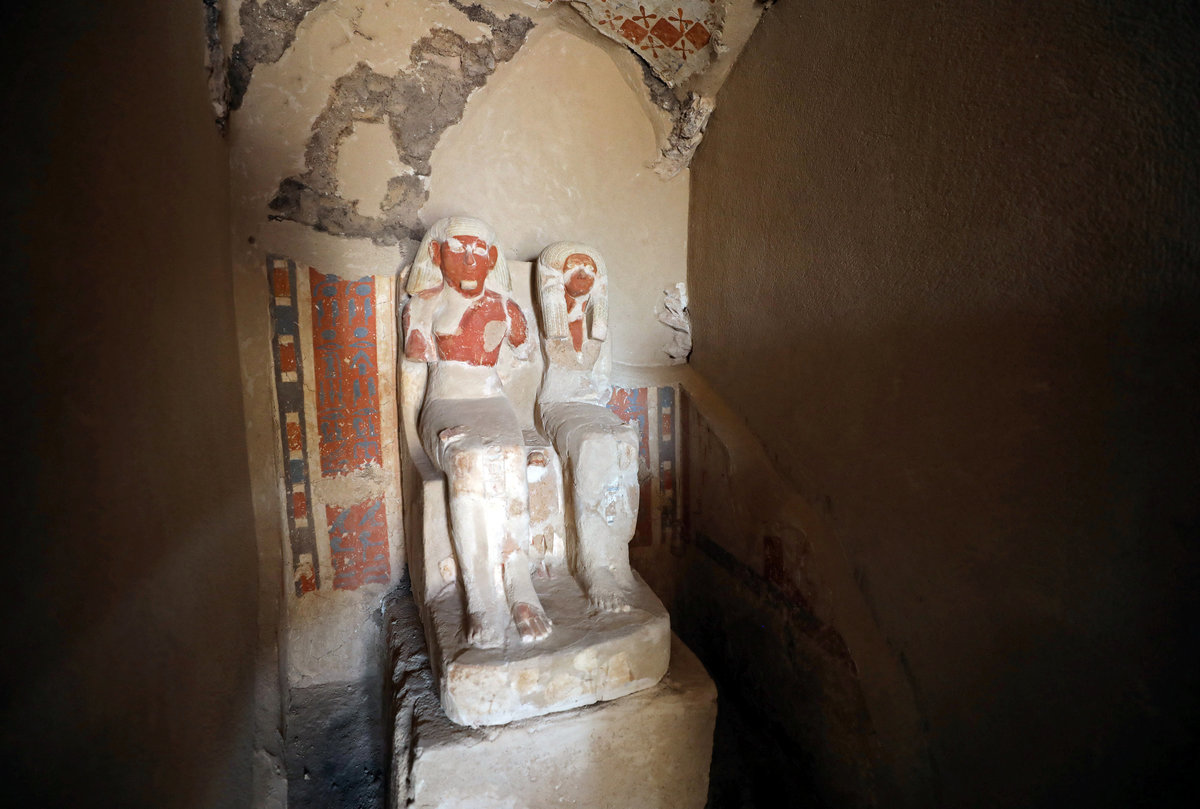
The site includes a courtyard and niche where a statue of the goldsmith Amenemhat and his wife and one of his sons, as well as two burial shafts, the ministry said in a statement.
Earlier this year, authorities announced they had discovered another New Kingdom tomb in Luxor belonging to a judge, and Swedish archaeologists discovered 12 ancient cemeteries near the southern city of Aswan that date back almost 3,500 years.
Egypt's ancient relics are a draw for tourists and authorities hope new finds can also help attract more visitors.
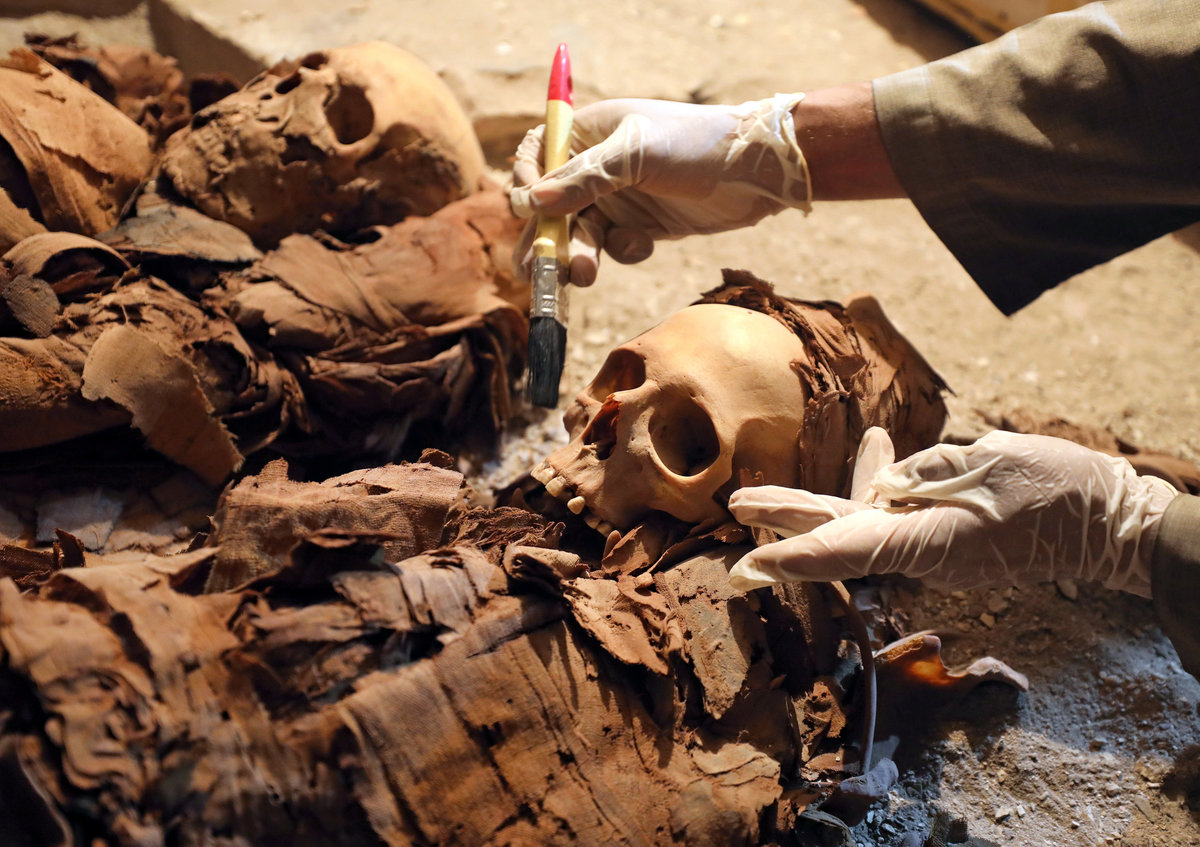
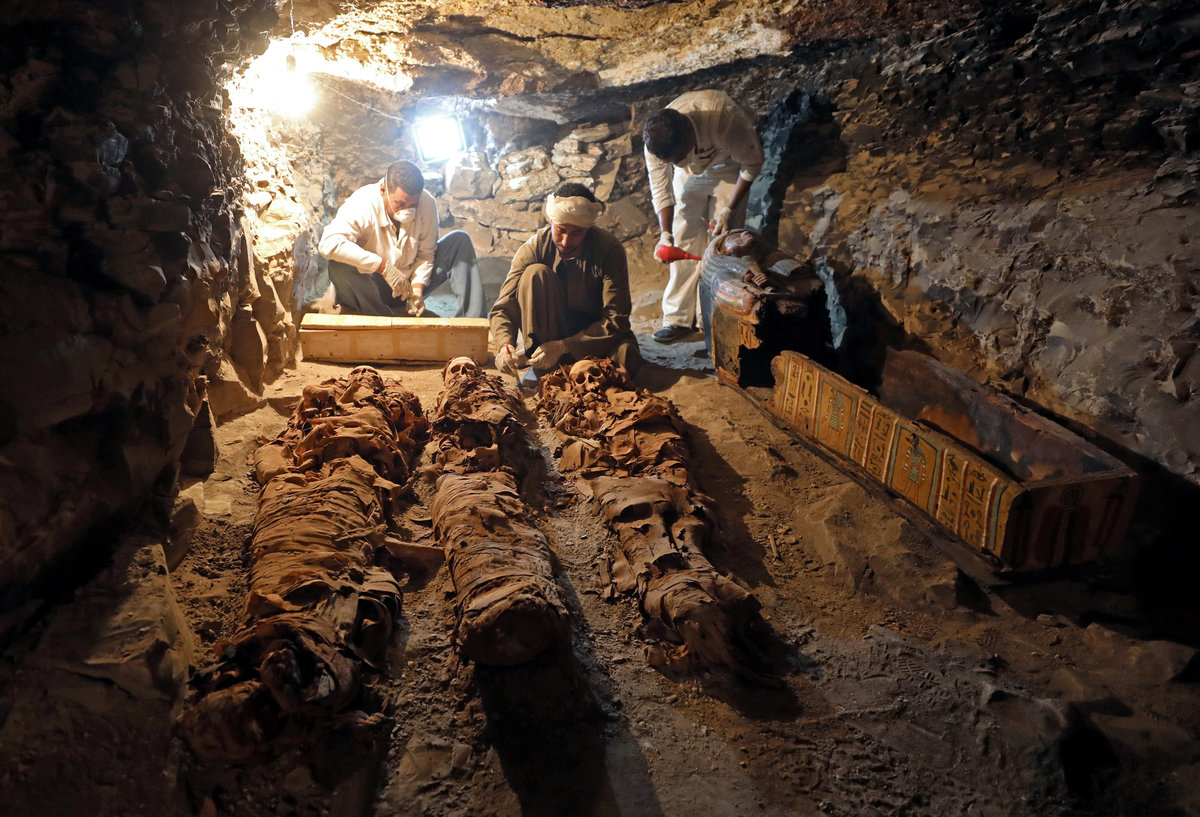
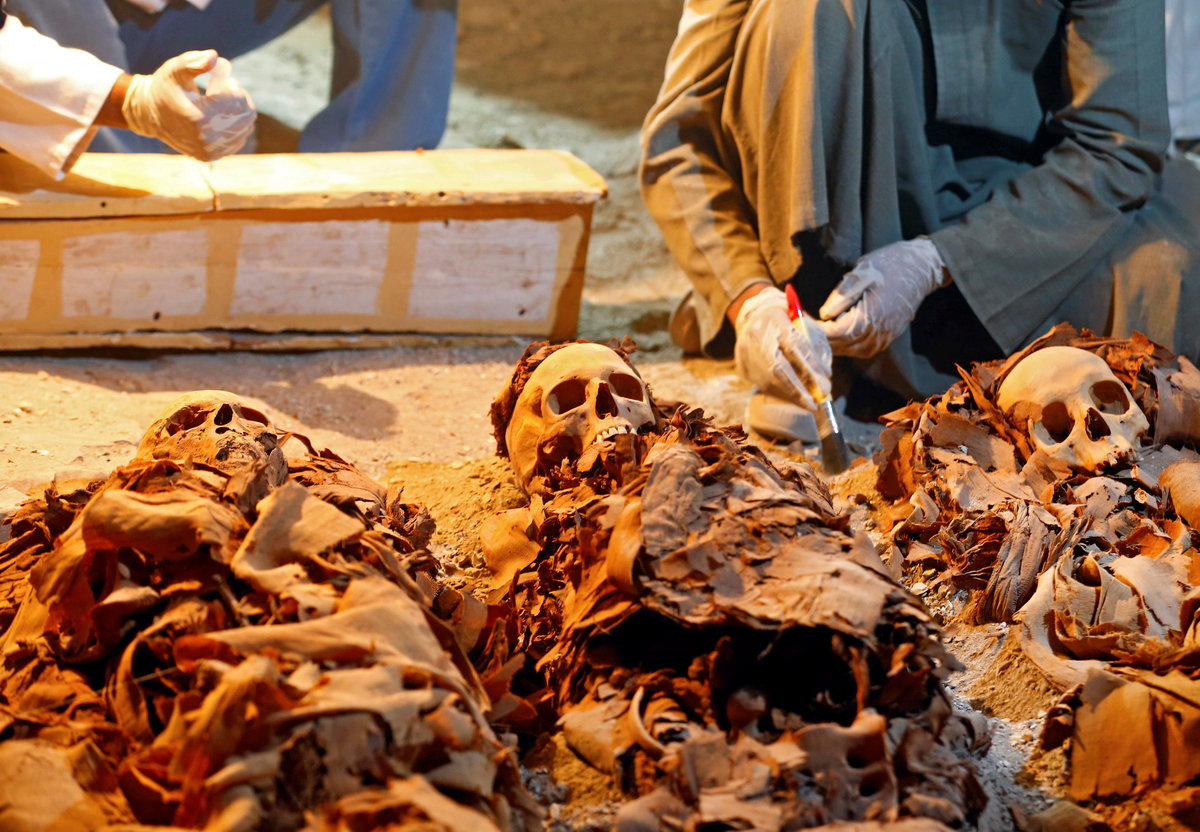
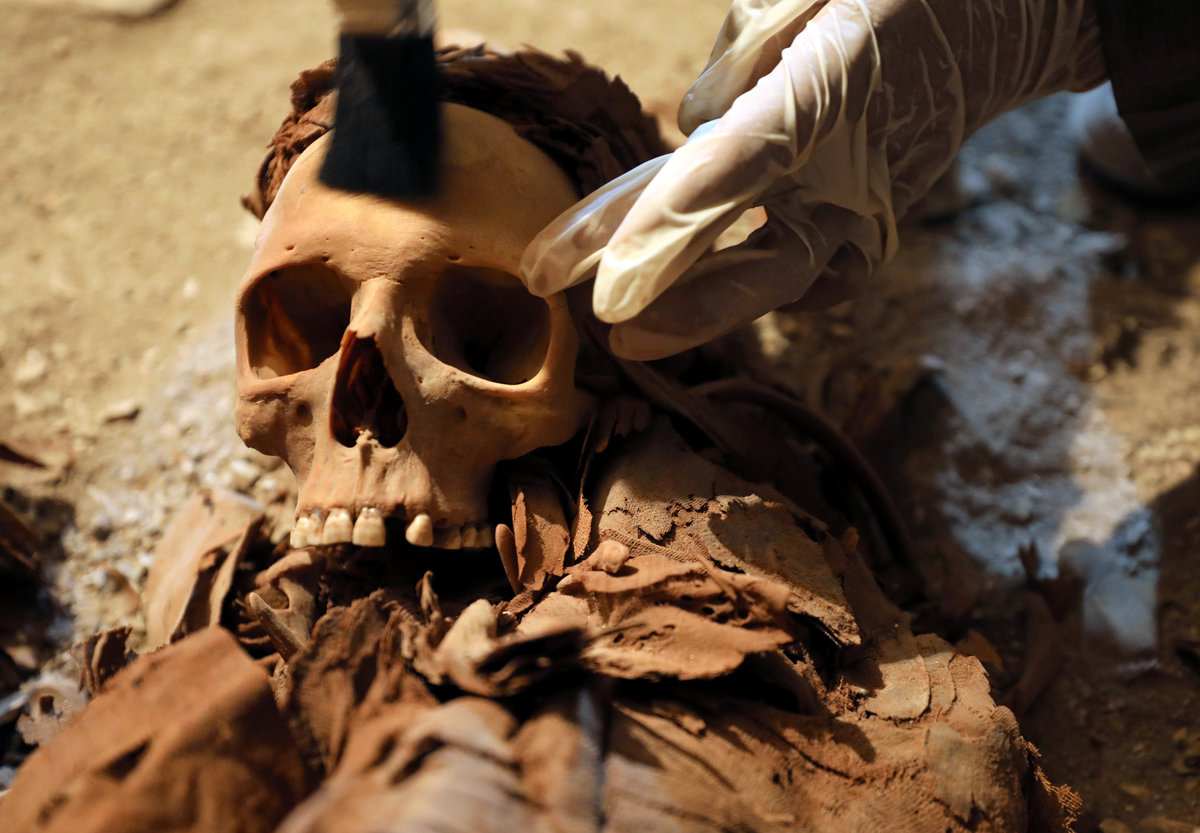
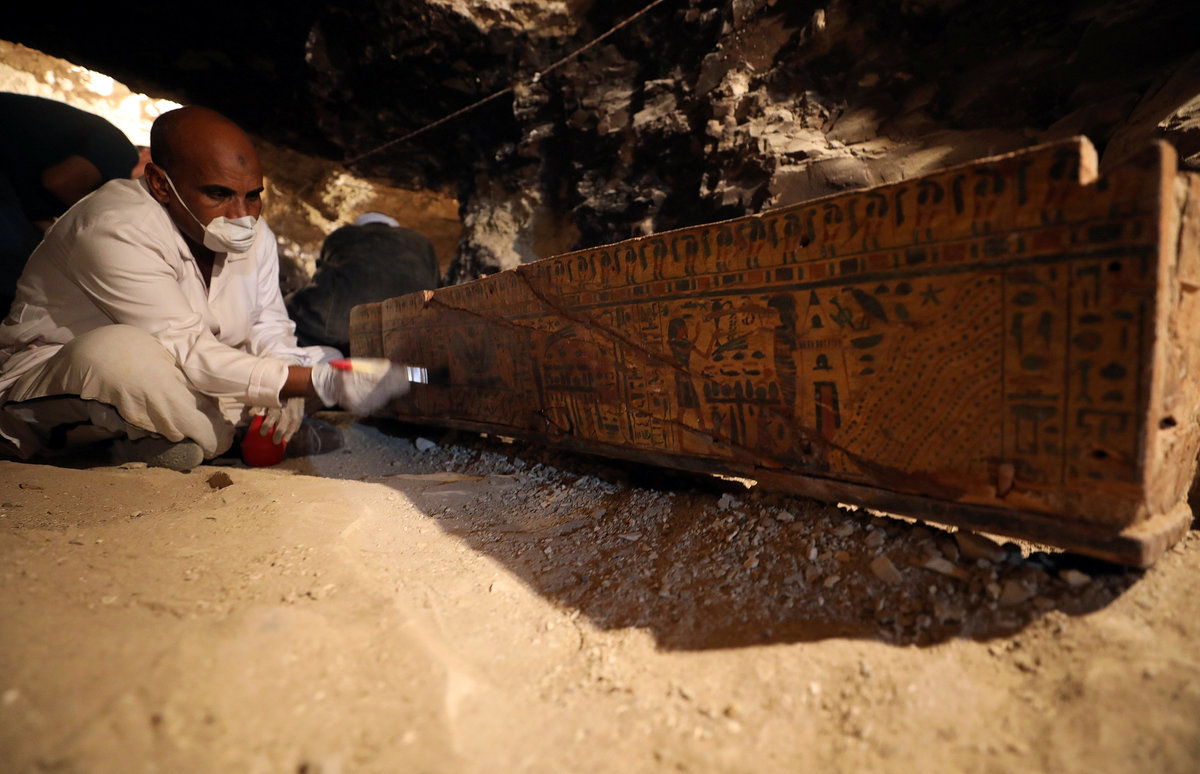
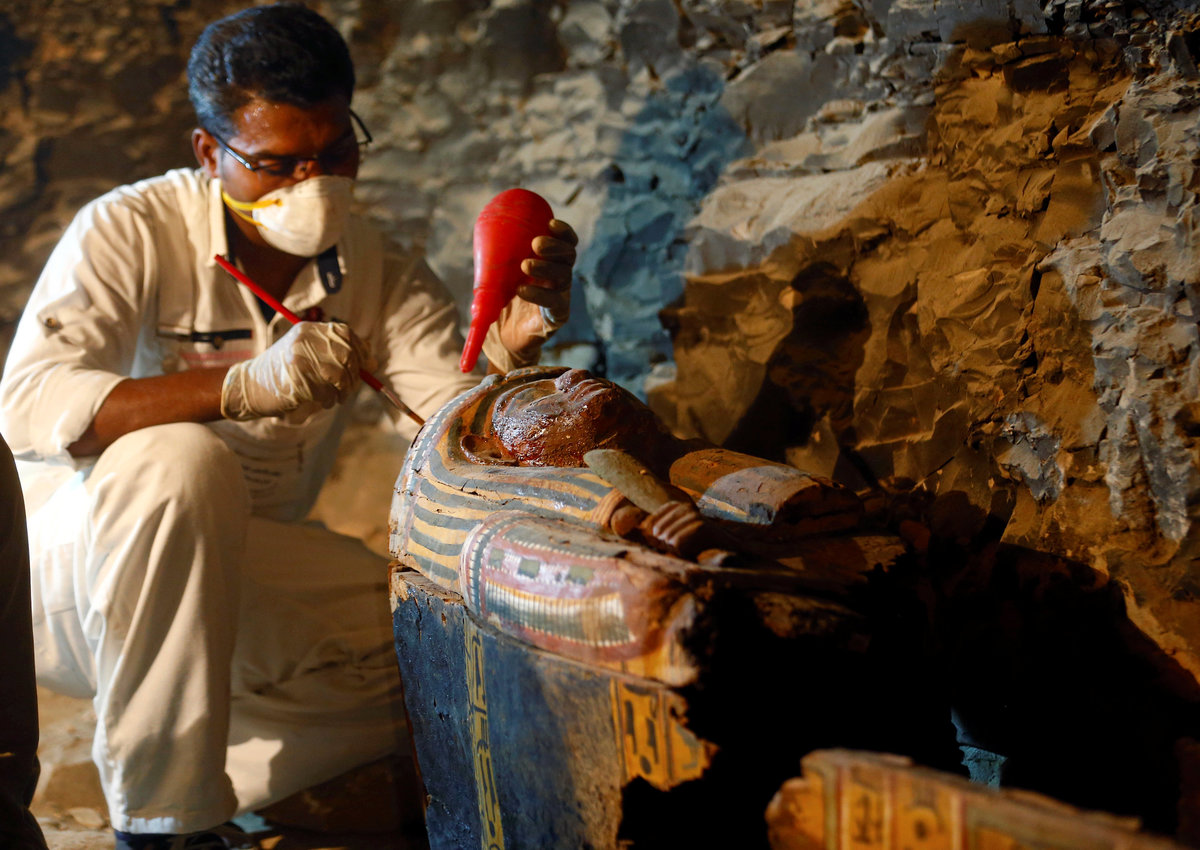
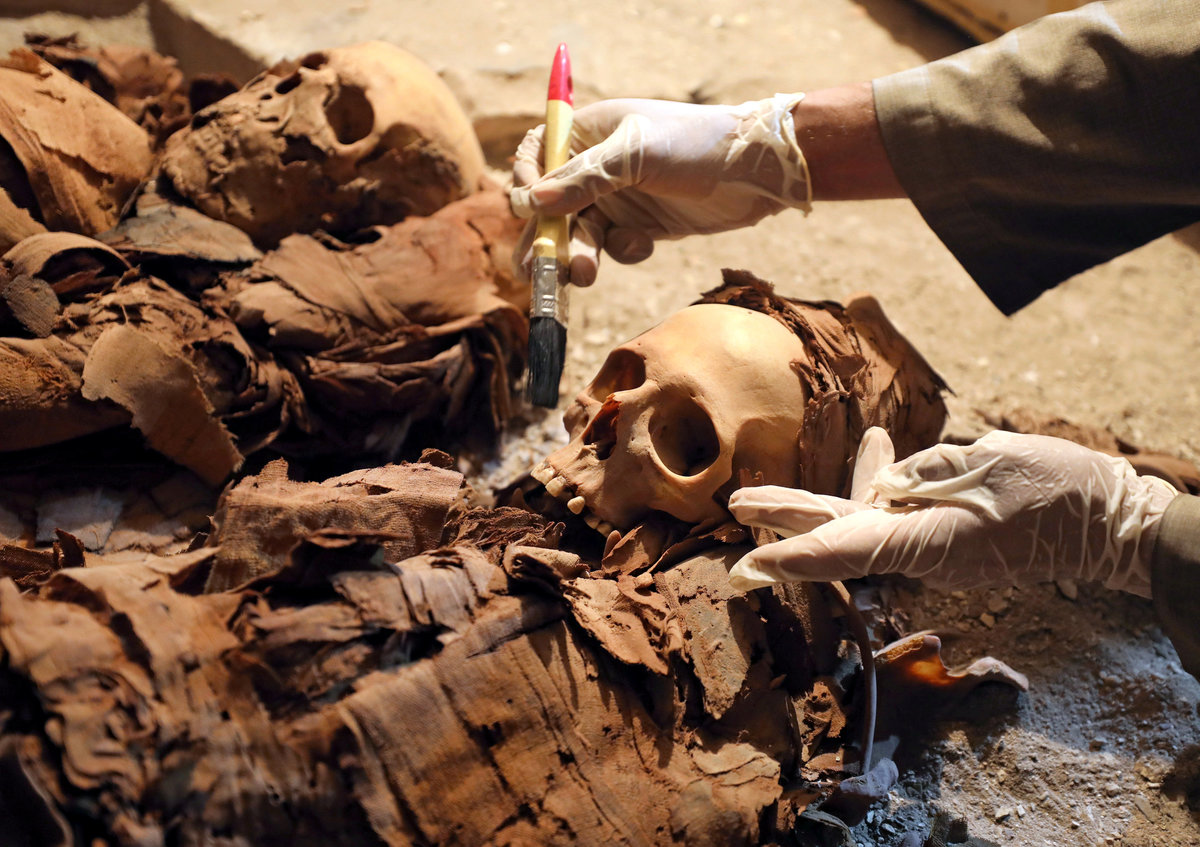
Egyptian antiquities workers preserve mummies in the recently discovered tomb of Amenemhat, a goldsmith from the New Kingdom, at the Draa Abu-el Naga necropolis near the Nile city of Luxor, south of Cairo, Egypt, September 9, 2017. REUTERS/Mohamed Abd El Ghany
Tourism in Egypt suffered in the aftermath of the mass protests that toppled former president Hosni Mubarak in 2011. Militant bomb attacks have also deterred foreign visitors.
Egypt's tourism revenues jumped by 170 percent in the first seven months of 2017, reaching $3.5 billion, authorities said, in welcome news for an economy heavily reliant on the sector for foreign currency and jobs.
Egyptian antiquities workers preserve mummies in the recently discovered tomb of Amenemhat, a goldsmith from the New Kingdom, at the Draa Abu-el Naga necropolis near the Nile city of Luxor, south of Cairo, Egypt, September 9, 2017. REUTERS/Mohamed Abd El Ghany
(Reporting by Mostafa Salem; writing by Patrick Markey; Editing by Ros Russell)
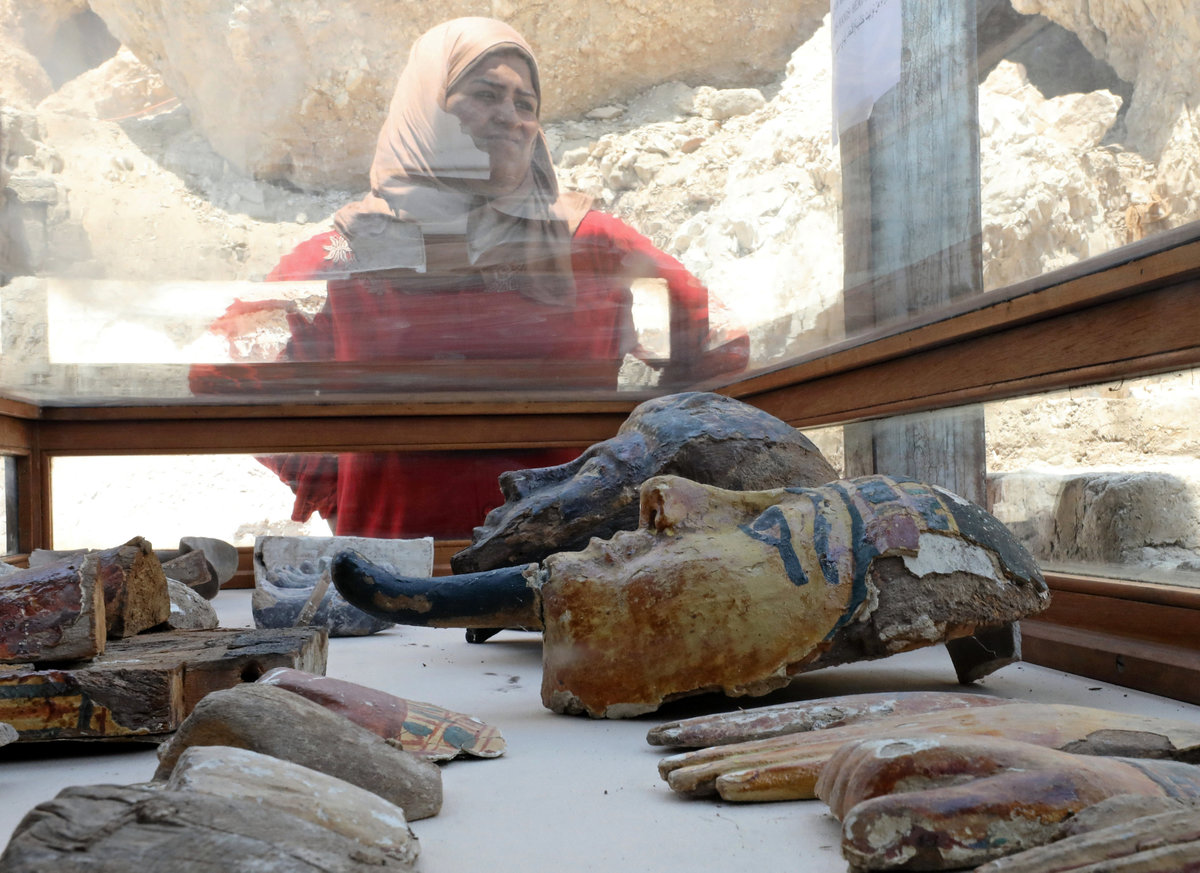
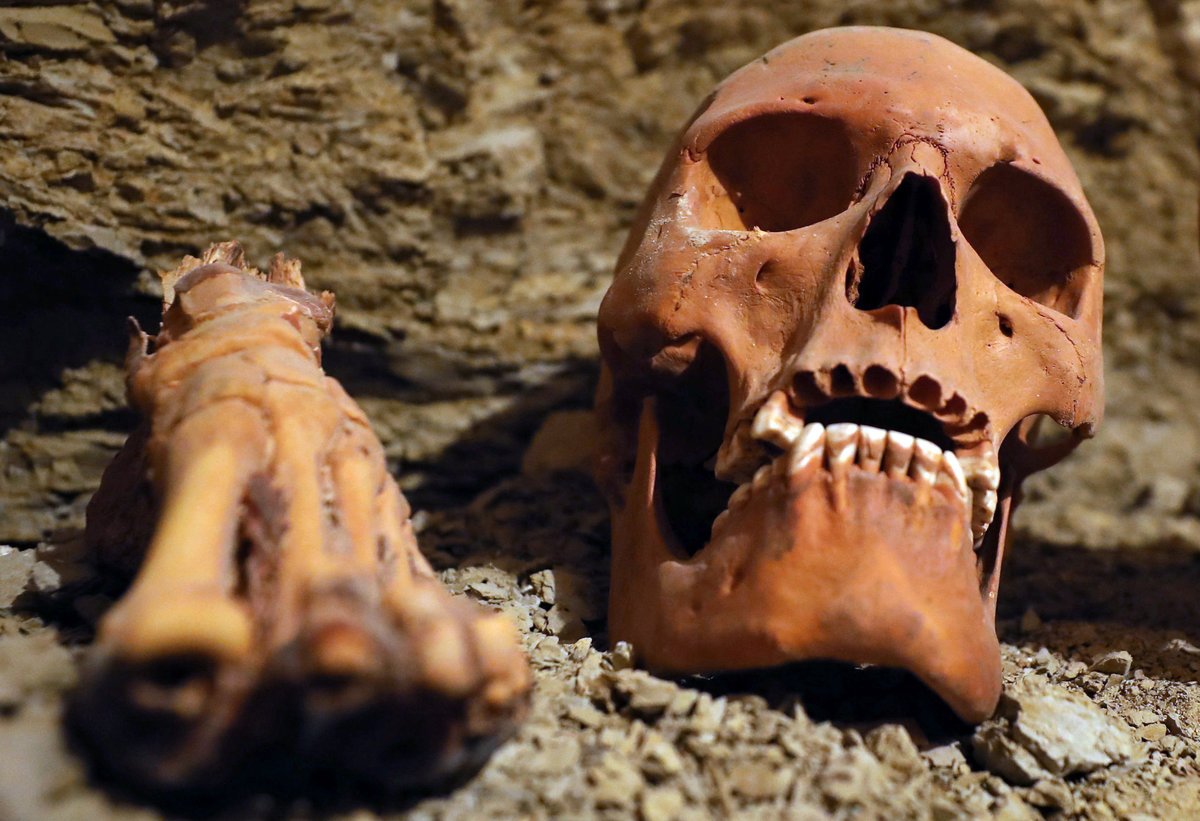
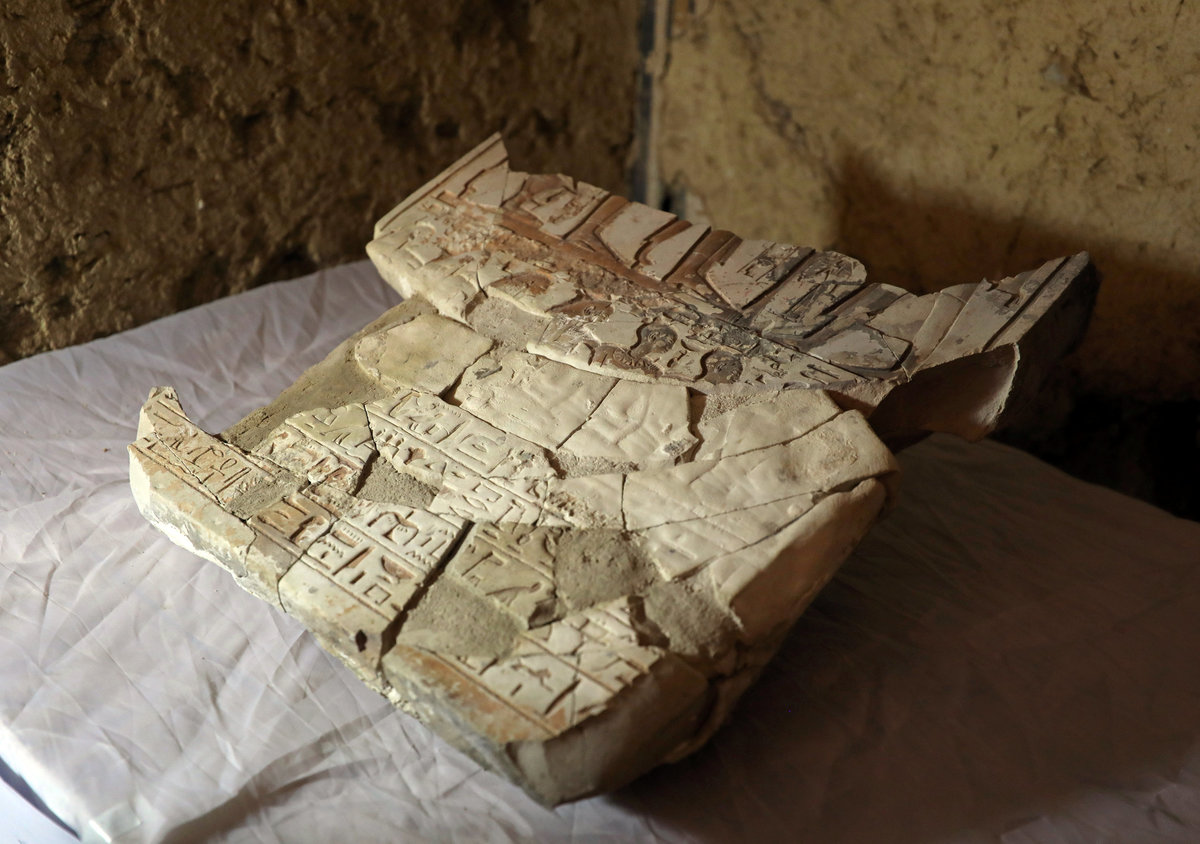
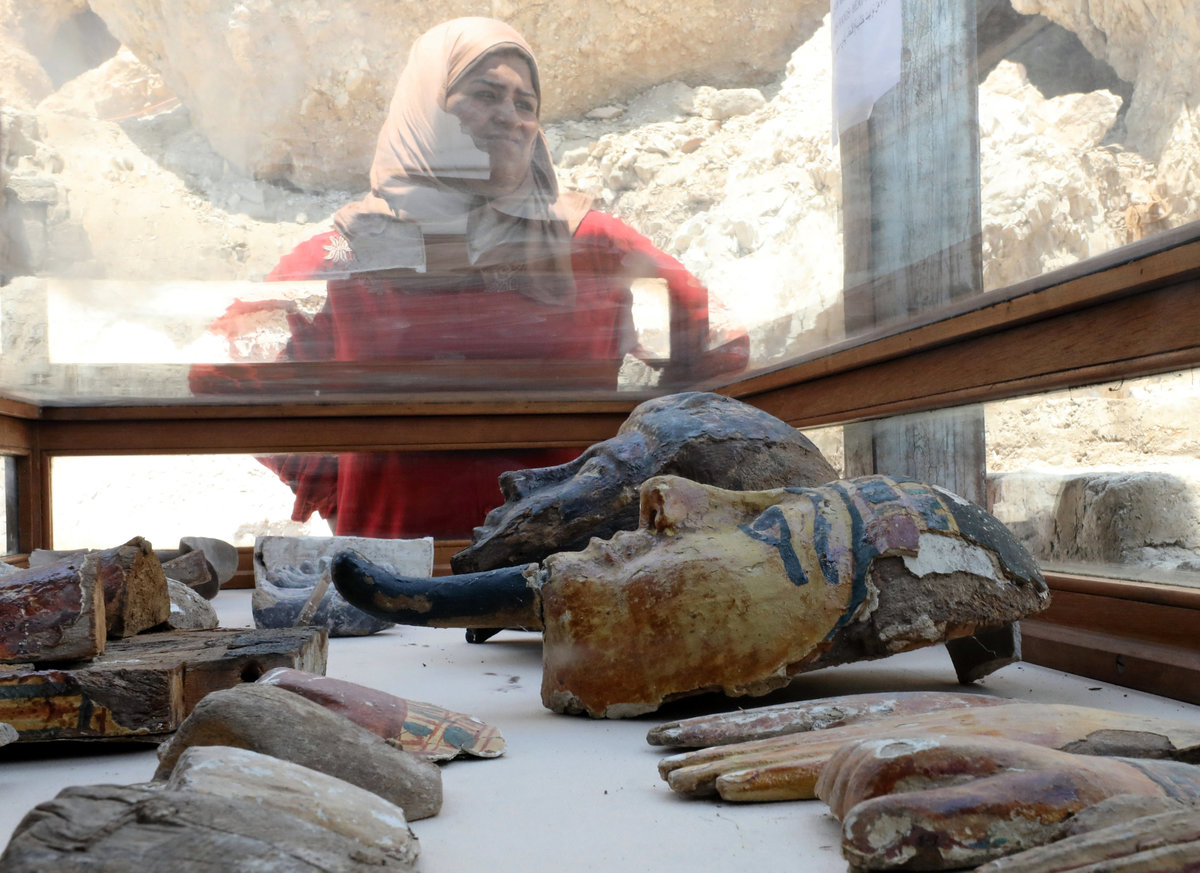
A woman stands near artefacts from the recently discovered tomb of Amenemhat, a goldsmith from the New Kingdom on display at the Draa Abu-el Naga necropolis near the Nile city of Luxor, south of Cairo, Egypt, September 9, 2017. REUTERS/Mohamed Abd El GhanyMinister of Antiquities Khaled Al Anany speaks during the announcement of the discovery of the tomb of Amenemhat, a goldsmith from the New Kingdom, at the Draa Abu-el Naga necropolis near the Nile city of Luxor, south of Cairo, Egypt, September 9, 2017. REUTERS/Mohamed Abd El GhanySkulls and hands are seen in the recently discovered tomb of Amenemhat, a goldsmith from the New Kingdom, at the Draa Abu-el Naga necropolis near the Nile city of Luxor, south of Cairo, Egypt, September 9, 2017. REUTERS/Mohamed Abd El GhanyEgyptian antiquities worker brushes a skull in a recently discovered tomb of Amenemhat, a goldsmith from the New Kingdom at the Draa Abu-el Naga necropolis near the Nile city of Luxor, south of Cairo, Egypt, September 9, 2017. REUTERS/Mohamed Abd El GhanyAn Egyptian antiquities worker is seen in the recently discovered tomb of Amenemhat, a goldsmith from the New Kingdom, at the Draa Abu-el Naga necropolis near the Nile city of Luxor, south of Cairo, Egypt, September 9, 2017. REUTERS/Mohamed Abd El GhanyEgyptian antiquities worker brushes a coffin in a recently discovered tomb of Amenemhat, a goldsmith from the New Kingdom at the Draa Abu-el Naga necropolis near the Nile city of Luxor, south of Cairo, Egypt, September 9, 2017. REUTERS/Mohamed Abd El GhanyAn Egyptian antiquities worker works on a coffin in the recently discovered tomb of Amenemhat, a goldsmith from the New Kingdom, at the Draa Abu-el Naga necropolis near the Nile city of Luxor, south of Cairo, Egypt, September 9, 2017. REUTERS/Mohamed Abd El GhanyA skull and a foot are seen in the recently discovered tomb of Amenemhat, a goldsmith from the New Kingdom, at the Draa Abu-el Naga necropolis near the Nile city of Luxor, south of Cairo, Egypt, September 9, 2017. REUTERS/Mohamed Abd El GhanyA skull is seen in the recently discovered tomb of Amenemhat, a goldsmith from the New Kingdom, at the Draa Abu-el Naga necropolis near the Nile city of Luxor, south of Cairo, Egypt, September 9, 2017. REUTERS/Mohamed Abd El GhanySkulls and hands are seen next to coffin in the recently discovered tomb of Amenemhat, a goldsmith from the New Kingdom, at the Draa Abu-el Naga necropolis near the Nile city of Luxor, south of Cairo, Egypt, September 9, 2017. REUTERS/Mohamed Abd El GhanyA statue of Amenemhat, a goldsmith from the New Kingdom, and wife Amenhoteb is seen in his tomb at the Draa Abu-el Naga necropolis near the Nile city of Luxor, south of Cairo, Egypt, September 9, 2017. REUTERS/Mohamed Abd El GhanyAn Egyptian antiquities worker is seen in the recently discovered tomb of Amenemhat, a goldsmith from the New Kingdom, at the Draa Abu-el Naga necropolis near the Nile city of Luxor, south of Cairo, Egypt, September 9, 2017. REUTERS/Mohamed Abd El Ghany TPX IMAGES OF THE DAYAn Egyptian antiquities worker uses a digging device to remove debris in the recently discovered tomb of Amenemhat, a goldsmith from the New Kingdom, at the Draa Abu-el Naga necropolis near the Nile city of Luxor, south of Cairo, Egypt, September 9, 2017. REUTERS/Mohamed Abd El GhanyAn artifact is seen in the recently discovered tomb of Amenemhat, a goldsmith from the New Kingdom, at the Draa Abu-el Naga necropolis near the Nile city of Luxor, south of Cairo, Egypt, September 9, 2017. REUTERS/Mohamed Abd El GhanyA coffin is seen in the recently discovered tomb of Amenemhat, a goldsmith from the New Kingdom, at the Draa Abu-el Naga necropolis near the Nile city of Luxor, south of Cairo, Egypt, September 9, 2017. REUTERS/Mohamed Abd El GhanyArtefacts from the recently discovered tomb of Amenemhat, a goldsmith from the New Kingdom, are on display at the Draa Abu-el Naga necropolis near the Nile city of Luxor, south of Cairo, Egypt, September 9, 2017. REUTERS/Mohamed Abd El GhanyAn Egyptian antiquities worker works in the recently discovered tomb of Amenemhat, a goldsmith from the New Kingdom, at the Draa Abu-el Naga necropolis near the Nile city of Luxor, south of Cairo, Egypt, September 9, 2017. REUTERS/Mohamed Abd El Ghany
Sign up to read this article
Read news from 100’s of titles, curated specifically for you.