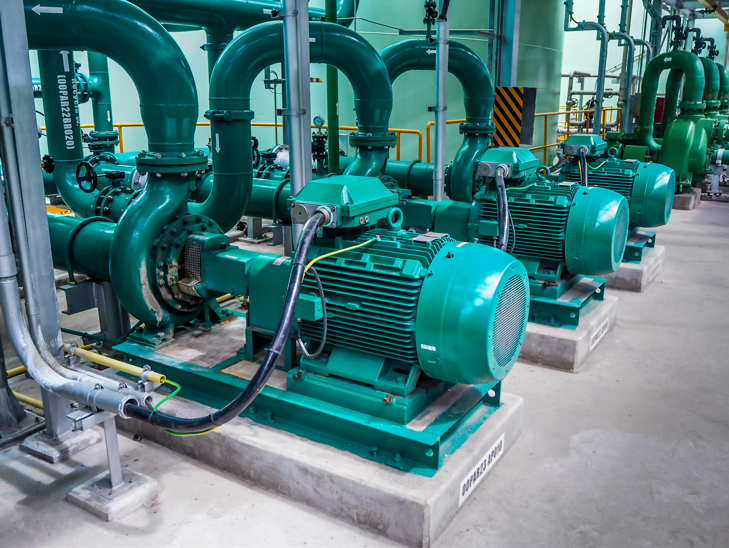
Inefficient liquid handling causes major problems in industrial settings. Delays reduce productivity, create safety issues, and increase costs. When systems fail or underperform, fluid transport becomes a liability instead of an asset.
Three common issues affect many operations. Leaks and contamination lead to waste and potential shutdowns. Poor energy use inflates costs and affects sustainability goals. Equipment that doesn’t match system demands causes breakdowns and frequent repairs.
Modern solutions help fix these problems. Today’s liquid transfer systems offer better control, precision, and safety. New technologies reduce energy loss, limit spills, and simplify maintenance. These systems support faster, cleaner, and more reliable fluid movement.
Importance of Liquid Transfer in Industrial Settings
Liquid transfer systems are critical in industrial operations. They support processes in oil and gas, food production, pharmaceuticals, and chemical manufacturing. These sectors rely on safe and accurate movement of fluids.
Efficient systems keep operations steady and predictable. They allow for smooth production, proper mixing, and safe storage. When systems are well-managed, they reduce waste and protect product quality.
Failures in these systems carry serious consequences. Contaminated fluids may ruin entire batches. Leaks can harm workers and damage equipment. Losses also lead to downtime, missed targets, and added costs.
Industrial plants that overlook liquid transfer efficiency risk safety and output. Reliable systems ensure better compliance, improve workflow, and maintain high standards. Their role is essential across various industries.
Common Challenges in Industrial Liquid Transfer
Handling fluids with different properties creates complex challenges. Viscosity affects how liquids move through systems. Some fluids flow easily, while others require more force and control.
High temperatures or corrosive contents add risk. These conditions can damage pipes, pumps, and seals. Using materials that resist heat and corrosion helps reduce downtime and repair costs.
Transferring liquids over long distances needs stable pressure. Without it, flow rates drop, causing delays and product waste. Pressure control devices are essential in these setups.
System compatibility is another concern. Facilities often mix old and new components. This mismatch can create leaks, weak connections, and safety hazards. Proper design helps avoid these issues and keeps operations safe.
Selecting the Right Pumping Technology for Your Operation
Choosing the right pump depends on your process needs. Centrifugal pumps handle high flow rates and low-viscosity fluids. Diaphragm pumps, as explained at knf.com/en/us, work well with corrosive or abrasive materials. Peristaltic pumps are ideal for precise dosing. Gear pumps offer consistent flow and handle viscous liquids.
Matching pump type to fluid characteristics improves performance. Corrosive fluids need chemical-resistant materials. High-viscosity liquids need strong suction and pressure. Accurate delivery calls for tight flow control.
Food processing operations often benefit from using peristaltic pumps instead of centrifugal ones. This switch can improve dosing accuracy, lower product waste, and reduce maintenance needs. In chemical applications, diaphragm pumps are commonly chosen for handling acids due to their resistance to corrosion and safe operation. Sump pumps are also widely used in industrial settings to handle wastewater, slurries, or overflow, offering efficient fluid removal in containment areas and basements.
Proper pump selection helps reduce failures, cut costs, and boost output. It also supports long-term system reliability.
Implementing Smart Flow Control and Automation Systems
Automation technology improves fluid transfer by using valves, sensors, and programmable logic controllers (PLCs). These tools manage flow rates, detect faults, and adjust operations in real time.
Automated systems reduce manual work and improve precision. They lower the chance of human error and support consistent results. Predictive maintenance features also spot problems before they cause breakdowns.
A facility that added flow sensors and PLCs saw fewer disruptions. They extended equipment life and reduced maintenance costs. Data logs helped trace process errors and adjust production schedules quickly.
Smart systems increase uptime, reduce waste, and improve safety. They help teams monitor key metrics and meet compliance standards. Upgrading to automated controls adds long-term value and operational stability.
Ensuring Material Compatibility and Regulatory Compliance
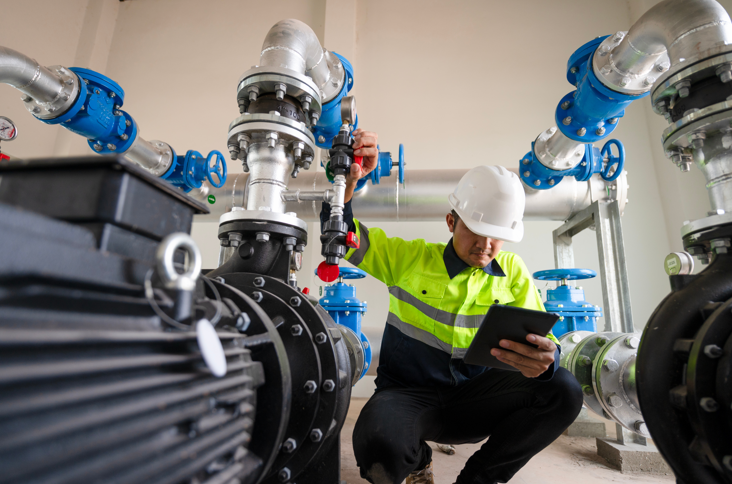
Material choice affects system safety and efficiency. Stainless steel resists corrosion and high heat. PVC suits non-reactive, low-pressure applications. Teflon handles aggressive chemicals and extreme temperatures.
Each fluid requires compatible materials. Mismatched materials can corrode, crack, or contaminate fluids. Proper selection improves performance and extends equipment life. It also reduces repair and replacement costs.
Compliance with standards is critical. FDA rules apply to food and pharma. ISO standards guide quality and safety. ATEX covers explosive atmospheres. Meeting these standards helps avoid legal and financial penalties.
Safe operations rely on compatible parts and certified systems. Using approved materials and meeting regulations builds trust. It also supports efficient, trouble-free workflows across industrial sectors.
Prioritizing Maintenance and System Longevity
Regular maintenance keeps fluid systems reliable. Pumps, seals, hoses, and valves need routine checks. Preventive care stops small problems from becoming major failures.
Signs of wear include leaks, vibration, or pressure drops. Cracked seals, blocked filters, and noisy pumps also show trouble. Ignoring these signs shortens equipment life and increases repair costs.
Well-trained staff can spot and fix issues quickly. They help reduce downtime and improve response time. Training also lowers safety risks and supports compliance efforts.
A solid maintenance plan extends system life. It also protects your investment and improves output. Preventive actions and skilled teams create stronger, safer operations across all industries.
Conclusion
Outdated or poorly managed fluid systems often cause hidden costs. Leaks, slowdowns, and failures can go unnoticed. These problems affect safety, quality, and profit over time.
You should audit your current setup. Look for worn parts, poor flow control, and missed maintenance. Check if your equipment matches the fluids and meets current standards.
Consider modular transfer systems for future upgrades. These setups allow quick reconfiguration and easy scaling. They adapt to growth without full system replacements. This flexibility saves time, reduces costs, and supports long-term planning.