The coronavirus pandemic continues to plague the domestic leisure and tourism industry. The government's Go To Travel campaign has been launched, but its effectiveness is unclear. With foreign tourists not likely to be visiting Japan for the time being, either, many challenges lie ahead. What can the industry do to survive?
--Critical condition
Gunma Prefecture, home to tourist destinations such as the Kusatsu and Ikaho hot spring resorts, launched a campaign to subsidize the cost of rental accommodations in the prefecture for Gunma residents in June and July.
"We were able to support the business performance of hard-hit lodging facilities [through the campaign]," a prefectural tourism official said.
The area would normally expect to host about 1.3 million visitors during this period, but only about 300,000 were expected this year. The tough predicament is likely to continue going forward.
"To say [the industry] is dying would not be an exaggeration," Chief Cabinet Secretary Yoshihide Suga said in an NHK program that aired recently, stressing the urgent need for the government's travel discount-based Go To Travel campaign, which was launched July 22.
Toshihiro Nagahama, a senior economist at Dai-ichi Life Research Institute, said: "According to estimates, the campaign was expected to generate about 1 trillion yen in tourism demand, but with Tokyo's exclusion and other factors, only about 60% of that figure can be expected."
--Big drop in overnight stays
The Economy, Trade and Industry Ministry's tertiary industry activity index reflects the harsh situation in the domestic leisure and tourism industry.
While the railway transport sector only fell to 60.6 in the May index, based on the 2015 average of 100, the air passenger transport industry, which has seen a sharp decline in tourism and business passengers, slumped to 5.5.
The tourism industry hit 2.4 and the amusement park industry stood at 2.7, with business activities almost at a standstill amid calls for people to limit interprefectural travel.
According to the Japan Travel and Tourism Association, the total number of Japanese guests staying in domestic lodging facilities in June was down 58.8% year-on-year, totaling about 13.76 million, while the number of foreigners fell 97.9% to about 180,000, even though the state of emergency had been lifted
A swift recovery is unlikely.
--Support needed
Various efforts have been launched to find a way to overcome the situation while preventing the spread of the coronavirus.
Major hotel operator Prince Hotels Inc., which has 8,000 rooms in central Tokyo alone, had an occupancy rate of 5% in April-June this year, compared to 90% in the same period last year.
"The occupancy rate in resort areas such as Hakone and Karuizawa has risen to about 40% to 50%, but the recovery has been slower in central Tokyo, which was excluded from the Go To campaign," a Prince Hotels official said.
As a result, the company has begun offering Tokyo residents a 20% discount on meals at its hotels in the city and guests a 5,000 yen voucher that can be redeemed at facilities in its hotels. Prince Hotels is also implementing changes to combat the spread of the coronavirus. Diners at its buffet-style restaurants can choose their dishes while remaining seated, as the food is being taken table to table on a tea wagon.
Meanwhile, Hoshino Resorts Inc. recently announced that it will establish a fund of up to 20 billion yen, in cooperation with a domestic investment firm, to support the operations of hotels and ryokan inns struggling amid the coronavirus pandemic. The company is in talks with domestic financial institutions among other firms, aiming to reach an agreement by the end of September.
Several properties are said to have been identified as potential investment targets, mainly hot spring inns. The aim is to help the facilities to continue operating and also to protect the jobs of their employees.
The recently established tourism-related company Xperisus Inc. had planned to launch a service renting out shrines and temples for the exclusive use of wealthy clientele to enjoy meals and other activities. However, the company has had to abandon or postpone its plans due to the coronavirus pandemic.
Instead, the company wants to target a wider range of tourists and make use of its know-how by working with Hiroshima Prefecture and other local governments
Tomoyoshi Maruyama, chief executive officer of the company, said, "It is important to refine local tourism resources and provide experiences that can only be enjoyed at these places."
David Atkinson, president of Konishi Decorative Arts & Crafts Co. who has also served as a member of a Japan Tourism Agency council, said, "The tourism industry will have to ride out the immediate decline in demand, but Japan's tourism infrastructure has improved as the number of foreign visitors has increased. There is no need for pessimism in the medium term."
--"2 years for visitors numbers to recover" at Tokyo Disney
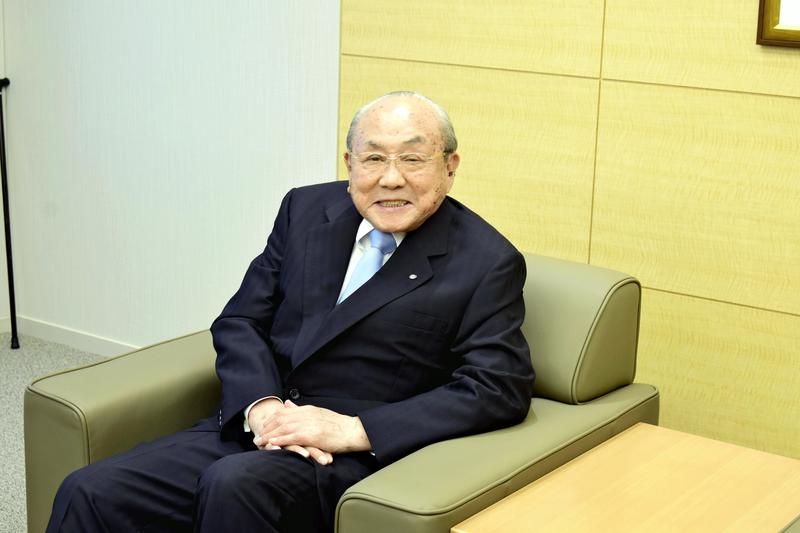
Toshio Kagami, 84, chairman of Tokyo Disney Resort operator Oriental Land Co., spoke about the situation at the company's theme parks since they reopened on July 1 in a recent interview with The Yomiuri Shimbun.
The following are excerpts of his comments.
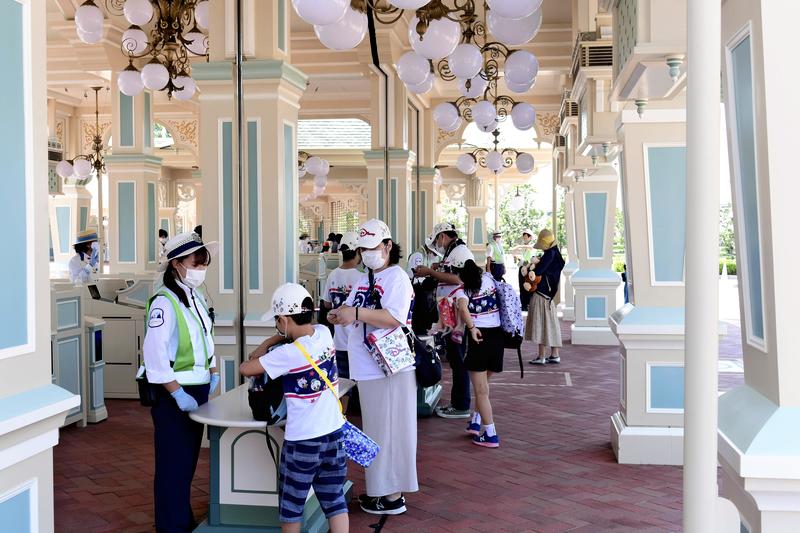
Before the reopening of Tokyo Disney Resort, we conducted more than two weeks of drills with our employees in a bid to prevent the spread of the coronavirus. We have been surprised by how cooperative our guests have been with the countermeasures.
The number of visitors is being limited to about half of the average daily attendance of previous years, [about 80,000.] We want to increase the number depending on the situation. It will probably take about two years to get back to the levels seen before the pandemic.
As for the parades, it's difficult for performers to interact with guests at this time, so the parade floats will travel along the routes without stopping.
We're also thinking about introducing a system in which ticket prices change based on the date of use.
We posted a net loss of 24.8 billion yen for the first quarter [April-June] of fiscal 2020[, compared with a net profit of 22.9 billion yen for the same quarter last year.]
We expect to see an improvement in the July-September period, but the seas will still be rough.
Plans for attractions and other investments are on schedule through to around 2023. We are thinking of creative ways to manage visitor numbers so that we can open the new Beauty and the Beast area, which has already been completed.
Read more from The Japan News at https://japannews.yomiuri.co.jp/