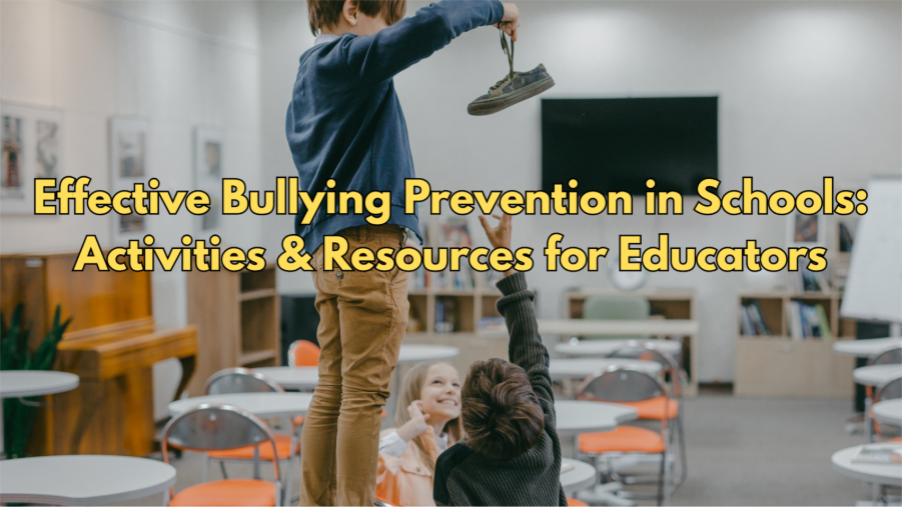
 Bullying is a continuing issue at school. It affects students emotionally, psychologically and academically. Although awareness has increased, it remains a challenge for many schools.
As educators and staff, it is essential to understand why bullying is a problem and what mechanisms can be implemented to prevent it, so that the learning environment becomes a secure and conducive place.
Policies and rules are essential, but change begins in the classroom through daily practice, meaningful activities, and appropriate resources. This article examines strategies schools can use to prevent bullying through activities, programs, and tools that promote respect, kindness, and safety.
How Bullying Affects Students
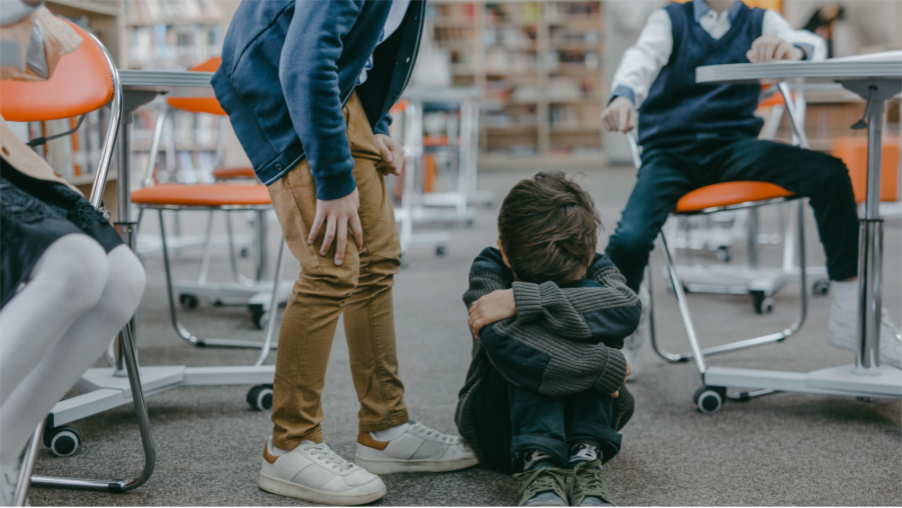 Photo source: Mikhail Nilov from Pexels
To prevent bullying, we must be aware of what it is. Bullying is not teasing; it is a recurring system of aggression in which one individual is in control of another. Bullying may be physical, verbal, social, or online.
Studies indicate that bullying may lead to severe issues. Bullied students can do worse in school, miss school more, and experience anxiety or depression. They can even develop suicidal thoughts.
Long-term mental health and social skills are also negatively impacted. In the case of schools, uncontrolled bullying induces fear, diminishes trust, and eliminates the freedom to learn.
The Role of Teachers and Staff
Teachers, school counsellors, and staff play a vital role in bullying prevention in schools by helping to create a safe and supportive environment. They are not only supposed to eliminate incidents when they occur but also prevent their occurrence before they start.
A proactive approach is better than a reactive one. Teachers can create an atmosphere of learning by setting clear rules of behavior and working with students to formulate classroom rules.
They can monitor bullying in hallways, cafeterias, and online. Social-emotional learning and open conversations are important. When students feel heard and supported, they raise their voices to help one another.
To make this process easier, Bright Futures Counseling provides ready-to-use activities and educator resources designed to promote emotional learning and communication skills — helping schools establish consistent, positive behavior systems across grades.
Classroom Activities That Help Prevent Bullying
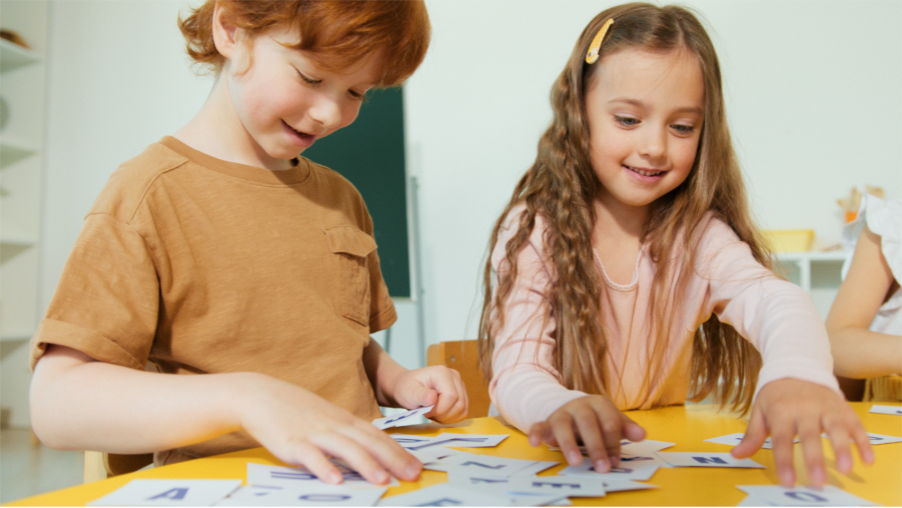
Photo Source: Artem Podrez from Pexels
The introduction of the anti-bullying topic into everyday lessons and activities helps establish a culture of empathy and respect. The following are some research-supported activities that educators can apply:
- In-class Discussion and Role-playing: Honest conversations about real-life situations get the students to think critically about their values, prejudices, and responses. Role-playing enables them to practice their skills of resisting bullying in a safe and secure setting.
- Empathy Exercises: Empathy activities can minimize aggressive behavior. Have students create journal entries as if they were being bullied or describe a time when they felt left out or misunderstood.
- Kindness Challenges: Challenges every day or weekly, such as writing positive messages to your classmates or supporting someone new, are a way of being kind and strengthening positive behavior.
- Peer Mentorship Programs: The mentoring of younger students by older students is not just a way of developing leadership, but also a network that supports the young to avoid bullying.
- Digital Citizenship Learning: As cyberbullying increases, there is a need to learn how to behave responsibly online. This can be taught when defining what to do when bullied online, how to report it, and how to support peers online.
Many of these activities are included in the Bullying Prevention Bundle by Bright Futures Counseling, which offers printable lessons, discussion prompts, and group exercises. These resources save teachers time while helping them foster empathy, kindness, and inclusion within their classrooms.
Schoolwide Approaches That Work
Although lessons in the classroom play an essential role, a multi-schoolwide strategy can be more sustainable and effective in preventing bullying. Here are some key strategies:
- Create a Definitive Anti-Bullying Policy: There should be policies regarding bullying, its consequences and methods of reporting and addressing incidents.
- Train Staff and Students: The school should conduct regular training sessions so that every school person will be able to recognize any bullying signs and know how to react. Students are also expected to be taught how to report bullying and how to support one another.
- Use Data to Drive Action: Anonymous surveys help schools identify areas of bullying, the groups of students affected, and the effectiveness of existing interventions.
- Foster Parent Involvement: Engage families through newsletters, workshops, and free-flowing communication channels. Respectful behavior can be strengthened by parents at home.
Helpful Resources for Teachers
Photo Source: Pavel Danilyuk from Pexels
- Teacher Newsletters/ Professional Bulletins: Publish news on bullying prevention methods, research, and anti-bullying stories in schools.
- Student Activity Workbooks and Journals: Guide students to contemplate empathy, respect, and conflict resolution by joining together in a guided exercise.
- Printable Posters and Classroom Visuals: These tools support anti-bullying messages by helping maintain them in the daily reminders and positive interactions.
- Role-Playing Scripts and Scenario Cards: Promote interactive classroom learning by demonstrating to students the ways of reacting in the real world.
- Parent Communication Templates and Guides: Assist teachers in involving the families in the prevention process and provide some uniformity in the message.
- School Policy Handbooks and Checklists: Provide a systematic means through which teachers can become consistent with schoolwide prevention approaches.
- Educational Videos and Discussion Guide in the Classroom: Visual materials to bring students to meaningful discussion and reflection.
Conclusion
Bullying in schools cannot be stopped solely through rules; a cultural change is also required. Teachers and staff must be aware, supported, and proactive in how they handle these issues.
Classroom activities, schoolwide strategies, and trusted resources like those from Bright Futures Counseling, make schools safer, giving every student a sense of respect and protection. Students can focus on learning, making friends, and growing into confident, understanding individuals when they feel safe.
A good school is not just a place to study, but it is a place to develop.