SAN JUAN, Puerto Rico (Reuters) - Streets usually abuzz with diners, shoppers, and traffic stood silent, shuttered and empty in the center of San Juan on Tuesday as the Puerto Rican capital prepared for the onslaught of a massive hurricane the following morning.
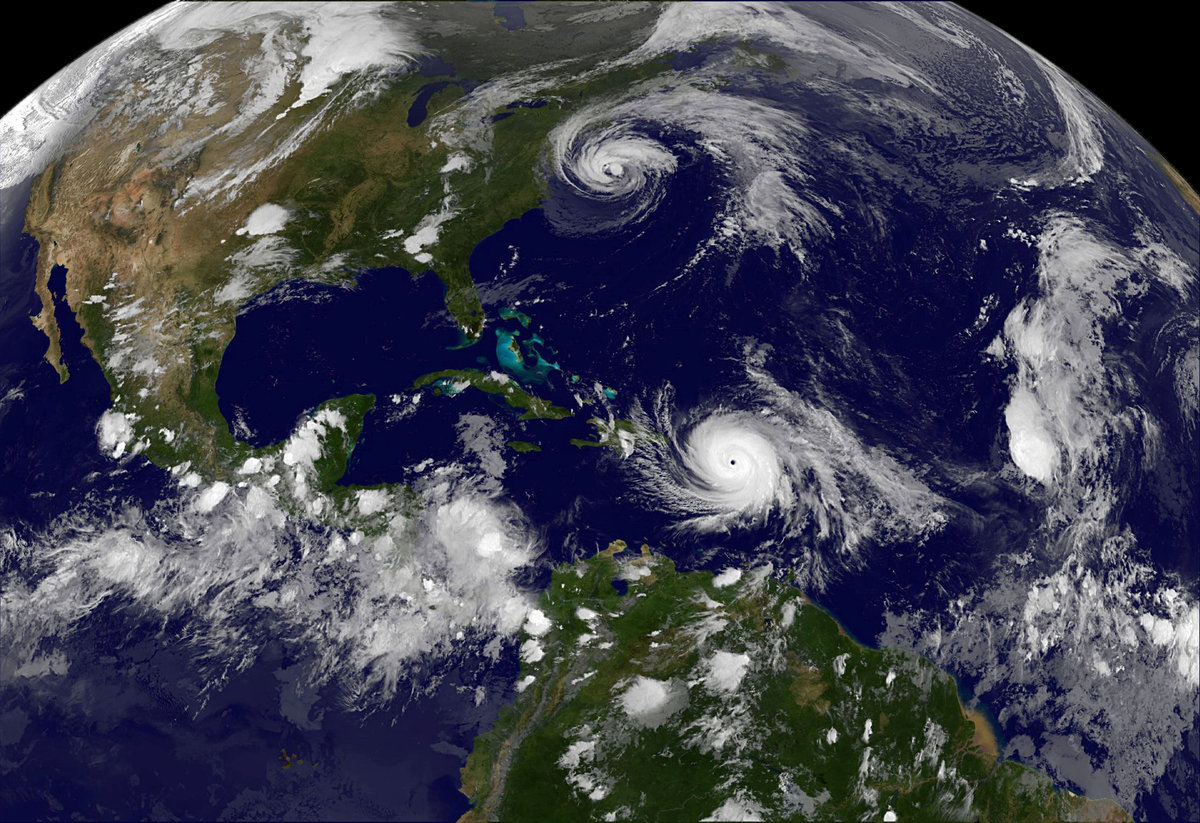
Category 5 storm Maria was expected to tear across Puerto Rico after barreling through St. Croix in the U.S. Virgin Islands in the early hours of Wednesday, becoming the second highest-category hurricane to ravage the Caribbean this month.
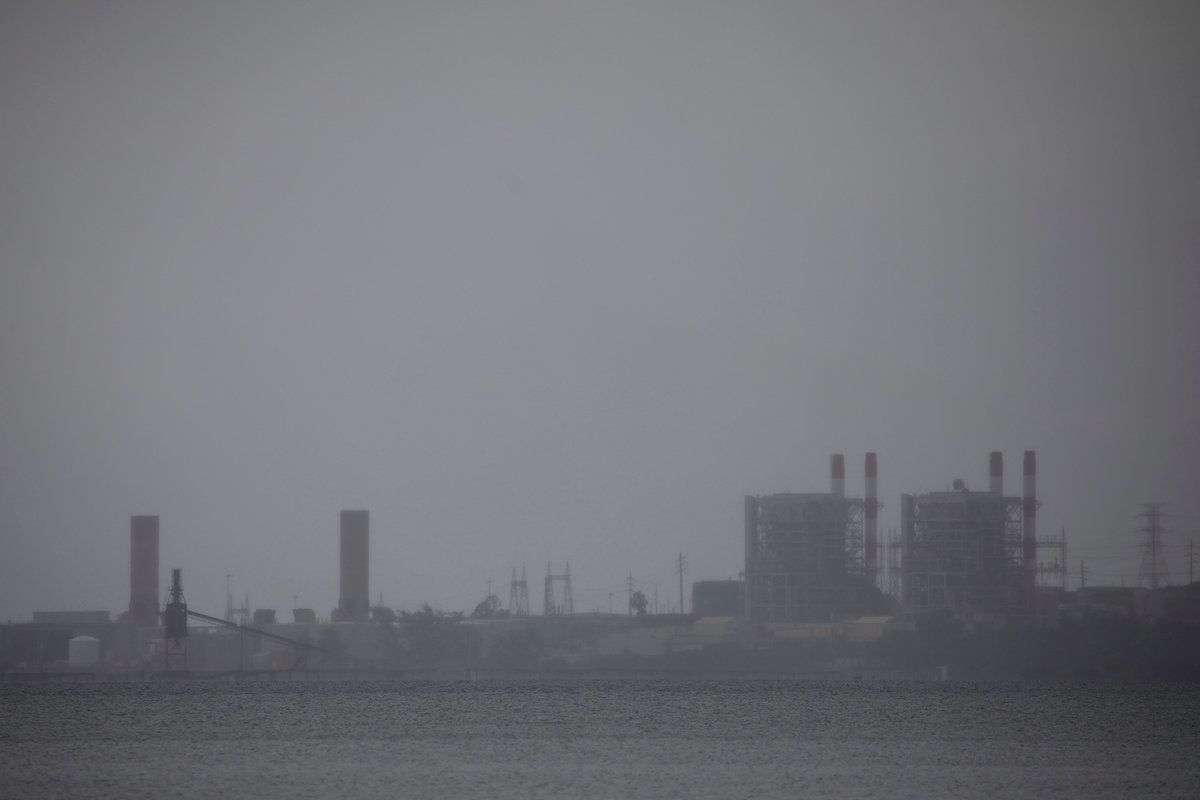
"It looks like a ghost town," said 53-year-old psychiatrist Jose Torres as he walked through the near-deserted historic center of Old San Juan with a friend as dusk was falling. "We're taking more precautions this time after Irma."
Swathes of the Caribbean are still reeling from the impact of Hurricane Irma, which killed more than 80 people as it plowed through the Leeward Islands, Cuba and Florida this month. Maria has killed at least one person so far.
Puerto Rico avoided a direct hit from Irma, but the storm knocked out power for 70 percent of the island, and killed at least three people. Maria promises to be worse.
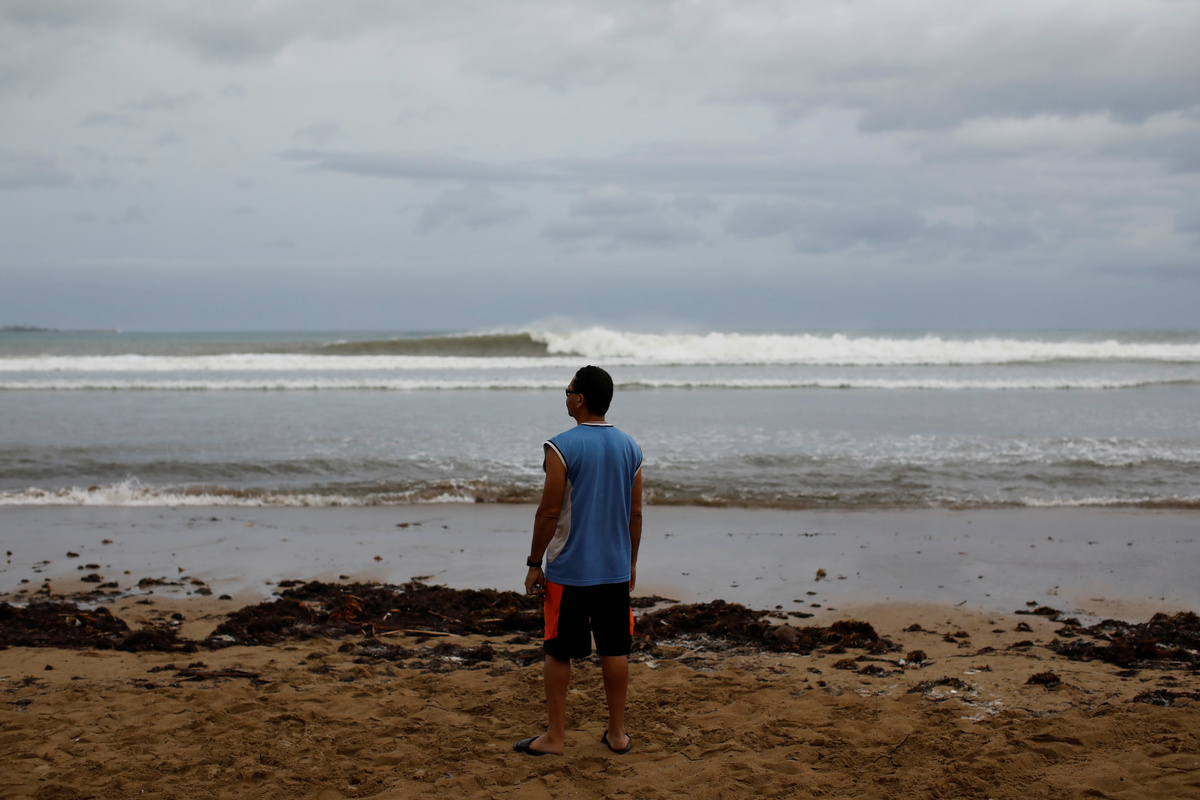
"We know that this hit is going to be much more devastating than the previous one," Puerto Rico's Governor Ricardo Rossello told National Public Radio.
Maria, a rare Category 5 storm at the top end of the five-step Saffir-Simpson scale, lashed the western portion of St. Croix in the U.S. Virgin Islands, packing maximum sustained winds of 175 mph (280 kph) by 1 a.m. EDT (0500 GMT), the U.S. National Hurricane Center said.
Officials in Puerto Rico, a U.S. island territory of about 3.4 million inhabitants, urged residents to take emergency precautions and hunker down while Maria passed over.
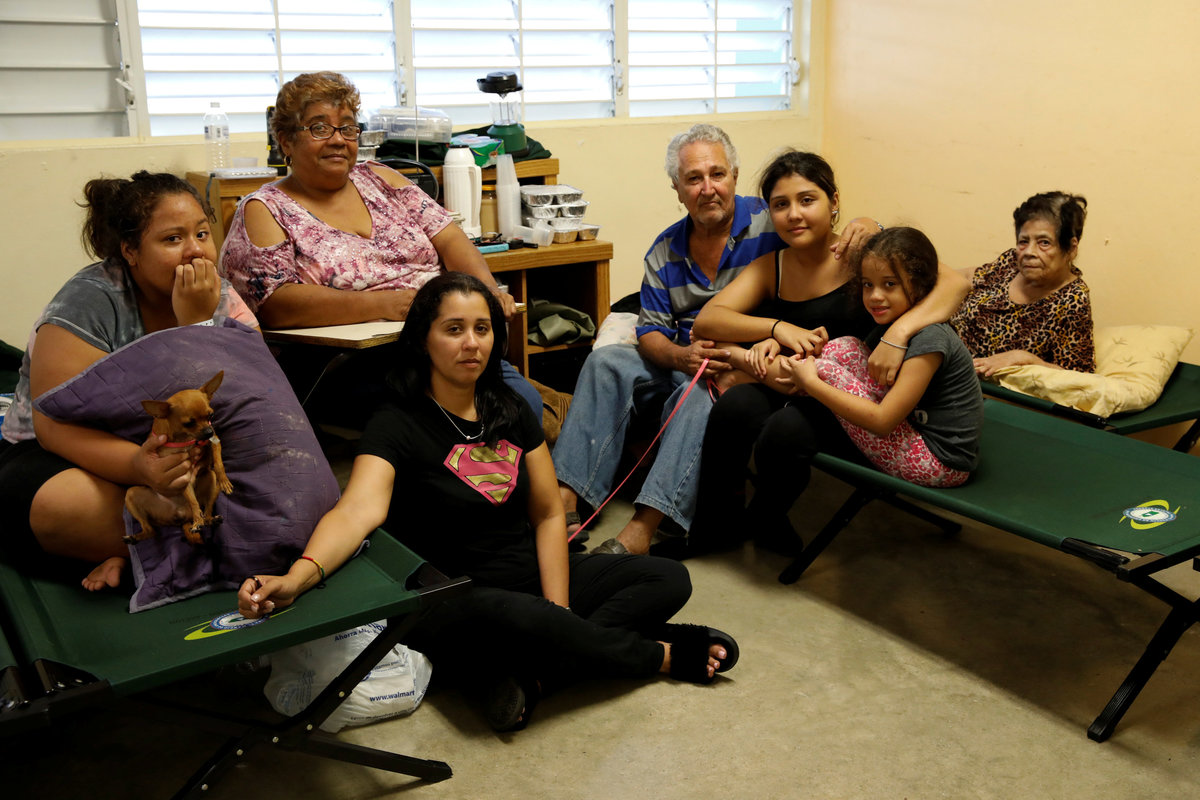
"Nobody should be in the street," said Gabriel Velazquez, 49, a police officer patrolling the eerily quiet Old San Juan neighborhood on Tuesday night as helicopters buzzed overhead.
Restaurants and shops were boarded up and neon lights above closed businesses flickered wanly as warm gusts of wind began to weave through the old city's maze of cobblestoned streets.
Authorities ordered evacuations from most vulnerable areas, and warned of major flooding risks from Maria, which is expected to bring up to 25 inches (635 mm) of rain to parts of Puerto Rico.
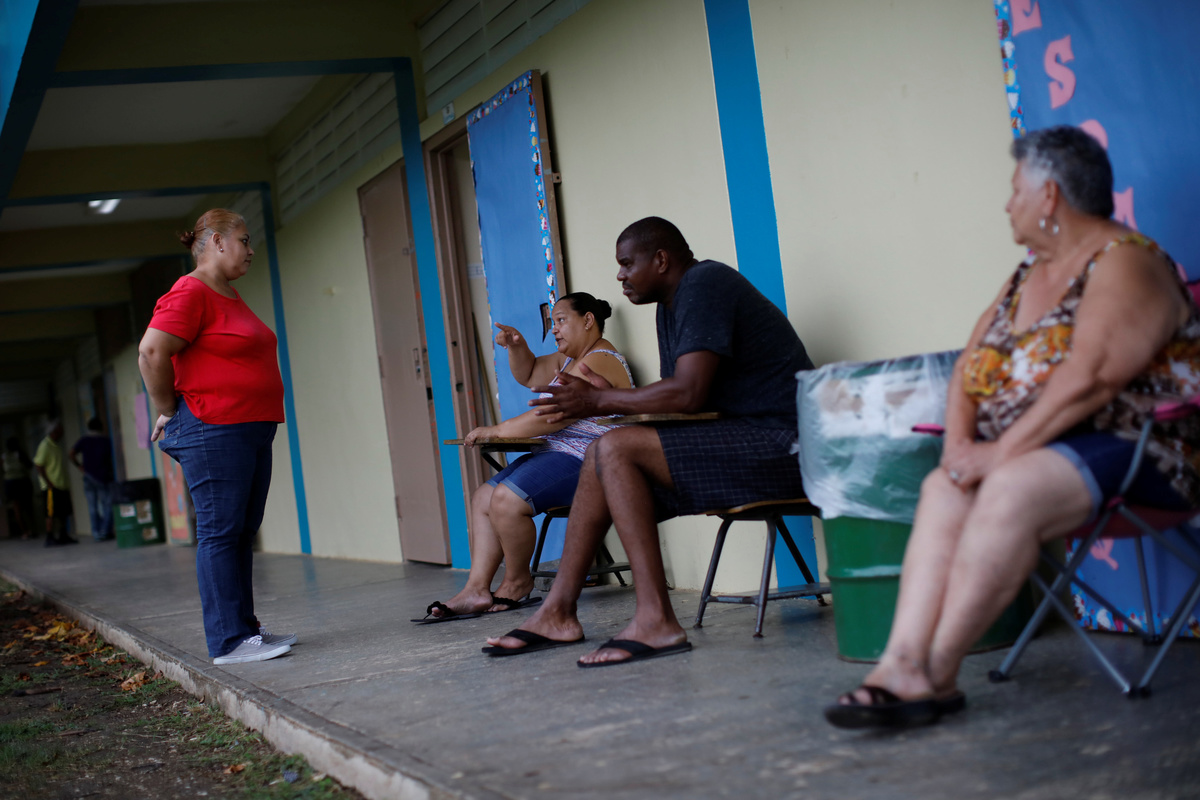
Officials hope Maria will have left Puerto Rico by the early hours of Thursday, pointing to the NHC's forecasts. Yet it promises to be a stern test of the island's mettle.
Predicting "severe devastation" of infrastructure, Rossello warned that Maria could also hit the island´s energy supply. U.S. President Donald Trump has declared a state of emergency for Puerto Rico.
Puerto Rico is grappling with the largest municipal debt crisis in U.S. history, with both its government and the public utility having filed for bankruptcy protection amid fights with creditors.

The eye of Maria was expected to pass near St. Croix, the southern part of the U.S. Virgin Islands that escaped the brunt of Irma this month.
Late on Monday, the storm plowed into Dominica, a mountainous country of 72,000 people, causing what Prime Minister Roosevelt Skerrit called "mind-boggling" destruction.
(Editing by Michael Perry and Clarence Fernandea)