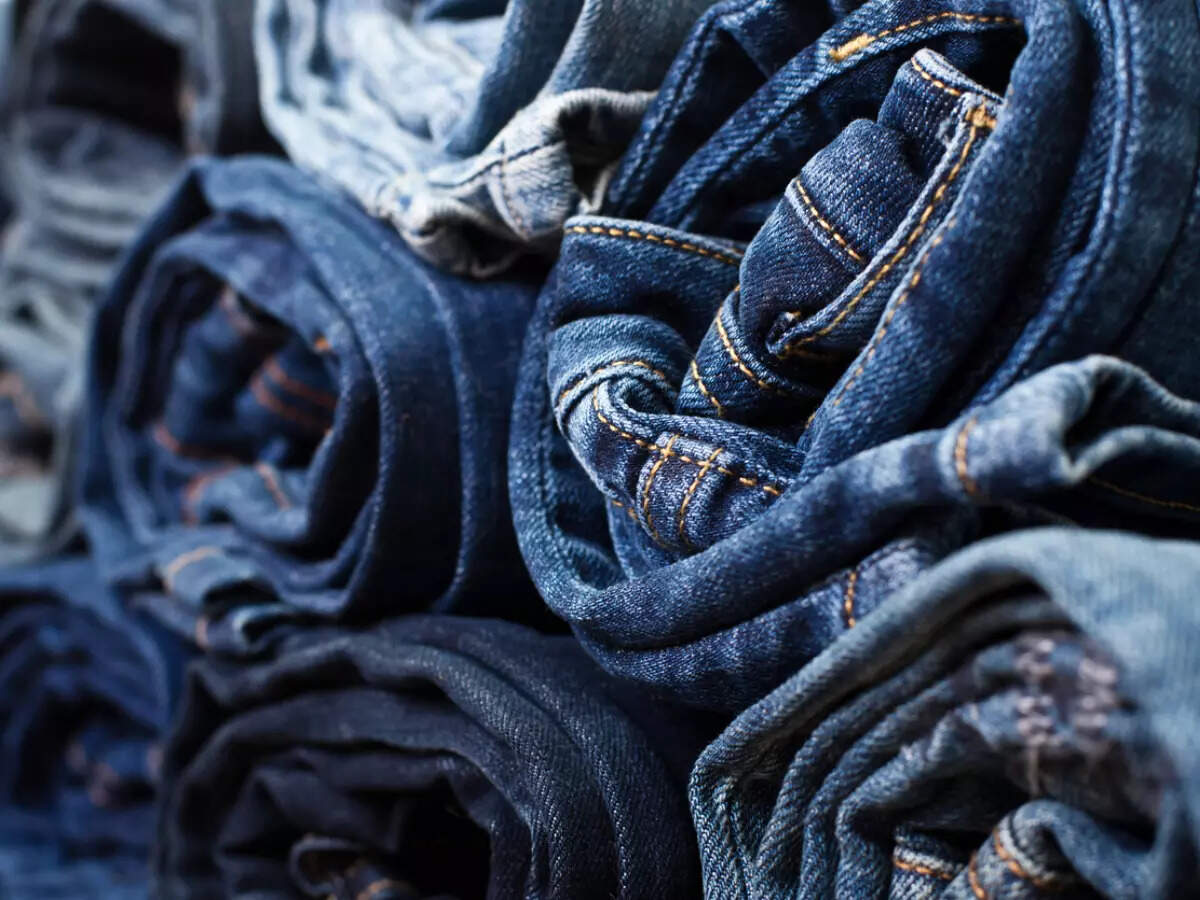
How is it possible that a garment is cheaper than a sandwich? How can a product that needs to be sown, grown, harvested, combed, spun, knitted, cut and stitched, finished, printed, labelled, packaged and transported cost a couple of euros? It’ impossible….! I believe in a new form of marketing which is from science and which is truly interested in a way people and their products interact and from there try to see how it influences the future.
This insightful statement was quoted by Li Edelkoort, the 71-year-old, consummate Dutch trend forecaster who anticipates future fashion and design trends. She has been the founder and chief executive officer of Trend Union since 1986. In a recently covered podcast by Imran Ahmed on Business of Fashion (BoF), the issue of fast fashion and its value became the center of discussion. It truly puts a spotlight on some hard facts of the fashion industry from the perspectives of the big thinkers and how the future should be getting shaped by the roots of the textile industries.
With fashion schools educating future leaders, designers, and entrepreneurs of the community who define the narratives for the culture of fashion, the aforementioned elements might be the very few that could be the source of changing the prevailing mindset and nurturing more meaningful products in the market to offer to
consumers.
Fashion education and workmanship laudation
Fashion institutes often cast students into the set ideas that are a part of the syllabus which is disconnected from the actual ethical value system of supply and production of garments. Taking that garment on the runway to symbolise fashion should ideally include respect and justice for the labour that was put into making it.
Teaching students to not only create a garment that sells but also enlightening them with the perspicacity of an entire value chain of modern clothing and fast production shall equip them with the right balance of knowledge and respect towards the pioneers of production.
Fashion fashion fundamentals
The fast fashion industry is as big as any industry of businesses, whether it’s Bollywood films or political campaigns, corporate projects, or tech inventions. Acknowledging workmanship has to be an essential component in all industries. It’s about time that fast fashion garment workers and labourers get the acknowledgment and credits they deserve for the hard work that has been squeezed out, the hours worked overtime and still having earned the lowest of wages. If fashion brands start making their inventories in order to mention the details of the garment makers, the processes, and what their minimum wages are, it could help the entire system recognize, and thus, simplify the regulations towards the bottom level of garment workers. Is keeping the entire production value in dark an acceptable idea? The answer to this recurring question shall come from the approval or rejection by the certification of ethical production.
Textile manufacturing: The largest piece of cake
As per the National Investment Promotion & Facilitation Agency – Invest India, the domestic textile and apparel industry contributes 5% to India’s GDP, where 7% of the industry's output in value terms and 12% of the country’s export earnings are obtained. India is the 6th largest exporter of textile and apparel in the world. The
textile industry is the core of the fashion world, but conveying the right kind of awareness and importance towards textiles is still majorly lacking among many fashion sectors.
Get the workers onboard
Brands need to evaluate textiles and their various fabrics in detail, especially if they're handcrafted. Greenwash promises need to match up to their environmental claims. Flashing the light on the legitimate benefits of textile industries will accelerate real progress towards sustainability and build a robust system that uses handicrafts and artisans for making the unique collections. Being mindful of fabric choices will not only bring the best quality into the demand and supply cycle but will also serve the balance between the proliferation of green products and the fetish over buying fashion which accommodates definite values. Before the sustainability movement loses its influence over the textile industries to expedite true progress, it is important to incorporate the workers; involvement towards the assurance of the ethical manufacturing of certain products.
2021’S new accord for garment workers
91 garment brands and retailers have signed an International Accord for Health and Safety in the garment and textile industry by renewing another old accord on the 1 st of September, 2021. The participating brands further committed to the global expansion to additional countries. A new agreement will be implemented through the International Accord Foundation of the Netherlands. Major fashion-producing companies that are sourcing from Bangladesh, India, and China including H&M, Zara (Inditex), Gap, VFS Corporation, Primark, Desigual, Tommy Hilfiger (PVH), Calvin Klein and Vero Moda (Bestseller) are working on worker-safety by signing this international accord. However, after the suffering endured due to COVID-19 from the cancellation of orders and drop in wages, most of the workers from garment industries are seeking assured salaries and safety requirements as a primary need.
Predicting the future by creating it
Where many brands have turned their backs on workers and the measures for their safety, it is indisputable to hope that along with greenwashing some ethical evaluations may also take place where fashion becomes all about identity, luxury, and lifestyle at its prime. Looking forward to giving due respect and acknowledgment to the foundation of fashion will be a good, thoughtful way to go forward. Creating reputable and quality pieces over encouraging quantitative creativity for quick turnover doesn’t fit into the ethical avant-garde ideology. Fast fashion seems to be discarding all that which holds values and history of a garment that can be preserved with vintage heritage, along with the labour being rewarded well.