Educating drug users in Bangladesh about HIV/Aids risk
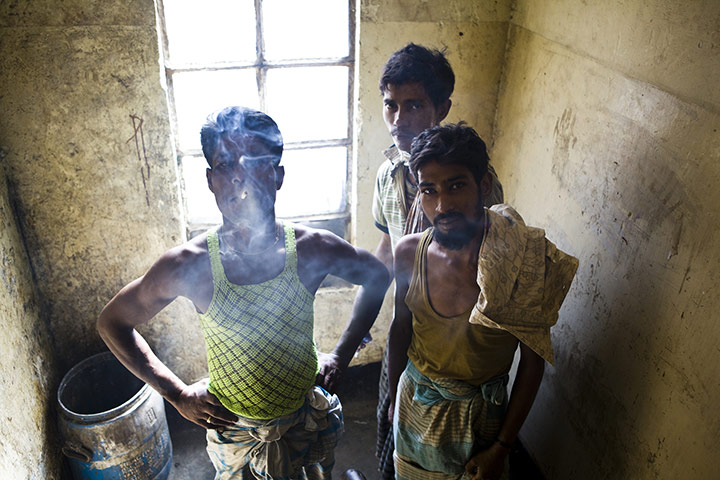
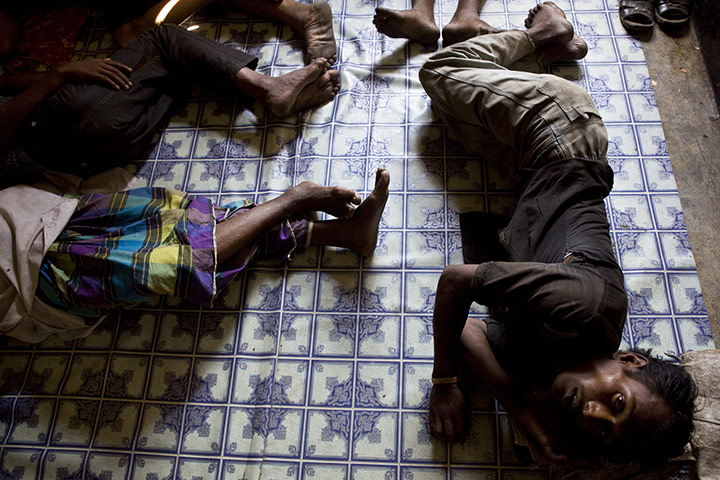
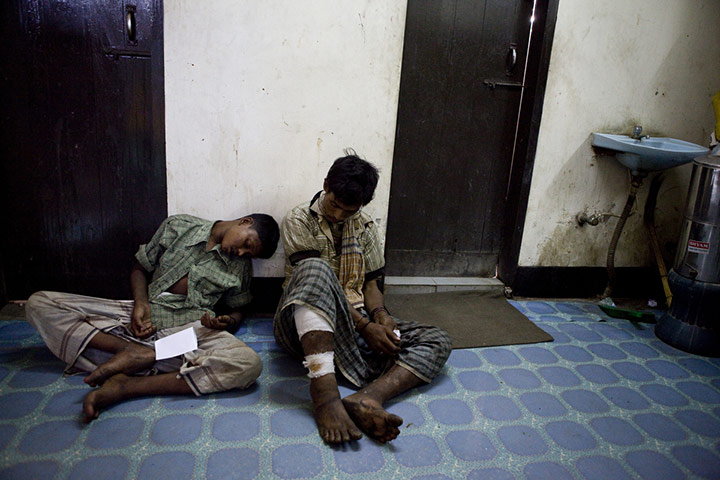
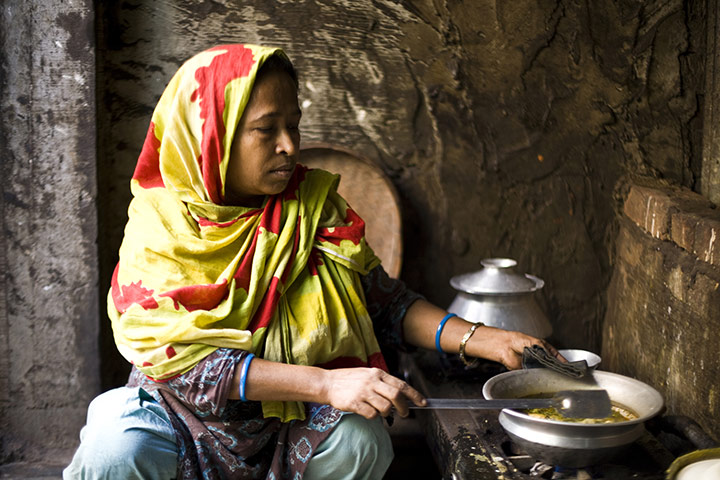
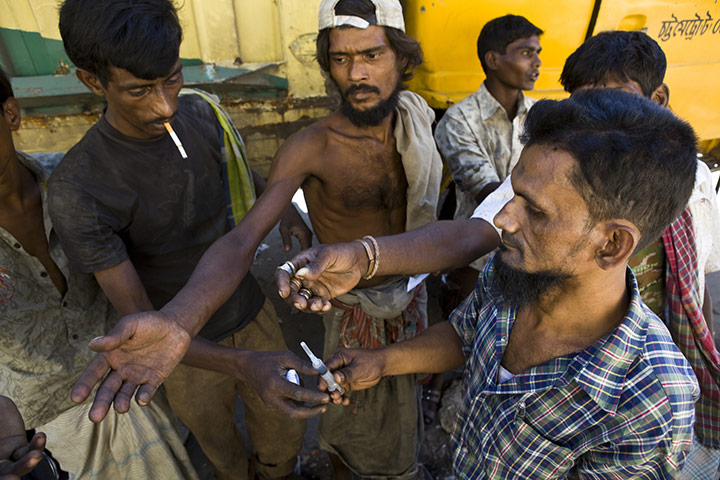
In the slums of Bangladesh's capital, drug use is fuelling a new crisis. Most of Dhaka's drug users are young, homeless and unemployed. Bangladesh is one of the world's poorest countries, with 60 million people living below the poverty line. For those struggling to survive in its capital, life can seem devoid of hope Photograph: Simon Rawles/VSOWhile Bangladesh still has a low HIV prevalence in the general population, with less than 0.1% of the population living with the virus, among injecting drug users it is spreading at a worrying ratePhotograph: Simon Rawles/VSOThe low prevalence of HIV in Bangladesh means there is a lack of knowledge and understanding about the virus. Stigma and discrimination are rifePhotograph: Simon Rawles/VSO
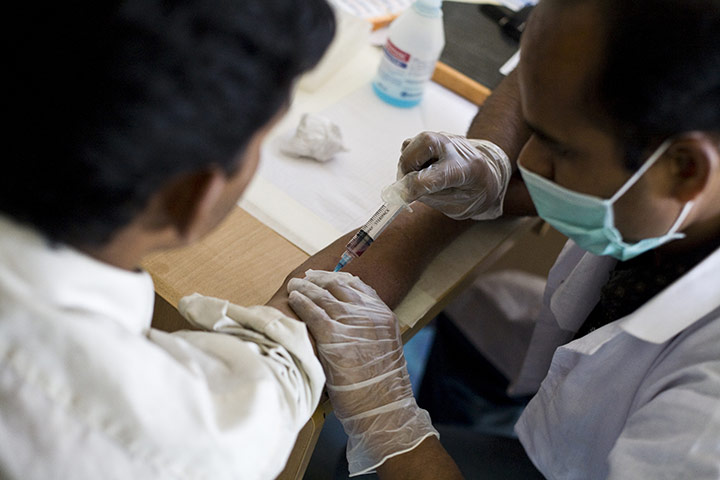
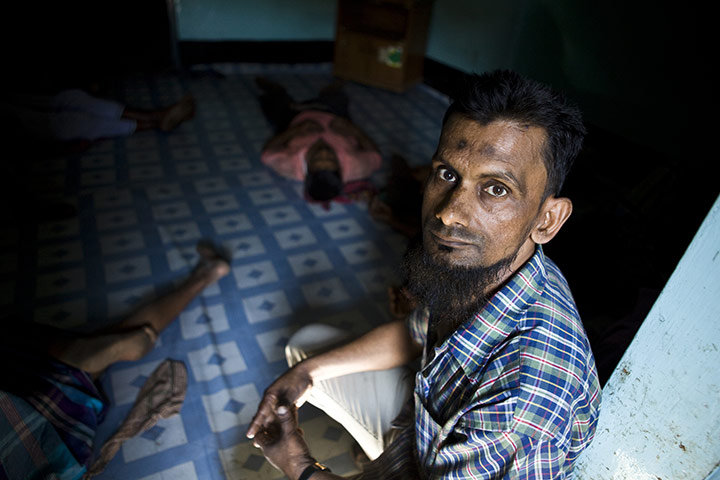
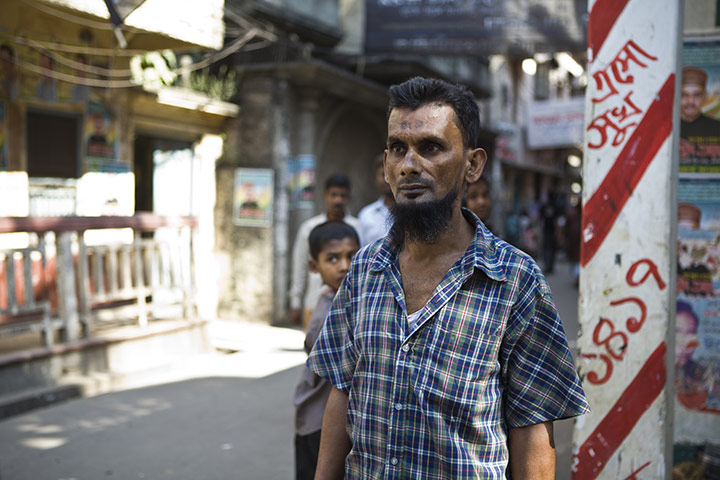
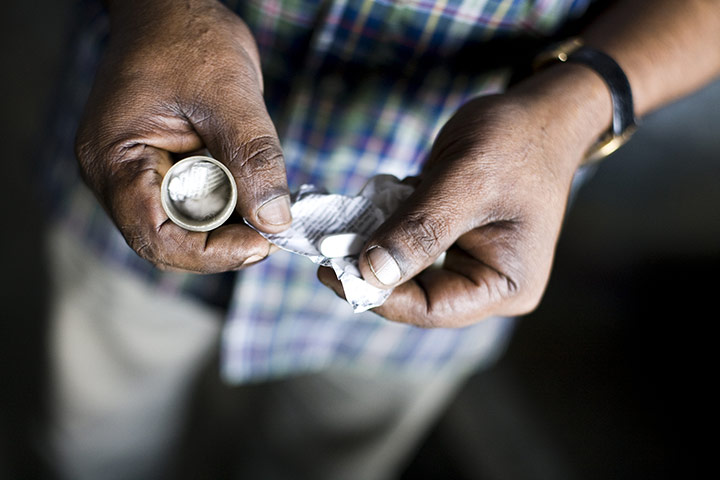
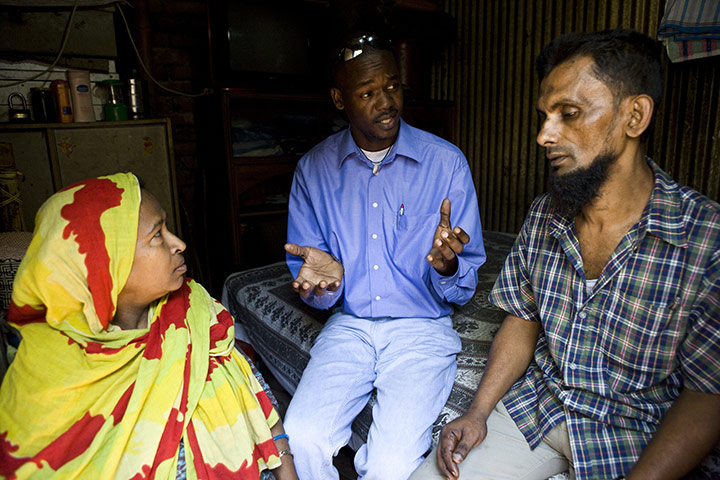
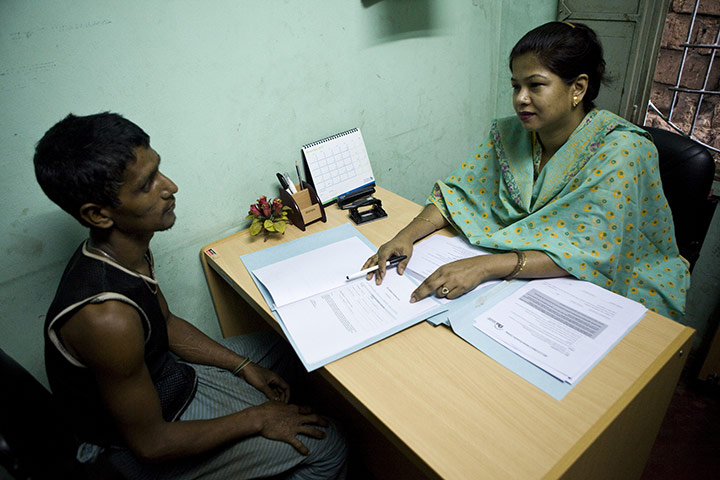
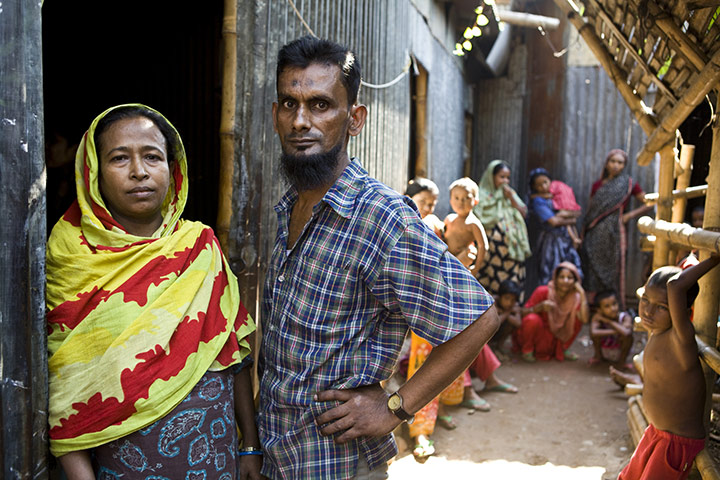
In Dhaka, where most of Bangladesh's 23,000 injecting drug users live, 7% of them are HIV positive. In one neighbourhood, where the largest concentration of injecting drug users live, 11% are infectedPhotograph: Simon Rawles/VSOMozibor Begum was a heroin addict for eight years. He started injecting drugs as a young man, when his parents arranged a marriage for him. He did not want to get married and felt out of control. After the marriage, heroin became a way to escape the life that had been forced upon himPhotograph: Simon Rawles/VSOBegum injected heroin every day. Like so many drug users he shared needles. "There were so many reasons for this," he says. "Sometimes there was a fear of the police, so we had to do it quickly, sometimes I didn't have enough money so I'd buy a hit with other people. Often we just had one needle." In 2004 he discovered he was HIV positive. He became depressed. "I had no hope," he says. "My family presumed I wouldn't live for long. I'm not sure they cared. I took money from my mother and was not a good husband to my wife."Photograph: Simon Rawles/VSOBegum's wife, Shahara, was also tested. She too was found to be HIV positive. "Words can't describe how that made me feel," he says. "I didn't want to infect anyone else."Photograph: Simon Rawles/VSOFinding out he was HIV positive changed Begum. With the help of VSO partner Mukto Akash Bangladesh, a self-help group that provides care, treatment and support for people living with HIV/Aids, he has managed to turn his life around. He stopped taking drugs, and through counselling and rehabilitation found he could live positively with HIV. He is now taking antiretroviral treatmentPhotograph: Simon Rawles/VSOBegum is now employed by Mukto Akash Bangladesh in Dhaka as a peer counsellor. Through outreach work on the streets and counselling at Mukto Akash Bangladesh's drop-in centre he is raising awareness of the risks of sharing needles, and supporting drug users to stop taking drugs. Mukto Akash Bangladesh is a community-based organisation working to ensure care, treatment and support for people living with HIV/AidsPhotograph: Simon Rawles/VSOVSO volunteer Godfrey Canwat has been working at Mukto Akash Bangladesh for the past two years. He has worked on HIV/Aids projects in his home country of Uganda for eight years. Canwat has been supporting Mukto Akash Bangladesh to improve the delivery of its servicesPhotograph: Simon Rawles/VSOCanwat has used his skills to help ensure Mukto Akash Bangladesh is able to provide the best possible counselling, care and treatment. He is one of 515 volunteers VSO has sent to Bangladesh since 1962Photograph: Simon Rawles/VSONow drug free and employed, Mozibor Begum feels a better man, and is determined to do more to support his wife while he can. But he is worried about the HIV crisis among drug users in his city. "It's a big problem," he saysPhotograph: Simon Rawles/VSO
Sign up to read this article
Read news from 100’s of titles, curated specifically for you.