
Without better basic hygiene around the globe, we are bound to be hit by another pandemic.
Yet the World Bank this week reported that some 3 billion people around the world don’t even have access to clean water and soap, the most basic and effective necessities for preventing the spread of disease, including the coronavirus that causes COVID-19.
Globally, 46% of schools don’t have hand-washing facilities with water and soap.
Germs, as we have come to appreciate so painfully during the current pandemic, respect no borders. A bug in China or Italy can circle the globe in no time, especially if billions of people can’t even wash their hands.
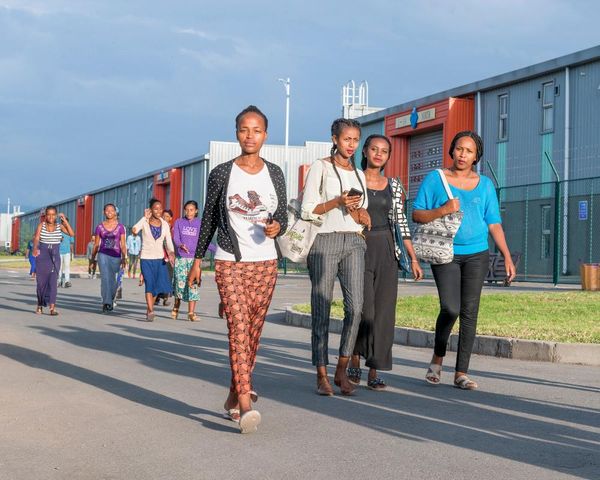
Public health professionals tell us to wash our hands with soap and water for 20 seconds. But how do you do that when your tap regularly runs dry or indoor plumbing is a pipe dream? Only 5% of the people in Rwanda, for example, have access to hand-washing facilities with soap and water.
Around the globe, efforts are being made to address the problem. Cities that can’t supply clean water to all residents in their homes are installing portable hand-washing stations in public places. Governments are trucking water into slums. Soap and water is being placed outside businesses and apartment buildings.
But those are short-term and fragmented solutions. They fall far short of the global need.
Making clean water more widely and permanently accessible to all people, a campaign of the World Bank since 2017, begins with more aggressive efforts by every nation to stop polluting water. This includes in the United States, where the Clean Water Act has been under assault by the Trump administration.
The world must also ramp up its investments in water supply and sanitation. The World Research Institute estimates that spending a little more than 1% of the global Gross Domestic Product could provide clean water security for everyone by 2030.
We can invest more now or pay more later. COVID-19 is devastating national economies and future pandemics would do so as well.
The world has to get smarter about how much potable water is used for industry and agriculture. And we must protect and expand wetlands and forested areas in watersheds and floodplains, which retain clean water.
/cdn.vox-cdn.com/uploads/chorus_asset/file/19996705/Virus_Outbreak_Tanzanias_Defiance.jpg)
In a world of haves and have-nots, getting clean water to every human being would seem to be a global moral responsibility.
But as COVID-19 has taught us, it would be no act of charity.
Send letters to letters@suntimes.com.