Most Floridians understand the value and worth of the environment. So much of what defines Florida and brings tourists flocking here has to do with the land, sea and air. We worry about our coastlines, wildlife habitats, the magnificent Everglades, and we have seen through brutal experience just how fragile they can be.
Which is why, even though it won't impact Florida directly, we ought to be concerned about the horrific environmental impact of President Trump's proposed border wall. Whatever it might accomplish in stemming illegal immigration (arguably, very little), it would have a massive negative impact on the environment.
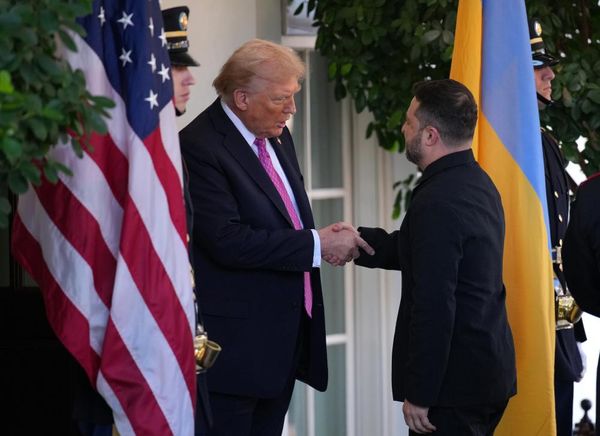
Saturday, Trump, offered his compromise to get the partial shutdown over with: Three years of protection for DREAMers against deportation in exchange for $5.7 billion for his border wall. House Speaker Nancy Pelosi has categorically rejected it. We urge Sen. Mitch McConnell to put reopening goverment to a vote. Otherwise, he and Trump are nothing but hostage-takers.
Open government or no, the wall remains a disastrous idea for both its human and environmental costs.
Many people envision the border area as mostly desert. In fact, the landscape along the nation's southern border is incredibly diverse. One finds ecosystems from temperate forests, grasslands and subtropical scrublands to wetlands and salt marshes. A magnificent national park, wildlife refuge and the National Butterfly Center all are in the wall's path.
The plant and wildlife of the border is equally diverse. Yet the wall would degrade habitat, interfering with migration patterns and restricting the movement of endangered species such as jaguars, ocelots and the Mexican gray wolf, and making it harder for them to find mates.
The wall also would exacerbate flooding and perhaps trap and drown wildlife caught by rushing waters.
Because of the Real ID Act passed in 2005, the Department of Homeland Security can waive many environmental laws if it builds a wall.
The Endangered Species Act, the Clean Water Act, the National Environmental Policy Act and other laws to protect habitat, clean water and the environment become afterthoughts, and there would be no review in advance to understand environmental impacts.
It's not just the wall, either. Construction and maintenance of a wall would require hundreds of miles of roads and permanent infrastructure that would further degrade the natural landscape.
Jesse Lasky, a biologist and professor at Penn State University, published a study in 2011 examining the impact of border fencing and other potential barriers on wildlife. He said Trump's proposal would be far more environmentally damaging than what is currently in place.
"That kind of wall would stop any movement of anything that couldn't fly above the wall and that would be hundreds of species of animals," he told NBC News.
The environmental devastation would also hurt the economy, blunting a growing ecotourism industry along the border. Again, Florida knows what happens to a tourism economy when environmental disaster strikes. Adding insult to Floridians, if Trump declares a national emergency to build the wall, he could divert more than $800 million earmarked for Florida disaster relief.
As the partial government shutdown drags on, remember that it is about more than immigration. Trump's wall would be worse than ineffective _ it would cause irreparable environmental harm.