Even before President Donald Trump's inauguration, speculation swirled about why he would avoid punishing Russian transgressions and instead advocate rapprochement with President Vladimir Putin. A private intelligence report known as the Steele Dossier, funded by Trump's political opponents, suggested that Trump had been caught in a Russian "honey trap" and that Putin might have compromising photos that he's using as blackmail against Trump.
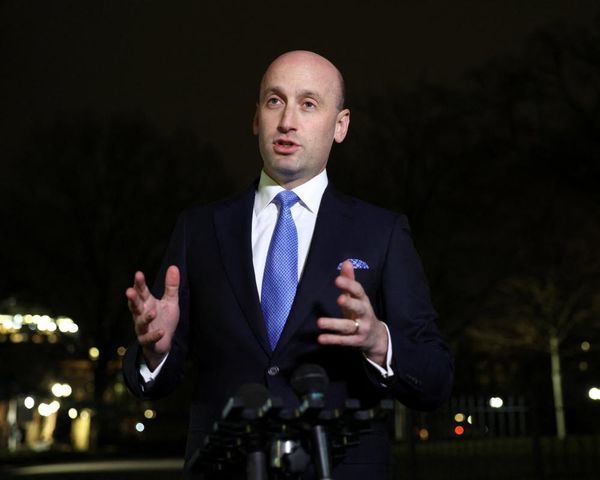
Until now, such speculation has been correctly dismissed as uncorroborated. But the question remains: Why does Trump need convincing that Putin is America's enemy, not someone he should be embracing? Trump's consistent advocacy of closer relations with Moscow runs contrary to the advice he's receiving from virtually all of his top advisers, including newly installed national security adviser John Bolton.
The issue arose again April 7 after Russia's chief Middle Eastern ally, Syria, launched a chemical weapons attack on civilians in the war-ravaged town of Douma. Russia provides troops, air support and heavy weaponry to support Syria's military. Moscow's fingerprints cannot be erased from the war crimes committed in Douma.
The U.S. ambassador to the United Nations, Nikki Haley, stated Sunday that the Trump administration would impose sanctions on Russian companies found to be helping Syria with its chemical-weapons program. But on Monday, Trump did an about-face and reversed Haley's announcement.
White House press secretary Sarah Huckabee Sanders explained that Haley had misspoken and that sanctions are only under consideration. Sanders said the president wants to be tough on the Russians but emphasized that Trump would "still like to have a good relationship with them."
This after Russian troops had spent days helping Syria block access by international inspectors to the Douma site. Syria said it was protecting the safety of the inspectors, who were allowed in Tuesday _ 10 days after the chemical attack. The delay bought time for workers to clean up the site and remove evidence of war crimes.
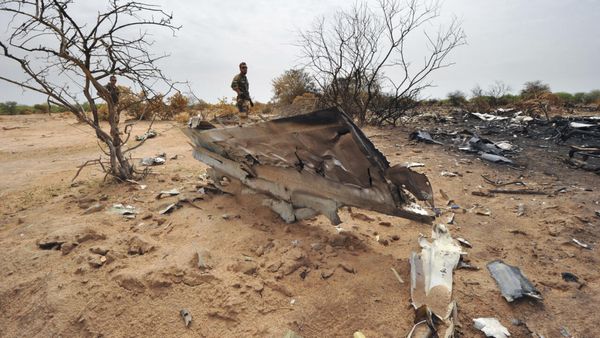
Russia did the same thing in 2014 after a Malaysian jumbo jet was shot down with Russian weaponry over eastern Ukraine, killing all 298 people aboard. International investigators swarmed to the area where the wreckage fell, but Russia and its allied separatist forces in Ukraine blocked their way.
Before that, Russia had seized and annexed Ukraine's Crimean Peninsula, a blatant violation of international sovereignty. Russia has assassinated its enemies in Britain. Putin's disrespect for sovereignty extends to America, where Russian meddling helped secure Trump's 2016 election victory.
Trump seems to be turning a willful blind eye to all of these egregious transgressions, perhaps because his massive ego won't allow him to admit that he misjudged Putin, or that he might not have won the election cleanly. Or for business reasons. Or, worse still, that the Steele Dossier allegations turn out to be true.