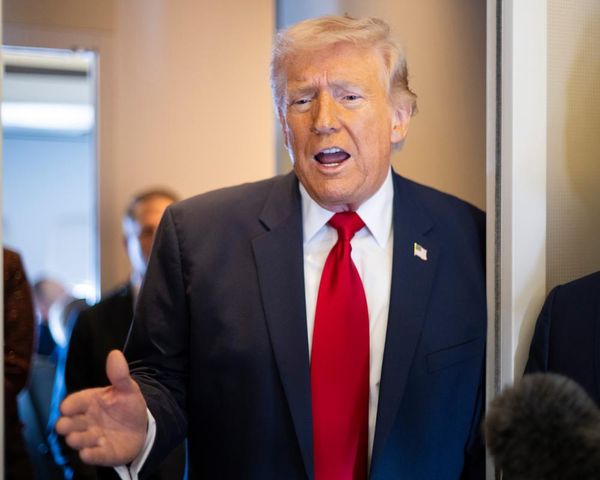
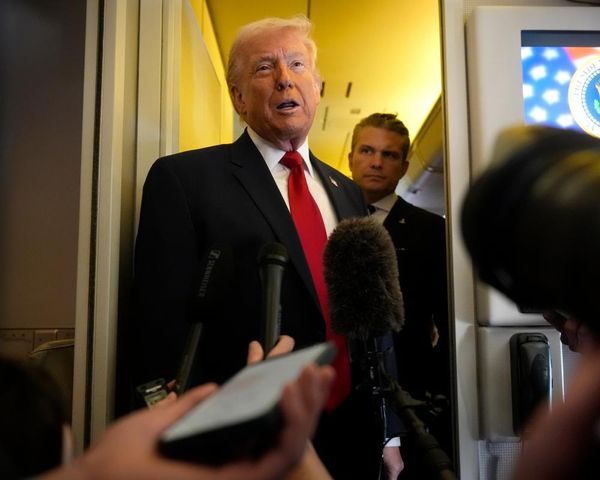
Allegations of sexual harassment against President Trump already were on the record before women who have accused the president renewed their claims. Trump, caught on tape long ago offering some pretty harassing thoughts about women in general, immediately took to Twitter to deny the claims, branding them, of course, "FAKE NEWS." Unfortunately, the infamous "Access Hollywood" tape doesn't help Trump's position.
And now, more than 100 members of Congress, including North Carolina's 4th District Rep. David Price of Chapel Hill, have called for an investigation.
Said Price: "President Trump will not silence the voices of the 17 women who have accused him of sexual misconduct. I'm proud to join @HouseDemWomen in their call for a congressional investigation into allegations against @realDonaldTrump."
The explosive disclosures of harassment claims � some admitted, some not � against prominent men including Charlie Rose and Matt Lauer have ignited a new dialogue about sexual harassment, and perhaps have struck fear into the hearts of men who may have believed they got away with it and now fear they may not. More and more women seem emboldened to tell their stories.
One constructive suggestion of a way to respond comes from Chapel Hill attorney Laura Noble, who says a 30-year-old U.S. Supreme Curt ruling that sexual harassment fell under gender discrimination protections was weak and not clear.
She told WRAL, "It's a 53-year-old statute written before the time of cellphones and electronic devices." And the law seems to put up a pretty steep hill for someone to prove harassment, and judges, she said, have a lot of leeway in terms of how they interpret such claims. Women who make such claims � average women, not Hollywood stars with power � take a big risk, she said.
"The consequence for them is usually that they're going to have something adverse happen to their career, or they're going to get fired," she said.
Noble wants the victims of harassment to have more time to report it, and she believes laws don't need to vary from state to state. She said, "If groping in North Carolina is considered sexual harassment, then it should be considered sexual harassment in Iowa or California."
That's exactly right, of course. And there will be no better time than now, when so many accusations are coming to light, to push members of Congress to clarify harassment laws nationwide by passing clear and precise federal laws that specify what harassment is.
She thinks that there should be no laws requiring mandatory arbitration in harassment cases, and that's right, for it limits the options of those who claim harassment. And Noble wants a specific sexual harassment law in this state and others.
Now is the time for the United States to address sexual harassment laws, not just because there are sensational cases in the news or claims of several women against the president, but because action is overdue � way overdue.