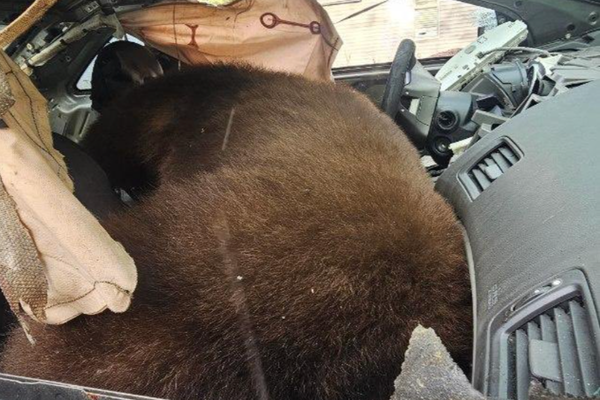
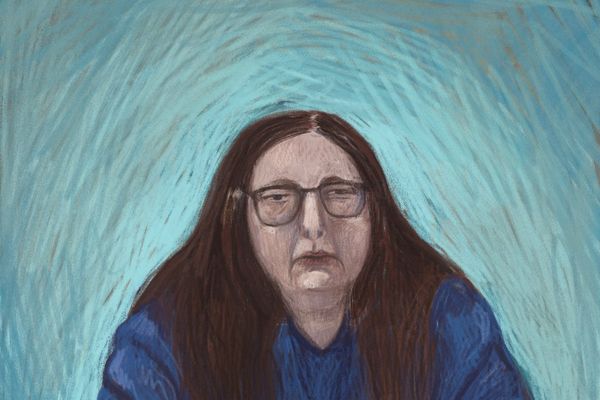
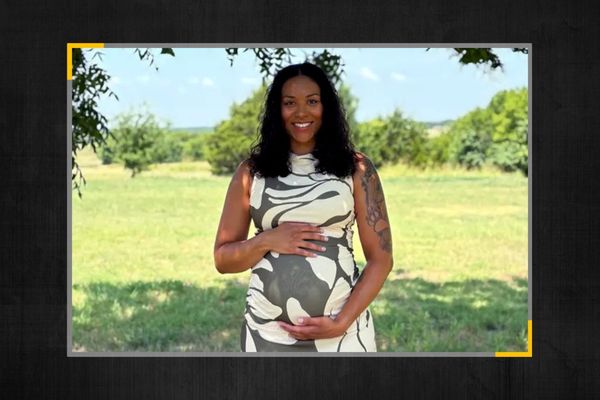
EDINBURGH is covered in posters showcasing the thousands of Fringe shows taking place this month. Some of these, however, have not been made by humans. Several companies and performers are now advertising shows with posters that seem to be completely AI-generated, with human designers warning we may be looking at the “collapse” of their industry.
One of the comedians choosing to use AI rather than an artist is Raul Kohli. Kohli has several shows on this year, two of which are advertised using AI-generated posters – A History Comedy Show and A Comedy Magic Show for Kids.
Kohli had multiple reasons for opting for AI. He said he wished to cut costs, citing the already high price of flyering, advertising, and accommodation during the festival. He added that, though he intended to hire a poster designer this year, he “dropped out”. He said: “It’s a shame graphic designers are losing money, but so do performers every year with rising costs”.
Meanwhile the company Fringe Classics, which last year performed the world’s first piano recital of music composed by AI, is advertising several shows using AI posters. This includes classical music concerts and a musical about Princess Diana.
This growing trend of AI usage has had its effect on graphic designers. Michael Julings, a designer who has been working with Fringe performers for several years, told The National what the use of this technology has meant for him.
Designing posters for Fringe shows is often a year-long process, Julings shared, from initial briefings to the adjustments required as the show develops. Though he acknowledged how disrespected he can feel as a designer when he comes across AI-generated posters, Julings also said: “It’s not just about my creative ownership and my ego being hurt … it really doesn’t help the process”.
While certain performers generate their posters completely with AI, some of Julings’s clients have tried to use it in the design process itself, by asking it for feedback on already designed posters. The problem with this, Julings said, is that AI lacks the context and the stories behind each poster and each show.
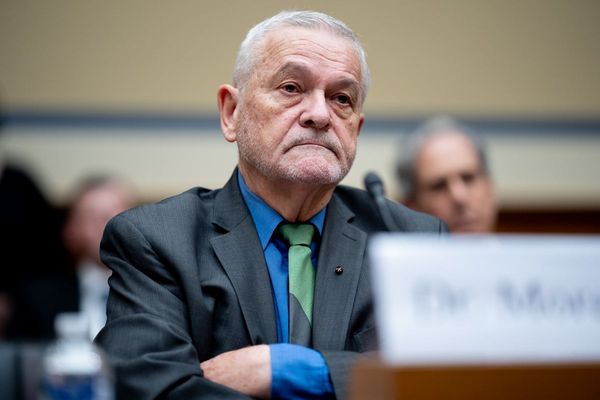
William Andrews, another designer, said this year was the first time he noticed his role as a graphic designer changing. He described how AI is already taking over certain aspects of his job: “I’m [getting] jobs where … AI is the lead designer”. He mentioned cases in which clients have come to him with AI-generated mock-ups. He said: “The reason we do the job has been done by a robot … you end up recreating what the AI has designed but making sure [it’s] correct”.
As Kohli mentioned, the festival can be a financial burden for some. This led certain performers, like himself, to outsource design work to AI. However, Andrews explained how the increase in AI usage drives up his costs: “It’s changing what we’re asked to deliver,” he said.
Previously, designers would design the initial poster and the work that followed, such as content for social media. Now, clients are using AI for this, resulting in designers charging the same price for less human-designed work.
Both Andrews and Julings stressed that this trend in AI usage will only continue to grow in the industry. Andrew said: “We’re probably looking at the collapse of the industry … It was devastating when I first figured out it would be the case”. Despite this, he said he has now “accepted it”. Julings mentioned how junior design roles are being “decimated”.
While AI remains relatively easy to spot due to its design style, Andrews said: “There’s a terrible secret in the heart of this … given time, it won’t be”. As technology improves and adapts, they’ll soon blend in and become harder to spot.

Andrews, though now a graphic designer, was a comedian at the festival 10 years ago. Like Kohli, he mentioned the high price tag of performing at the festival.
He continued: “It’s a sad reality that one of the big cost savings is going to be a poster … As an audience member if someone has done an AI poster it makes me think, ‘what else don’t they care about?’”
Speaking on the topic, one Fringe reviewer stated: “I think it’s disappointing that a festival that exists to celebrate art and artists has become the latest victim to the laziness of AI. In a time where artists are struggling so much, should they not be supporting each other in their crafts?”
Despite this, several artists still hold on to a ‘Do-it-yourself’ spirit at the Fringe. Andrews stressed he believes amateur, low budget posters will always be better than using AI. He said: “It’s honest, it speaks to something … There’s something about honesty and creativity that humans are very good at detecting.”