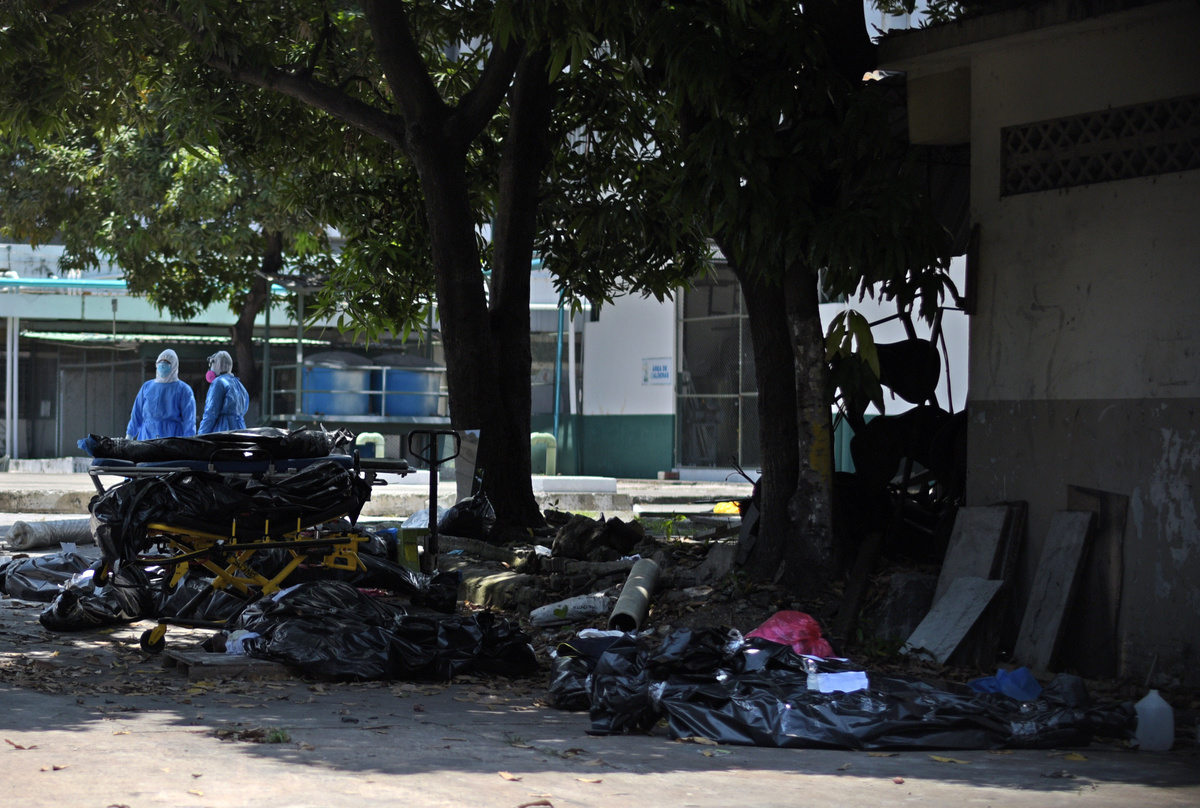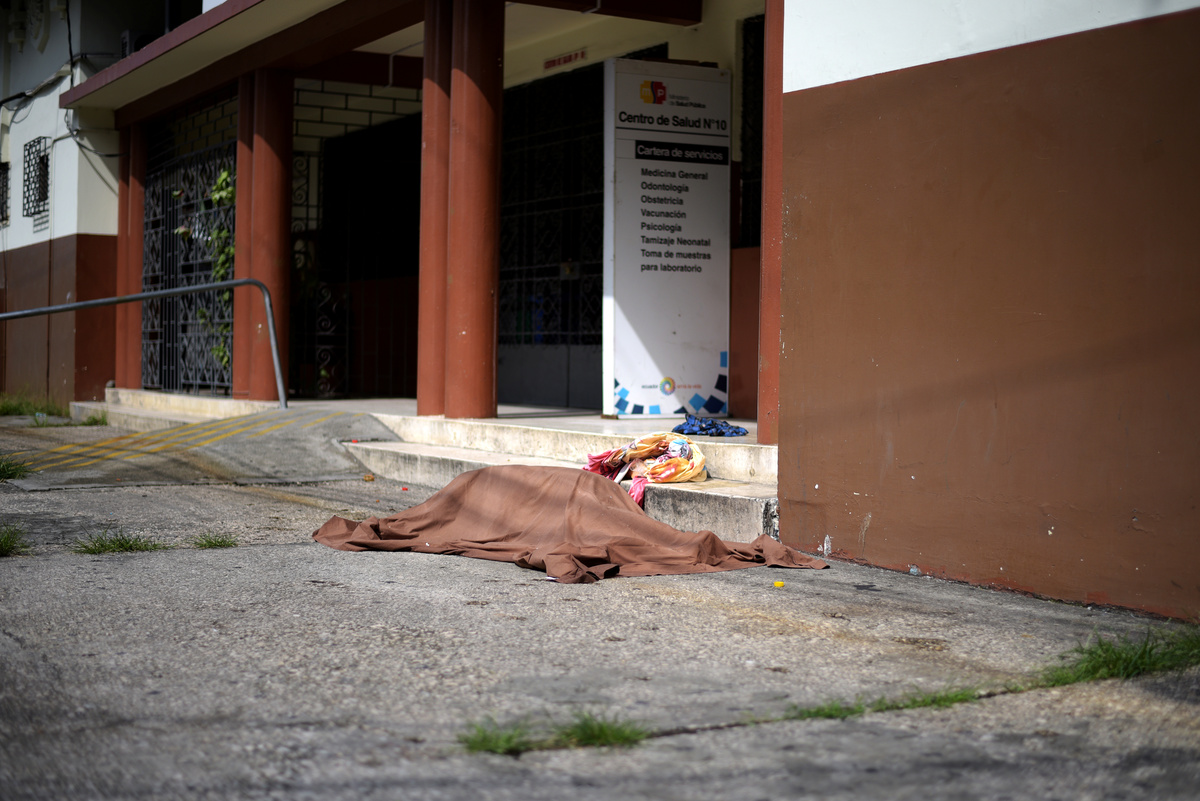
Ecuador's government has begun storing the bodies of victims of the coronavirus in giant refrigerated containers as hundreds of deaths in the city of Guayaquil, the center of the country's outbreak, have already filled morgues and hospitals.
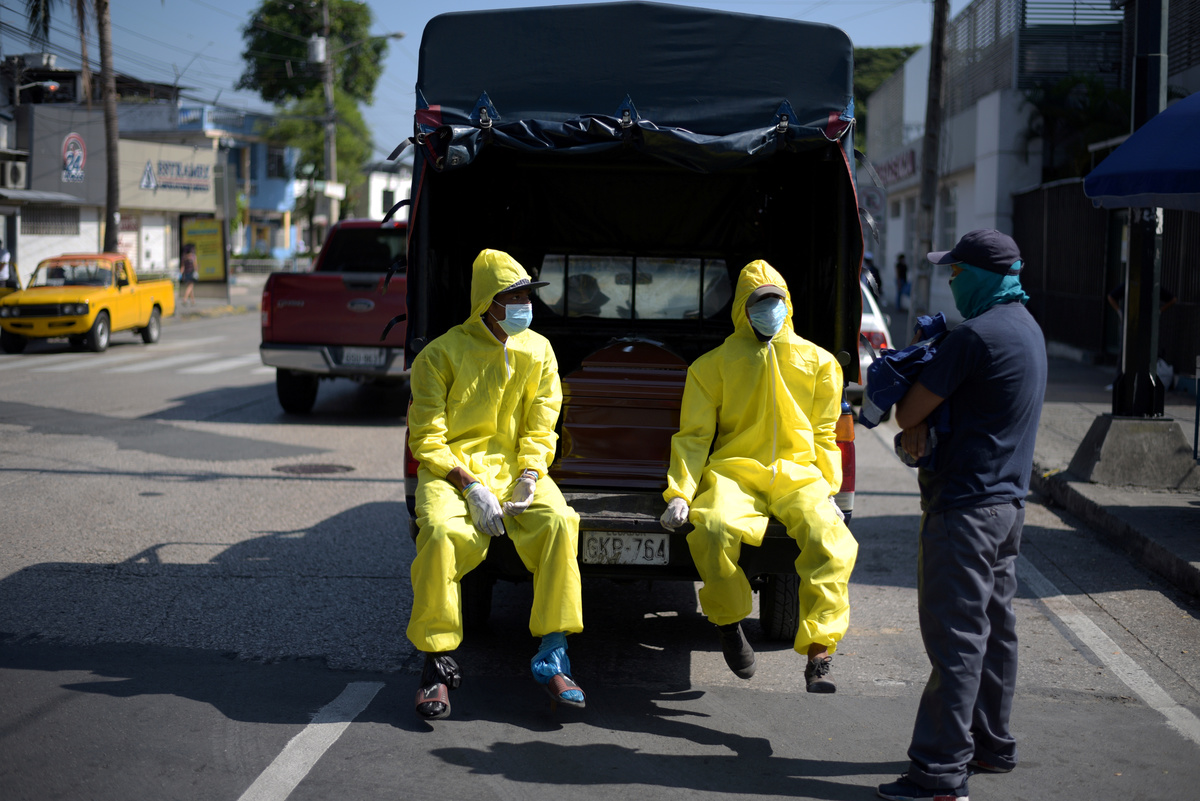
Ecuador has confirmed 318 deaths from the virus, one of the highest tallies in Latin America. But President Lenin Moreno said this week that the real figure was higher as authorities were collecting more than 100 bodies a day, many from relatives' homes as a strict quarantine prevented them from being buried.
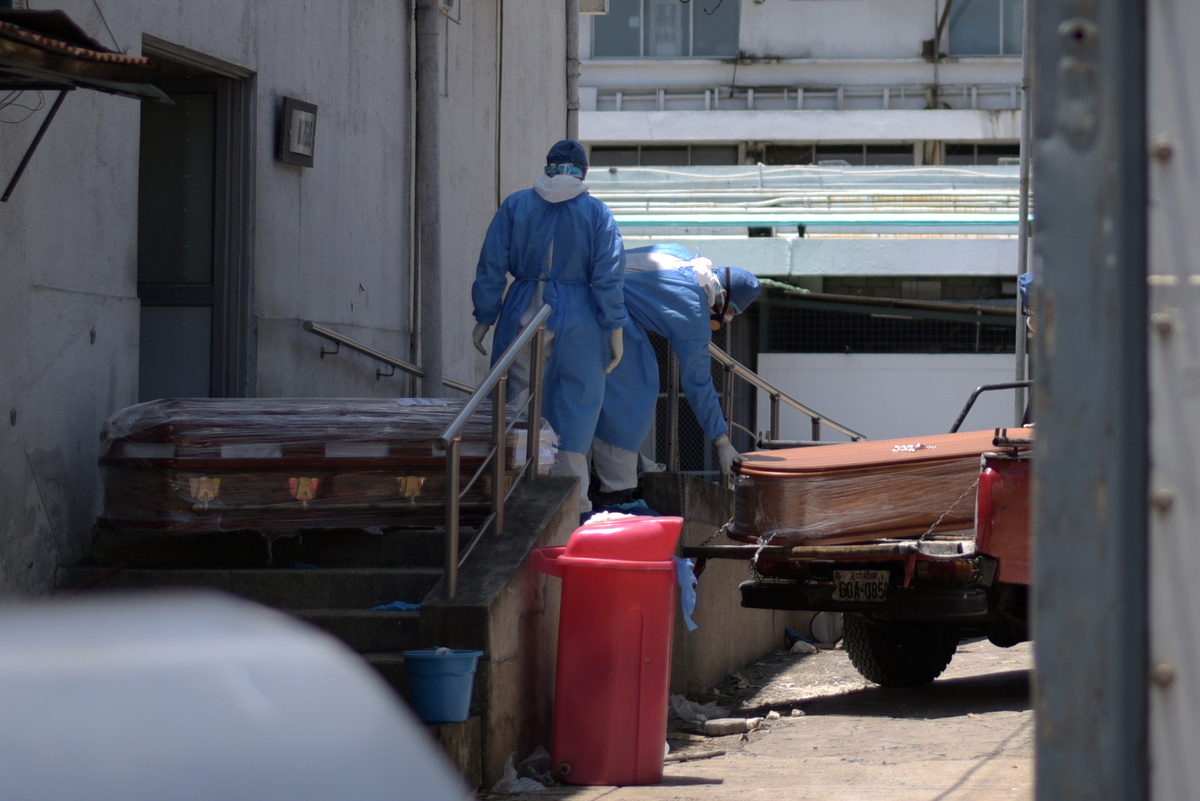
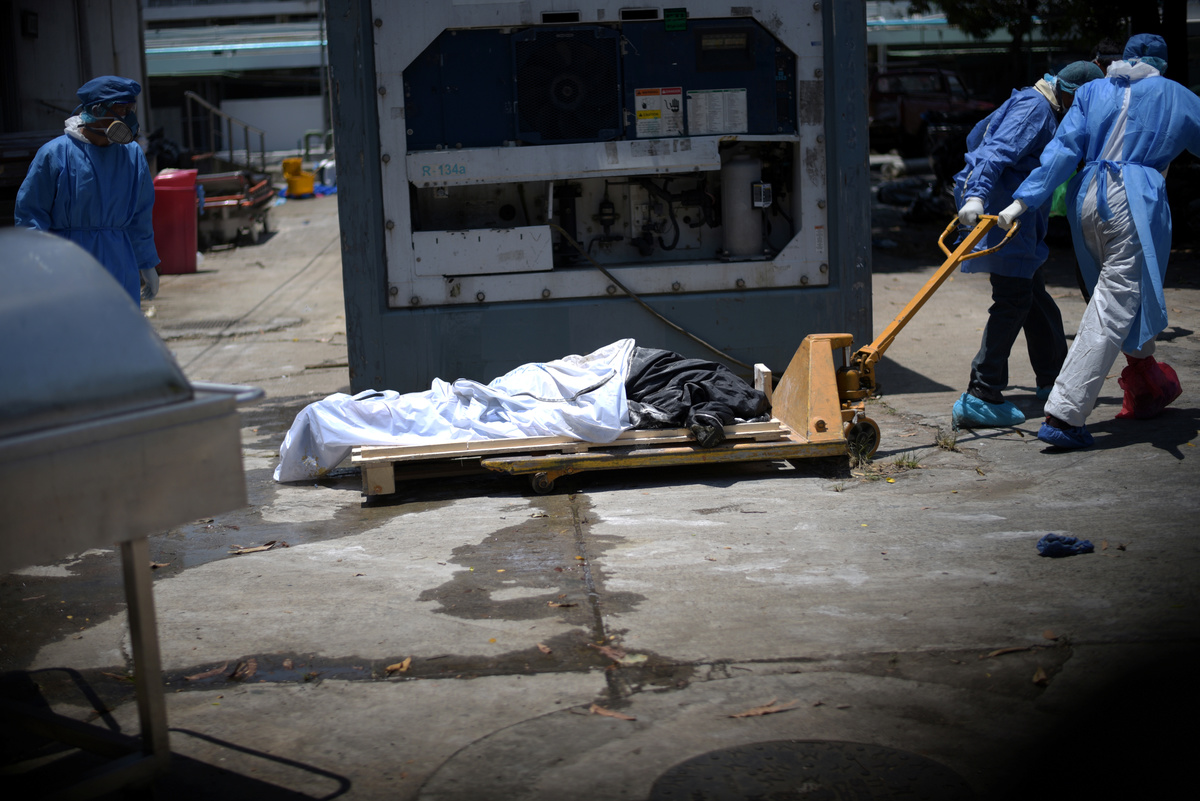
The government has installed three containers, the largest about 12 meters (40 ft) long, at public hospitals to preserve bodies until graves were prepared, according to Guayaquil's mayor, Cynthia Viteri. So far 150 victims have been buried in a private cemetery in the port city.
At Guayaquil's Teodoro Maldonado Carbo hospital on Saturday, medical workers wearing protective gear removed bodies wrapped in plastic from a storage room and used a pallet to wheel them to one container, according to a Reuters photographer.
"This pandemic is overcoming the capacity of our hospital services," the hospital said in a statement on Friday.
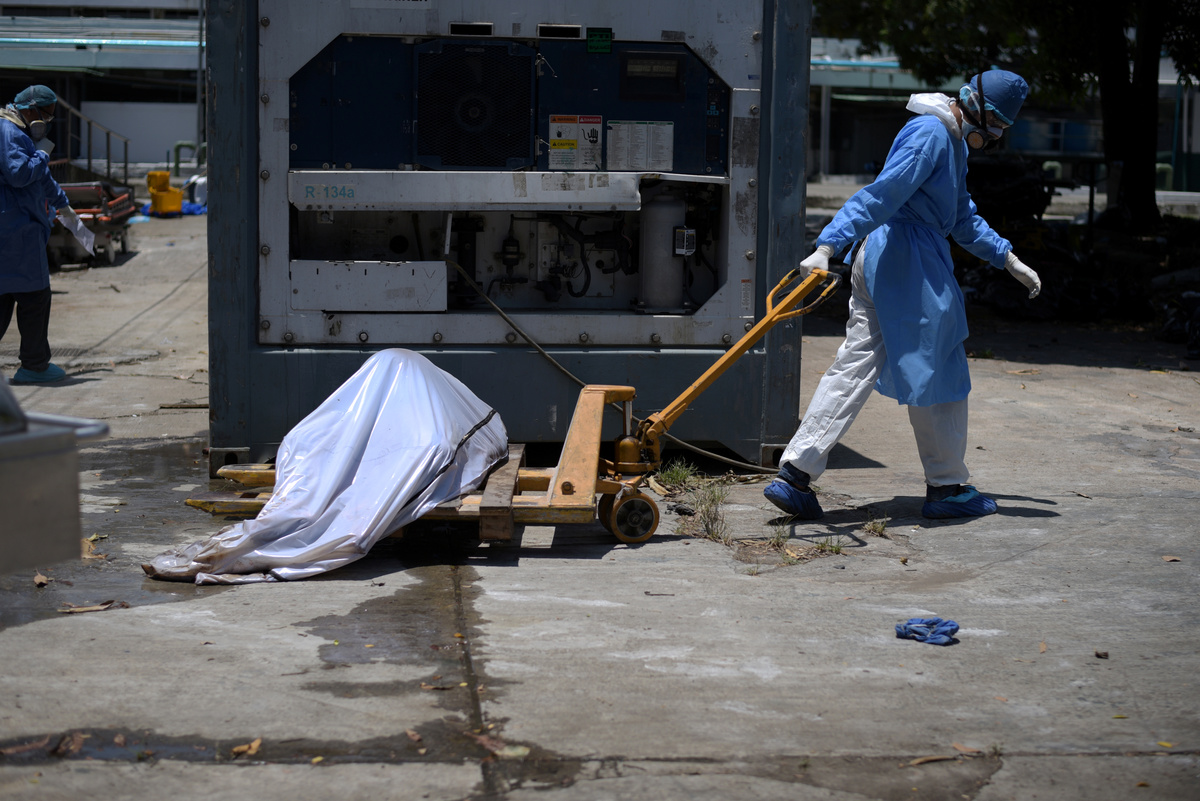
The hospital on Sunday confirmed that it had set up a refrigerated container to hold the bodies of those who died amid the pandemic, adding that the arrangement was being operated in accordance with World Health Organization protocols.
The Ecuadorean Institute of Social Security, which runs Teodoro Maldonado Carbo, said on Saturday on Twitter that it had disinfected all areas of the hospital to guarantee the safety of patients and medical professionals.
On Saturday, Ecuador's government said it would activate a new digital system that would allow families to find out where their dead relatives were buried.
Moreno said the government expected the total number of deaths in Guayaquil's surrounding province to reach up to 3,500, and said a "special camp" was being built to bury the dead.
(Additional reporting by Alexandra Valencia in Quito; Writing by Angus Berwick; Editing by Daniel Wallis)