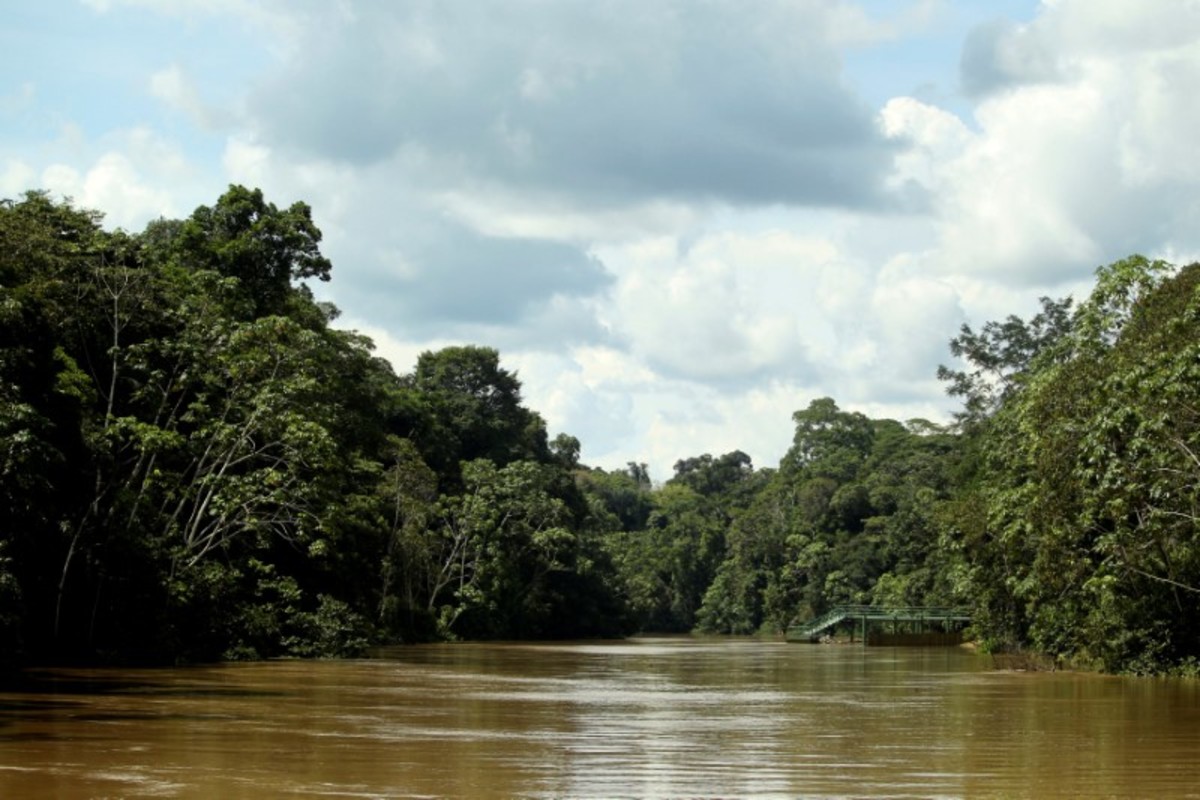
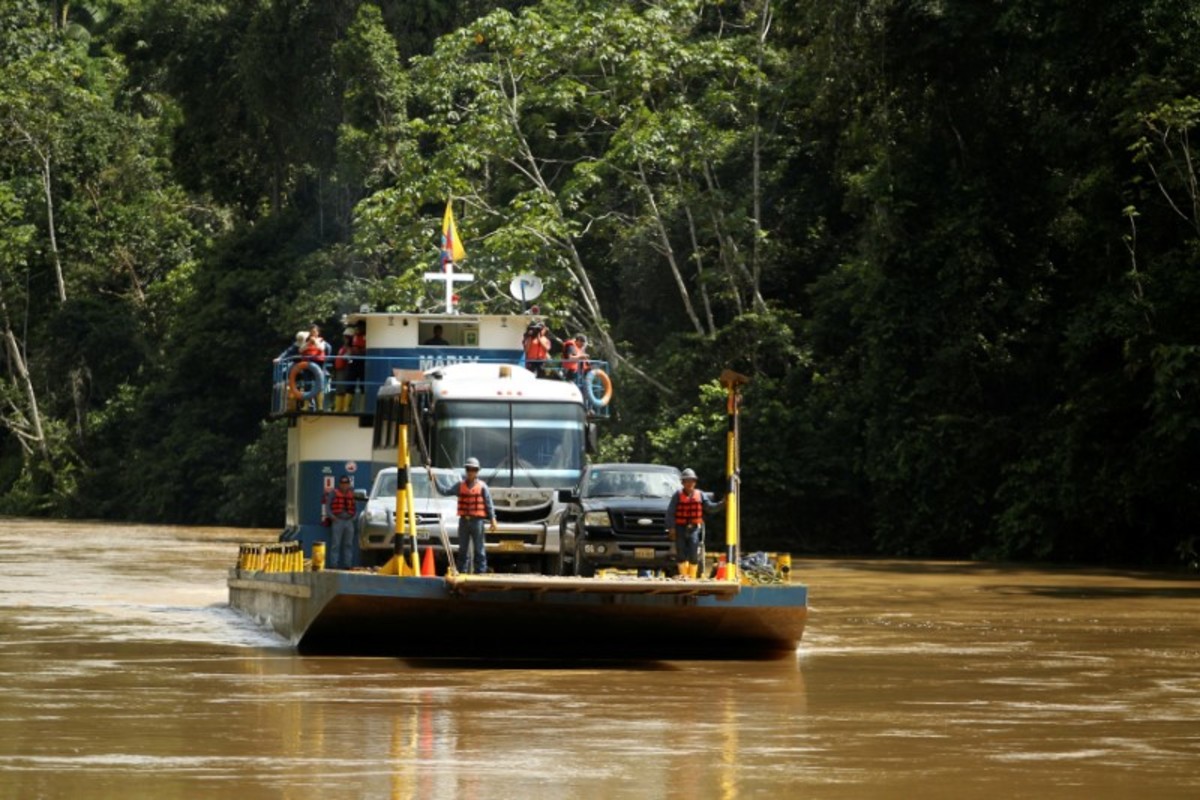
A pier of Ecuador's state oil company Petroamazonas is seen on the Tiputini river, in Yasuni, Ecuador October 20, 2017. REUTERS/Daniel Tapia
YASUNI PARK, Ecuador (Reuters) - The manager of state oil company Petroamazonas defended Ecuador’s plans to expand exploitation of major oil reserves in one of the world's most species-diverse rainforests, saying it will ensure minimum environmental impact and use appropriate technology.
The OPEC country is avidly seeking resources to revitalize an ailing economy, after a fall in oil prices and a major earthquake.
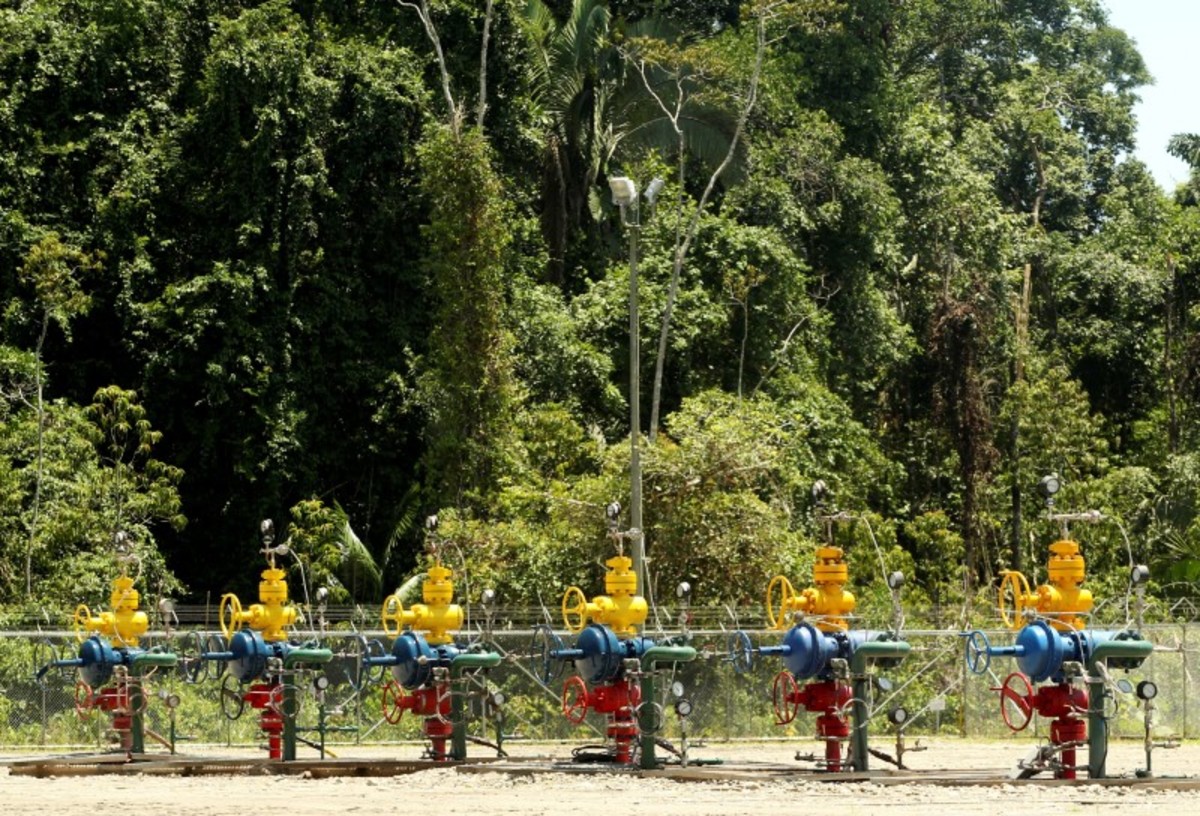
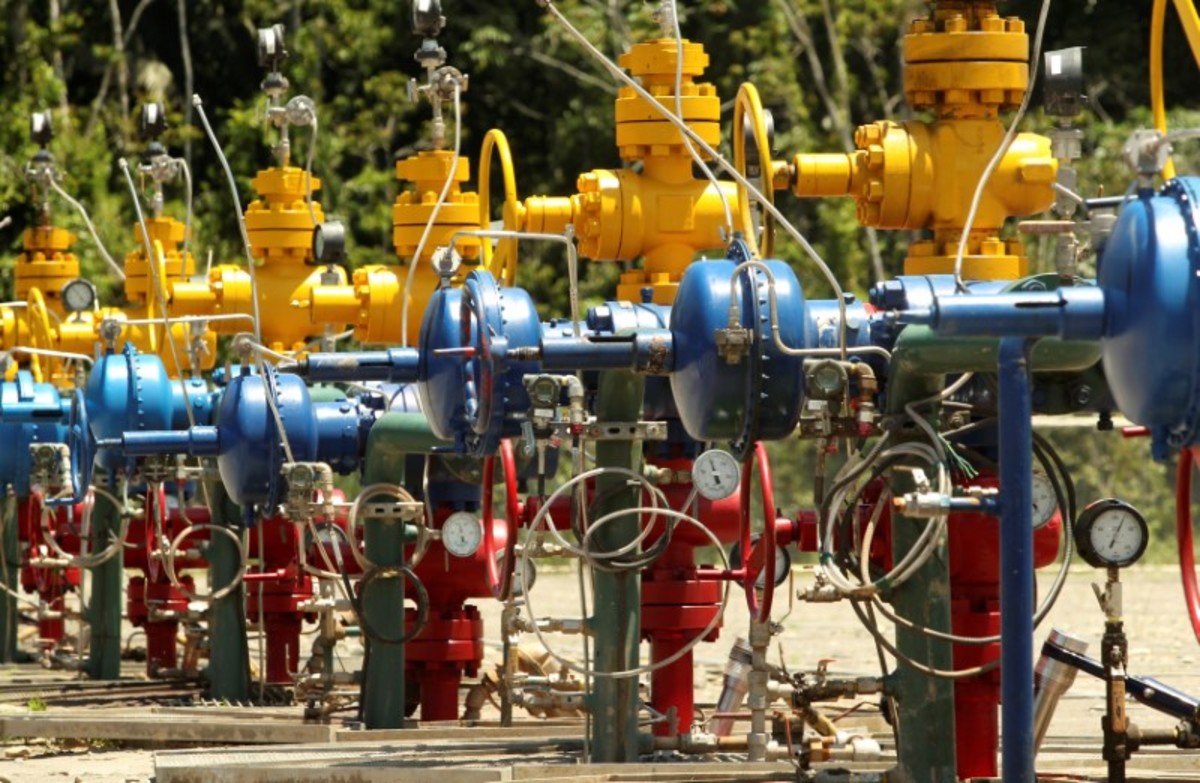
Wellheads painted in the national colours are seen at an oil rig of Ecuador's state oil company Petroamazonas, in Tiputini, Ecuador October 19, 2017. Picture taken October 19, 2017. REUTERS/Daniel Tapia
Ecuador expects to raise revenues of about $2.4 billion annually as of 2022 when it completes the development of the Ishpingo, Tambococha, and Tiputini (ITT) fields and Block 31, located in the Yasuni National Park, a 9,820-square-kilometer (6,100-square-mile) swathe of rainforest on the equator.
"This is the second phase of oil exploration in Ecuador ... that allows for cheap and economically profitable exploitation," said state oil company manager Alex Galarraga.
"There is the technology to greatly minimize the environmental impact, to live in harmony with nature, and to maintain the most critical parts of the park with exhaustive care," he told Reuters during a tour of the heart of the park on Friday.
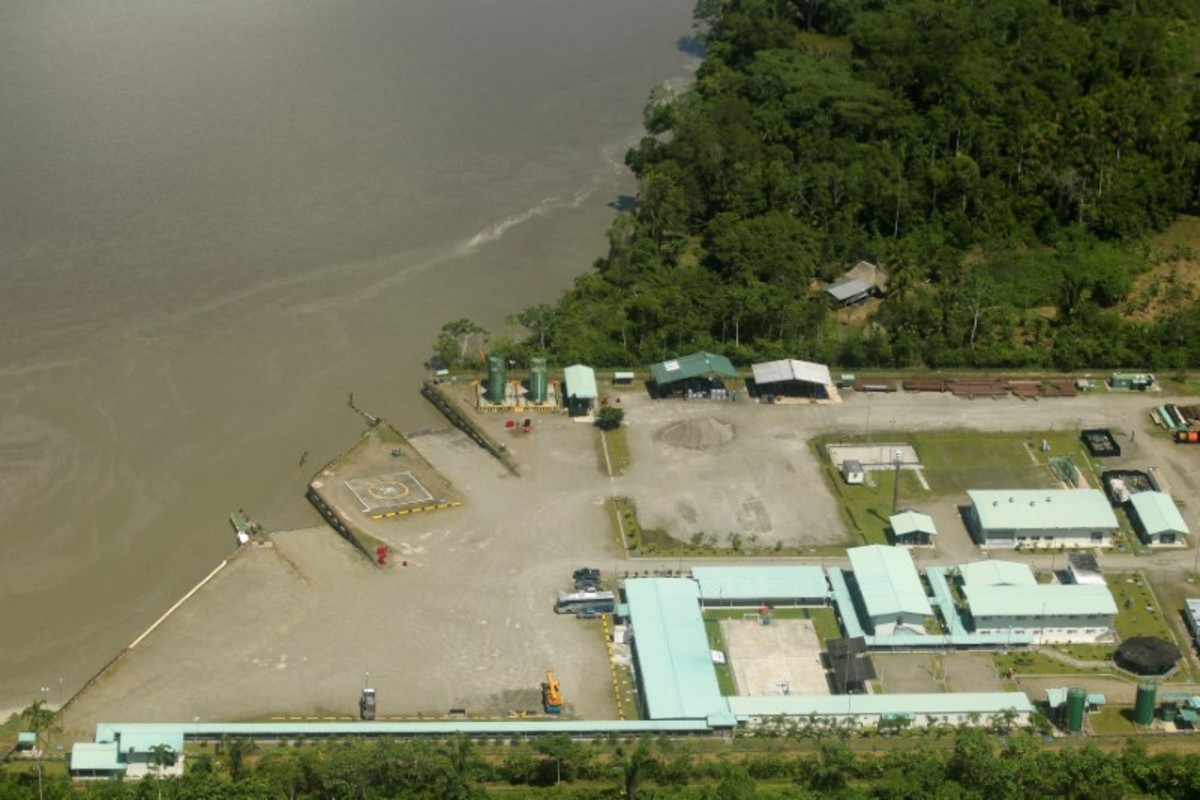
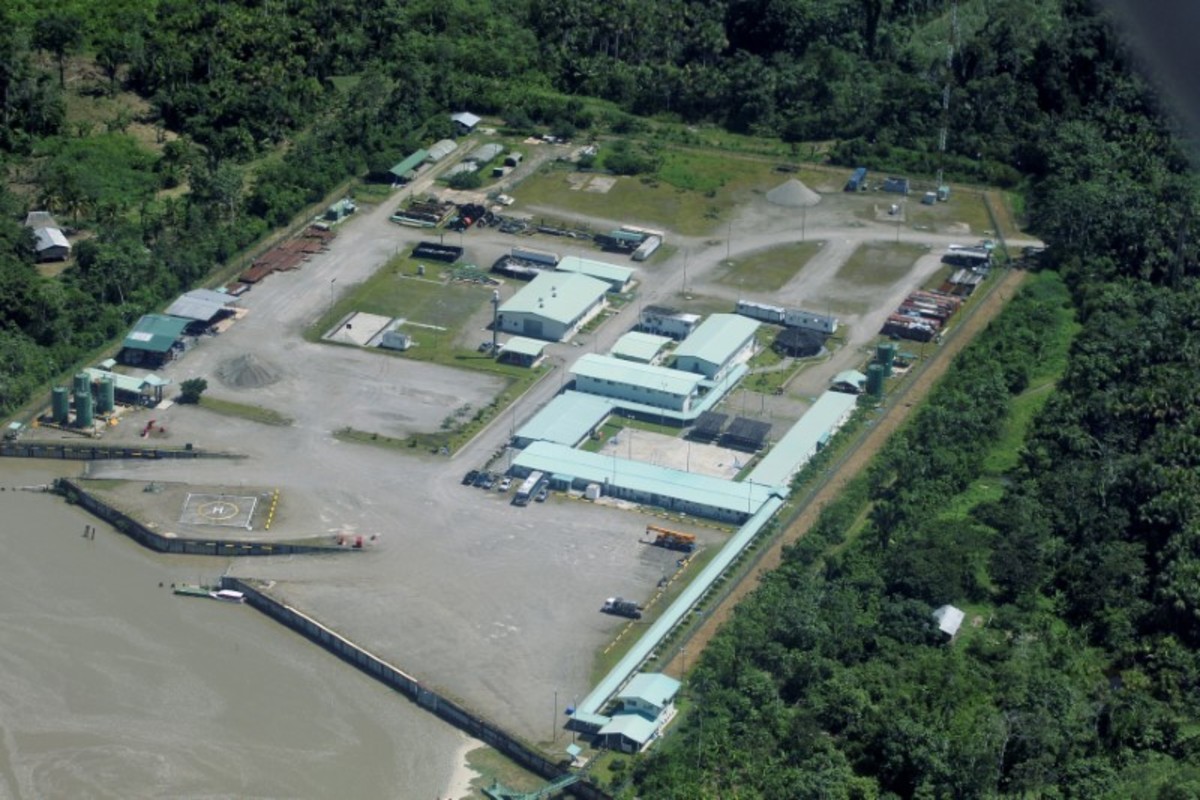
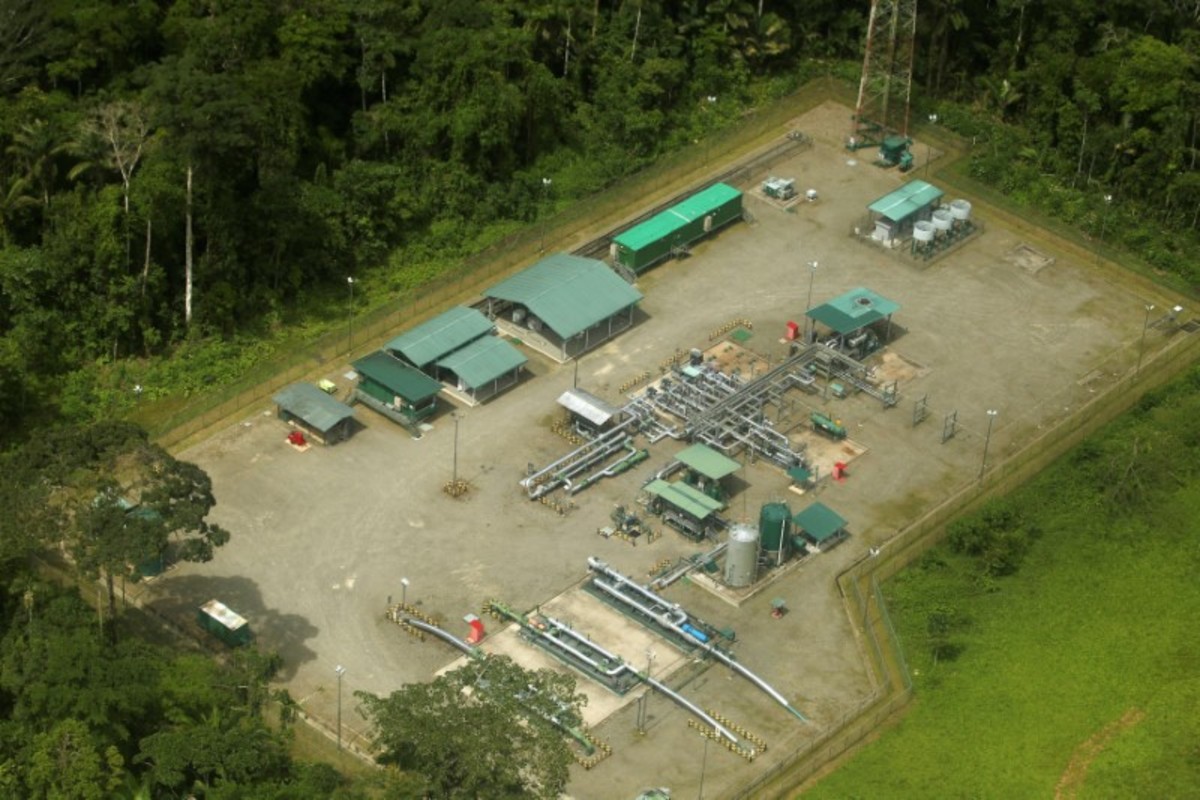
An aerial view shows installations of Ecuador's state oil company Petroamazonas on the shores of the Napo river, in Tiputini, Ecuador October 19, 2017. REUTERS/Daniel Tapia
He cited smaller platforms, clustered wells, re-use of gas and water, as well as eco-friendly pathways to the oil installations.
Yasuni National Park has long been pivotal in global environmental debates.
Challenging the world to save Yasuni a decade ago, former president Rafael Correa asked wealthy countries to donate $3.6 billion to offset revenue lost by not drilling there.
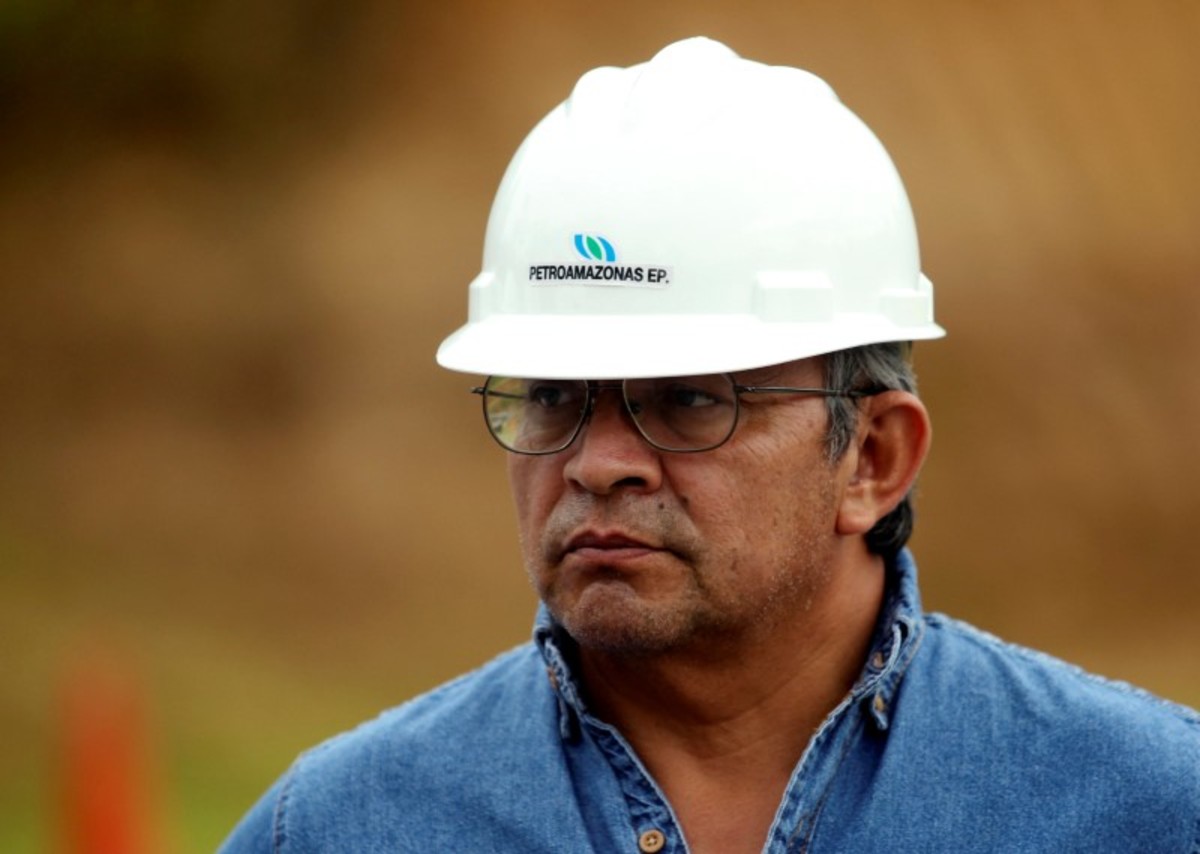
Alex Galarraga, director of Ecuador's state oil company Petroamazonas, meets with the media, at an oil field, in Yasuni, Ecuador October 20, 2017. REUTERS/Daniel Tapia
The initiative brought in less than 4 percent of that amount so Correa scrapped the plan six years later and authorized drilling, saying the world had failed Ecuador.
Environmental and indigenous movements have asked authorities to suspend the work.
Between ITT and Block 31, reserves total more than 2 billionbarrels of crude and require an investment of almost $6 billion.
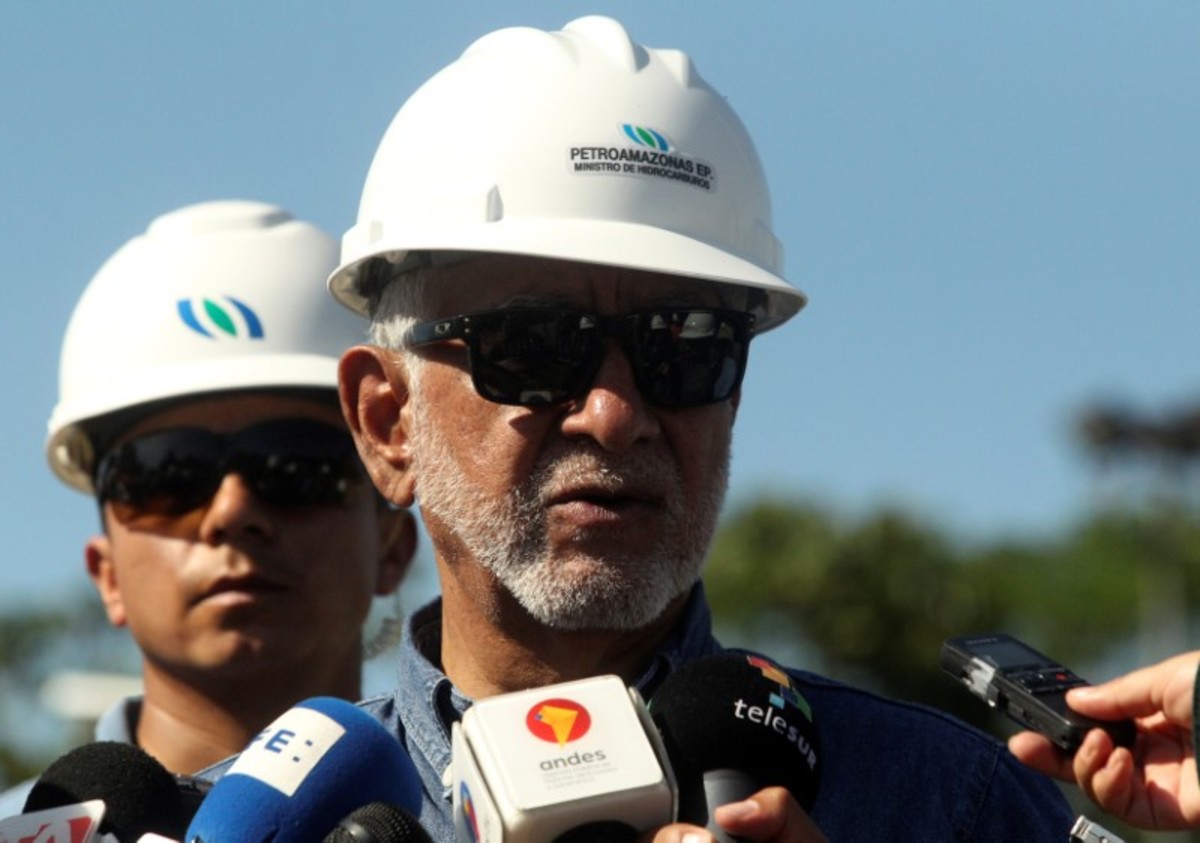
Ecuador's Minister of Hydrocarbons Carlos Perez talks to the media during a visit to the installations of Ecuador's state oil company Petroamazonas, in Tiputini, Ecuador October 19, 2017. REUTERS/Daniel Tapia
Petroamazonas plans to install some 26 platforms to drill 651 wells in the ITT block.
OPEC's smallest partner currently produces some 530,000 barrels per day and expects to reach 700,000 by 2022.
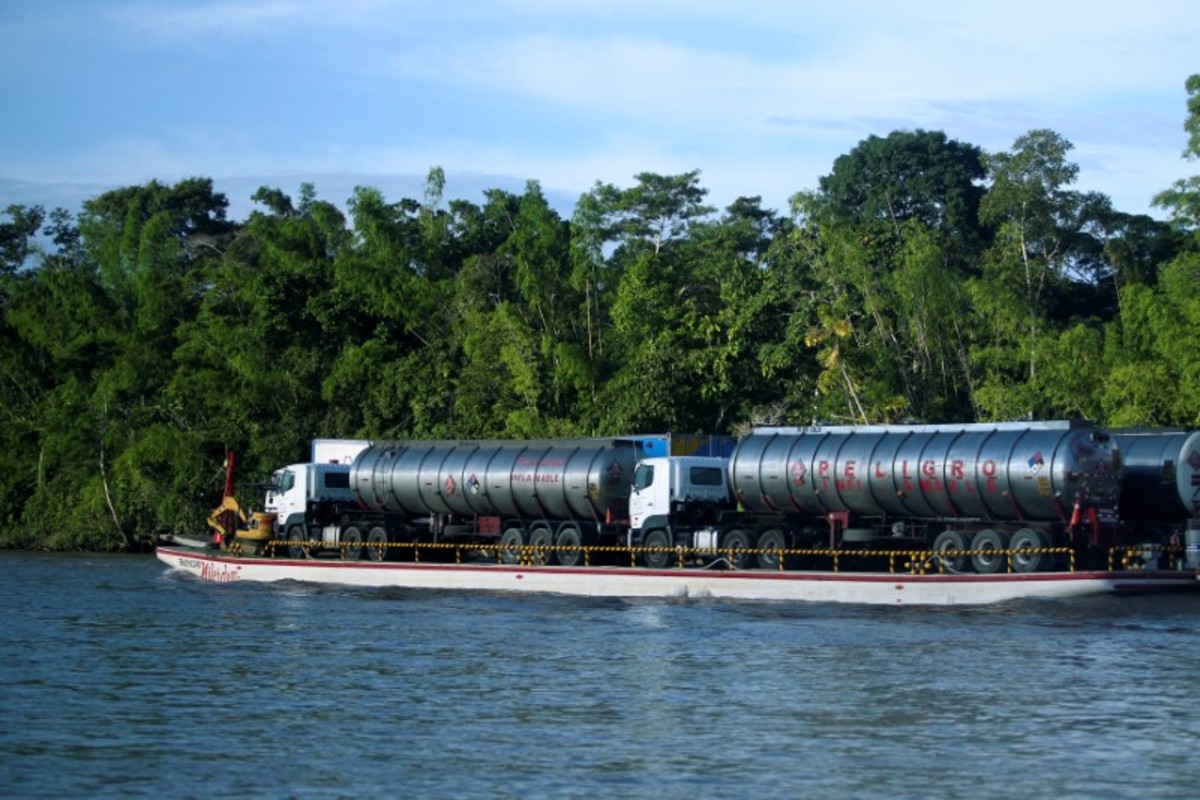
Fuel trucks are being transported on a barge on the Napo river, in Tiputini, Ecuador October 20, 2017. REUTERS/Daniel Tapia
(Writing by Girish Gupta; Editing by Alexandra Ulmer and Chris Reese)
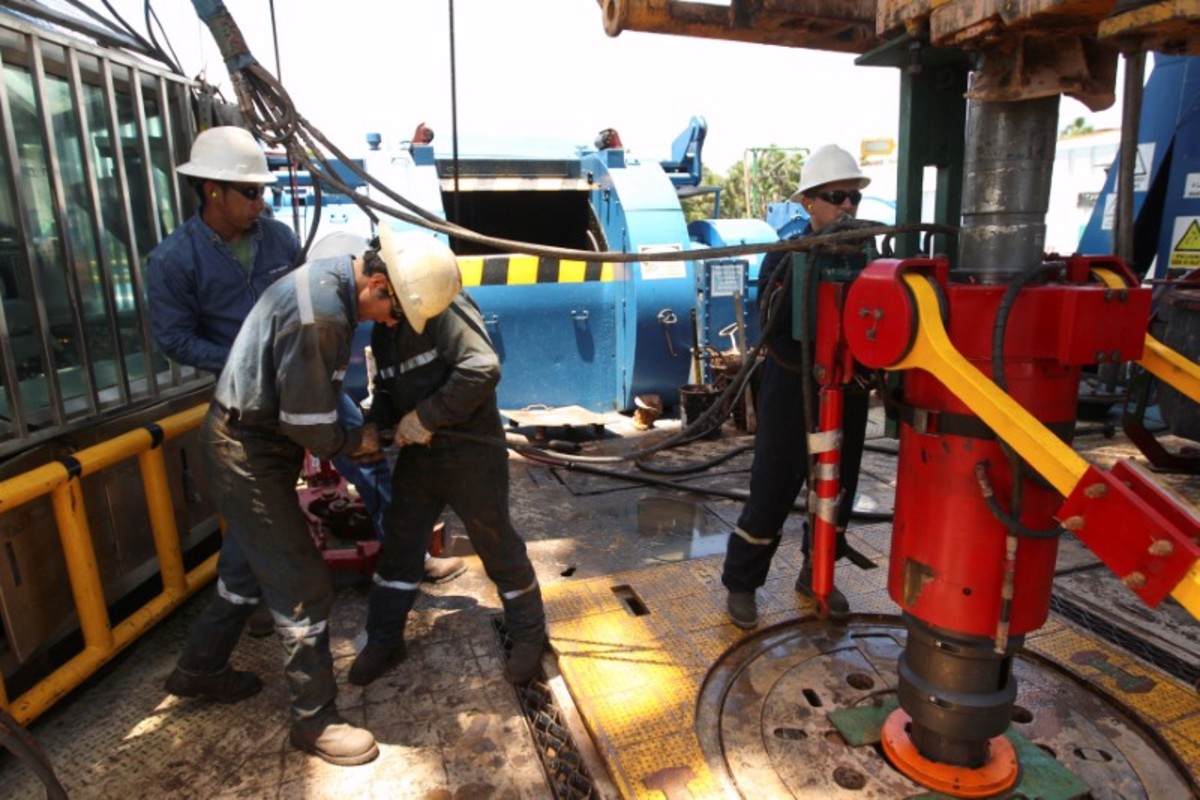
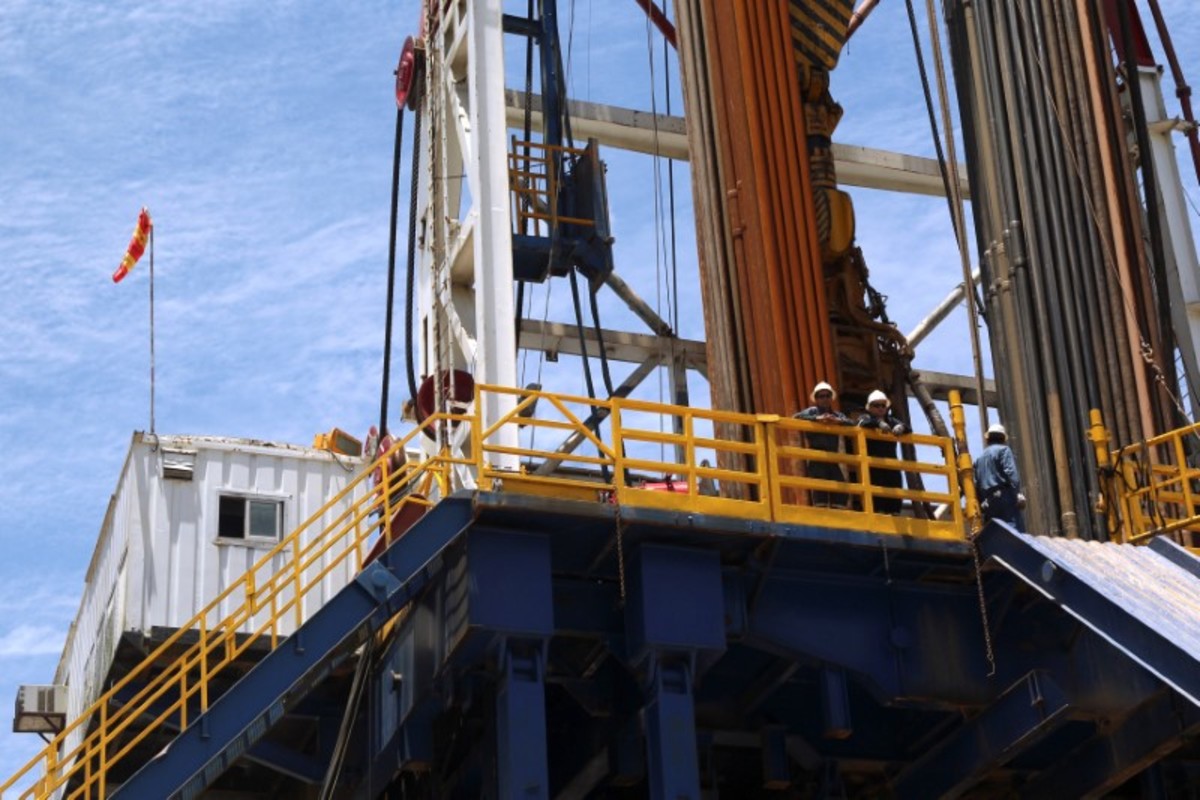
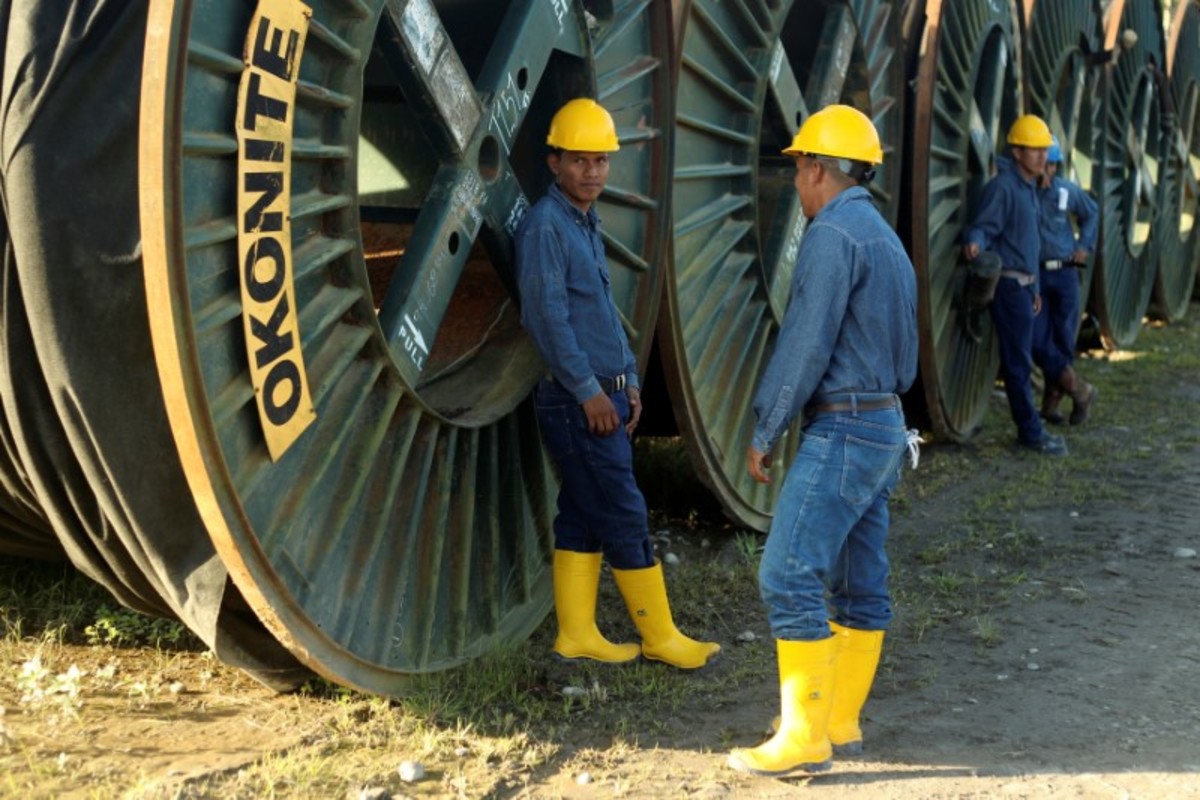
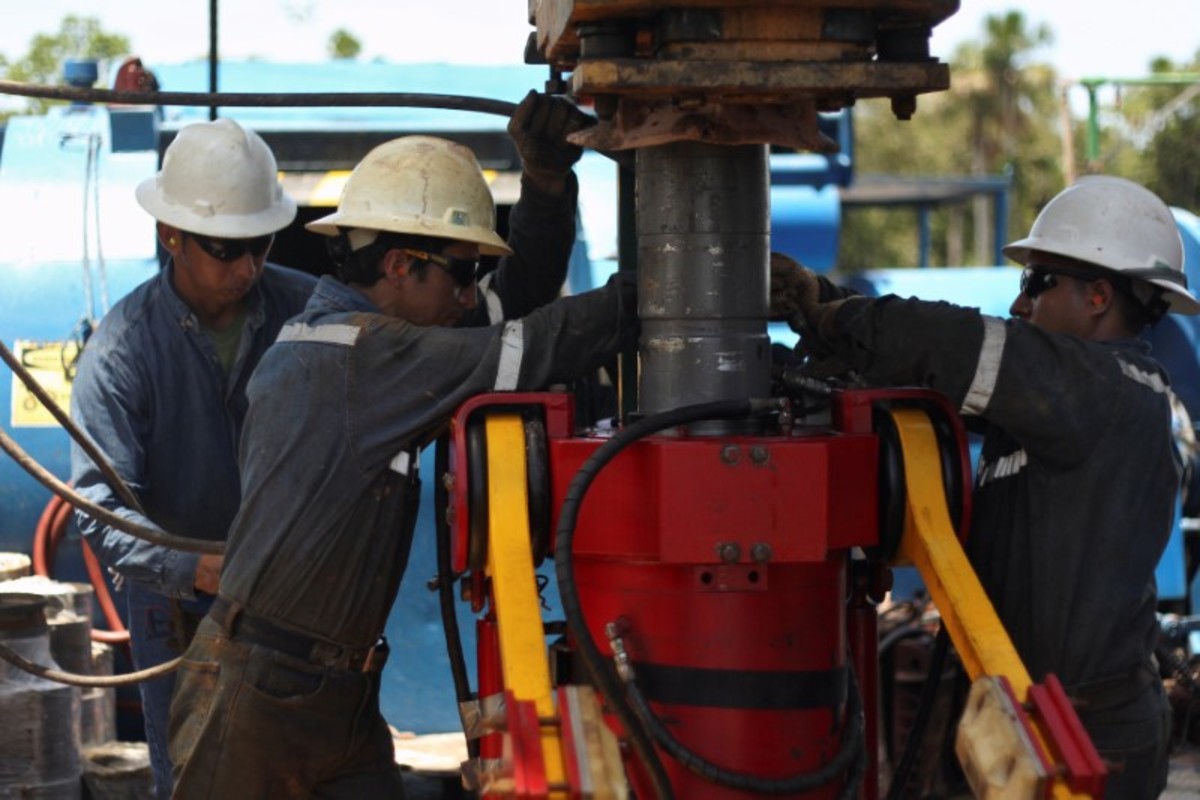
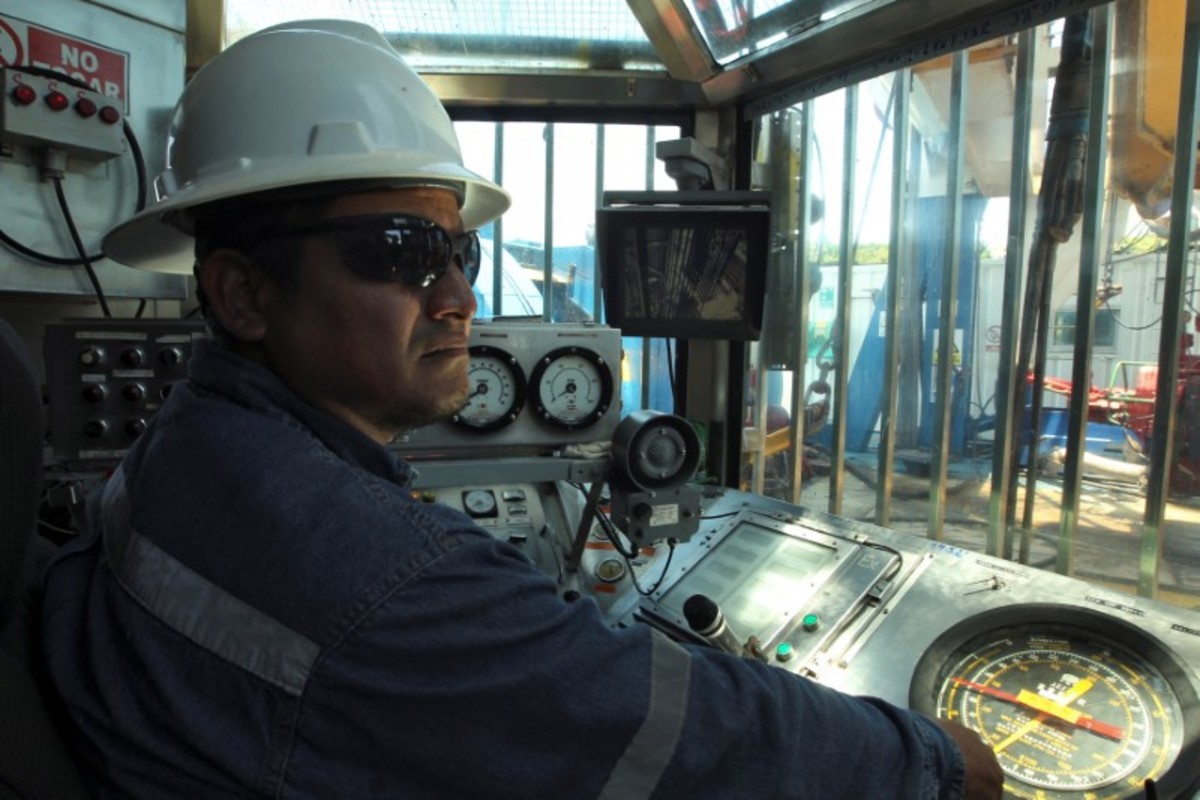
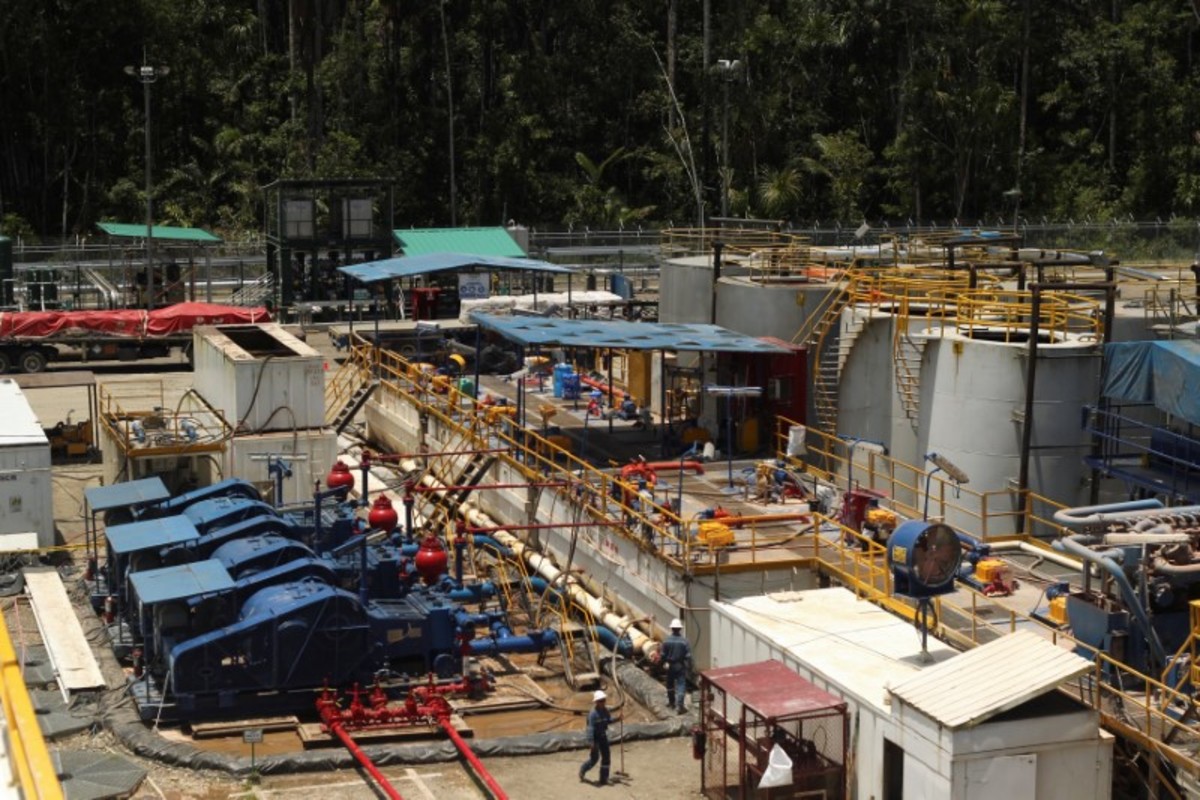
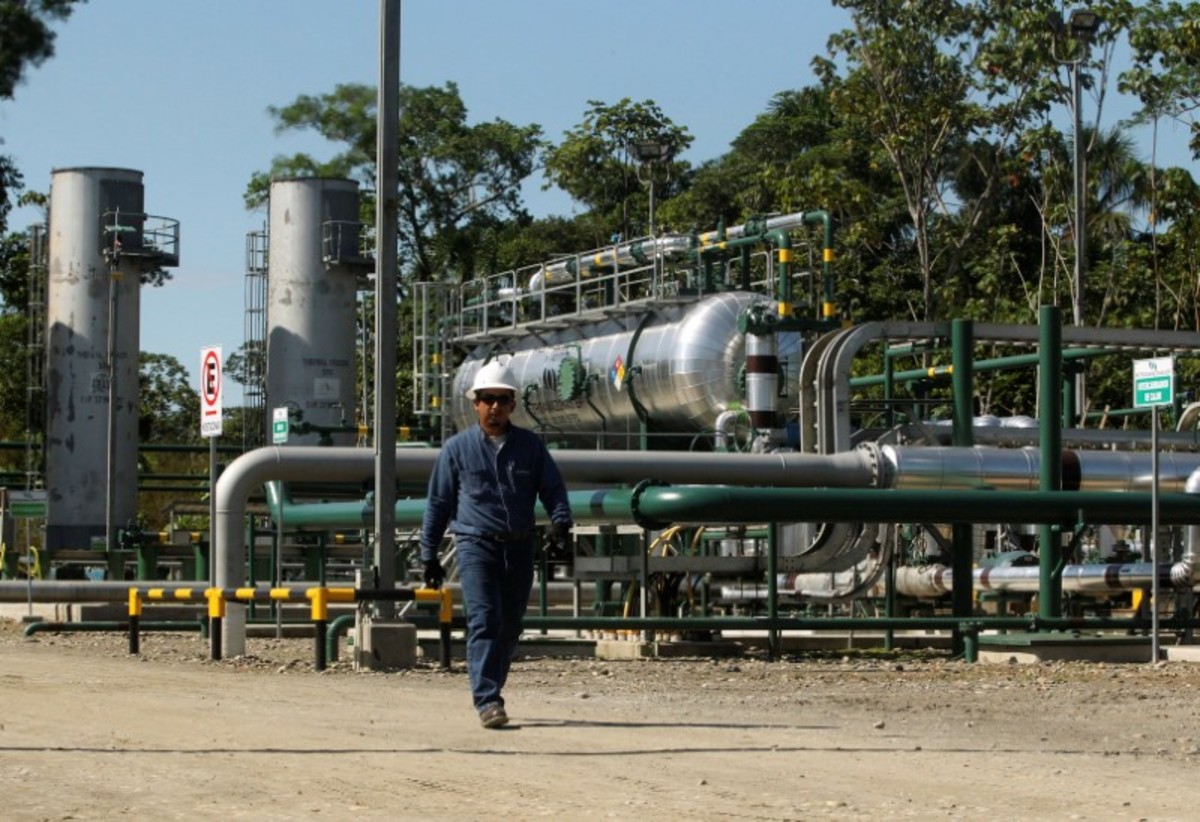
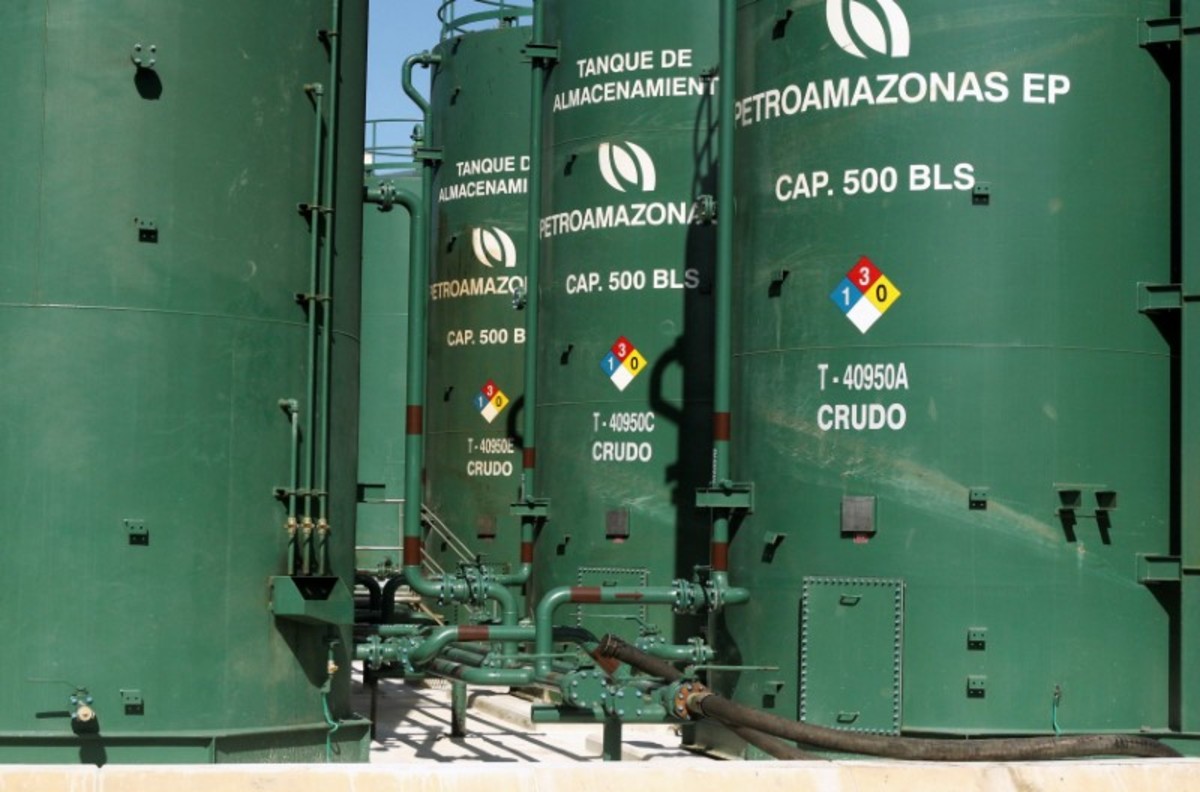
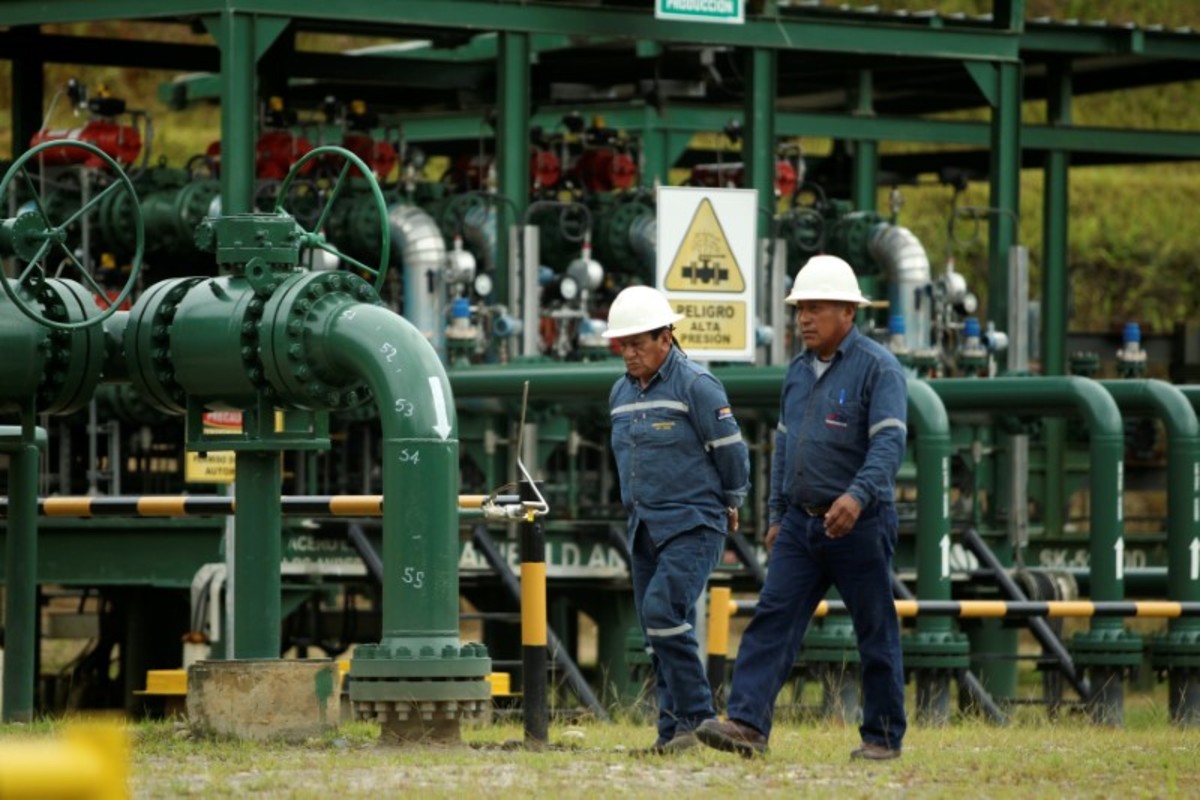
Oil field technicians work with a drill at an oil rig of Ecuador's state oil company Petroamazonas, in Tiputini, Ecuador October 19, 2017. REUTERS/Daniel TapiaOil field technicians stand on a skid-mounted drilling rig of Ecuador's state oil company Petroamazonas, in Tiputini, Ecuador October 19, 2017. REUTERS/Daniel TapiaA barge of Ecuador's state oil company Petroamazonas transports vehicles on the Tiputini river, in Yasuni, Ecuador October 20, 2017. REUTERS/Daniel TapiaOil field technicians stand at an oil field of Ecuador's state oil company Petroamazonas, in Tiputini, Ecuador October 19, 2017. REUTERS/Daniel TapiaOil field technicians work with a drill at a rig of Ecuador's state oil company Petroamazonas, in Tiputini, Ecuador October 19, 2017. REUTERS/Daniel TapiaAn oil field technician operates a drill at an oil rig of Ecuador's state oil company Petroamazonas, in Tiputini, Ecuador October 19, 2017. REUTERS/Daniel TapiaOil field technicians are seen by the installations of an oil field of Ecuador's state oil company Petroamazonas, in Tiputini, Ecuador October 19, 2017. REUTERS/Daniel TapiaWellheads painted in the national colours are seen at an oil rig of Ecuador's state oil company Petroamazonas, in Tiputini, Ecuador October 19, 2017. REUTERS/Daniel TapiaAn oil field technician walks past installations of Ecuador's state oil company Petroamazonas, in Tiputini, Ecuador October 19, 2017. REUTERS/Daniel TapiaAn aerial view shows installations of Ecuador's state oil company Petroamazonas on the shores of the Napo river, in Tiputini, Ecuador October 19, 2017. Picture taken October 19, 2017. REUTERS/Daniel TapiaAn aerial view shows installations of Ecuador's state oil company Petroamazonas, in Tiputini, Ecuador October 19, 2017. REUTERS/Daniel TapiaReservoirs for crude oil are seen at an oil rig of Ecuador's state oil company Petroamazonas, in Tiputini, Ecuador October 19, 2017. REUTERS/Daniel TapiaOil field technicians walk at an oil field of Ecuador's state oil company Petroamazonas, in Yasuni, Ecuador October 20, 2017. REUTERS/Daniel Tapia
Sign up to read this article
Read news from 100’s of titles, curated specifically for you.