Ecotourism at the marine-protected area of Honda Bay
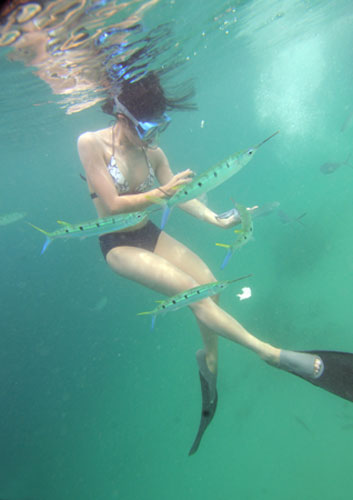
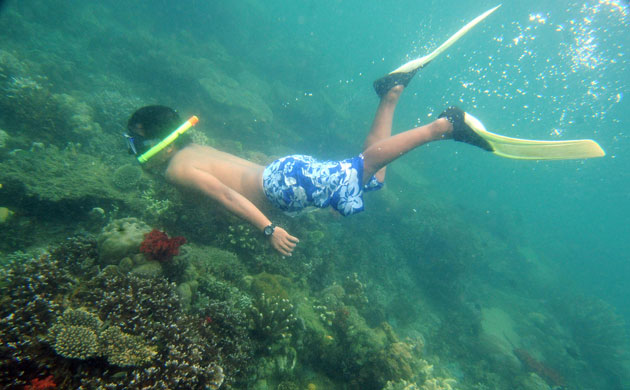
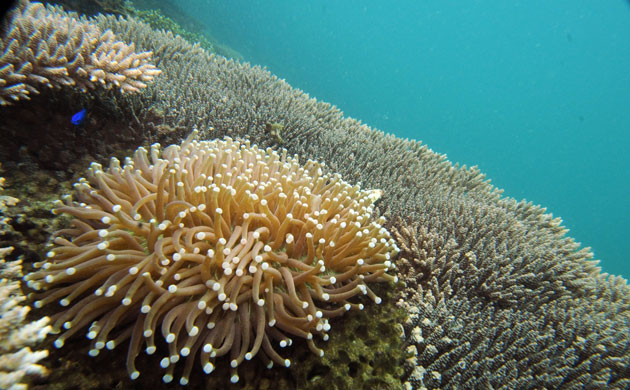
Diving has become a popular tourist attraction around the clear waters and white sand islets in Honda Bay, located in Puerto Princesa city, the capital of Palawan island in western PhilippinesPhotograph: Romeo Gacad/AFPThe city's strict marine regulation protects the bay area's rich fishing ground from commercial fishing and other illegal fishing activities through the joint monitoring by local government and small-scale fishing organisationsPhotograph: Romeo Gacad/AFPThe government of the Philippines recognised that the reefs of the area be promoted as an ecologically important destination for tourists and divers, rather than being economically dependent on intensive fishing practicesPhotograph: Romeo Gacad/AFP/Getty Images
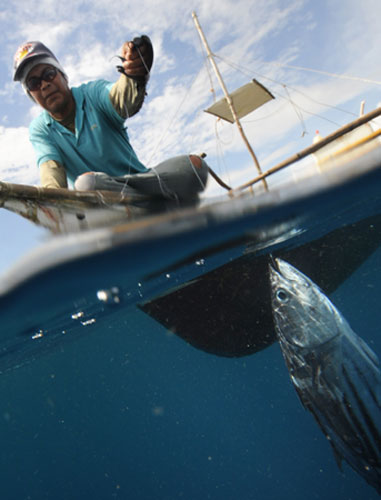
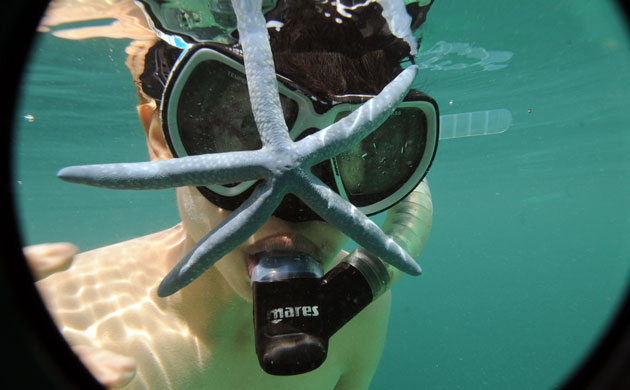
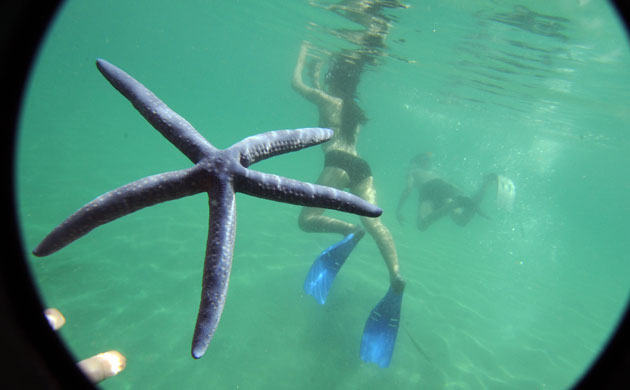
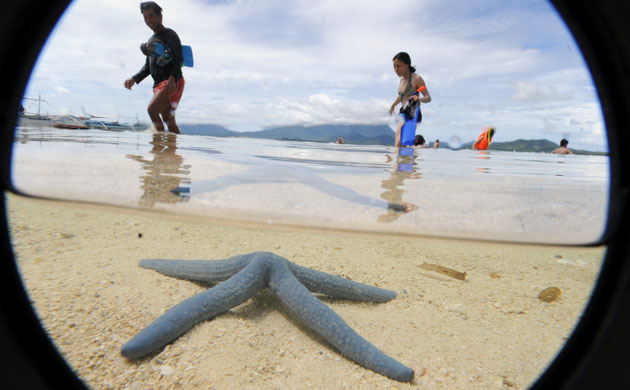
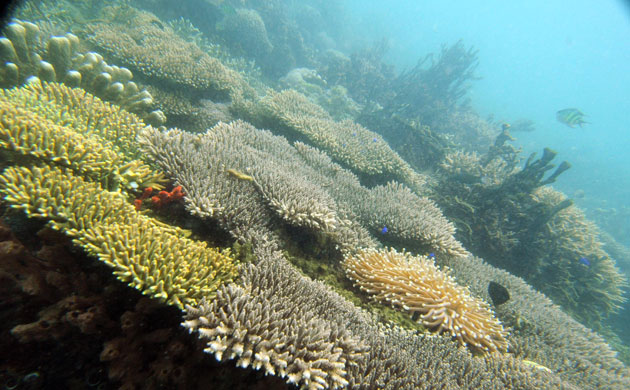
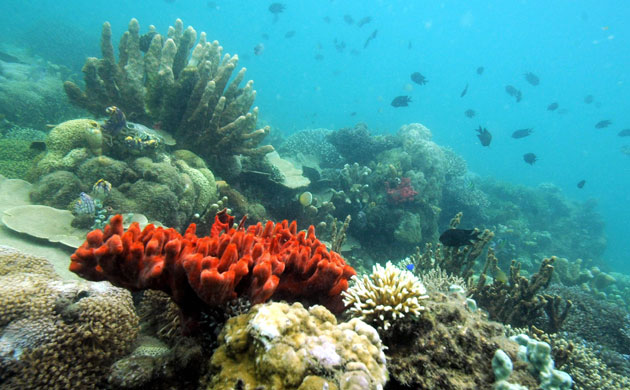
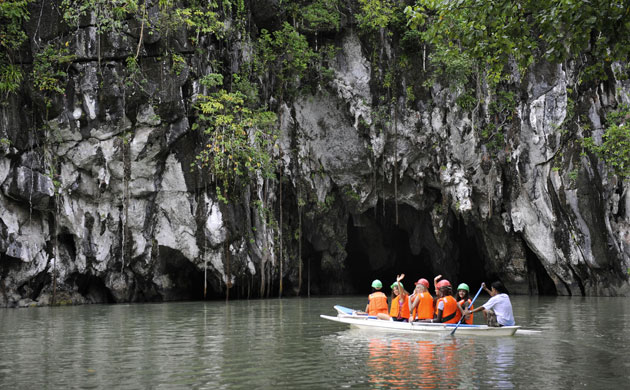
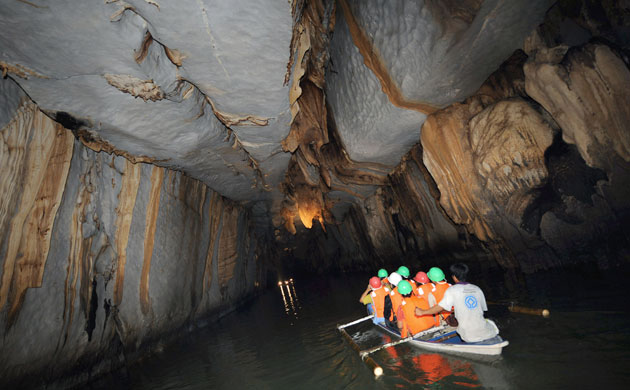
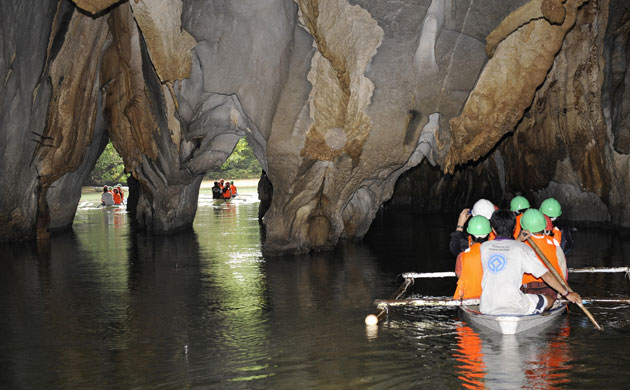
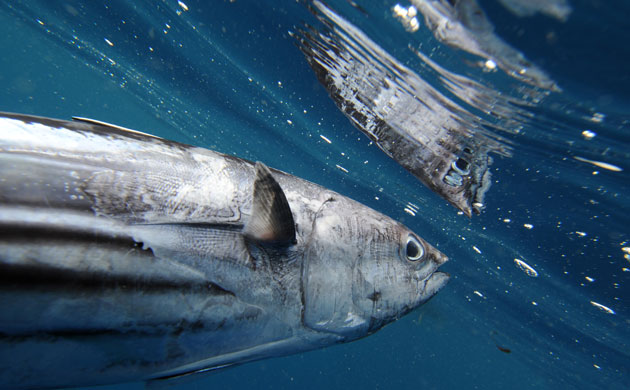
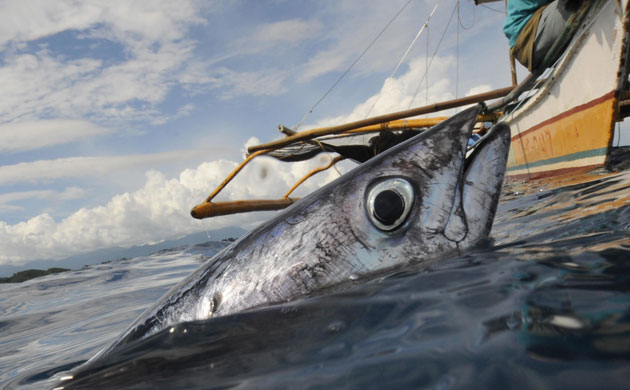
Visitors play with a starfish off Snake Island in Honda BayPhotograph: Romeo Gacad/AFPHonda Bay was inscribed by Unesco as a World Heritage Site in 1999Photograph: Romeo Gacad/AFP/Getty ImagesHonda Bay is comprised of several islets with shallow reefs bordering beaches which have become highly sought swimming, snorkeling, and diving destinations for local residents and tourists Photograph: Romeo Gacad/AFPThe marine research camp is tasked with preserving the ecological balance of the diverse marine and terrestrial ecosystems around Honda Bay. Fishers previously used dynamite and cyanide to kill and stun fishPhotograph: Romeo Gacad/AFPThe coral reefs in the western Pacific have the highest marine biodiversity in the world. In the waters of the Philippines there are more than 2,000 different kinds of fish. This area is one of the most unique in the Pacific OceanPhotograph: Romeo Gacad/AFPAs generations of corals die, the lime skeletons of the dead microorganisms will build up the coral reefs. It takes a coral reef five years to grow one inchPhotograph: Romeo Gacad/AFP/Getty ImagesTourists prepare to enter the Puerto Princesa subterranean river national park located in Puerto Princesa. The natural formation features a limestone karst mountain landscape surrounded by thick forest with an 8.2km navigable underground river that flows directly into the South China Sea Photograph: Romeo Gacad/AFP/Getty ImagesPuerto Princesa's subterranean river is a popular tourist spot currently ranked number one among the 77 candidates in the 'New Seven Wonders of Nature' internet campaignPhotograph: Romeo Gacad/AFP/Getty ImagesThe 'New Seven Wonders of Nature' internet campaign will lead to a review by a panel of international experts, who will annnounce the 21 finalists on July 21, 2009. A popular vote via the internet will then select the seven in 2010Photograph: Romeo Gacad/AFP/Getty ImagesA fish caught through a fisherman's hook-and-line method is pulled up at the Puerto Princesa city bay. The Philippines lies in the Coral Triangle, the global epicentre of marine species diversity, with 2.25 million fishers dependent on marine resources for their livelihoodPhotograph: Romeo Gacad/AFPSix countries – Philippines, Indonesia, Malaysian, Papua New Guinea, the Solomon Islands and Timor-Leste – are situated within the Coral Triangle's 5.7m sq km fishing area Photograph: Romeo Gacad/AFP
Sign up to read this article
Read news from 100’s of titles, curated specifically for you.