Expansion beyond an online seller’s domestic market is a natural progression of their business and an immense opportunity to diversify revenue streams.
eBay, Amazon, and other vast online marketplaces make it easier for merchants to place their products on international marketplaces and reach new customers in different parts of the world.
Nonetheless, the language barrier remains one of the biggest obstacles sellers face when planning an expansion, as most consumers prefer not to make important buying decisions if the product information isn’t in their native language.
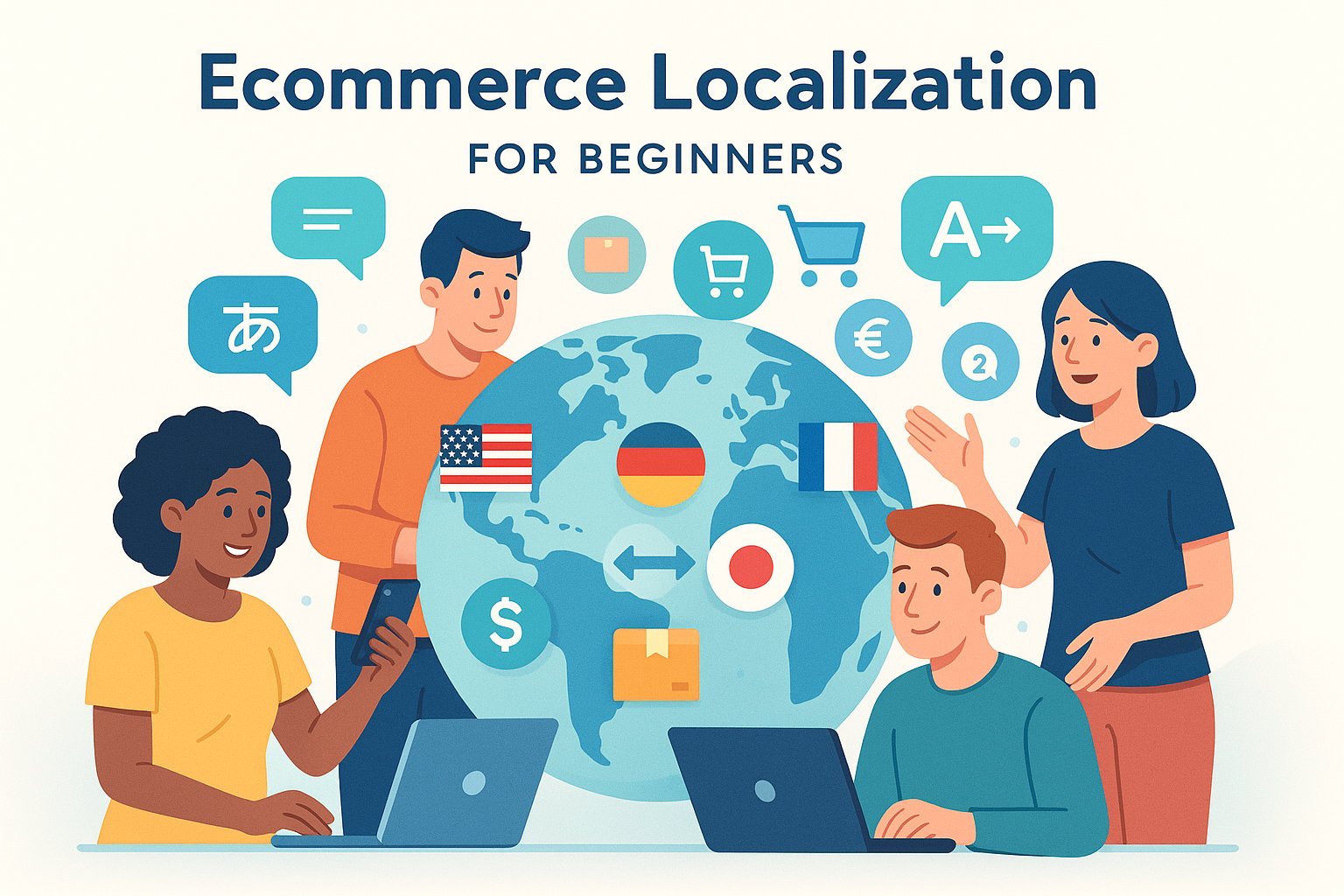
Ecommerce localization is far more complex than simple product listing translation, which is why sellers planning to place their products on an international marketplace need a sound localization strategy and the tools that enable them to implement that strategy seamlessly.
Read on to discover the essentials of ecommerce localization and start planning your expansion strategy for international marketplaces.
Ecommerce localization as a gateway to vaster audiences
The ecommerce industry is becoming increasingly international due to a myriad of factors, ranging from wider internet accessibility to consumer demand for cross-border purchases and streamlined logistics processes.
As a result, many ecommerce businesses have a strong presence in multiple online marketplaces, which gives them access to a broader audience and increases their GMV.
Their expansion is fueled by Webinterpret and similar localization solutions that streamline the process of translating listings, adjusting product prices and sizes, handling the reverse logistics, as well as ensuring that product titles and descriptions contain relevant keywords in the new language.
In doing so, ecommerce localization tools ensure that each listing sellers place on a new marketplace has better chances of landing at the top of search results for relevant queries and attracting the attention of shoppers in the destination market.
Furthermore, these solutions help sellers understand cultural nuances of their target markets and create product listings that tap into local trends.
Read also: https://ventsmagazine.co.uk/choosing-the-best-ebay-software-for-sellers/
Using ecommerce localization to establish a lasting presence on international marketplaces
The number of sellers on online marketplaces has steadily increased over the past decade. Consequently, positioning as a leader in a niche in their domestic or international market is becoming more challenging for ecommerce brands.
Merchants entering new online marketplaces face intense competition from already established sellers, which makes it challenging to secure a permanent foothold in that market.
That’s why localization plays a crucial role in the marketplace expansion process by enabling sellers to:
- Build trust by creating informative product descriptions in a customer’s native language.
- Offer competitive prices in local currency.
- Meet the customer expectations in terms of delivery times and return processes.
- Improve conversion rates of their product listings by using Call-To-Actions that reflect cultural nuances and resonate with the local audience.
Besides ensuring that each item in a seller’s store appeals to the target audience, localization ensures that each potential customer can enjoy a seamless shopping experience, which in turn increases the likelihood of repeated purchases.
Read also: https://theceoviews.com/does-your-store-need-ebay-listing-software/
Ecommerce localization as the catalyst of online marketplace expansion
Cross-border ecommerce accounts for over 30% of all worldwide online sales, and this figure is expected to continue growing in the future.
Additionally, the majority of sellers on eBay, Amazon, and other popular online marketplaces ship products internationally.
Hence, ecommerce businesses that hesitate to place their products on international marketplaces risk losing sales and falling behind their competitors.
Developing and implementing a localization strategy is a crucial step toward entering the international ecommerce arena that allows sellers to expand their customer base and overcome the limitations they face in their domestic markets.
Read also: https://metapress.com/using-an-ebay-listing-tool-to-conquer-international-marketplaces/