Eco-farming brings hope to Brazil's dry north-east
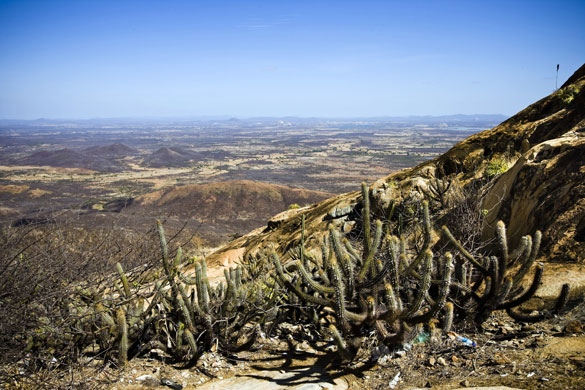
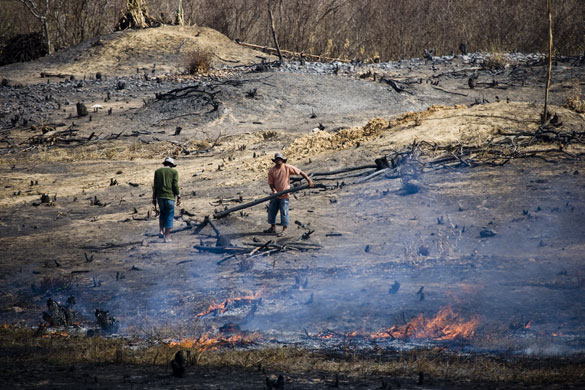
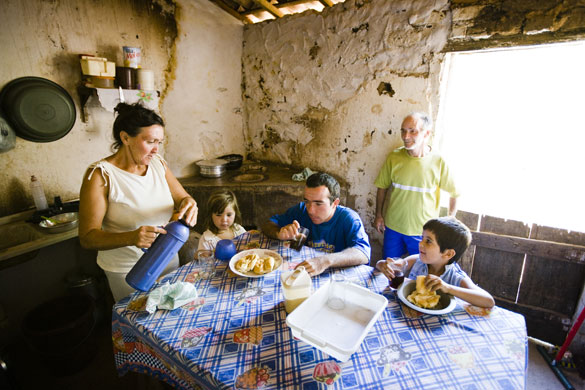
North-east Brazil is in the tropics but is one of the most drought-prone areas in the world. Rains are always sporadic but now climate change is adding to desertification and making it much hotter. It is harder now to farm because the rains are more intense and less predictablePhotograph: Marcus Perkins/TearfundSlash-and-burn techniques produce harvests for just a year or two, but cause long-term environmental damagePhotograph: Marcus Perkins/TearfundPedro and Maria da Silva's family are share-croppers in Pernambuco – they rent the land they farm. Their life has always been dominated by water or the lack of it. Over the past 15 years the rains have become less predictable, the droughts have lasted longer, the days have become hotter and when the rains come they can be more intense, causing damaging floodsPhotograph: Marcus Perkins/Tearfund
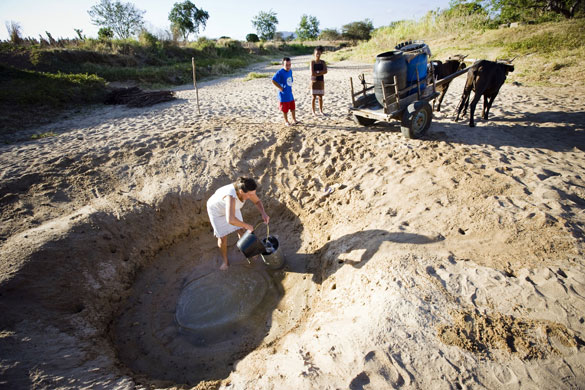
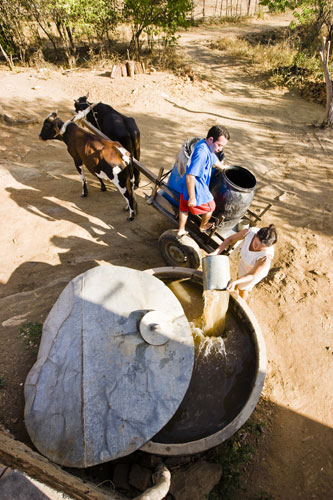
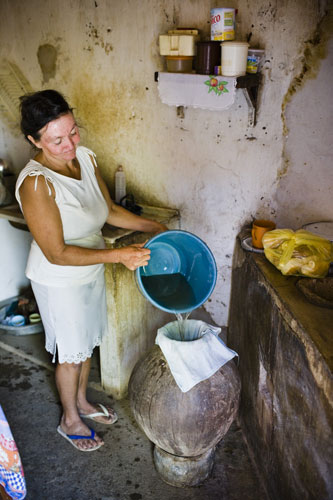
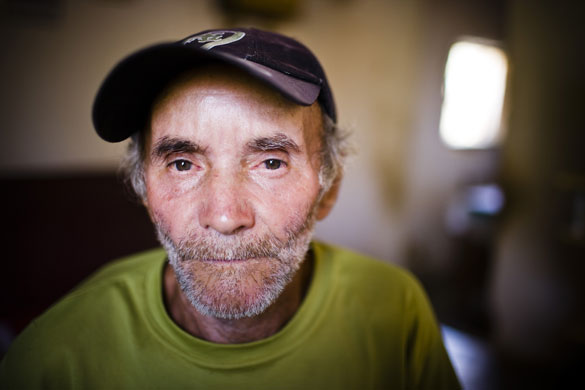
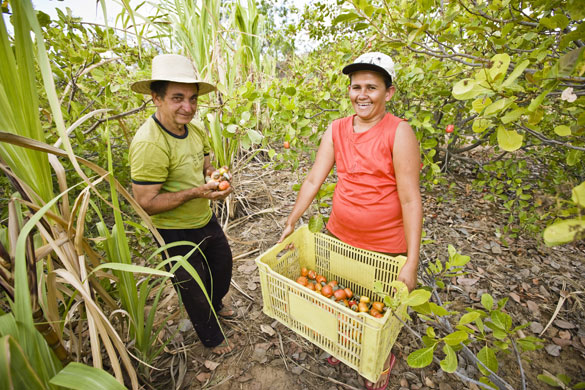
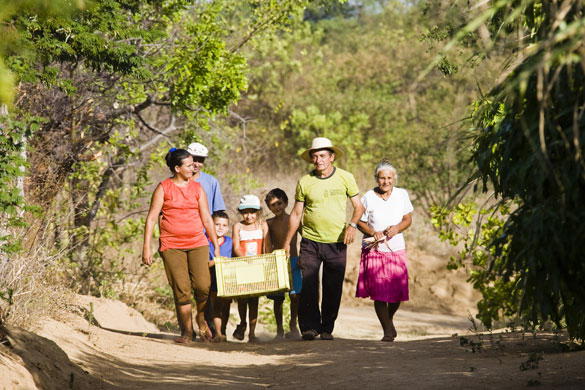
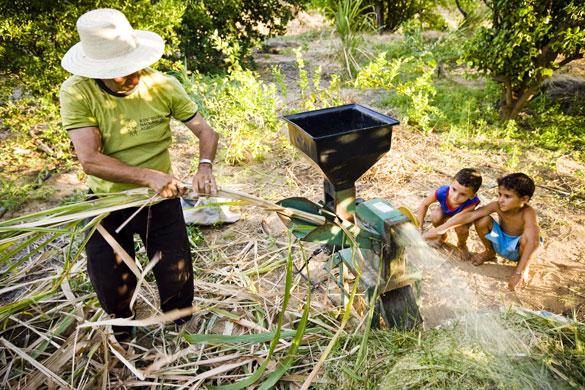
Farmers use bullocks to collect water for their crops and to drink. It can take many hours a day and the water is usually polluted and shared with animals. Because water is so scarce, crop yields in north-eastern Brazil are declining, leading to hunger and malnutritionPhotograph: Marcus Perkins/TearfundThere is underground water but it lies 50m deep, and it costs £1,500 or more to dig a well. Brazilian groups like Acev, who are supported by Tearfund in the UK, help families build large water-storage cisterns that can hold 16,000 litres, meaning they can collect every drop of rainPhotograph: Marcus Perkins/TearfundInside the house Maria, 44, uses an old cloth to filter the waterPhotograph: Marcus Perkins/TearfundFarmers like da Silva have all but given up. "The land is weak now. It has lost its minerals. I produce much less than I used to," he says. Most of his children have left for the cities and he survives mainly on state aidPhotograph: Marcus Perkins/TearfundBut there is another way of farming. Ze de Antonio (left) spent 30 years working in the sugar fields and sweeping streets in Sao Paulo. He came back and was taught by Brazilian group Diaconia how to use water sparingly and grow fruit and vegetables. His farm is now an oasis of green in a parched landscape and universities send students to learn his techniquesPhotograph: Marcus Perkins/TearfundInstead of just staple crops like corn and beans, the family grows guava, mangoes, cashew, coconut, bananas, manioc, oranges, tangerines, peas, beans and pineapple. Even in a bad year his land provides more than enough for his family with some over to sell. He now teaches students and other families how to adapt to climate changePhotograph: Marcus Perkins/Tearfund"I am not special," says Ze. "This way of farming can be learned by everyone. Only ignorance stops people learning. The difference is I was given a chance"Photograph: Marcus Perkins/Tearfund
Sign up to read this article
Read news from 100’s of titles, curated specifically for you.