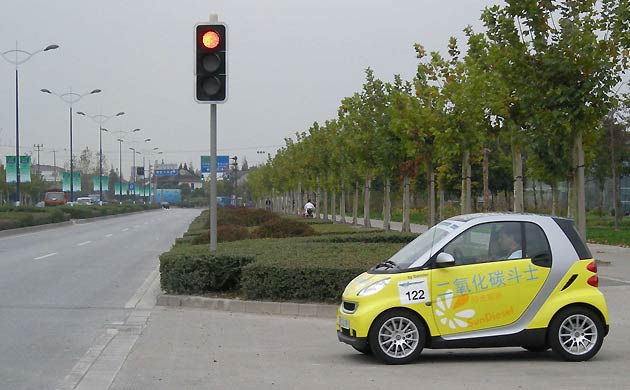
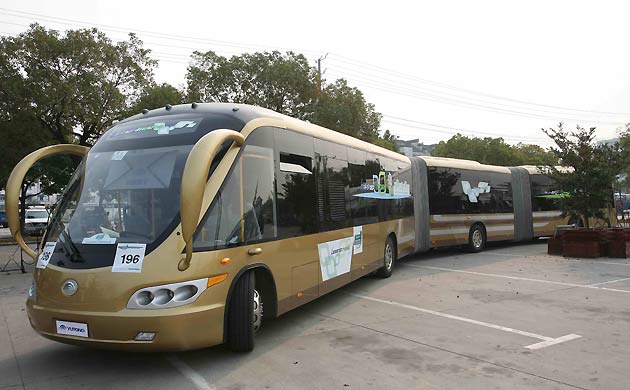
This Smart ForTwo Cdi is the world's most economical production car, with the lowest CO2 emissions, thanks to the smallest direct-injection diesel engine around. Smart's owner, Daimler, like many other major manufacturers, is working on a second-generation biofuel, known as biomass to liquid, or BTL. This synthetic fuel is produced from any biomass material, such as wood chips, and so avoids many of the problems associated with biofuels produced from food crops such as corn, wheat or sugar.Photograph: Nick Mead/GuardianThis 25m double bendy bus, with three sections rather than the usual two, is still a prototype. If introduced on the London streets, it has the potential to be a cyclist's worst nightmare. Photograph: Vision Rouge/MichelinA detail of the BMW X5 3.0 litre diesel four-wheeled drive. It uses the latest diesel fuel injection system to cut CO2 emissions by 8% - but still only manages 32.5 miles to the gallon.Photograph: Nick Mead/Guardian
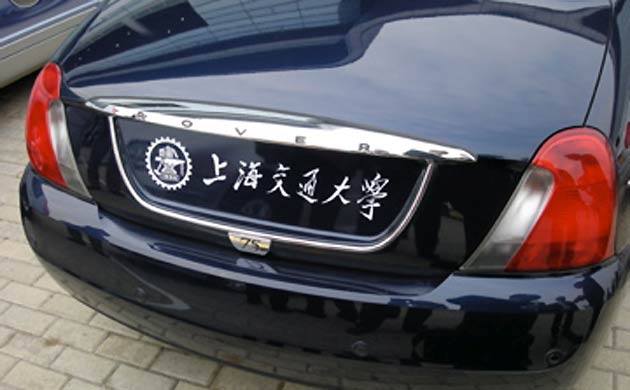
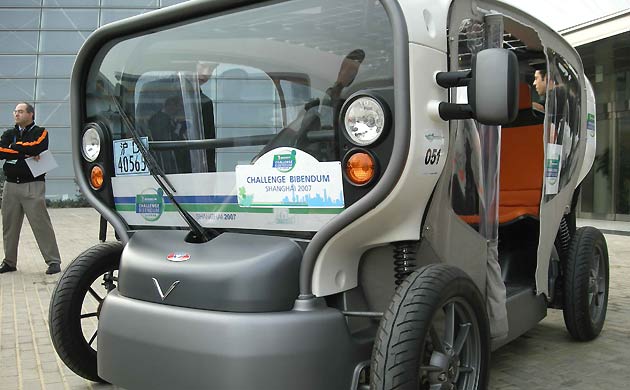
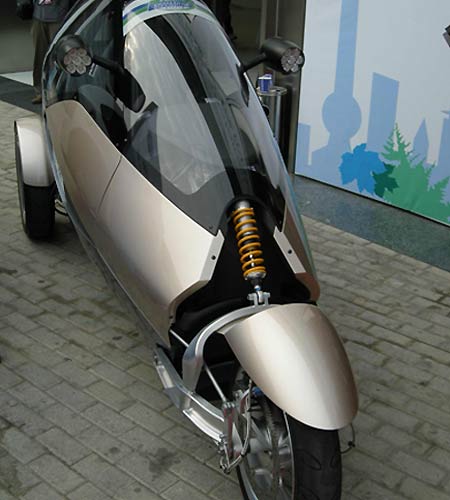
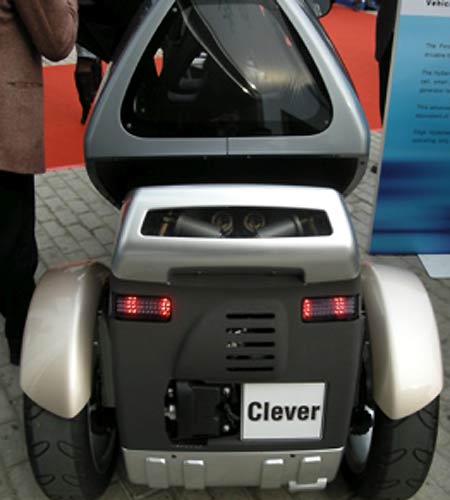
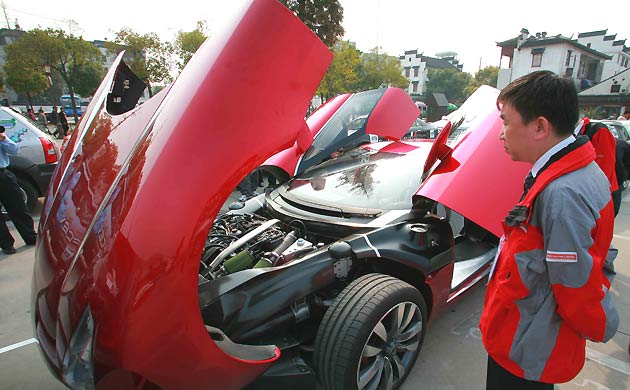
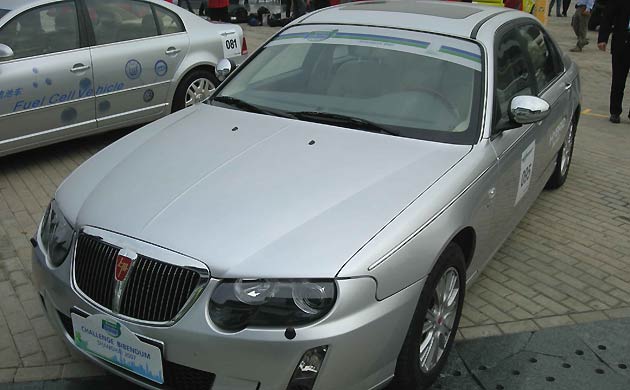
The electric-fuel cell hybrid 'plug-in' car pictured here was developed on the old Rover platform by Shanghai's Jiaotong University.Photograph: Nick Mead/GuardianThe Eclectic, produced by French company Venturi, can powered by the sun and wind alone. If the weather is sunny enough to charge up the solar panels on the roof - and it has been windy enough to power the car's wind turbine - you can travel up to 15 miles a day. It has an electric motor if you want to go further, and can reach speeds of around 30mph.Photograph: Nick Mead/GuardianThis Clever tilting three-wheeler runs on compressed natural gas, which produces fewer emissions than the more common liquid petroleum gas. Photograph: Nick Mead/GuardianThis Clever tilting three-wheeler runs on compressed natural gas, which produces fewer emissions than the more common liquid petroleum gas.Photograph: Nick Mead/GuardianThe Citroen C-Metisse concept car can reach speeds of more than 155mph. A V6 HDi diesel engine drives the front wheels, while an electric motor can kick in to power the rear wheels and boost acceleration.Photograph: Vision Rouge/MichelinShanghai Automotive Industry Corporation (SAIC) had various green versions of its Roewe 750 (based on the Rover 75) on display. The company sells the conventional version in China but says it has not decided whether to market it in Europe. SAIC produces a 'Shanghai brand' fuel cell version of the Roewe 750. Like many of the cars on display here, there are no plans yet to offer it for general sale.Photograph: Nick Mead/GuardianThe number of cars in China is predicted to rocket seven-fold by 2030. Pictured is an entry to a Michelin competition that asked five- to eight-year-old Chinese children to express their hopes and fears for future transport. Photograph: Nick Mead/Guardian
Sign up to read this article
Read news from 100’s of titles, curated specifically for you.