The European Central Bank (ECB) hiked interest rates for the first time since 2023, citing the pressures from the war in Iran. The key rate now stands at 2.25%.
Markets widely expected the body to make such a move, claiming that the decision is "robust across a range of scenarios mapping out how the shock might evolve and affect the medium-term outlook for the euro area."
The ECB also raised its inflation forecast. It now expects it to average 3% this year before dropping to 2.3% in 2027 and 2% the year after. The outlook has changed as a result of an expectation of higher energy prices.
At the same time, the body reduced its economic growth forecast, now expecting a 0.8% expansion for the year, 1.2% for 2027 and 1.5% for 2028.
The chances of the U.S. Federal Reserve hiking rates has also been dominating the public conversation as of late. Economists surveyed in a recent poll no longer expect it to cut interest rates this year.
The majority of respondents of the Reuters poll gave that answer, with interest rate futures now also pricing a rate hike by the end of the year.
Elsewhere, the survey noted that the new chair of the Federal Reserve, Kevin Warsh, would struggle to build consensus to implement a rate cut should he seek so.
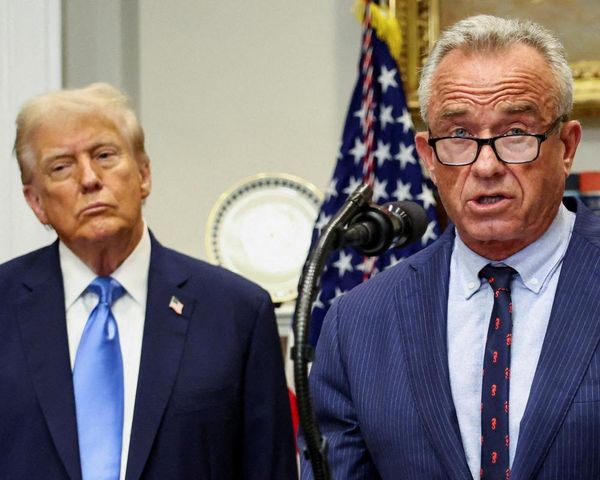
President Donald Trump has said he wants Warsh to "do whatever he wants" but still reiterated his opposition to any potential increase in U.S. interest rates, arguing that borrowing costs should be lowered instead as the economy continues to add jobs and face higher energy prices.
"Kevin is fantastic, and I want him to do whatever he wants," Trump said during an interview with NBC's Meet the Press. Trump added that he did not want to exert significant influence over the new Fed chief but argued that strong economic performance should not lead to higher borrowing costs, according to the outlet.
The comments came after the latest U.S. employment report showed the labor market remained resilient. The U.S. economy added 172,000 jobs in May while the unemployment rate held steady at 4.3%, according to data released by the U.S. Bureau of Labor Statistics. Job gains were concentrated in leisure and hospitality, local government and health care. Bureau of Labor Statistics data showed employment in financial activities declined during the month.
Elsewhere, wholesale prices rose more than expected in May, highlighting inflationary pressures in the U.S.
The Bureau of Labor Statistics noted that the producer price index (PPI) increased by a seasonally adjusted 1.1% compared to the previous month. Economists surveyed by Dow Jones expected a 0.7% increase. The 12-month wholesale inflation rate stood at 6.5%.