Ebola survivors battle grief and stigma in eastern Congo
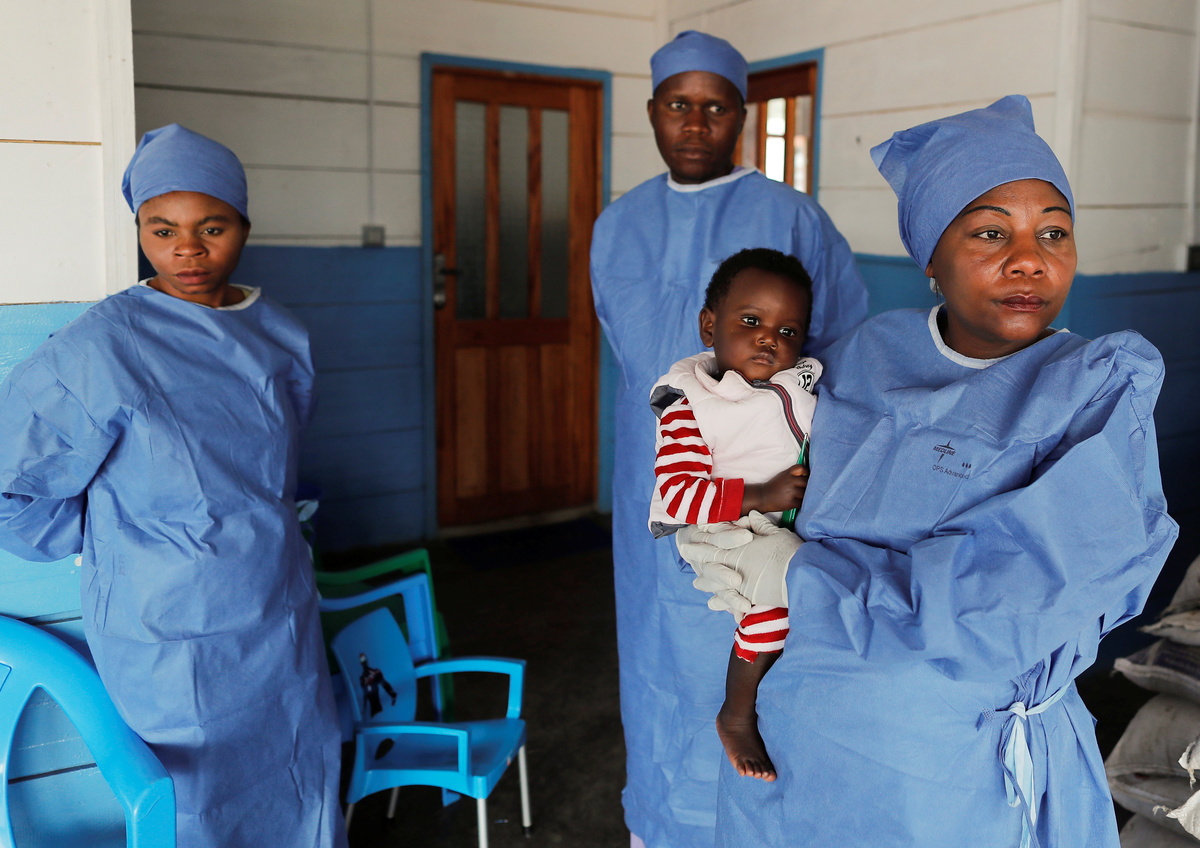
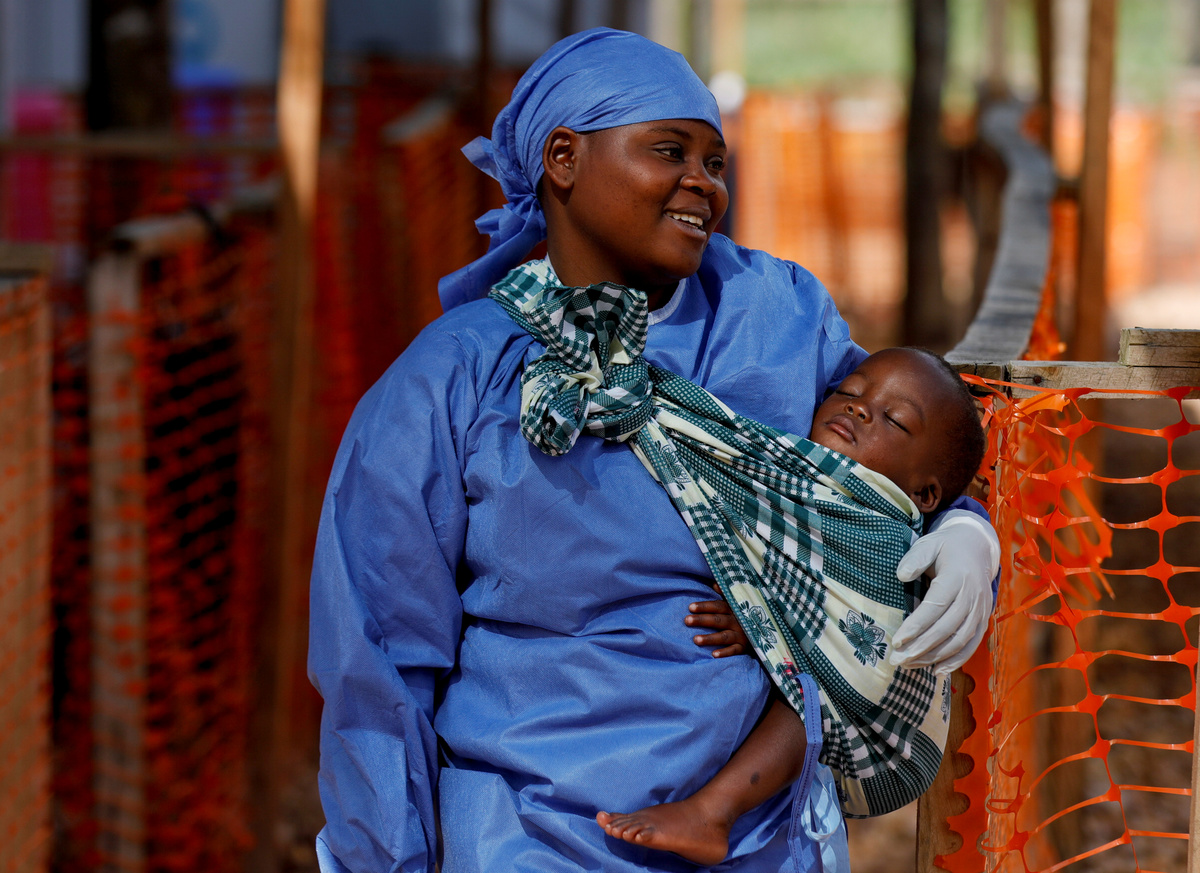
FILE PHOTO: Arlette Kavugho, 40, mother of six and Ebola survivor who works as a caregiver, carries Kambale Eloge, 16 months old, whose mother died of Ebola, during her visit to the United Nations Children's Fund (UNICEF) creche for children whose families are suspected or confirmed Ebola cases, in Katwa, near Butembo, in the Democratic Republic of Congo, October 2, 2019. REUTERS/Zohra Bensemra
BUTEMBO, Democratic Republic of Congo (Reuters) - Arlette Kavugho was discharged from an Ebola ward in eastern Congo in March, but her troubles did not end there.
When the mother of six tried to return to work as a seamstress in her hometown of Butembo, her customers were too scared of catching the disease, despite doctors' assurances that she was no longer contagious.
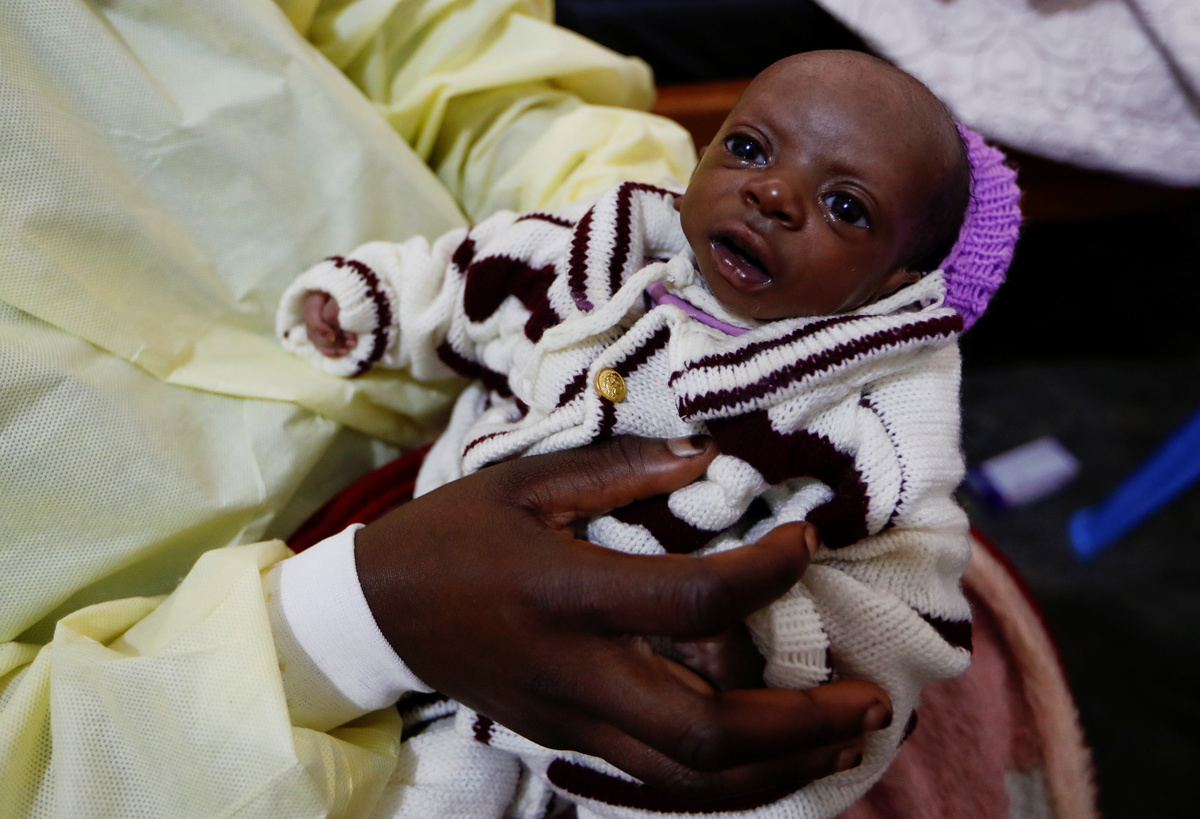
Arlette Kavugho, 40, mother of six and Ebola survivor who works as a caregiver, holds a newborn Katembo Lwayirweka whose mother died of Ebola, at the United Nations Children's Fund (UNICEF) creche for children whose families are suspected or confirmed Ebola cases, near an Ebola treatment centre in Butembo, in the Democratic Republic of Congo, October 1, 2019. REUTERS/Zohra Bensemra
Instead she found work as a caregiver to children suspected of having Ebola only to be accused by neighbors of faking her illness to get the job.
To this day, Kavugho has not been able to find the graves of her 19-year-old daughter and two-month-old granddaughter, who died of Ebola while she was receiving treatment and were hastily buried to avoid any further contamination.
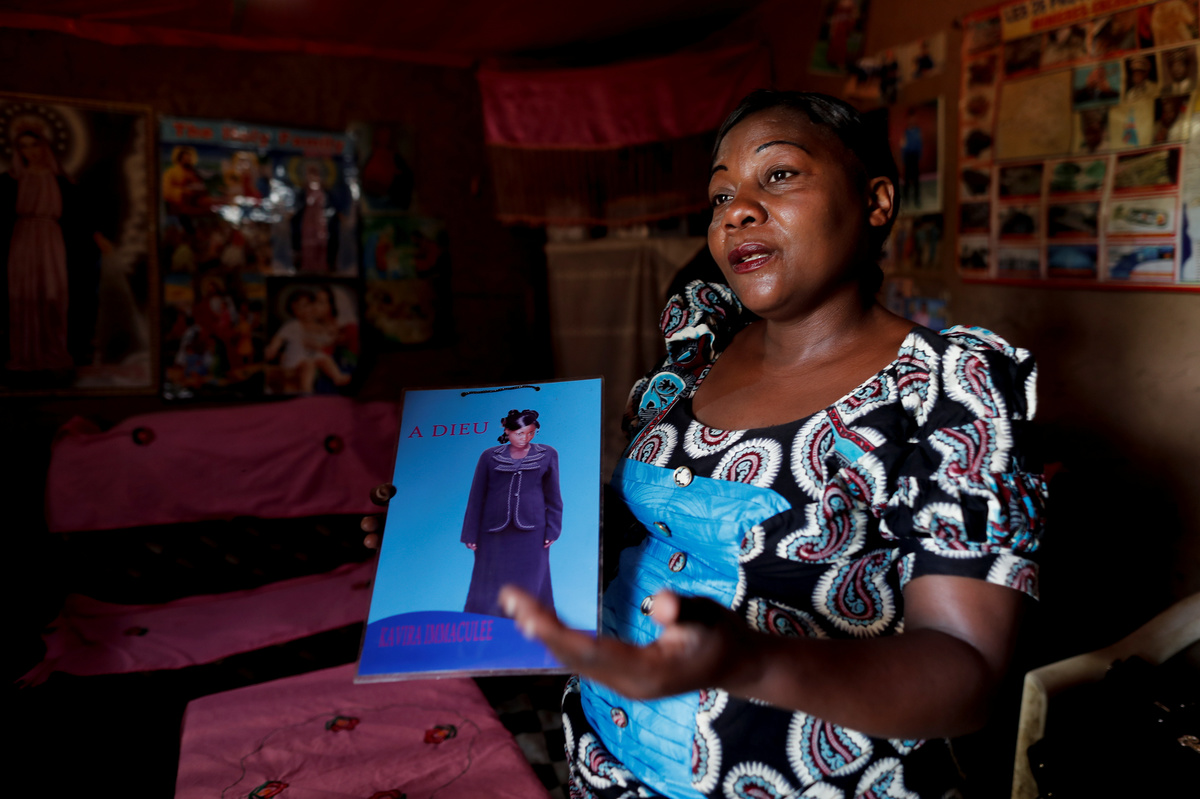
"I try to find the dates on the crosses that may coincide with their deaths but I always come back empty-handed," the 40-year old said softly as she clung to a picture of her daughter with the word "adieu" written alongside.
Arlette Kavugho, 40, mother of six and Ebola survivor who works as a caregiver for children whose families are suspected or confirmed Ebola cases, holds a picture of her daughter who died of Ebola, at her home in the eastern Congolese town of Butembo, in the Democratic Republic of Congo, October 2, 2019. REUTERS/Zohra Bensemra
As of this month, more than 1,000 people have survived the 14-month Ebola outbreak in Democratic Republic of Congo, the world's second deadliest, helped by new medicines that have proven effective against the virus when administered early.
More than 3,200 people are known to have been infected with the virus, of whom more than 2,100 have died since the outbreak was declared in the eastern region.
The survivors, who call themselves "les vainqueurs" - French for "the victorious" - however struggle to return to their former lives as they deal with the fear of relapse, long-term health issues like blurry vision and headaches and stigmatization by their families and neighbors.
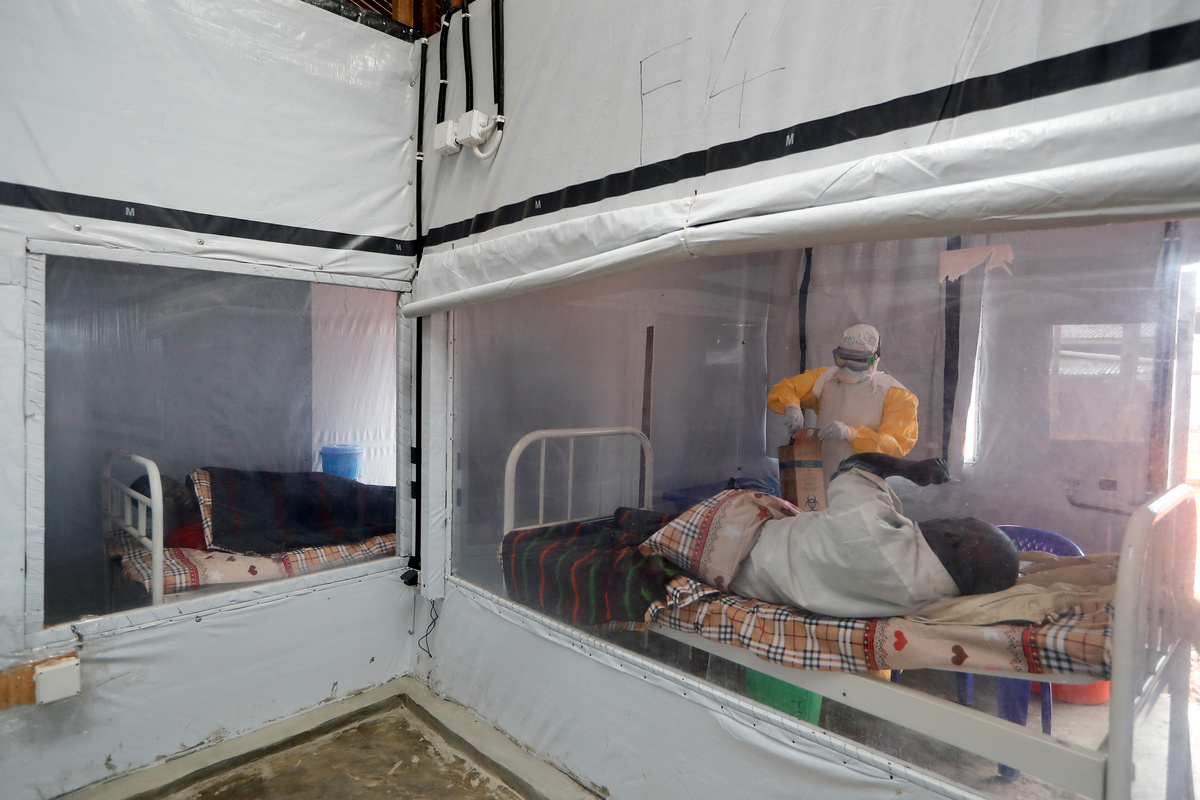
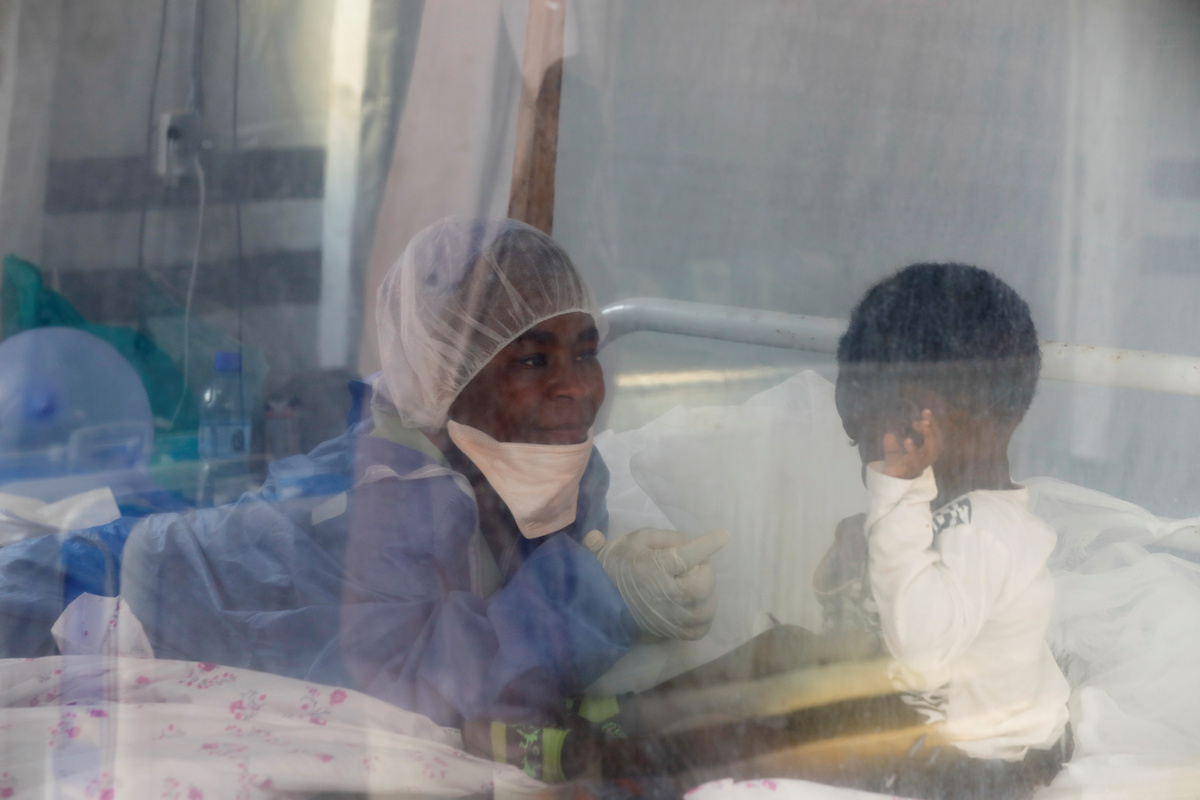
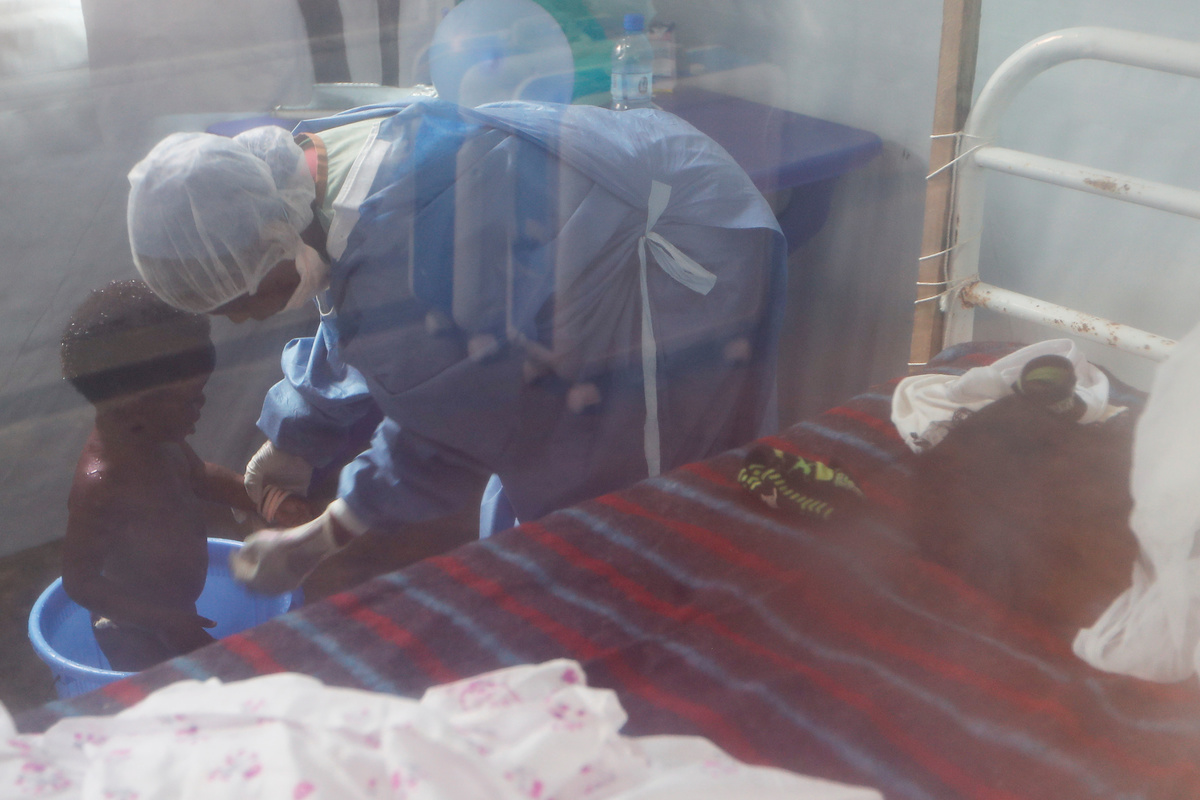
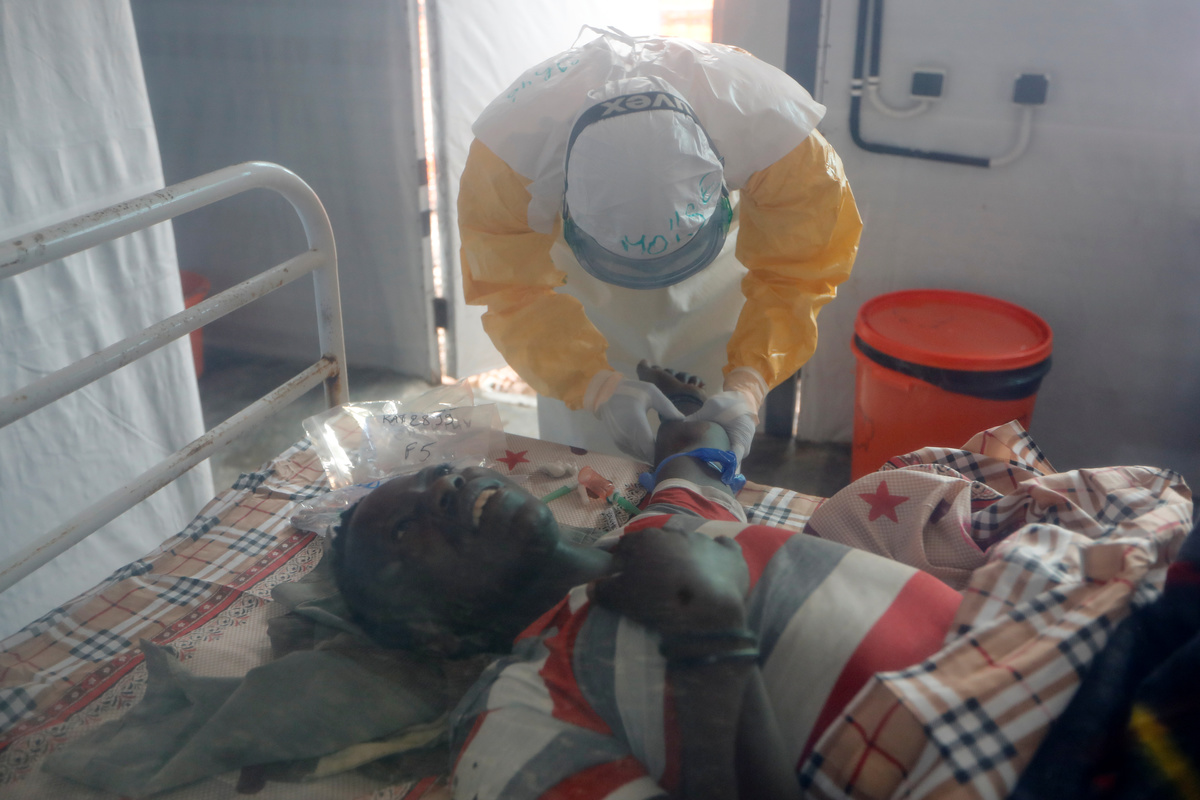
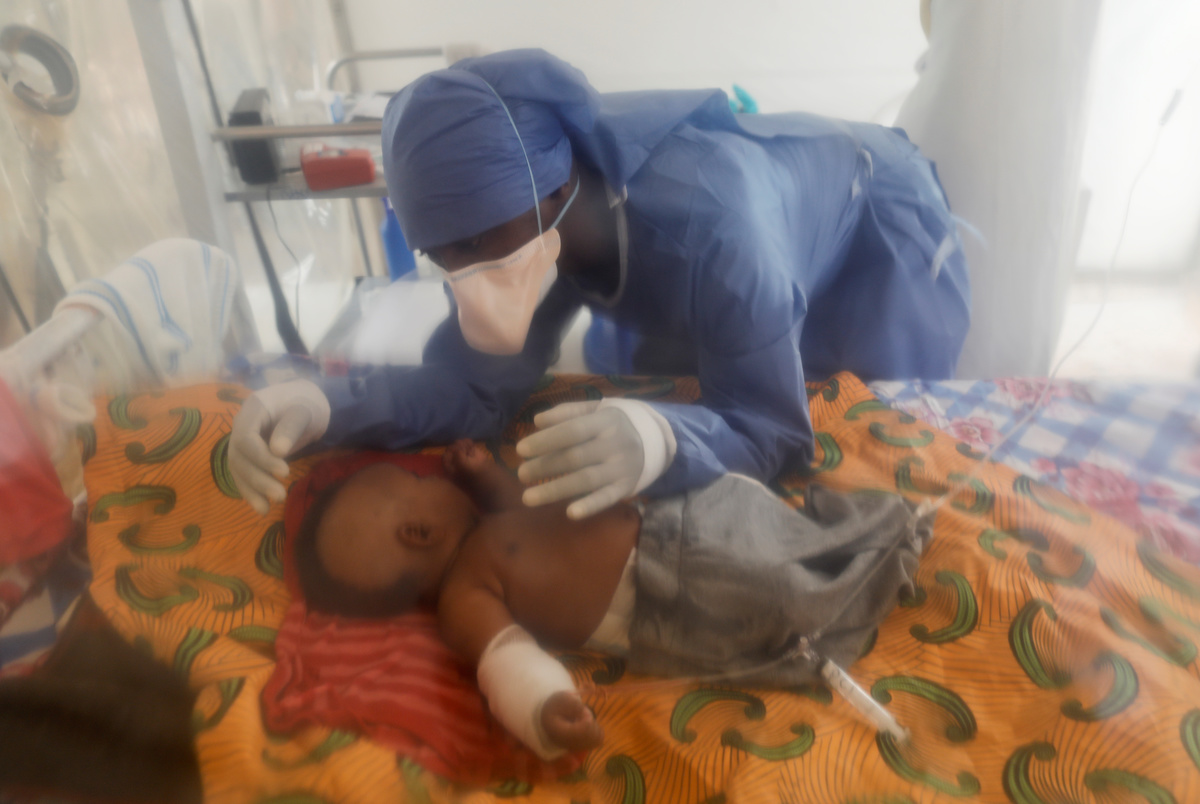
Moise Vaghemi, 33, a father of two children and an Ebola survivor who works as a nurse, tends to a patient who is suspected to be suffering from Ebola, inside the Biosecure Emergency Care Unit (CUBE) at an Ebola treatment centre (ETC) in Katwa, near Butembo, in the Democratic Republic of Congo, October 3, 2019. REUTERS/Zohra Bensemra
Vianey Kombi, 31, was a maths teacher when he contracted Ebola last November. Like Kavugho, he found it impossible to return to his former job and now cares for Ebola patients.
"It hurts when I walk past the school where I was teaching, and the children who recognize me start screaming in my direction: Ebola, Ebola," Kombi said.
"We have all been accused of receiving money to say that we had Ebola," he said. "It hurts a lot when your community treats you as corrupt after you've been at your sickest."
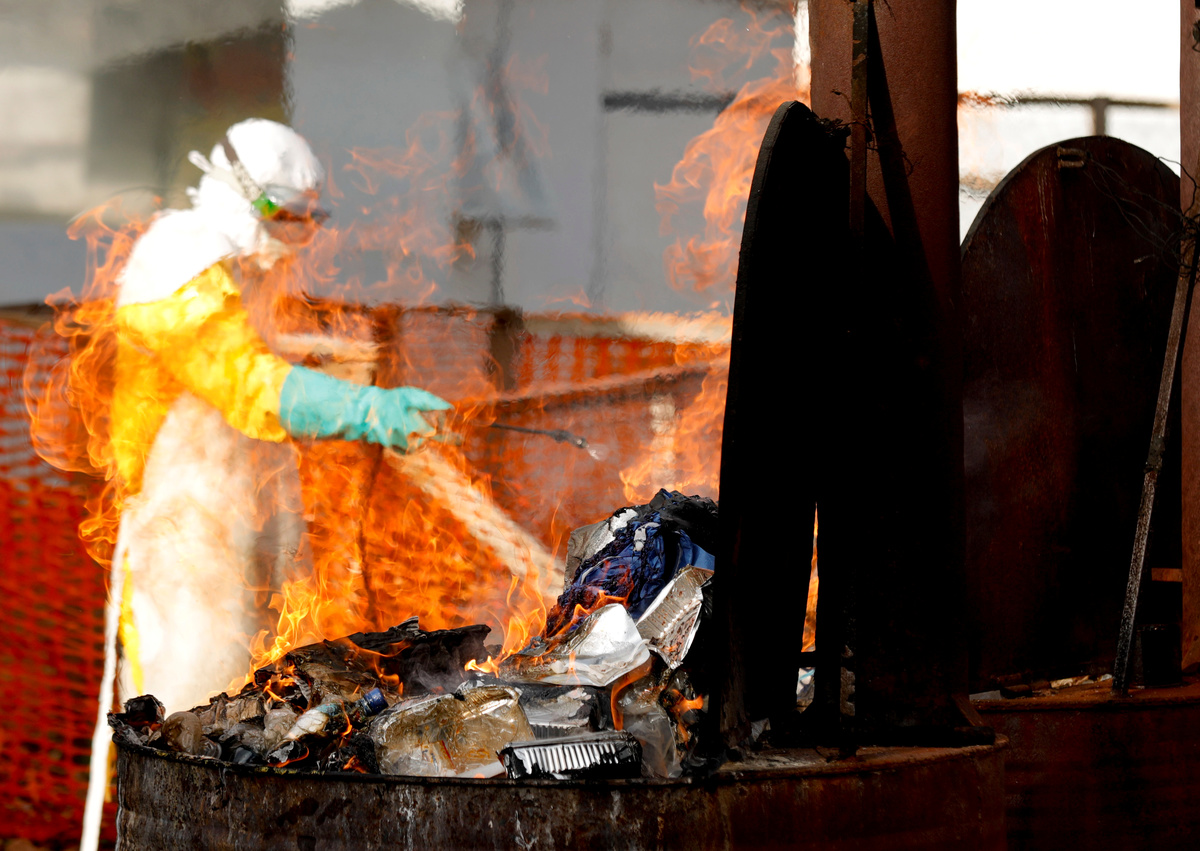
A health worker burns food waste of Ebola patients, removed from Biosecure Emergency Care Units at incineration part of an Ebola treatment center (ETC) in Katwa, near Butembo, in the Democratic Republic of Congo, October 5, 2019. REUTERS/Zohra Bensemra
GIVING BACK
Accusations like this are common in eastern Congo, where many residents see the outbreak as a money-making scheme made up by the government and outside organizations.
Noella Masika Vinyinyi, 30, an Ebola survivor who works as a caregiver, takes care of Angeline Kalala, 1, who is suspected to be suffering from Ebola, inside the Biosecure Emergency Care Unit (CUBE) at an Ebola treatment centre (ETC) in Katwa, near Butembo, in the Democratic Republic of Congo, October 3, 2019. REUTERS/Zohra Bensemra
"I was even accused of having received money to bring people from my community to the treatment center, to kill them with the virus and then sell their organs abroad," said Moise Vaghemi, 33, who survived Ebola in August.
Click this link for photo essay https://reut.rs/2nRVrha
Mistrust and armed attacks against medical staff have slowed efforts to stamp out the epidemic. Even so, health authorities say survivors play a vital role in their communities by showing that Ebola can be overcome.
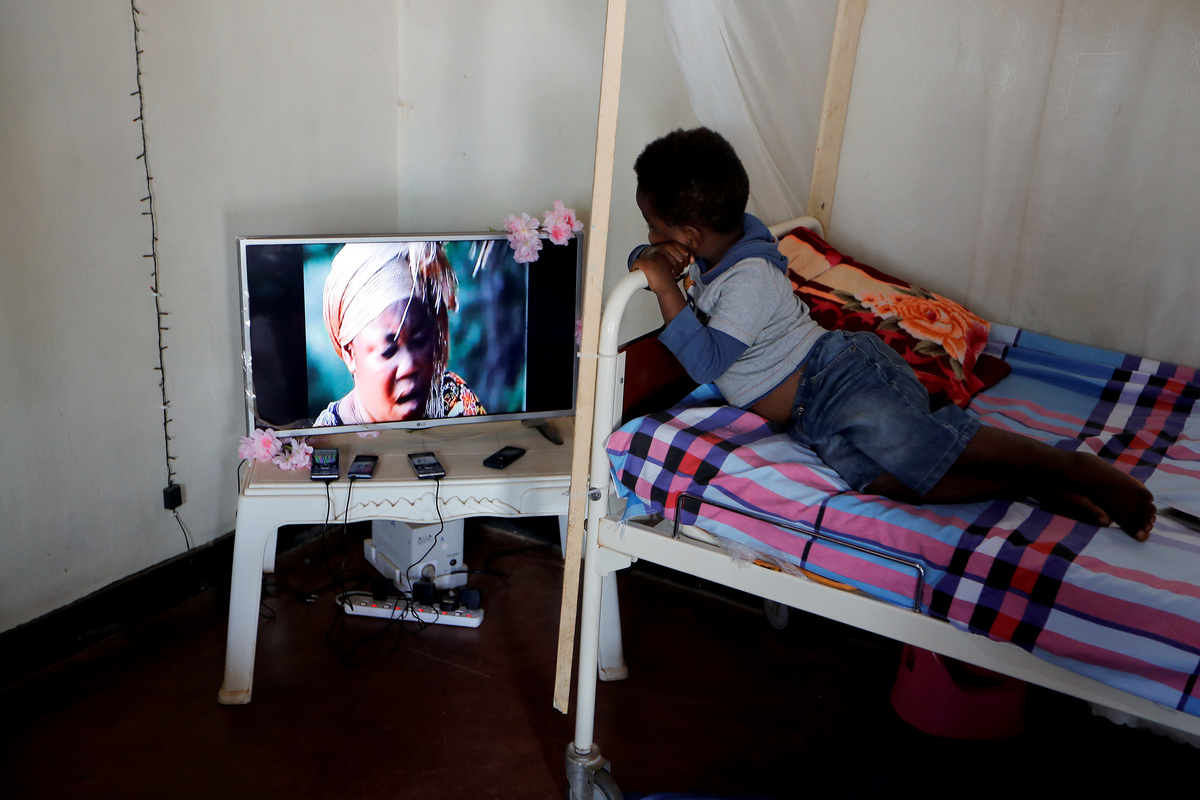
Calvin, 5, an orphan whose mother died recently of Ebola, watches television at a United Nations Children's Fund (UNICEF) creche for children whose families are suspected or confirmed Ebola cases, next to an Ebola treatment centre (ETC) in Beni, in the Democratic Republic of Congo, October 7, 2019. REUTERS/Zohra Bensemra
Some say they draw strength from returning to treatment centers to work as caregivers for children with Ebola, many of whom have lost parents and siblings to the disease.
The antibodies developed during their illness mean they can spend entire days with patients wearing only partial protective gear and not the stifling head-to-toe suits donned by doctors and nurses.
In Katwa, outside of Butembo, Noella Masika, wearing blue scrubs, a surgical mask and a hair net, bathed a 1-year-old girl suspected of having Ebola in a small plastic bucket.
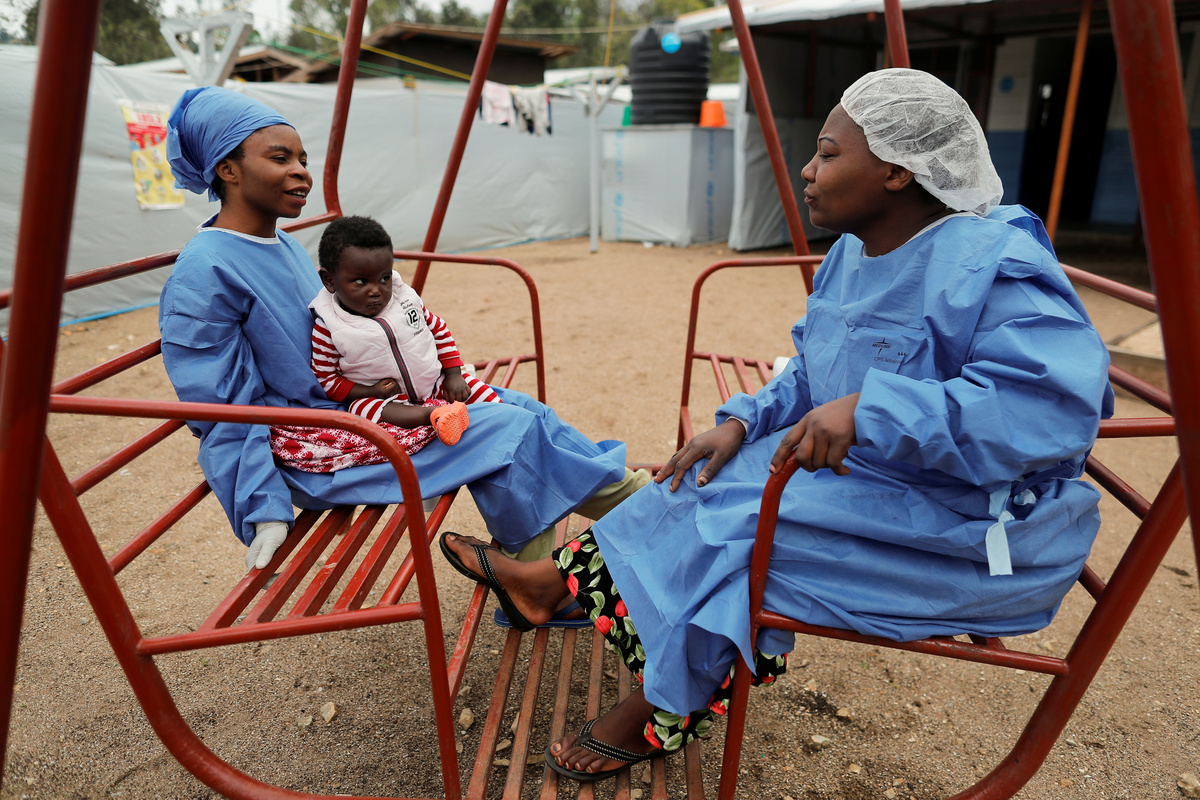
Noella Kavira Kitakya, 26, holding 16-month-old Kambale Eloge, whose mother died of Ebola, talks to Arlette Kavugho, 40, mother of six, in the courtyard of United Nations Children's Fund (UNICEF) creche for children whose families are suspected or confirmed Ebola cases, next to an Ebola treatment centre (ETC) in Katwa, near Butembo, in the Democratic Republic of Congo, October 2, 2019. REUTERS/Zohra Bensemra
Masika lost 17 family members to Ebola, including both parents and two grandparents, but she counts herself fortunate to have survived.
"I feel compassionate and grateful for the care I received," she said. "I feel an obligation to contribute to the fight against Ebola."
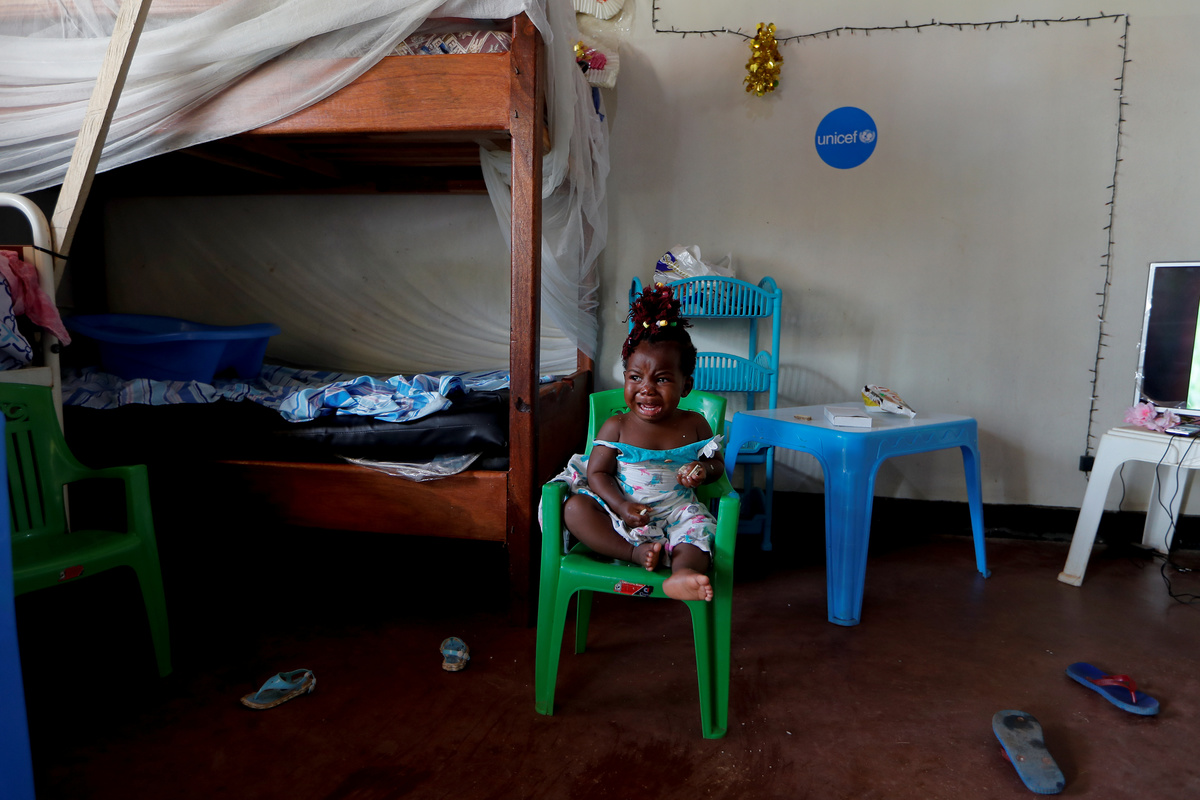
Chamim, 1, an orphan whose mother recently died of Ebola, cries as she sits at a United Nations Children's Fund (UNICEF) creche for children whose families are suspected or confirmed Ebola cases, beside an Ebola treatment centre in Beni, in the Democratic Republic of Congo, October 7, 2019. REUTERS/Zohra Bensemra
(Writing by Aaron Ross; Editing by Emelia Sithole-Matarise)
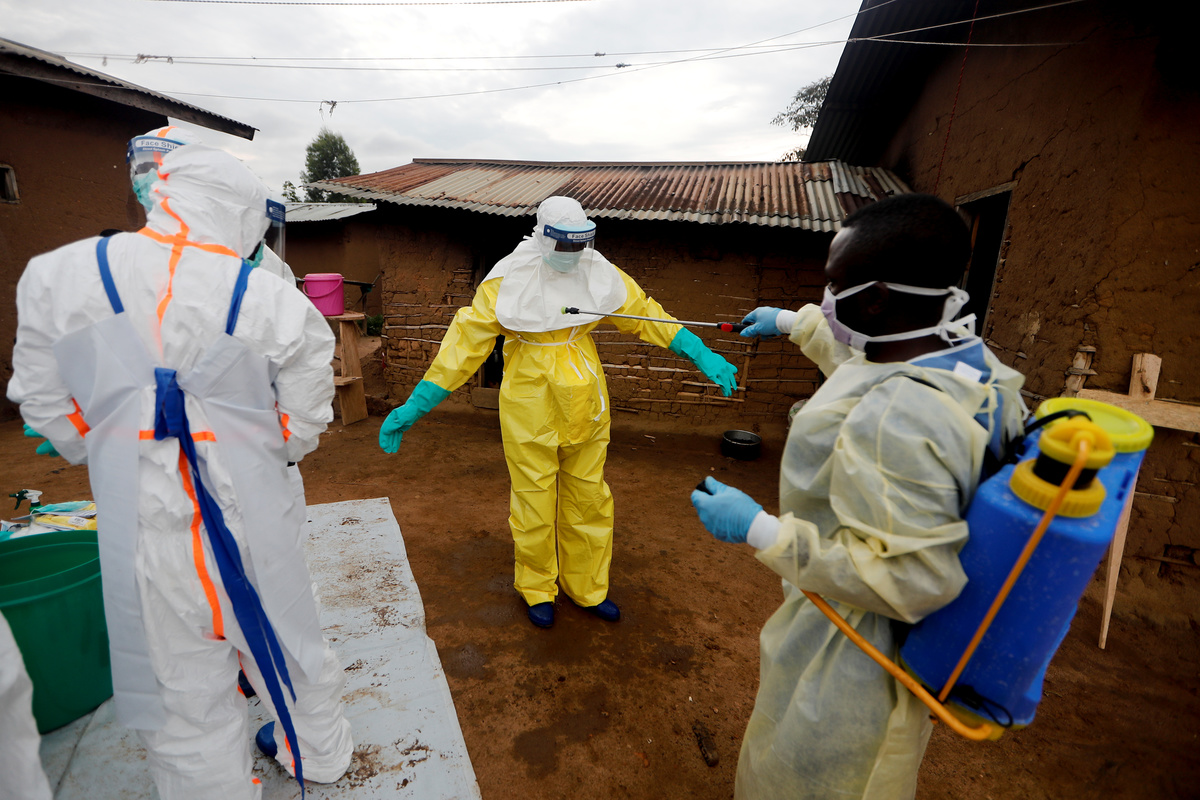
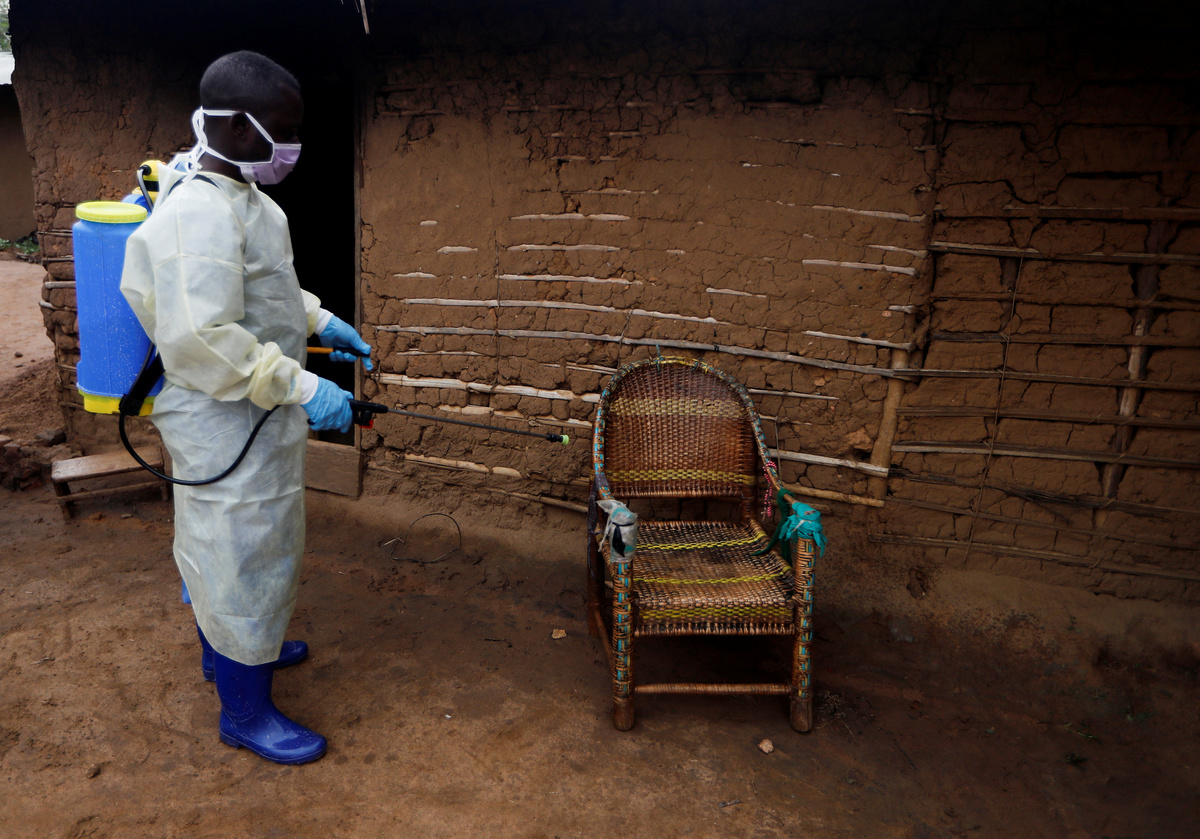
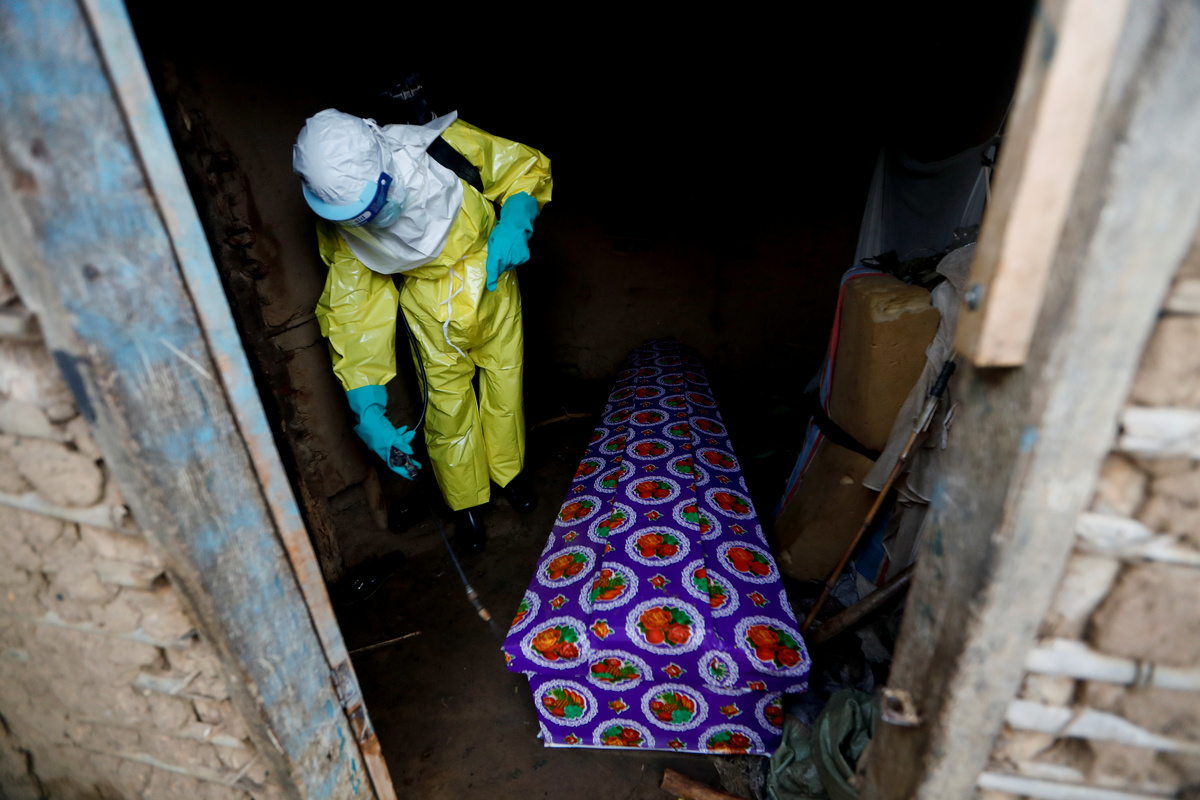
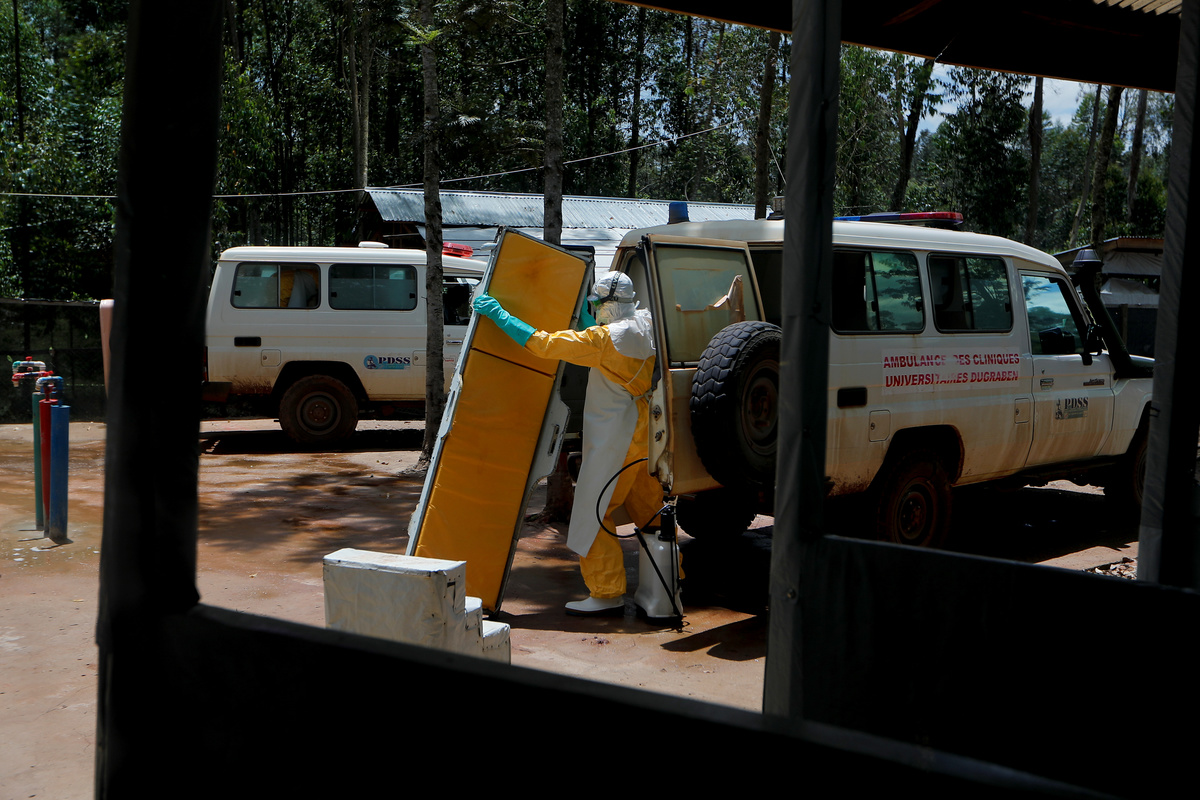
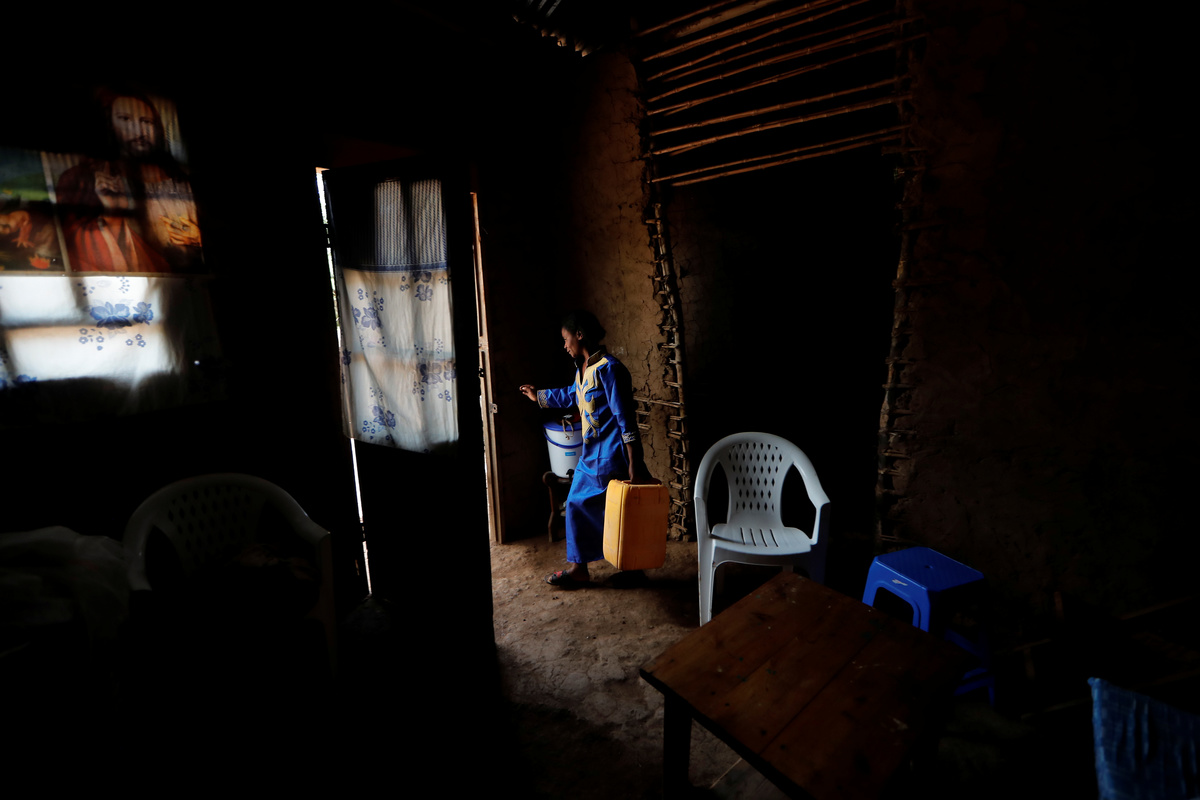
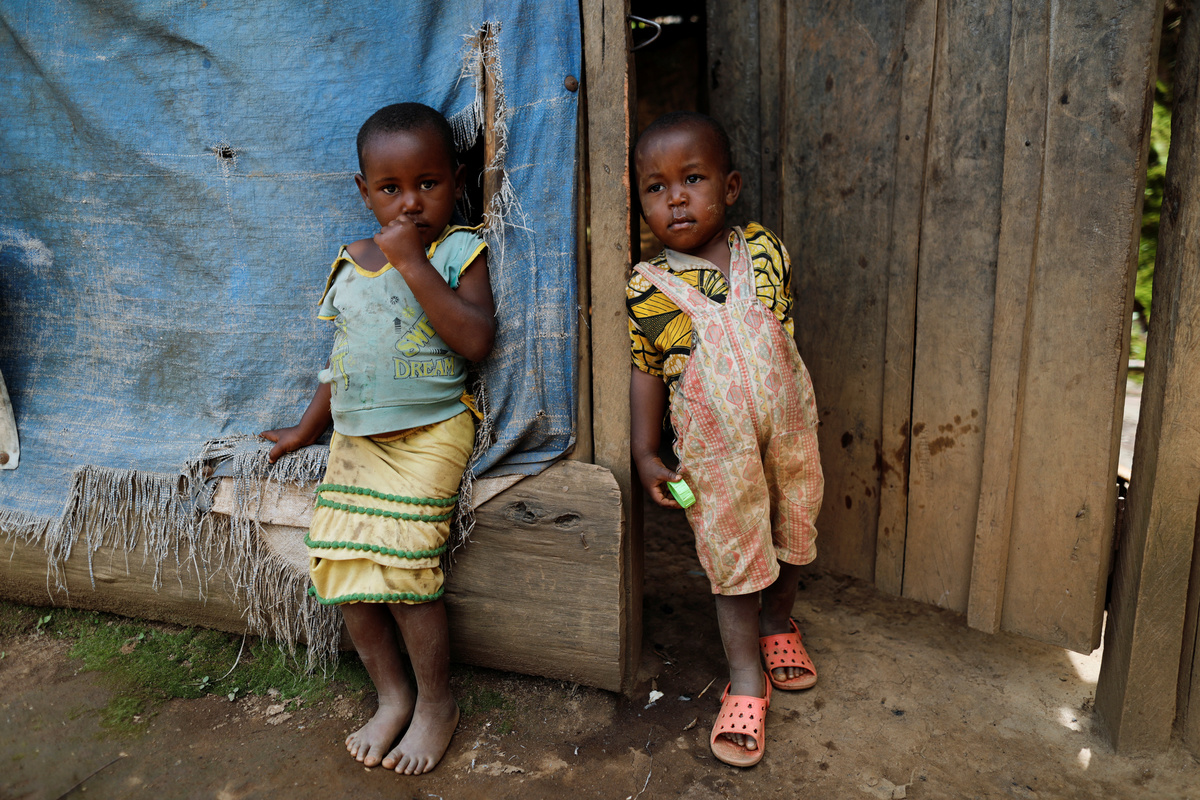
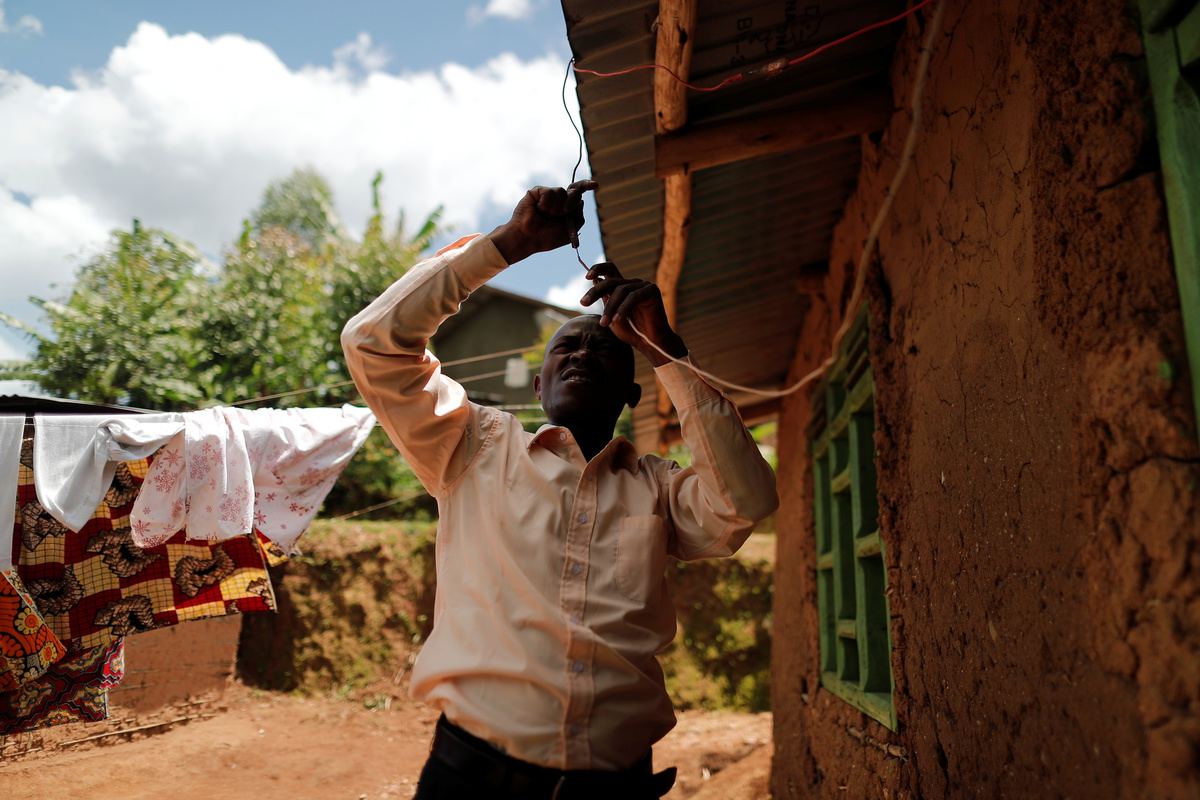
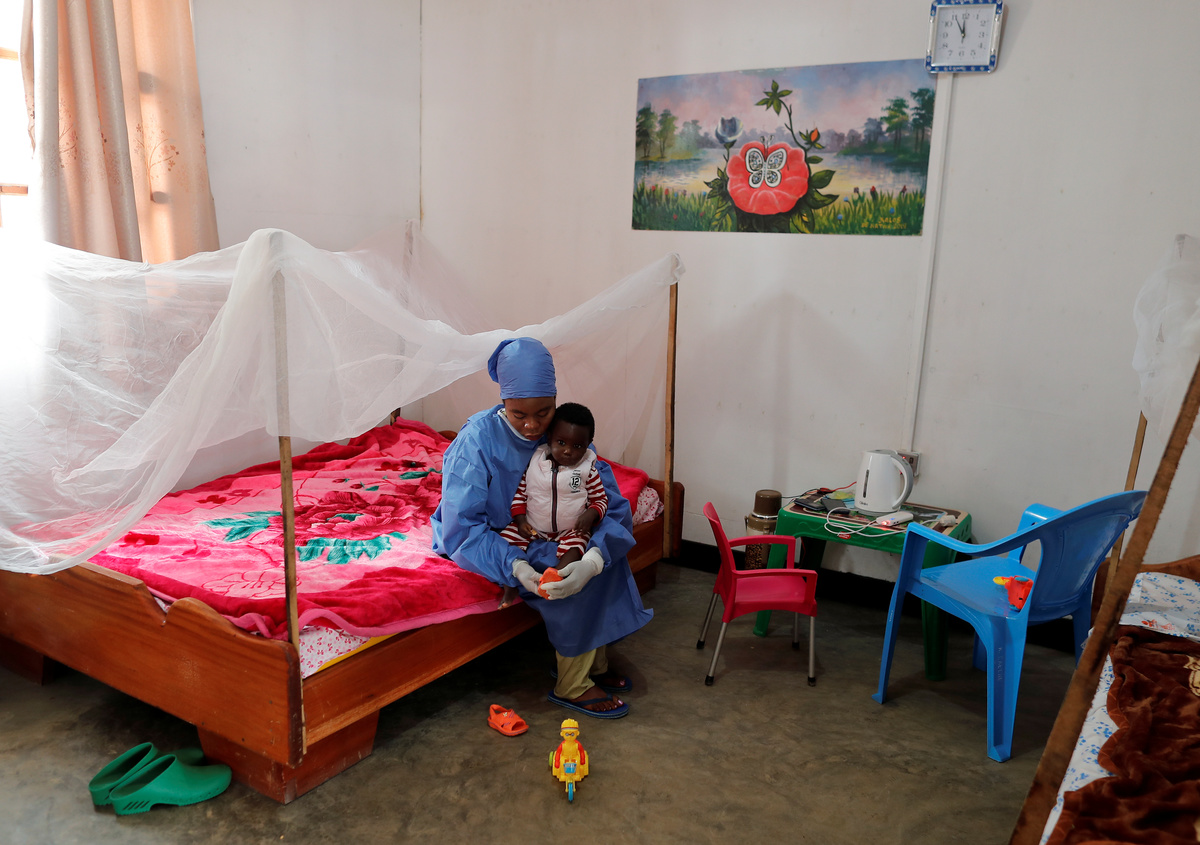
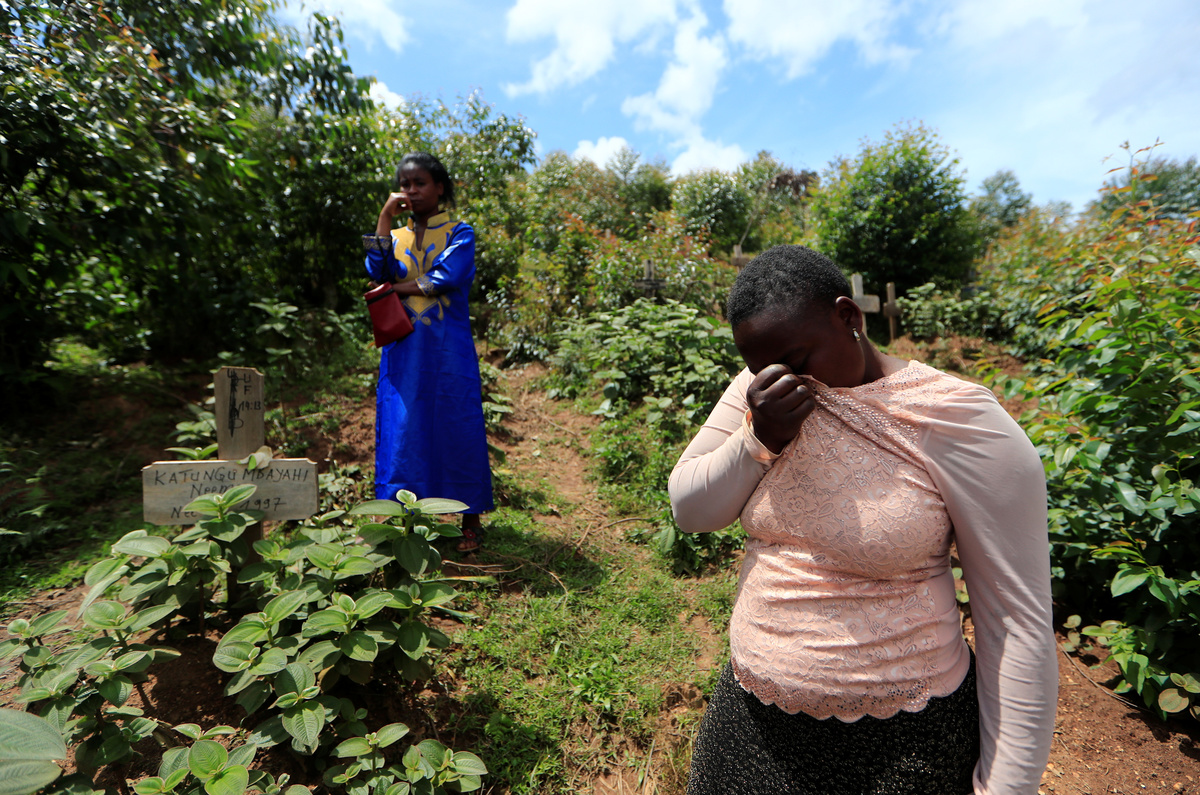
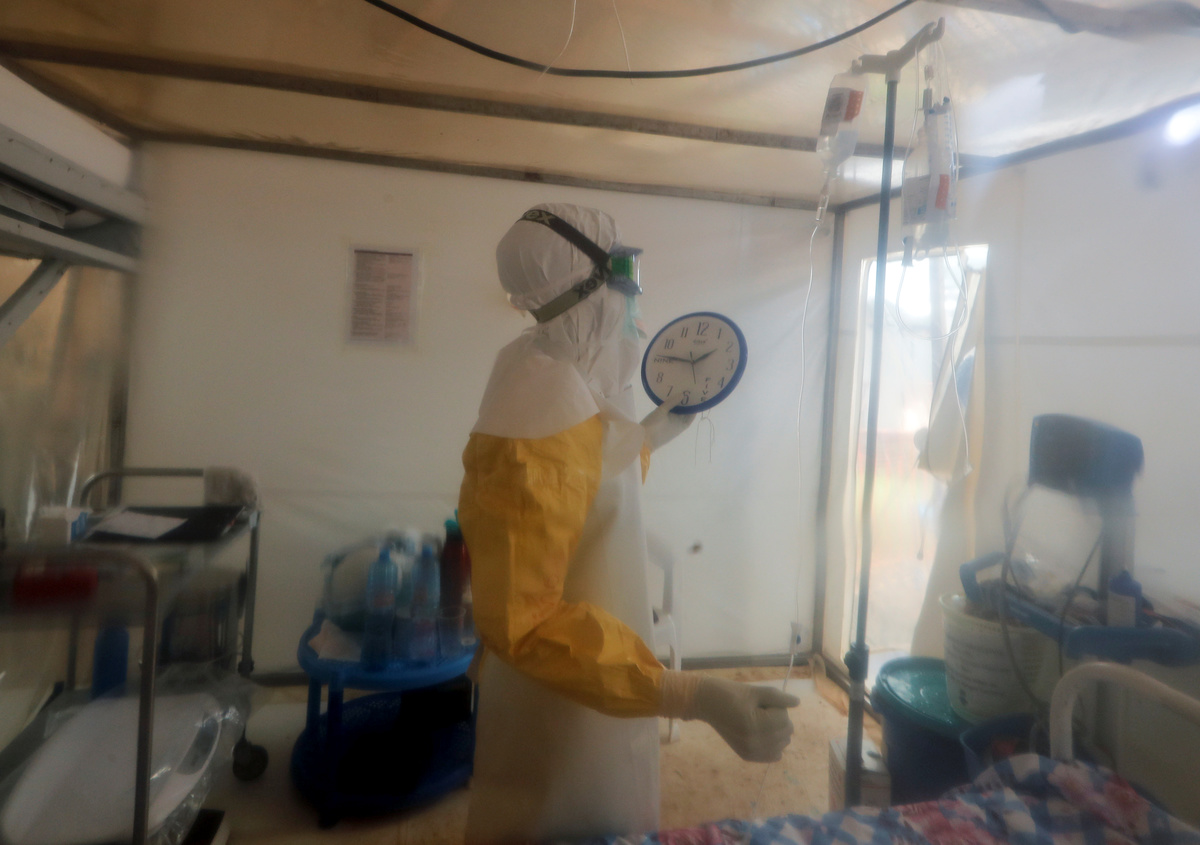
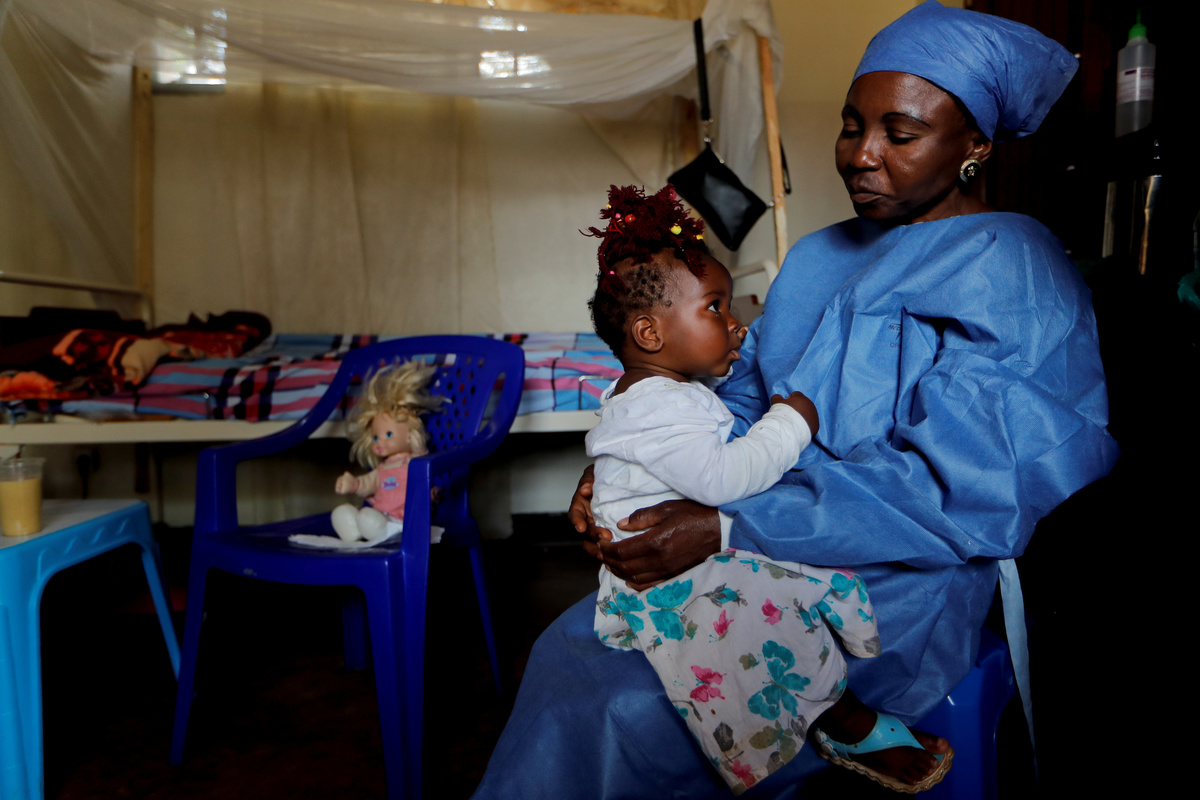
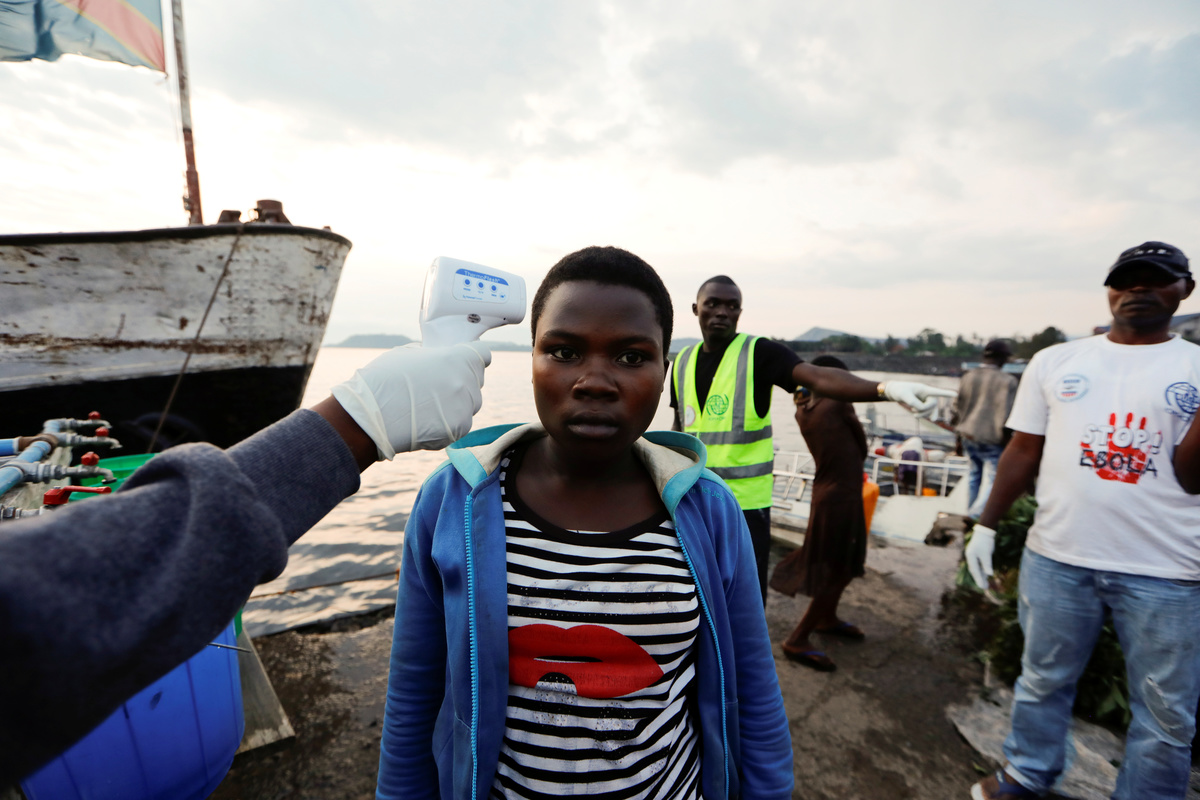
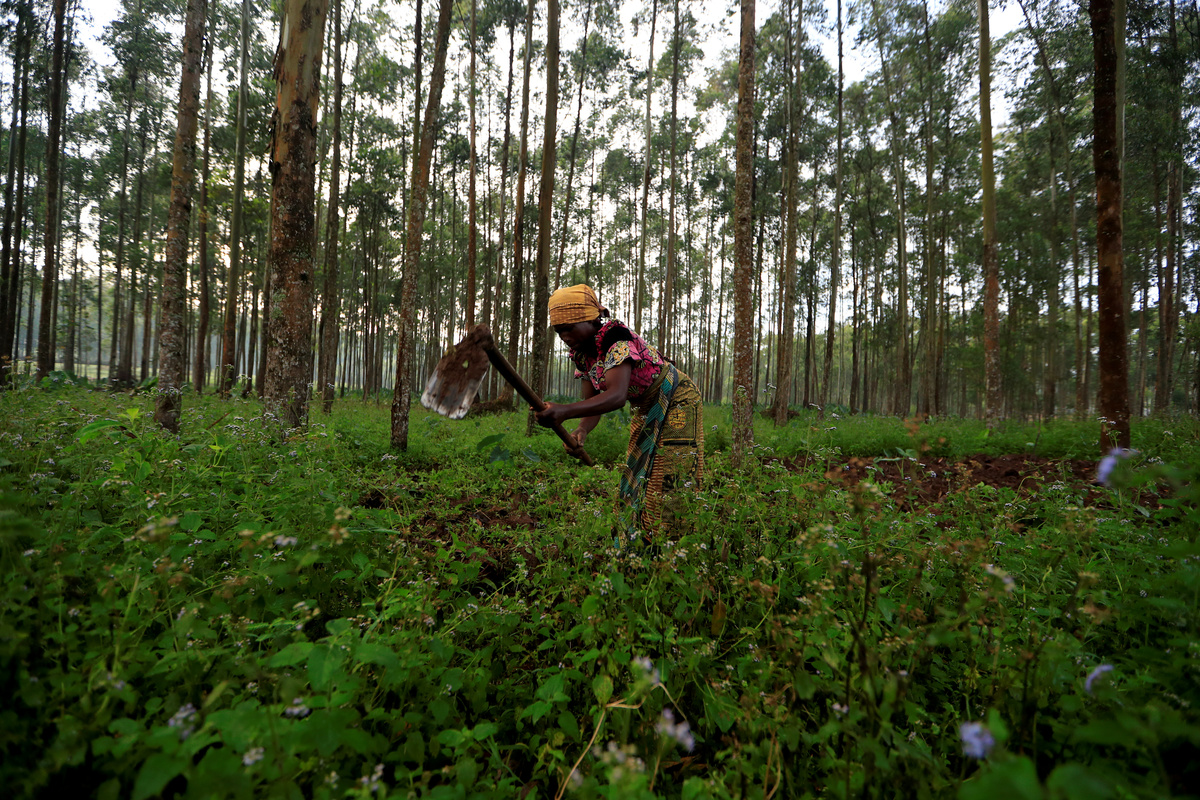
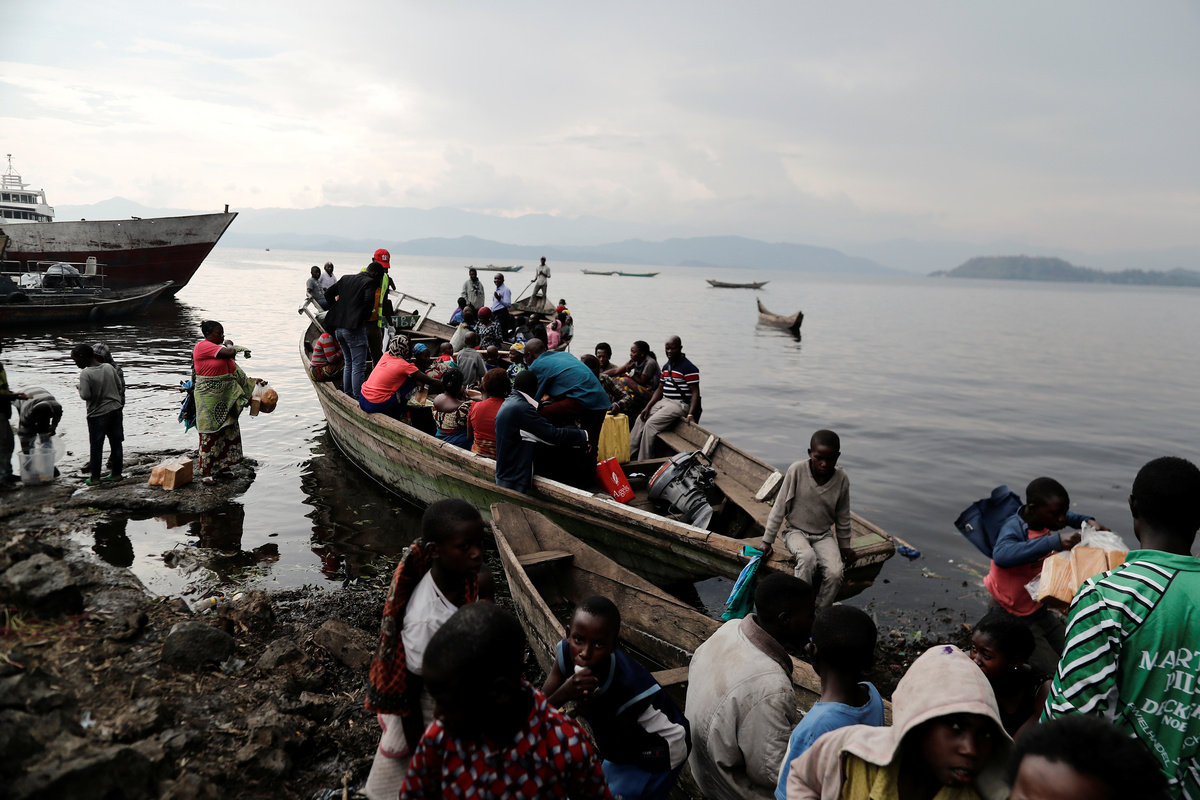
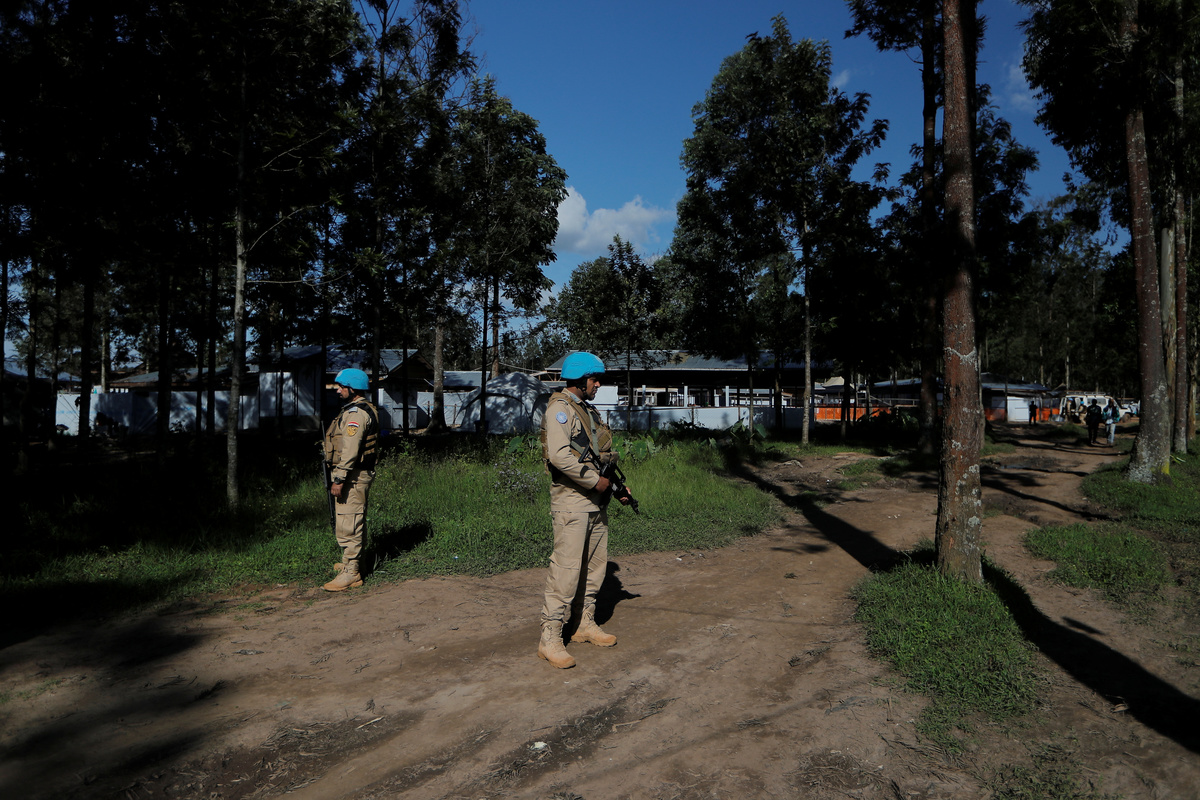
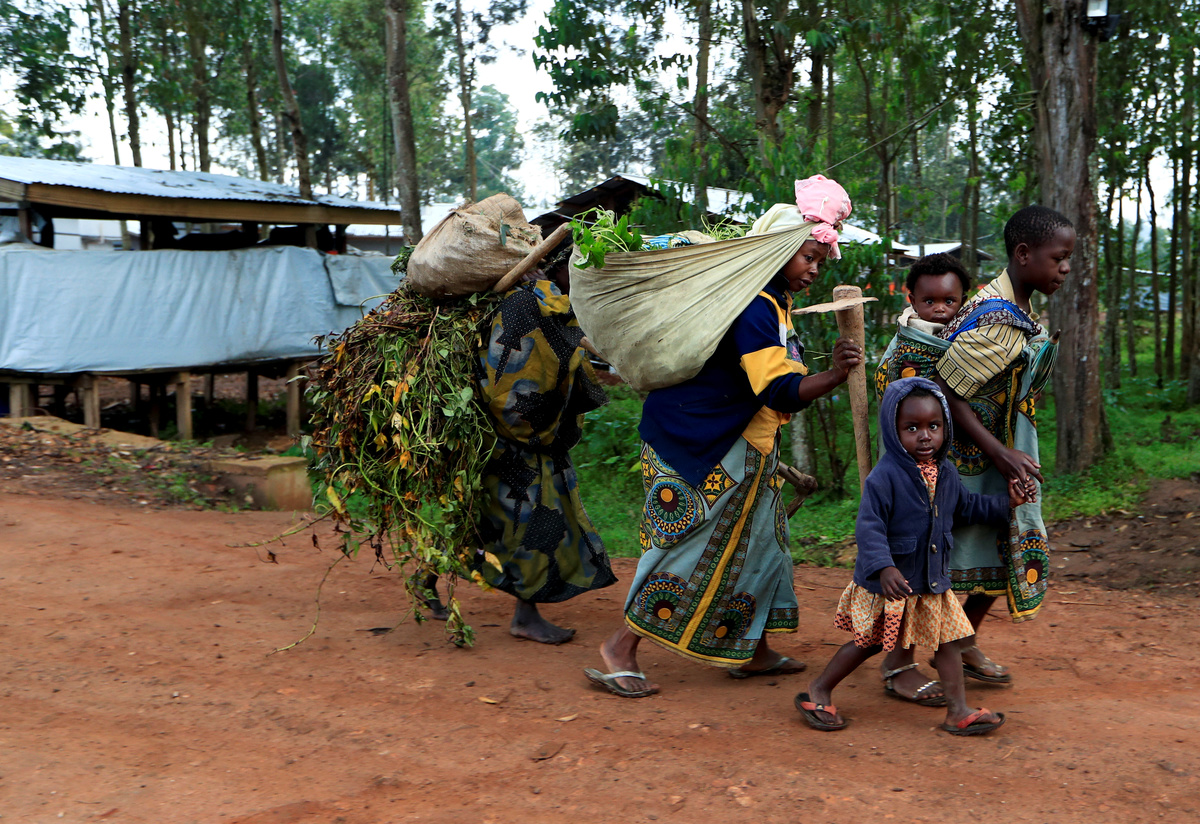
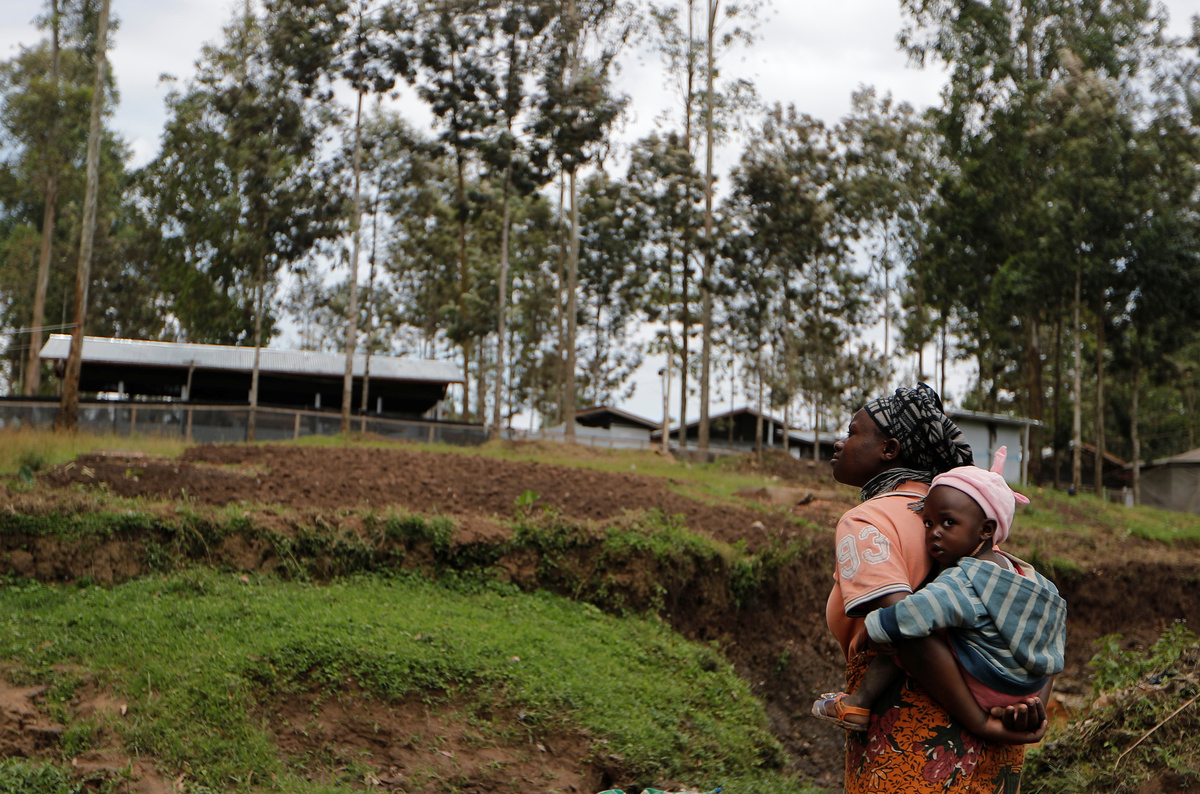
Kavota Mugisha Robert, a healthcare worker, who volunteered in the Ebola response, decontaminates his colleague after he entered the house of 85-year-old woman, suspected of dying of Ebola, in the eastern Congolese town of Beni in the Democratic Republic of Congo, October 8, 2019. REUTERS/Zohra Bensemra Kavota Mugisha Robert, a healthcare worker, who volunteered in the Ebola response, decontaminates a chair that was used by an 85-year-old woman, suspected of dying of Ebola, outside her house in the eastern Congolese town of Beni, in the Democratic Republic of Congo, October 8, 2019. REUTERS/Zohra Bensemra A healthcare worker, who volunteered in the Ebola response, sprays the coffin of a 85-year-old woman suspected of dying of Ebola, outside her house in the eastern Congolese town of Beni, in the Democratic Republic of Congo, October 8, 2019. REUTERS/Zohra BensemraA health worker disinfects an ambulance stretcher after bringing a patient who is suspected to be suffering from Ebola, at an Ebola Treatment Center (ETC) in Katwa, near Butembo, in the Democratic Republic of Congo, October 3, 2019. REUTERS/Zohra Bensemra Noella Masika Vinyinyi, 30, an ebola survivor who works as a caregiver at an Ebola treatment centre (ETC), carries a jerrycan of water as she walks out of her house in Katwa, near Butembo, in the Democratic Republic of Congo, October 4, 2019. Masika survived Ebola in June 2019. REUTERS/Zohra Bensemra Children of Noella Masika Vinyinyi, 30, an Ebola survivor who works as a caregiver at an Ebola treatment centre (ETC), stand outside their house in Katwa, near Butembo, in the Democratic Republic of Congo, October 4, 2019. REUTERS/Zohra Bensemra Noella Masika Vinyinyi, 30, an Ebola survivor who works as a caregiver, takes care of Angeline Kalala, 1, who is suspected to be suffering from Ebola, inside the Biosecure Emergency Care Unit (CUBE) at an Ebola treatment centre (ETC) in Katwa, near Butembo, in the Democratic Republic of Congo, October 3, 2019. Masika survived Ebola in June 2019. REUTERS/Zohra Bensemra .Moise Vaghemi, 33, a father of two children and an Ebola survivor who works as a nurse at an Ebola treatment centre (ETC), fixes electric cables outside his house in Katwa, near Butembo, in the Democratic Republic of Congo, October 3, 2019. REUTERS/Zohra Bensemra Noella Kavira Kitakya, 26, an Ebola survivor who works as a caregiver, puts a shoe on a child whose mother died of Ebola at the United Nations Children's Fund (UNICEF) creche for children whose families are suspected or confirmed Ebola cases, next to an Ebola treatment centre in Katwa, near Butembo, in the Democratic Republic of Congo, October 2, 2019. REUTERS/Zohra Bensemra Moise Vaghemi, 33, a father of two children and an Ebola survivor who works as a nurse, tends to a patient who is suspected to be suffering from Ebola, inside the Biosecure Emergency Care Unit (CUBE) at an Ebola treatment centre (ETC) in Katwa, near Butembo, in the Democratic Republic of Congo, October 3, 2019. REUTERS/Zohra Bensemra Eugenie Katungu Kavuya, 21, and her cousin Noella Masika Vinyinyi, 30, both Ebola survivors who work as caregivers at an Ebola treatment centre (ETC), react as they stand next to Kavuya's parents' graves, who died of Ebola, at Vuhunga cemetery in Katwa, near Butembo, in the Democratic Republic of Congo, October 4, 2019. REUTERS/Zohra Bensemra Grace, a health worker, uses a clock to time an intravenous drip for a three-month-old orphan girl who is confirmed to be suffering from Ebola, inside the Biosecure Emergency Care Unit (CUBE) at Medecins Sans Frontieres (MSF) Ebola treatment center (ETC) in Beni, in the Democratic Republic of Congo, October 6, 2019. REUTERS/Zohra Bensemra Eugenie Katungu Kavuya, 21, an Ebola survivor who works as a caregiver, smiles as she carries a child who is suspected to be suffering from Ebola, and is separated from his mother at an Ebola treatment centre (ETC) in Katwa, near Butembo, in the Democratic Republic of Congo, October 4, 2019. Kavuya survived Ebola in June, 2019. REUTERS/Zohra Bensemra Kitambala Kavugho, 38, an Ebola survivor who works as a caregiver, takes care of one-year-old Chamim, an orphan whose mother recently died of Ebola, at the United Nations Children's Fund (UNICEF) creche for children whose families are suspected or confirmed Ebola cases, next to an Ebola treatment centre in Beni, in the Democratic Republic of Congo, October 7, 2019. REUTERS/Zohra Bensemra Mike Ndinga, 25, a health worker, directs people as his colleague checks the temperature of a citizen as part of the Ebola screening procedure upon her arrival from the South, to the North of Lake Kivu in Kituku, crossing point in Goma, the capital of North Kivu, eastern Democratic Republic of Congo, September 29, 2019. REUTERS/Zohra Bensemra Farmer Nzyava, 49, works on her land next to an Ebola treatment center (ETC) in Katwa, near Butembo, in the Democratic Republic of Congo, October 5, 2019. Nzyava did not suffer from Ebola but lost neighbours. REUTERS/Zohra Bensemra A health worker collects the names of citizens and checks their temperatures as part of the Ebola screening procedure upon their arrival from the South to the North of Lake Kivu, in Kituku, crossing point in Goma, the capital of North Kivu, eastern Democratic Republic of Congo, September 29, 2019. REUTERS/Zohra Bensemra Egyptian peacekeepers serving in The United Nations Organization Stabilization Mission in the Democratic Republic of the Congo (MONUSCO), patrol near an Ebola treatment center (ETC) in Katwa, near Butembo, in the Democratic Republic of Congo, October 5, 2019. REUTERS/Zohra Bensemra People walk past an Ebola treatment center (ETC) in Katwa, near Butembo, in the Democratic Republic of Congo, October 5, 2019. REUTERS/Zohra Bensemra Vianey Kombi, 31, An Ebola survivor and caregiver, takes care of a three-month-old orphan girl who is confirmed to be suffering from Ebola, inside the Biosecure Emergency Care Unit (CUBE) at Medecins Sans Frontieres (MSF) Ebola treatment center (ETC) in Beni, in the Democratic Republic of Congo, October 6, 2019. REUTERS/Zohra Bensemra A woman holds her daughter in front of an Ebola treatment center (ETC) in Katwa, near Butembo, in the Democratic Republic of Congo, October 5, 2019. REUTERS/Zohra Bensemra
Sign up to read this article
Read news from 100’s of titles, curated specifically for you.