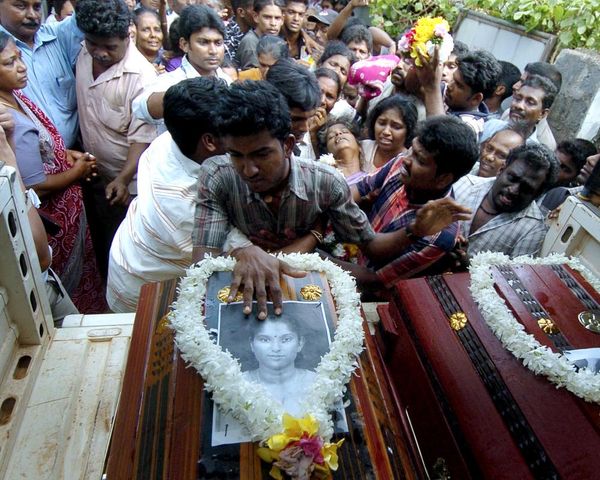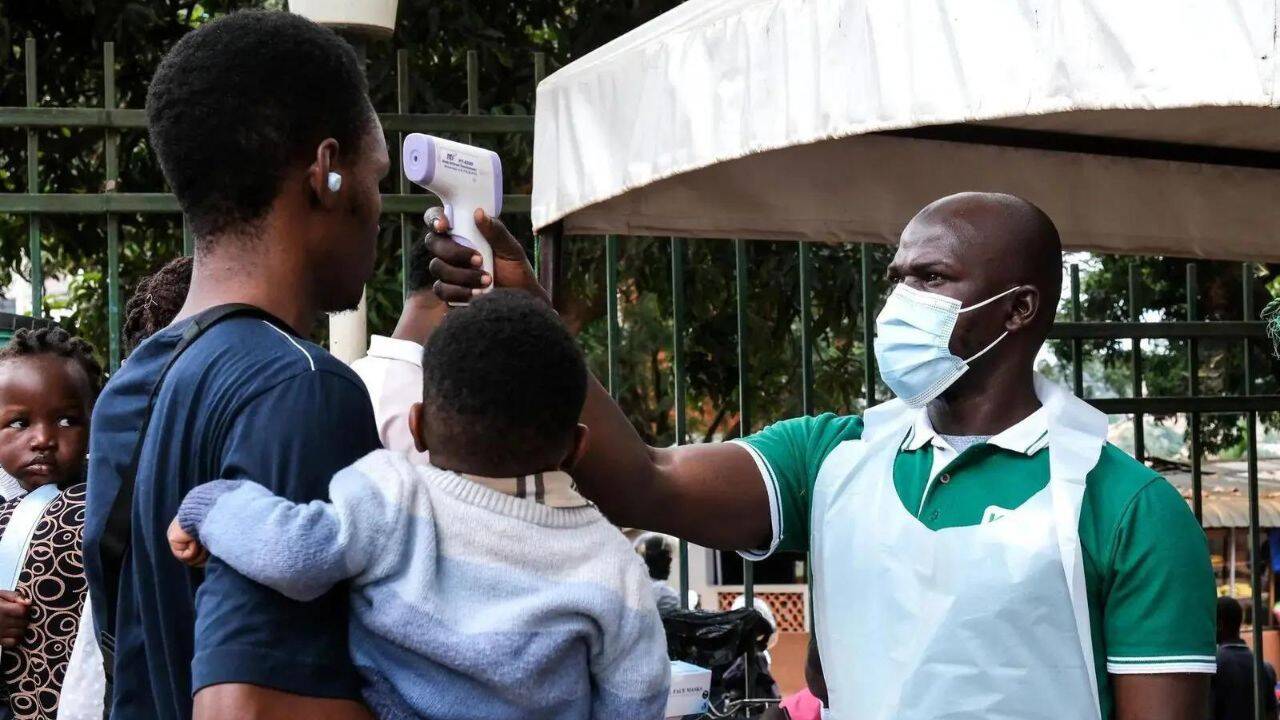
The World Health Organization (WHO) on Friday said that 75 healthcare workers have been infected with Ebola in the Democratic Republic of Congo since the start of the current outbreak, with 17 of them succumbing to the disease.
Get breaking news anytime, anywhere. Download the TOI app now!
Speaking via video link from eastern Congo during a press briefing, WHO emergency director Marie Roseline Belizaire described the situation as deeply distressing, highlighting the risks faced by frontline medical personnel battling the outbreak. , according to Reuters.
"When they are explaining to you how they live it, how they were infected, it can break your heart," Belizaire said, referring to the experiences shared by affected health workers.
Healthcare workers remain among the most vulnerable during Ebola outbreaks because of their close contact with infected patients and bodily fluids.
What is Ebola virus?
Ebola is a serious and deadly virus transmitted by animals and humans. It was first discovered in Sudan and the Democratic Republic of Congo in 1976. Despite the fact that the Ebola virus has been around for more than 35 years, the largest outbreak occurred in March 2014 in West Africa.
This outbreak has been found to be more lethal, severe, and widespread than previous outbreaks. While the number of cases has decreased significantly since the peak of the outbreak, there is still a risk of new outbreaks.
Symptoms typically include sudden fever, severe weakness, muscle pain, headaches, sore throat, loss of appetite.
Congo's long battle
The Democratic Republic of Congo has experienced multiple Ebola outbreaks over the past decade, making it one of the countries most frequently affected by the virus.
As of the latest data provided by the government, the total number of confirmed Ebola cases in the Democratic Republic of the Congo (DRC) has risen to 896, including 232 deaths
The WHO and Congolese health officials are continuing efforts to trace contacts, strengthen treatment facilities and protect frontline healthcare workers.
Authorities hope that rapid detection, vaccination and community awareness measures will help bring the current outbreak under control and prevent further loss of life.