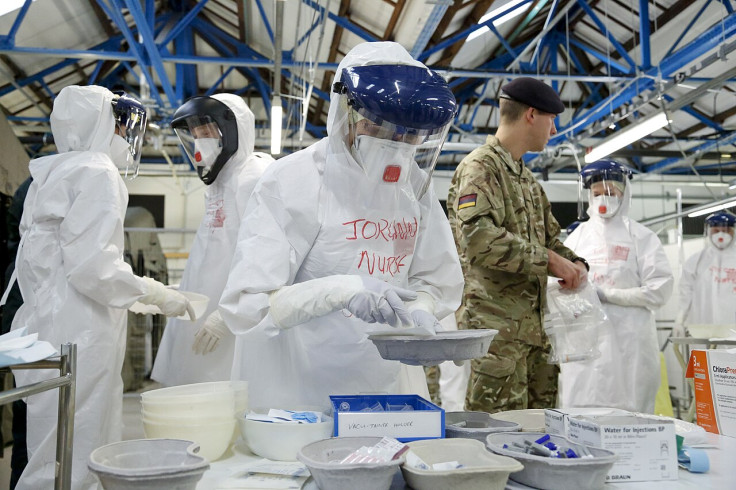
Global health authorities are on high alert as a rapidly escalating public health crisis threatens to cross international borders. The 2026 Ebola outbreak, currently devastating the Democratic Republic of Congo, is drawing severe warnings from top medical experts worldwide.
Global health officials fear the highly contagious and deadly virus will soon spread rapidly beyond its current epicentre, prompting immediate concern for broader international security. With new infections surging, governments are rushing to implement rigorous preventative measures before the situation deteriorates further.
Former CDC Director Issues Ebola Outbreak Warning
During a recent televised interview, prominent virologist and former Centers for Disease Control and Prevention Director Robert Redfield delivered a sobering assessment of the situation. He cautioned that the current containment strategies might not be sufficient to halt the advancing pathogen.
'I suspect this is going to become a very significant pandemic, probably going to leak into Tanzania, leak into southern Sudan, maybe leak into Rwanda,' Redfield said during an appearance on NewsNation's 'Elizabeth Vargas Reports.' The former official stressed the absolute urgency of immediate international cooperation to mitigate the impending fallout.
In Congo and Uganda, there are already 34 confirmed cases and 134 suspected deaths from the outbreaks. Local health officials are also monitoring 536 suspected cases and 105 probable cases. Redfield clarified that it was definitely an 'outbreak' and this time, it did not cross their radar until there were over 100 cases.
'This is an outbreak right now that is really a significant outbreak that's of significant public health international concern, partially because what you said, it wasn't recognised very quickly. I'm not sure why,' he explained.
Redfield emphasised that neighbouring nations must prepare for immediate cross-border transmissions to avoid systemic collapse. 'So, it's going to be very disruptive,' he added, highlighting the profound economic and social paralysis that typically accompanies such severe outbreaks.
This can be true, especially as many are expected to travel this summer for the World Cup.
JUST IN: Former CDC Director warns Ebola is “moving very rapidly” & could become a “very significant pandemic.”
— Polymarket (@Polymarket) May 21, 2026
First American Ebola Case in 2026
The reality of the threat hit closer to home recently, marking a critical turning point in the international response. One American worker reportedly came in contact with the virus while working in Congo and was transported to Germany for treatment.
This alarming development has forced federal authorities to enact stringent border control protocols to protect citizens. On Thursday, the State Department issued a travel advisory requiring that all U.S.-bound American citizens and lawful permanent residents who have been in Congo, Uganda or South Sudan within 21 days of arrival in the US go through 'enhanced public health screening' carried out by the CDC and US Customs and Border Protection, per NBCDFW.
The rapid deployment of these comprehensive screening procedures perfectly illustrates the absolute commitment of the government to preventing a domestic outbreak.
Understanding the Ebola Virus: Deadly Symptoms, Transmission, and Fatality Rates
Ebola virus disease is a rare but incredibly severe illness that frequently proves fatal for humans. The pathogen primarily transmits through direct physical contact with the blood or bodily fluids of an infected symptomatic person.
It can also spread through exposure to contaminated objects, making stringent sanitation protocols absolutely essential for maintaining optimal public safety. Early symptoms often mimic other common illnesses, initially presenting as sudden fever, intense fatigue, severe muscle pain, and a highly uncomfortable sore throat.
As the disease progresses, patients rapidly develop more alarming conditions such as vomiting, diarrhoea, impaired kidney function, and significant internal bleeding. The fatality rate is notoriously high, historically ranging from twenty-five to ninety percent depending upon the specific viral strain involved in the regional transmission.
The current outbreak is caused by Bundibugyo virus. Symptoms of Bundibugyo Ebola include fever, headache, vomiting, severe weakness, abdominal pain, nosebleeds, vomiting blood and even death. According to the CDC, it has a death rate between 25% and 50% and worse, there's no vaccine available for it at present.
'This strain, unfortunately, there's no vaccine for it, and it's not very well, there's not a lot of research about it because it's a relatively new strain. It was first reported 20 years ago,' said Dr. Thomas Giordano, a professor of medicine and infectious diseases at Baylor College of Medicine
Prompt medical intervention and aggressive supportive care are vital for improving a patient's chances of survival. Global health organisations are currently reviewing monitoring data closely to track the disease.