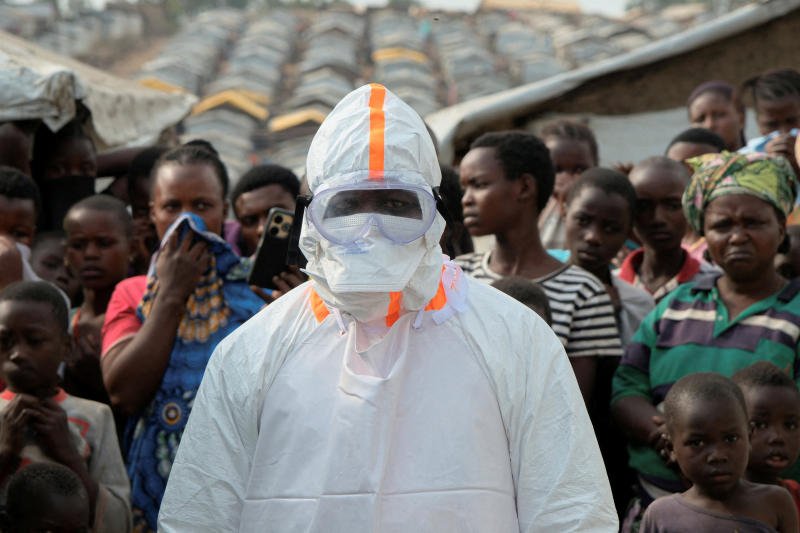
JOHANNESBURG — The Democratic Republic of Congo said late on Monday that confirmed Ebola cases in the country had reached 1,048, including 267 deaths.
On Sunday, the number of confirmed cases surpassed 1,000 for the first time since the outbreak began.
The African country's National Institute of Public Health (INSP) confirmed a fatality rate of 25%.
The latest outbreak of the deadly haemorrhagic fever was declared on May 15, 2026.
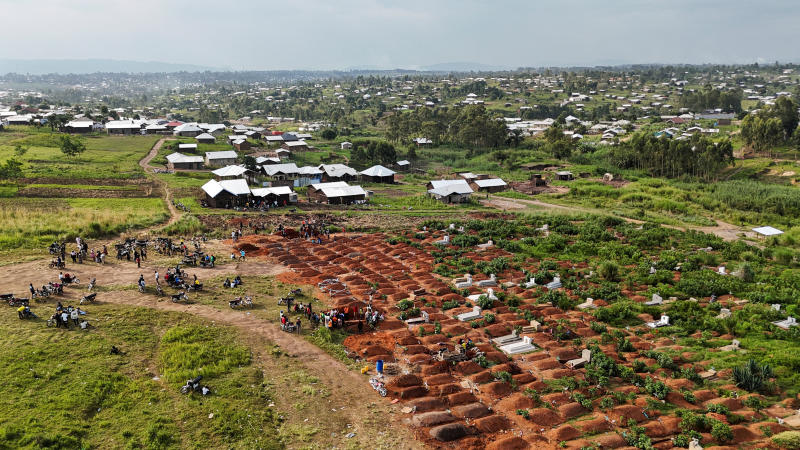
Almost all cases are in Ituri province in the northeast, a conflict-weary region plagued by armed groups.
In total, three provinces have been affected: Ituri, neighbouring North Kivu and South Kivu, home to around 15 million people.
The virus has also spread to neighbouring Uganda, where the World Health Organisation (Who) has recorded 20 cases and two deaths, though Kampala said the situation was "under control" earlier this month.
The outbreak is caused by the rare Bundibugyo strain of the virus, for which there is no vaccine or specific treatment.
Existing Ebola vaccines, developed between 2018 and 2019, are only effective against the Zaire strain, which caused previous major outbreaks.
The Who has declared an international public health emergency, warning the outbreak could last months.
"The outbreak was declared around two months after the first suspected deaths were reported... During that time, the disease spread unchecked in ways we still don't fully understand," an international aid group representative told Agence France-Presse (AFP), speaking anonymously.