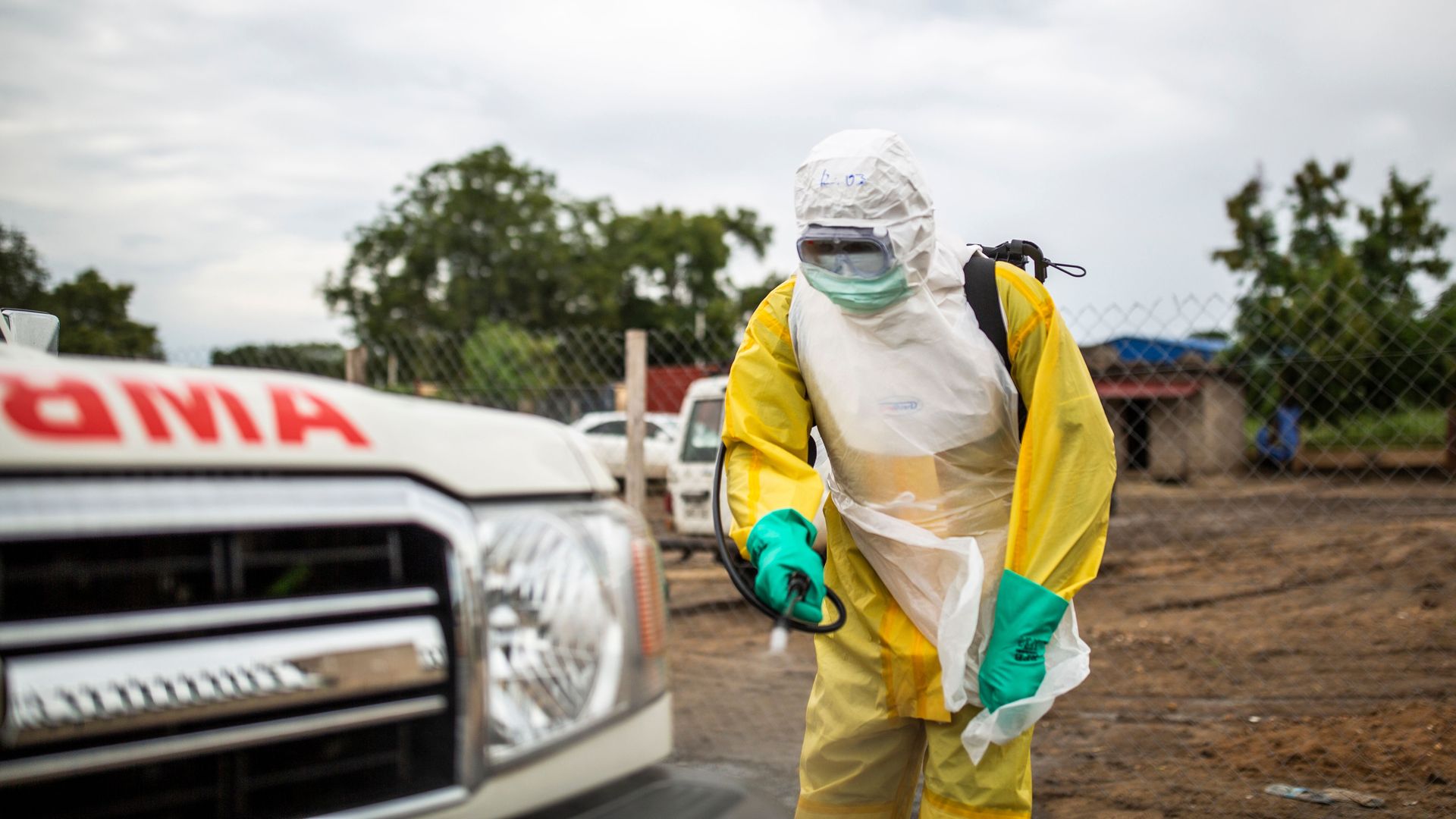
Despite the low number of new cases of Ebola reported in the Democratic Republic of the Congo — three in the past six days — the World Health Organization said Wednesday the outbreak should retain its global health emergency status.
The big picture: With the attention of a large portion of the world focused now on another official global health emergency, the spread of the novel coronavirus, there's a danger that much-needed focus and funding for the DRC may be lost at a perilous time as the country tries to stamp out this deadly outbreak once and for all.
What's happening: As of Feb. 10, there's been a total of 3,431 confirmed and probable cases and 2,253 deaths (66%) since the outbreak started Aug. 1, 2018.
- From Feb. 3–9, there were only three new confirmed cases, and those were registered as contacts, with two under surveillance. This means the chance they infected other people is lower than if they had not been a known contact.
- The WHO downgraded the Ebola risk from very high to high in the DRC and the region.
Yes, but: There needs to be no new cases for double the incubation period, or 42 days, before the outbreak is determined to be over.
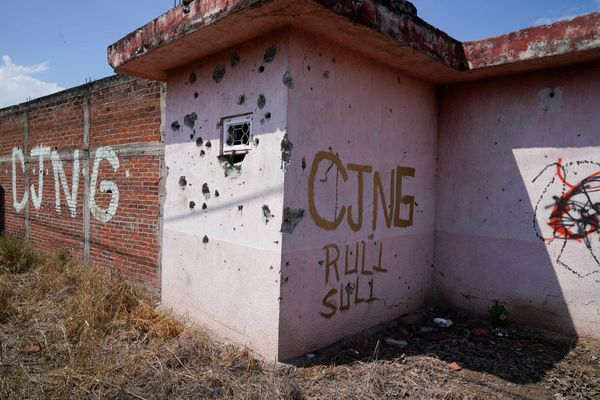
- Plus, the epicenter of the outbreak is in a region rife with violent attacks, government distrust, and a mobile population that together have been halting the progress made by health care workers.
- While there are dozens of armed rebel groups active in that area, the Allied Democratic Forces (ADF) is thought to be responsible for most of the recent violent attacks.
What they're saying: Stephen Morrison, SVP at the Center for Strategic and International Studies, tells Axios, "The number of cases is down dramatically, and that's a good thing. ... But, there was chaos a short while ago and I'm skeptical it has been vanquished."
- For instance, the ADF is responsible for a Feb. 8 attack that killed 13 and kidnapped around 20.
- There's also rampant distrust in government and health care workers in the community, which will take a long time to overcome, Morrison points out.
What's next: The WHO says much work needs to be done to prevent and help the DRC with any future outbreaks, including constructing water access for health facilities and fostering vaccination for other diseases in circulation, like measles.
- "Strengthening a health system may not be as sexy as responding to an outbreak, but it is equally important," WHO director-general Tedros Adhanom Ghebreyesus said at the briefing. Without a solid health care system, "Our greatest fear remains the damage this coronavirus could do in a country like DRC."
Go deeper: